The shy barista
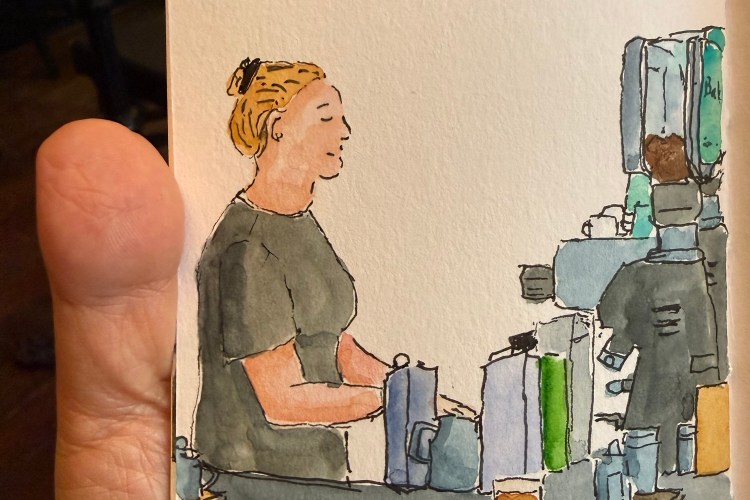
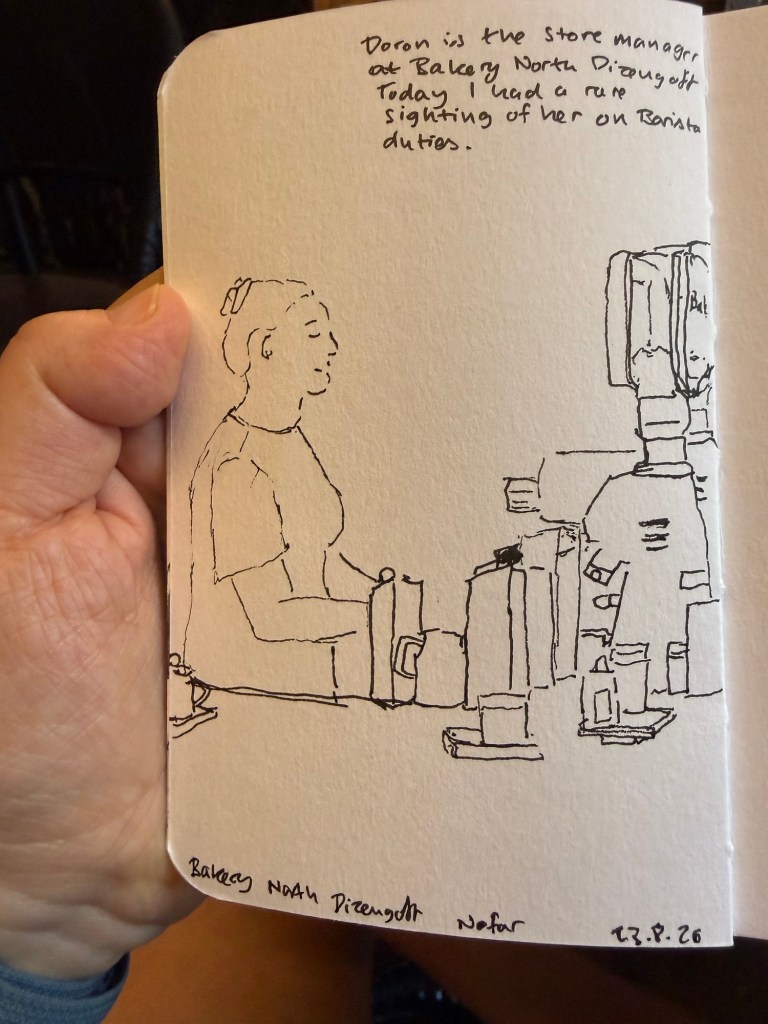
A rare sketch of the shy store manager at my favourite deli/cafe. The place was busy so she chipped in with barista duties.
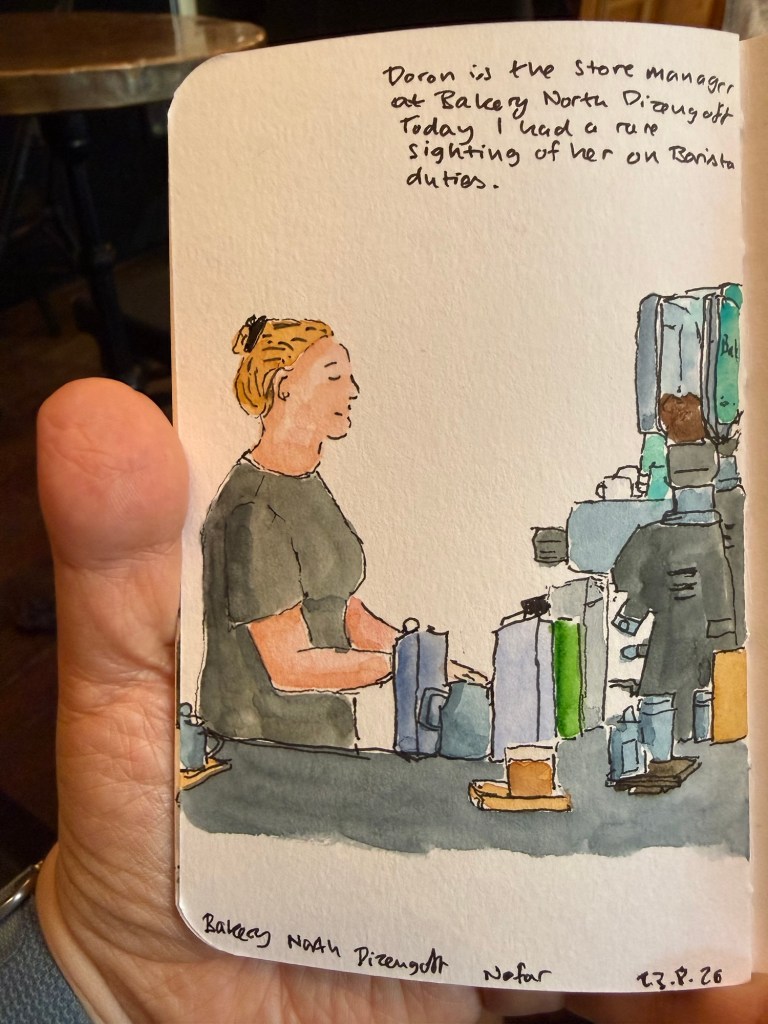
Here it is with watercolour:
A blog about writing, sketching, running and other things
A rare sketch of the shy store manager at my favourite deli/cafe. The place was busy so she chipped in with barista duties.
Here it is with watercolour:
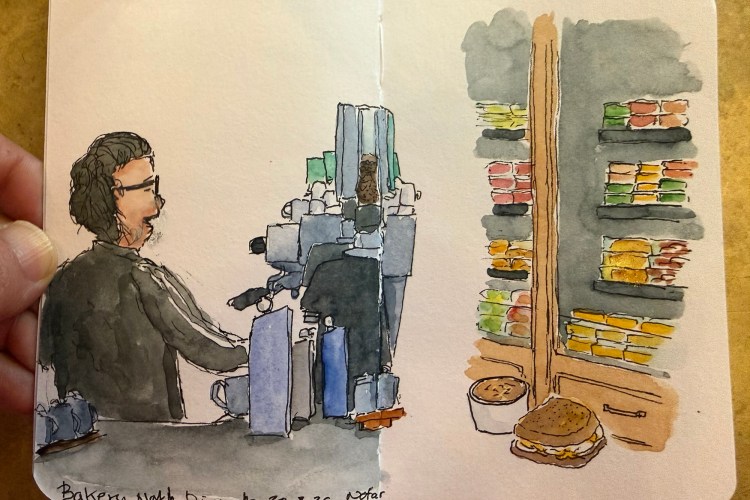
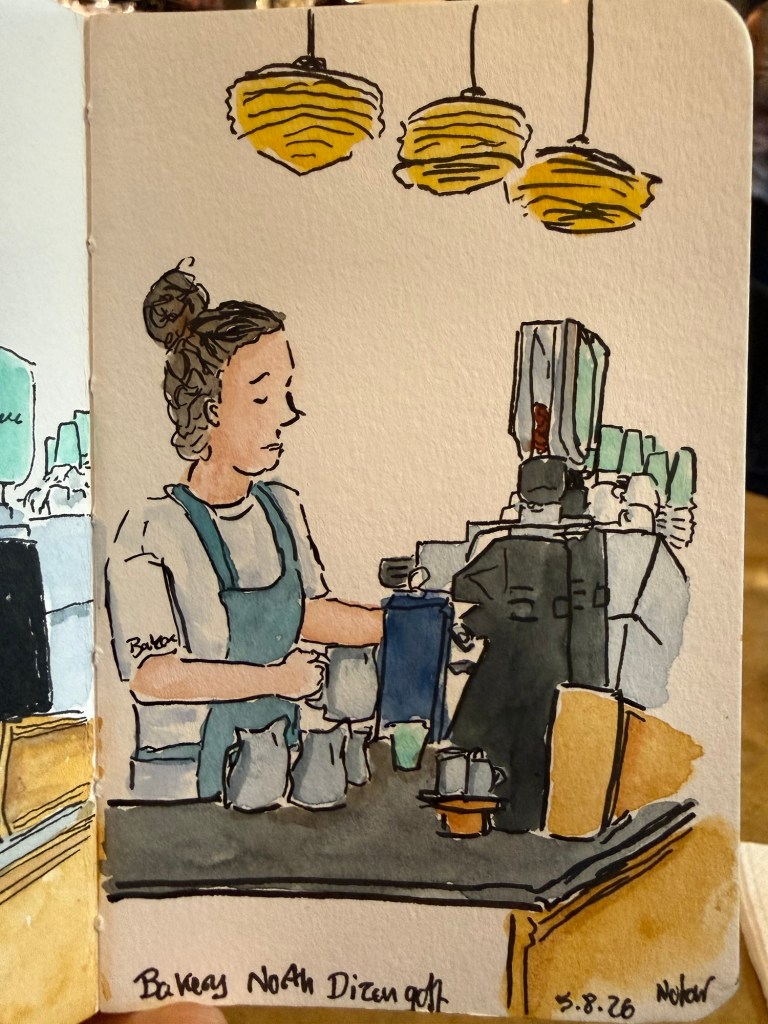
After finishing my previous Stillman and Birn pocket Beta sketchbook I started a new one. I normally use the first page to draw my palette, but this time I just skipped the first page and started a full page spread. I was sketching in my favourite cafe after a hot and humid run and for a change I decided to also sketch the fridge full of deli food.
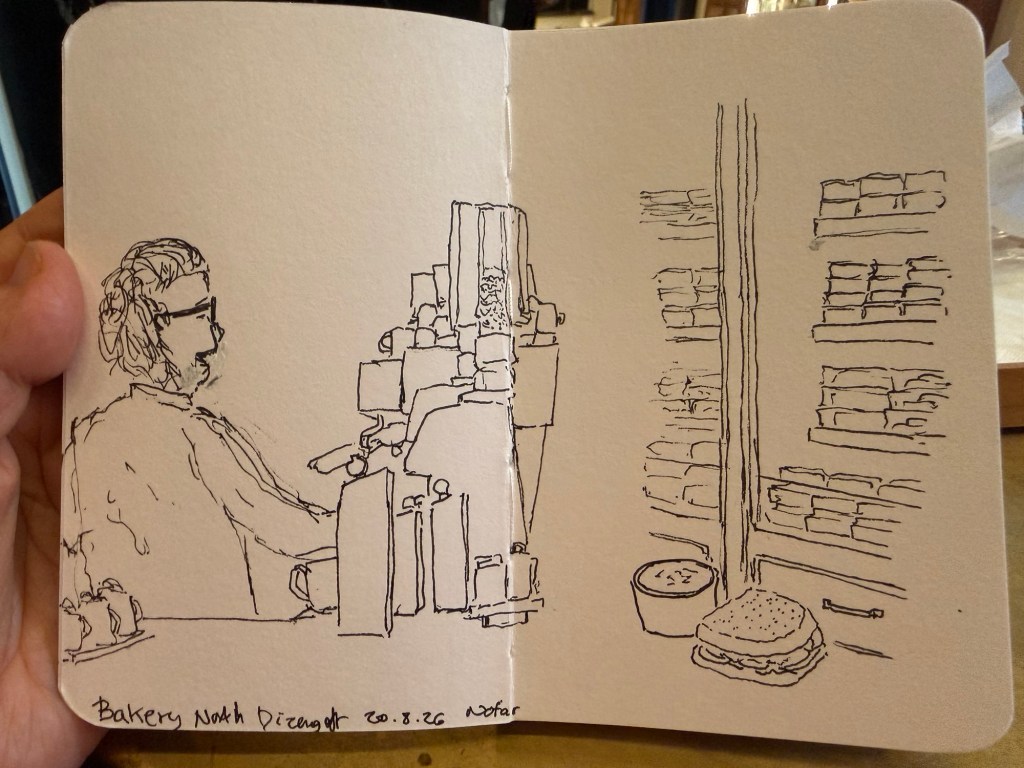
I made a few mistakes with the original barista sketch, which I erased with a white gel pen. It’s not the cleanest, but that’s the nature of urban sketching. I also forgot to colour in the tomatoes in my sandwich – an omission that I’ll correct later.
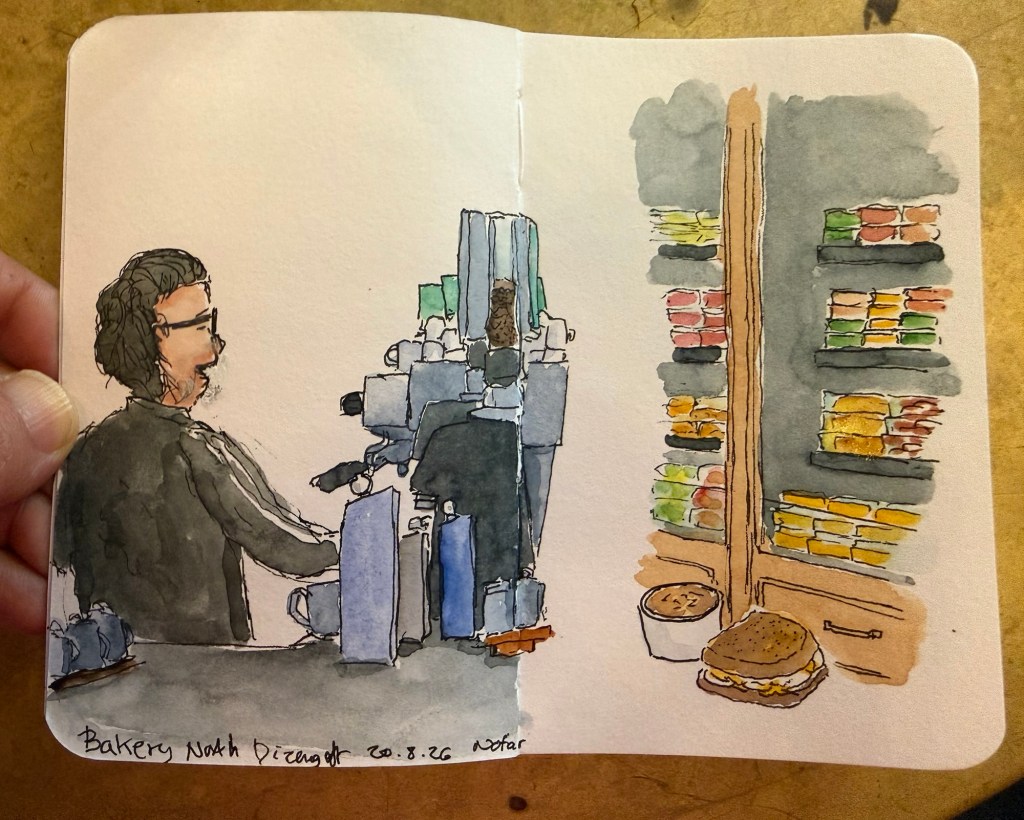
It’s a bit of an unusual spread for me, but I like it enough to continue experimenting with spreads like it in this sketchbook.
I read this book as part of the NYT Summer Reading Challenge, but it has languished in my Kindle since 2018. I purchased it as part of following The Tournament of Books, and I intended to start reading it but each time I did I encountered its mixed reviews and selected another book instead. It’s hard to take a chance on a 500 plus page book.
I needed a book that was on the NYT Best Books of the 21st Century and Pachinko was on the list (number 15 of 100), so I decided it was high time to read it.
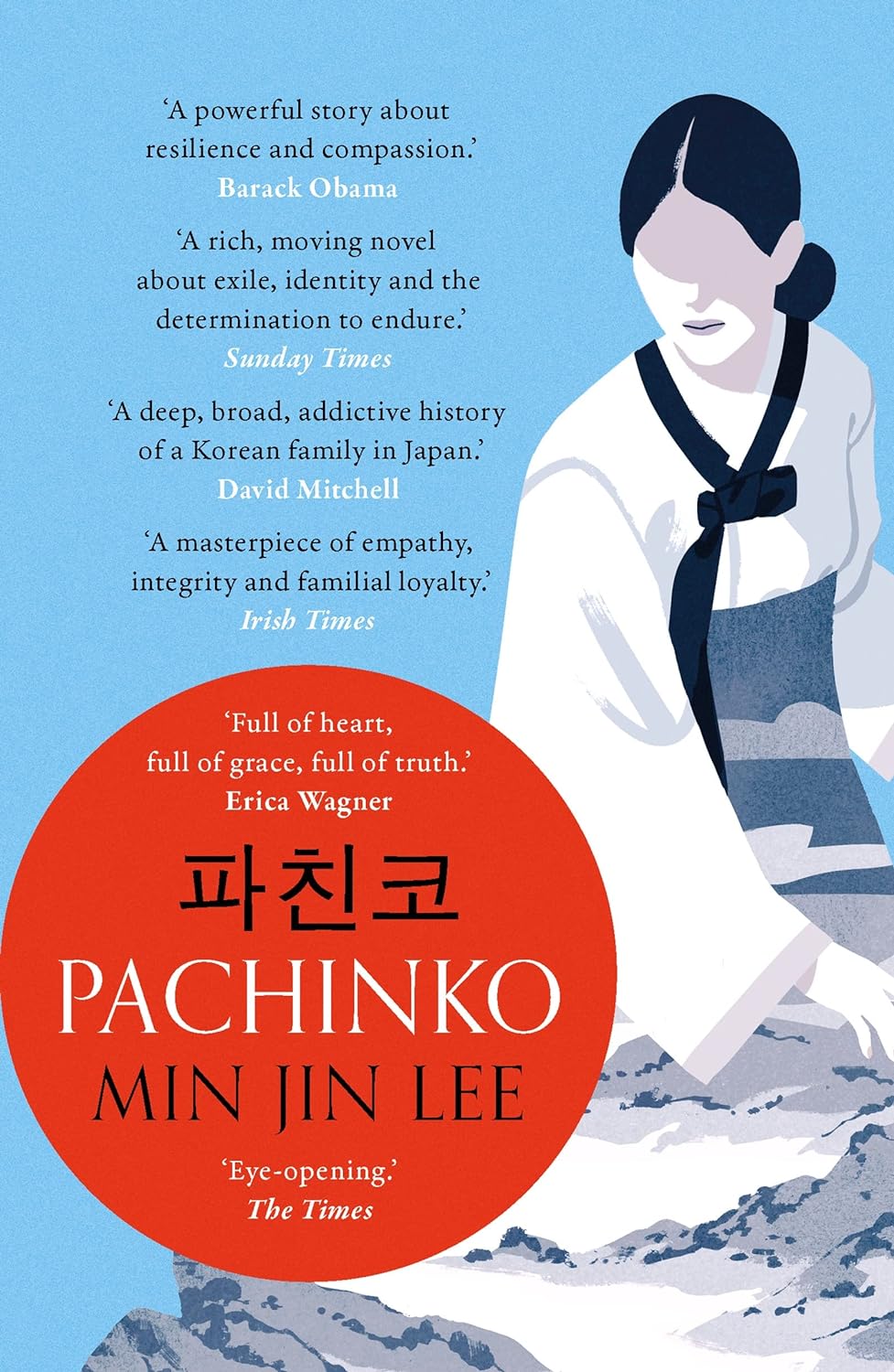
I am glad that I did.
Pachinko is far from a perfect book, and I definitely wouldn’t rate it as high as it was on that list. It’s a sweeping epic, covering almost a century, following a family of Koreans immigrants in Japan. It’s a historical novel and you can sense the great deal of research and care that went into crafting it. I generally enjoy reading long family sagas and the historical background was fascinating – but there’s a reason the book repeatedly receives such mixed reviews.
It seems like Lee’s writing skills didn’t match her ambition. The first thing you’ll notice is the pacing. The first part of the novel, the part set in Korea, stretches out for no good reason. It is apparent that Lee meant to show the slow and gentle pace of the idyllic Korean village life, but the result is mostly tedious. It wouldn’t have been so egregious if the rest of the novel wouldn’t have done the polar opposite: Lee rushes through the lives of the second and third generation at a breakneck pace that is dizzying and oftentimes jarring. So much happens to the family and in the world and you just swoosh by it, never getting a true sense of the impact of these events on the characters or their surroundings. Then comes the most dramatic moment of the book, and it’s just inexplicable. A main character commits suicide and you feel like someone just threw a piano on your head out of the blue. It feels like Lee was working to reach a certain page count, and having spent too many words on the (beautiful if languid) first part she has to rush through the other two thirds.
And yet… And yet this book stayed with me. It touches on so many things, the characters are so compelling and the historical background is so interesting that it has a sort of magnetic effect to it. I keep remembering scenes and moments. I keep wanting to shake sense into some characters and hug others.
Pachincko is 550 pages of fascinating imperfection. I enjoyed reading it, but I hesitate recommending it because of its flaws. It’s a good book, it’s far from a perfect book, and it opens a window to a world and a time and a group of people that you’d likely never read about otherwise. If the period and place interest you, then it’s well worth the read. If you’re into family sagas, this is an imperfect one but still one that you’ll likely enjoy.
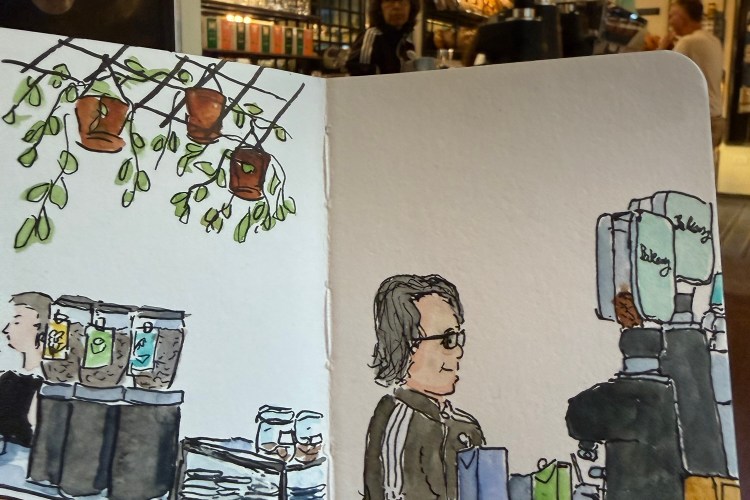
I filled the last page of my Stillman and Birn pocket beta today, a bit less than a year after starting it.
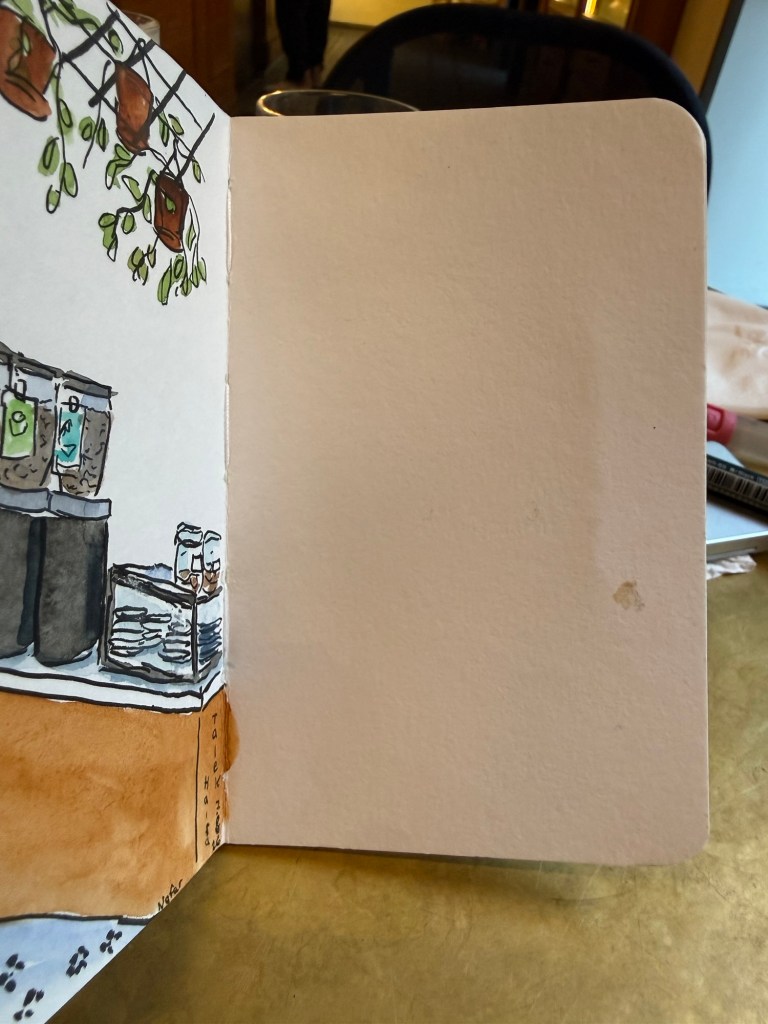
After a hot and humid run this morning I went to my favourite cafe and sketched Orit, my favourite barista. The line drawing was done with a Staedtler 0.8 pigment liner pen.

Then came the watercolours- Schmincke Horadam in a tiny art toolkit palette.

And here it is with Orit in the background.

It’s been a while since my last update, and though I drafted a post in my blogging notebook over a month ago, I didn’t get to posting it here.
I got a new job! The process was much quicker than I expected both because of my excellent friends and colleagues network and because I aggressively pursued new employment opportunities. I was getting three interviews a day plus sending several applications a day despite being sick and having another “delightful” rocket round from Iran to deal with. In the end it took me two and a half weeks to find a new (and better) place, and I learned a lot from the process.
I had a little time off before I started my new job (I started two weeks ago) and I spent most of it on catching up with friends, getting on top of doctor’s appointments, decluttering and honing my technical skills. I didn’t get half of what I planned on doing done, but that’s the nature of the beast. I am very glad that I prioritised meeting friends because it was so energising and fun and fulfilling to be able to do that. It made me realise yet again just how important real life meetings with friends are.
I finished the NYT Summer Reading Challenge on the 6th of August, well before the deadline. I enjoyed the challenge and I’m glad that I participated as it got me reading books that have long been languishing on my reading list. I decided that I will review each of the ten books that I read, so expect those reviews up shortly.
I saw the new Spiderman movie (Spiderman: Brand New Day) and it’s very good. It reminded me of The Thunderbolts, which I loved. It was well written and performed, and Florence Pugh and Jon Berenthal steal every scene they’re in they are so magnetic.
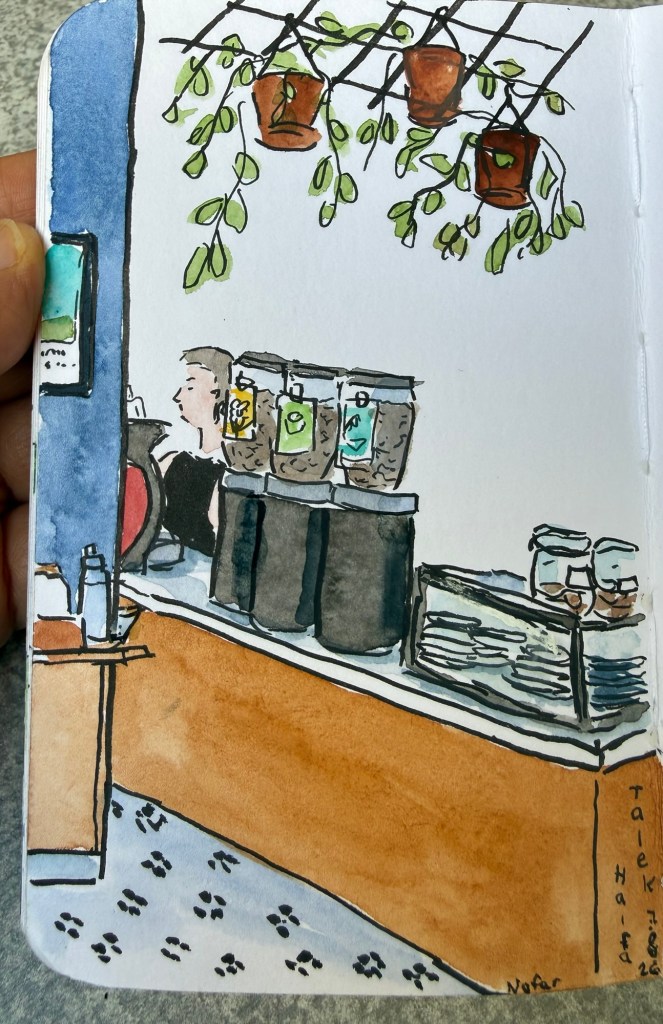
I’m almost done with my Stillman and Birn pocket beta sketchbook and I might post a flip-through here. I normally take ages to finish a sketchbook because I have so many sketchbooks running in parallel, but this one took about a year, which is super fast for me. Most of it is full of cafe sketches, because I’ve put a focus on sketching people on the move. I do plan on getting back to more landscape and other sketches in my next sketchbook.
I’m still struggling with my journaling, and I also have a large pile of notebooks that I was planning to review but I’m not so sure how to go about that. Standard reviews take a lot of time and I’m not sure that they’re that enjoyable or interesting to read. I don’t want to spew a fact sheet of information on paper weight and binding types as you can find more accurate information on the manufacturer’s website these days. Even Moleksine, who had been elusive about their paper weights in the past, now publish all the relevant details on their website. I think it would be more interesting to read about why I selected a notebook, who I think would enjoy it, and who I think should steer clear of it. What do you think?
This was the first audiobook that I’ve ever listened to, and if it wasn’t part of the NYT Summer Reading Challenge to listen to an audiobook, I never would have listened to it. While I listen to podcasts, I don’t listen to audiobooks because I find that my mind tends to wander while listening and thus I absorb much less of the text than I otherwise would have. Reading is exercise for my brain, a deeply enjoyable and immersive pastime and somehow listening doesn’t provide me with the same effects.
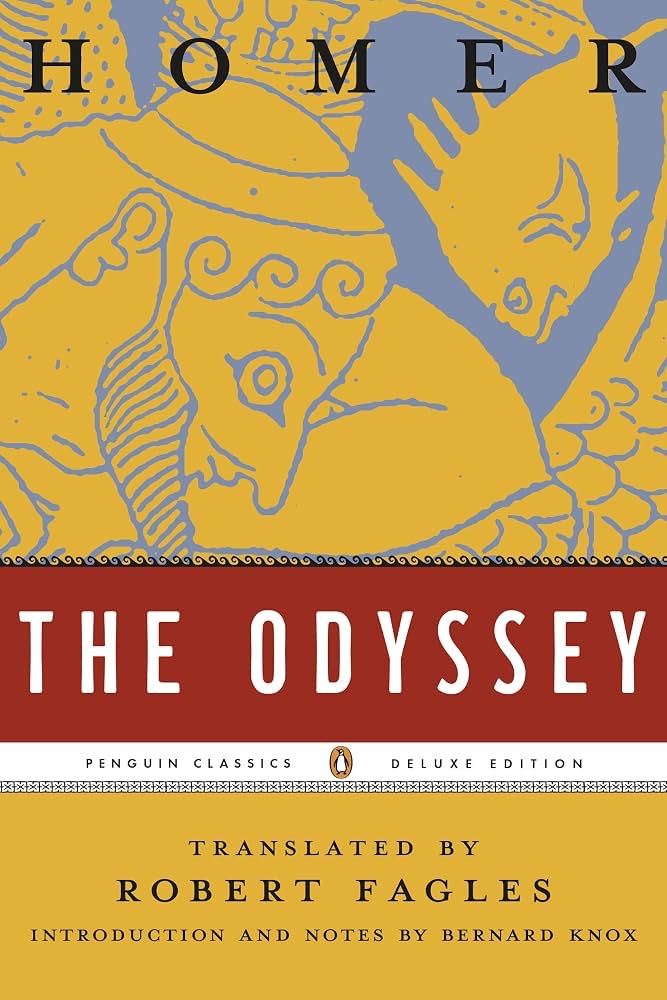
So when I saw the “listen to an audiobook” part of the NYT Summer Reading Challenge I felt daunted. Then I remembered that I had been planning to reread The Odyssey and wondered if this might be an opportunity to experience a book that I’ve read three or four times in a new way.
So I searched Kobo books and lo and behold – they had my favourite Odyssey translation read by Sir Ian McKellen, no less. I only wish that they’d also had him read The Iliad, but no luck.
The Odyssey is an epic poem. It was performed by bards for decades upon decades before it was written down, and the Fagles translation keeps the rosy fingered poetic beauty of the piece. Sir Ian McKellen is a phenomenal actor with great sensitivity to poetry and text. The combination of both is astounding. The text leapt to life, felt rich and full of nueance that I had missed before. It was like the difference between reading a Shakespeare play and seeing it performed by first class actors on stage. I felt Odysseus’s anguish, Telemachus’s frustration, Penelope’s melancholy. They became real to me.
For 13 hours I was mesmerised. It was like being in a dark theatre with just Ian McKellen on stage bringing a whole world of wonder to life. The only sour part of it all were the short musical interludes, which I found jarring. There was no need for that embellishment, and I felt that it detracted and distracted from the overall piece.
I didn’t do the dishes while listening to this book. I had read The Odyssey three or four times already, studied it in the university more than once, and yet here it was completely fresh, challenging my notions of this book. Poetry is meant to be listened to, not read, and I think that I have found a use for audiobooks in my reading life.

