I read this book as part of the NYT Summer Reading Challenge, but it has languished in my Kindle since 2018. I purchased it as part of following The Tournament of Books, and I intended to start reading it but each time I did I encountered its mixed reviews and selected another book instead. It’s hard to take a chance on a 500 plus page book.
I needed a book that was on the NYT Best Books of the 21st Century and Pachinko was on the list (number 15 of 100), so I decided it was high time to read it.
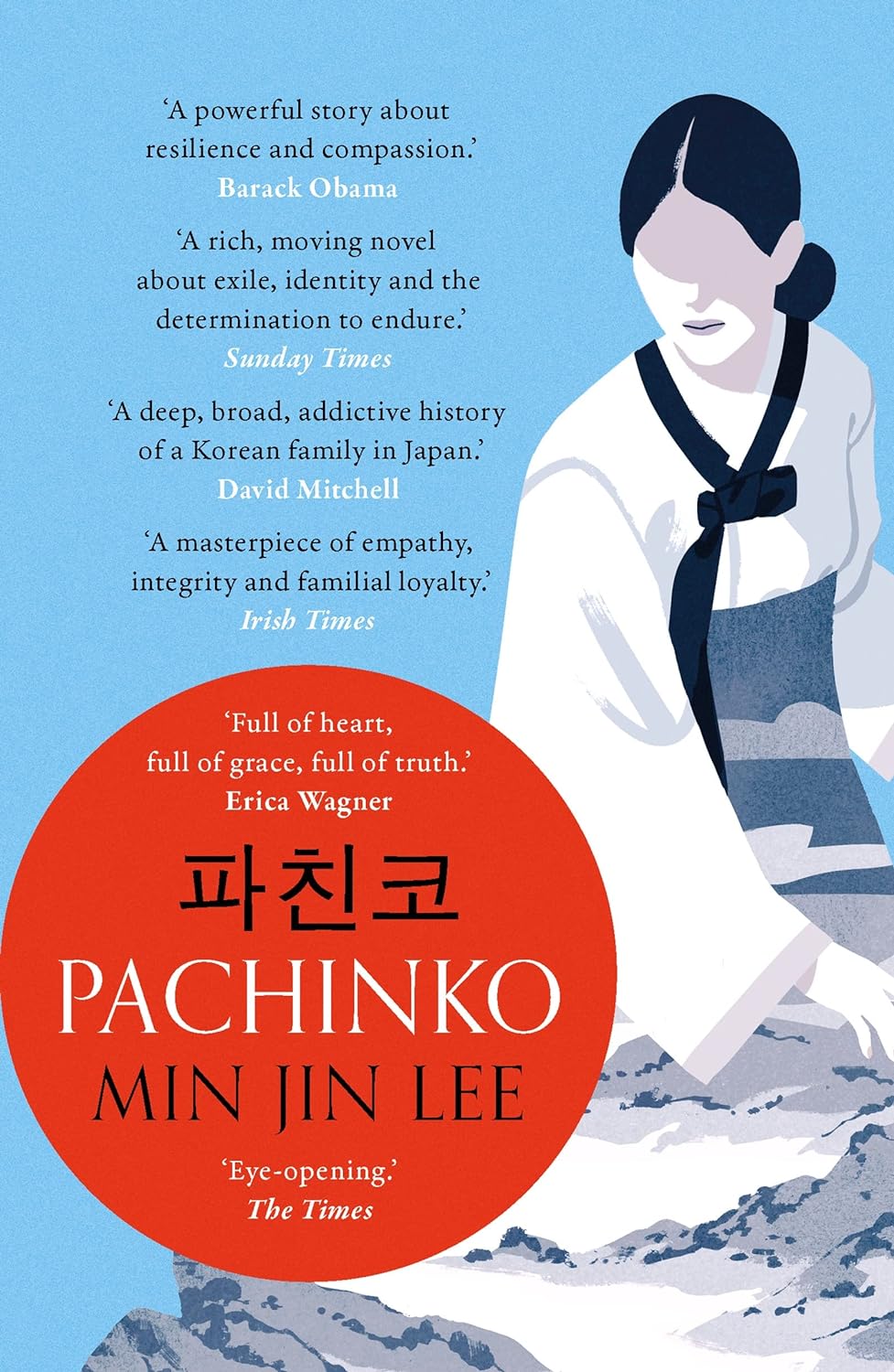
I am glad that I did.
Pachinko is far from a perfect book, and I definitely wouldn’t rate it as high as it was on that list. It’s a sweeping epic, covering almost a century, following a family of Koreans immigrants in Japan. It’s a historical novel and you can sense the great deal of research and care that went into crafting it. I generally enjoy reading long family sagas and the historical background was fascinating – but there’s a reason the book repeatedly receives such mixed reviews.
It seems like Lee’s writing skills didn’t match her ambition. The first thing you’ll notice is the pacing. The first part of the novel, the part set in Korea, stretches out for no good reason. It is apparent that Lee meant to show the slow and gentle pace of the idyllic Korean village life, but the result is mostly tedious. It wouldn’t have been so egregious if the rest of the novel wouldn’t have done the polar opposite: Lee rushes through the lives of the second and third generation at a breakneck pace that is dizzying and oftentimes jarring. So much happens to the family and in the world and you just swoosh by it, never getting a true sense of the impact of these events on the characters or their surroundings. Then comes the most dramatic moment of the book, and it’s just inexplicable. A main character commits suicide and you feel like someone just threw a piano on your head out of the blue. It feels like Lee was working to reach a certain page count, and having spent too many words on the (beautiful if languid) first part she has to rush through the other two thirds.
And yet… And yet this book stayed with me. It touches on so many things, the characters are so compelling and the historical background is so interesting that it has a sort of magnetic effect to it. I keep remembering scenes and moments. I keep wanting to shake sense into some characters and hug others.
Pachincko is 550 pages of fascinating imperfection. I enjoyed reading it, but I hesitate recommending it because of its flaws. It’s a good book, it’s far from a perfect book, and it opens a window to a world and a time and a group of people that you’d likely never read about otherwise. If the period and place interest you, then it’s well worth the read. If you’re into family sagas, this is an imperfect one but still one that you’ll likely enjoy.
 Writing at Large
Daphna Kedmi
Great review Nofar! I truly appreciate reviews that provide you with sufficient breadth to reach an informed decision as to whether the book is for you or not. So this one is definitely not for me.
LikeLiked by 1 person
writingatlarge
Thank you 🙏
LikeLiked by 1 person