This week’s recommendations

Podcast: The Daily, by the New York Times. A 20 minute daily podcast that doesn’t sum up the news of the day, but instead gives interesting insights into a few top stories. There’s a very good reason that this podcast has become so popular even though it’s so relatively new.

Book: If you’re looking for an easy summer read, try M.C. Beaton‘s Hamish Macbeth or Agatha Raisin mystery novels. They’re dirt cheap, even in dead tree format, short, not too trashy, not too violent — the beach books.

Tea: if you haven’t watched this delightful YouTube TED Ed video by Shunan Teng, I highly recommend that you do. It briefly goes through the history of tea: youtu.be/LaLvVc1sS20

And also: Monument Valley 2 is out and it’s as awesome as the first one was. Really taking my time to enjoy it.
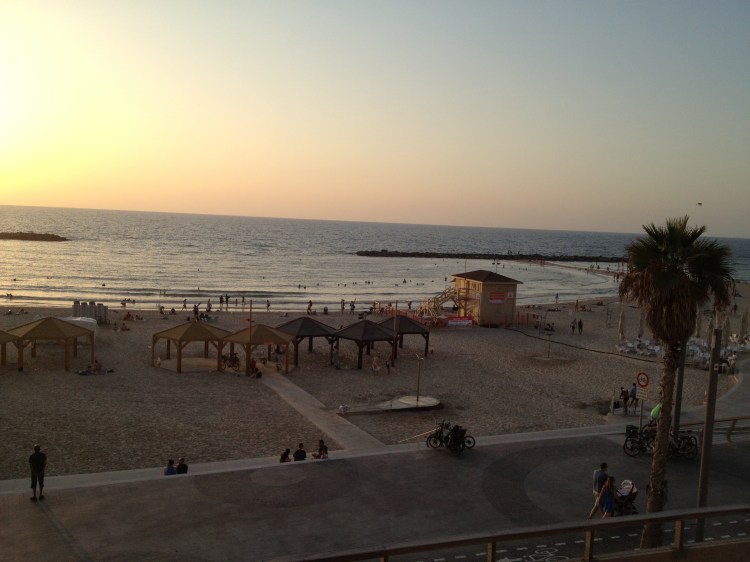
IMG_1092

Summer is here. Get thee to the beach.

IBM Watson Tel-Aviv Summit

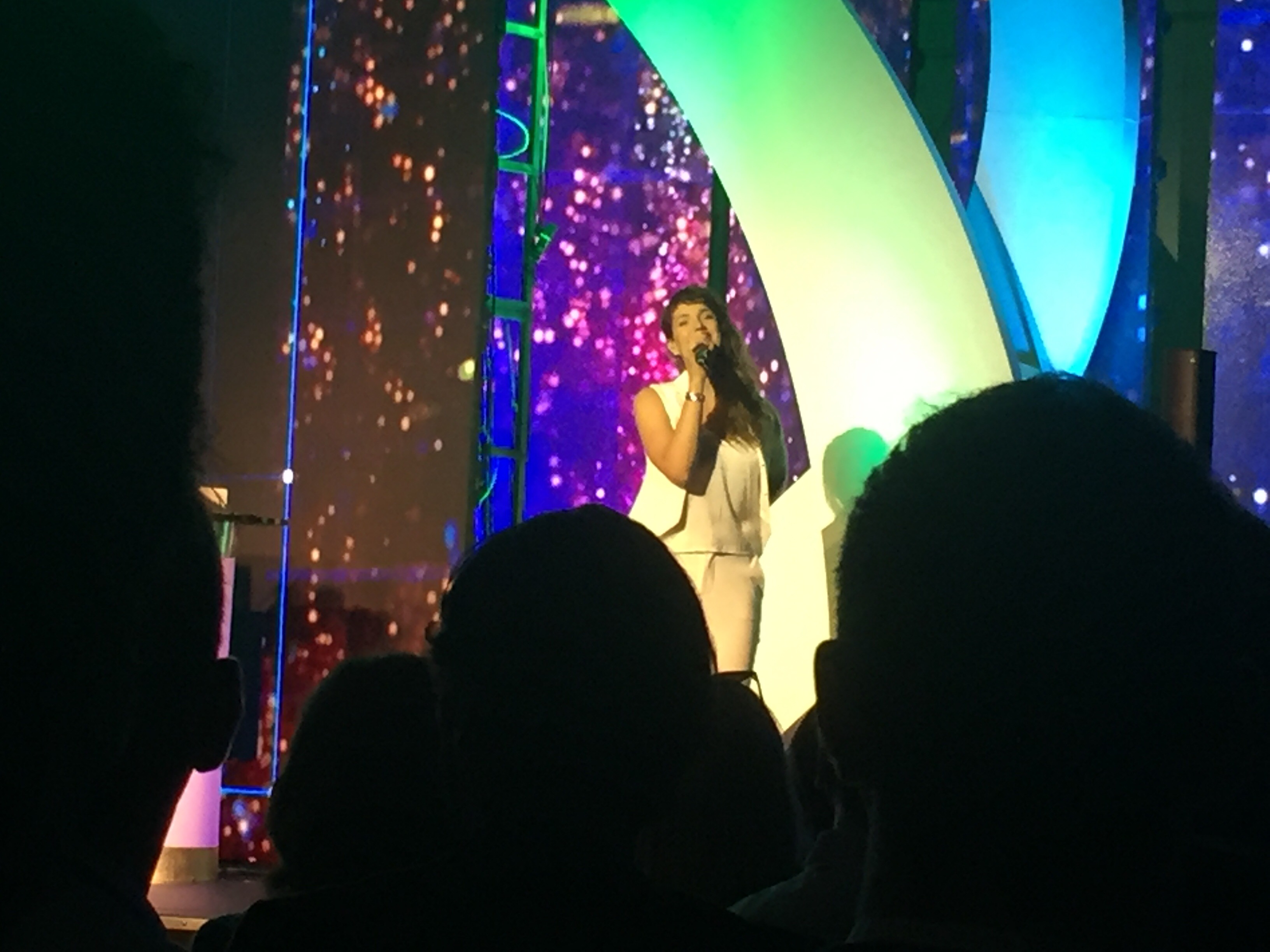
I was at the IBM Watson summit in Tel Aviv today. A very impressive event, with a slurry of local celebs taking part in it. 


Yair Nizani, an Israeli comedian, MCed.


Marina Maximilian Blumin “sang” (lip synced).

The usual buzzwords were thrown around: disruptive technologies, cognitive learning/age, Software/Product/Infrastructure as a service. 

What wasn’t said was:

These technologies cost people jobs, without providing them with alternative means to proved for themselves.

These technologies have deep social implications, but the people making them and funding them give little to no thought to what is the true cost of these technologies. 

Machine learning/cognitive learning can improve our world, but they can also cause immense suffering. Unless we constantly consider the ethical implications of these advances (as best we can), we will be the creators of our own dystopia.

The caterpillar 

This ravenous beast has been wrecking havoc on my Nasturtiums. Anyone recognise him?

Tracking your golden writing hours

As I’ve built myself a writing plan, I’ve also started tracking my best writing hours. These are the times of day when I find writing easier and more enjoyable. My goal is to make sure, as much as possible, that my best writing hours as spent doing exactly that — writing.

The problem is that tracking is a drag. Luckily, I don’t need to track my writing time down to the minute or even precisely to the hour. Just knowing that mornings are my best writing times, that I can get some writing done in the afternoon, and that I’m practically useless late in the evening, or after a run, or after a full day of meetings at work is enough. It made me get up earlier in the past few days and try to get as much writing as possible done before I go to work.

When you log your word count for the day, take a minute to also note when you wrote most of those words down, and after a week or to you should have a better idea when your golden writing hours are. Then it’s just a question of protecting them as much as you can.

P1050723