Moleskine Large Dotted Hardcover Notebook

So it appears that Moleskine has finally hopped on the dot grid bandwagon, releasing several of their classic collection notebooks in dot grid, even going as far as creating dot grid versions of some of their seasonal colours (gasp!). Next thing you know they’ll be releasing limited edition notebooks in squared and dot grid paper, and then where will we be? (Don’t worry, it’s not going to happen).

The classic Moleskine collection consists of their hardcover and softcover notebooks, in pocket, large and extra large. Currently the dot grid is offered in black covers, both in hardcover and softcover, and in underwater blue (such a pretty seasonal colour) and beige in softcover. However, it apparently was enough of a success for them to issue the dot grid option in all their classic collection core colours (black, red, blue sapphire, and myrtle green), and in seasonal reef blue (both hardcover and softcover). These colours will start being available in February-March, so it may be worth waiting a little while before purchasing (although some of the hardcover core colour options already seem available).

Now to the review. I got the classic large black hardcover notebook, as it’s probably Moleskine’s best selling notebook, and what people have in mind when they say “Molekine”.
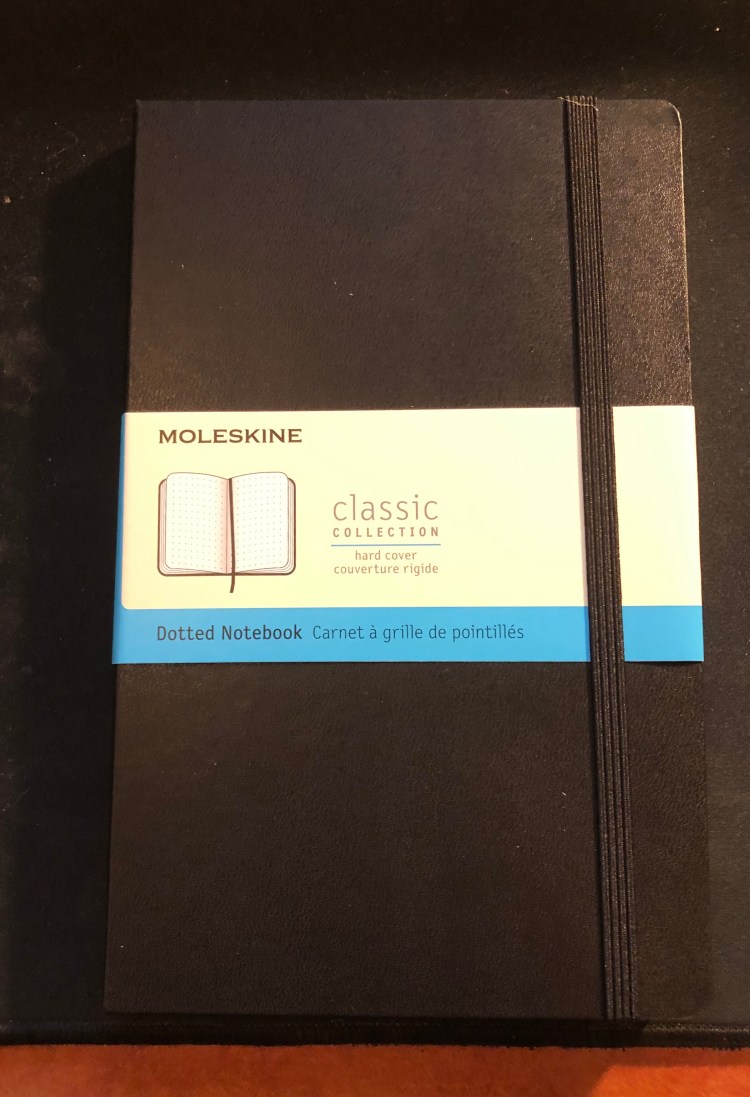
Dotted paper gets a new band colour – blue.

First thing’s first, Moleksine have listened to customer feedback and significantly strengthened their notebooks’ elastic bands. They’re a little thicker and wider, and there’s little chance that they’ll turn into the floppy mess that some of their earlier elastic closures turned into after a few months of use.

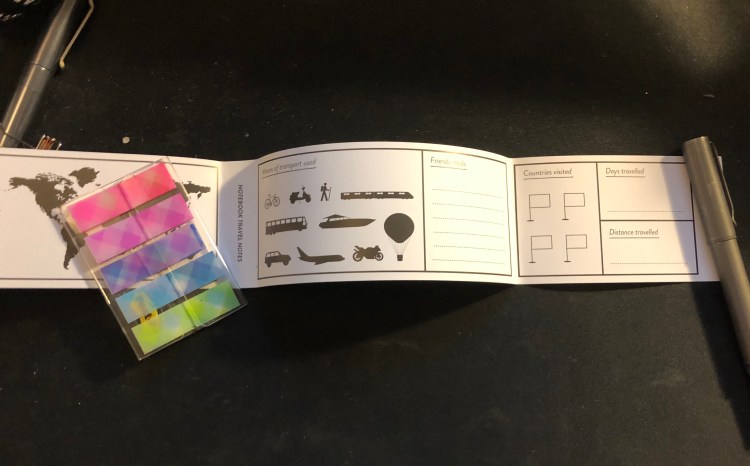
The sleeve also has a B-Side, this one is pretty travel oriented, and I love it because maps!

Phileas Fogg would have been proud.

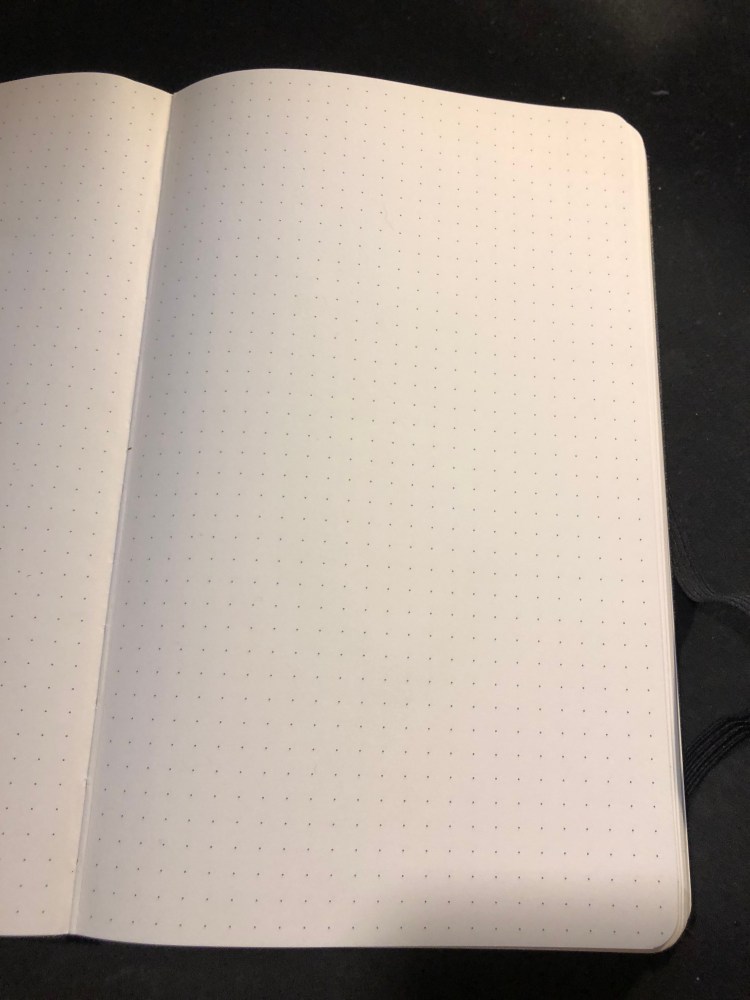
Which brings us to the paper. The dot grid pattern is medium grey, dark enough to be visible, light enough to not be too distracting. It also is very precisely aligned on all pages, if those kind of things bother you.
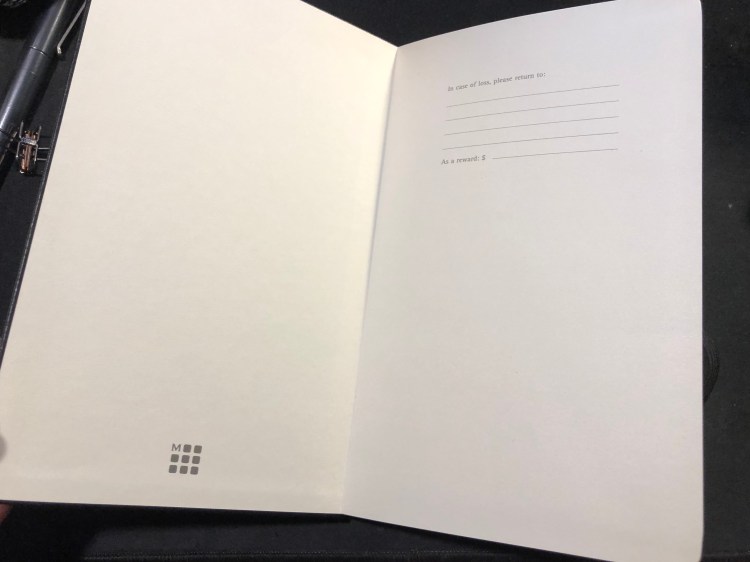
The “In case of loss” endpaper, with the Moleskine logo, a relatively recent addition.
How does the paper perform? Better than you’d expect. Gel, ballpoint and pencil work well with the paper, but even fountain pen inks, including pretty saturated messes like the Montblanc psychedelic purple work pretty well. There’s no more weird spidering, as there used to be and the spreading is minimal (better than Baron Fig, well above average). If you don’t insist on super saturated inks, you’ll be able to enjoy using fountain pens in this notebook.
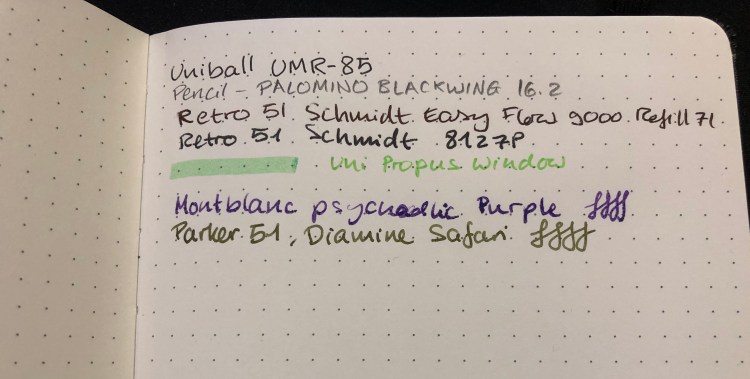
A closeup of my writing samples. Montblanc purple has behaved this way on Rhodia paper too, so I blame the ink, not the notebook:
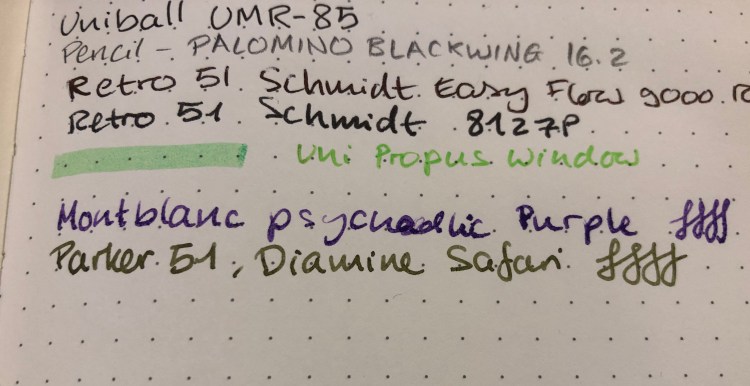
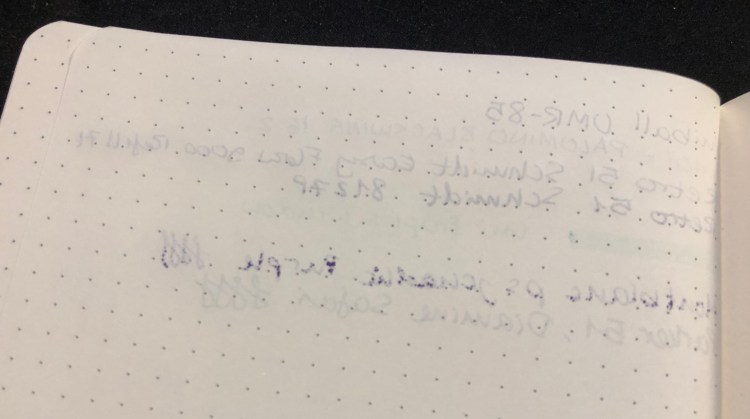
Show through is better than tomoe river paper, but not as good as Rhodia (I’ve had mixed results with Baron Fig, so I’m not using them for comparison here). Again, the only real problem was with the Montblanc ink, which is a problematic ink in general, so I’m not using it for comparison. I’d find this notebook to be usable on both sides of the page, but again, that comes down to preference.
Moleskine seems to be making an effort not only to come up with innovative limited editions, but also to give their regular line-up a bit of a refresh (with new added colours) and boost (with new dotted paper, better quality paper, and a fix for their elastic closure problems). That’s a move in the right direction, and one that I plan to enjoy.

I still need to figure out what’s going on with that Montblanc ink, though…
Moleskine James Bond Limited Edition Boxed Set

Completing my Moleskine James Bond limited edition reviews (see here for the Titles notebook and here for the Carbon one) is the crowning glory of them all: the boxed set.

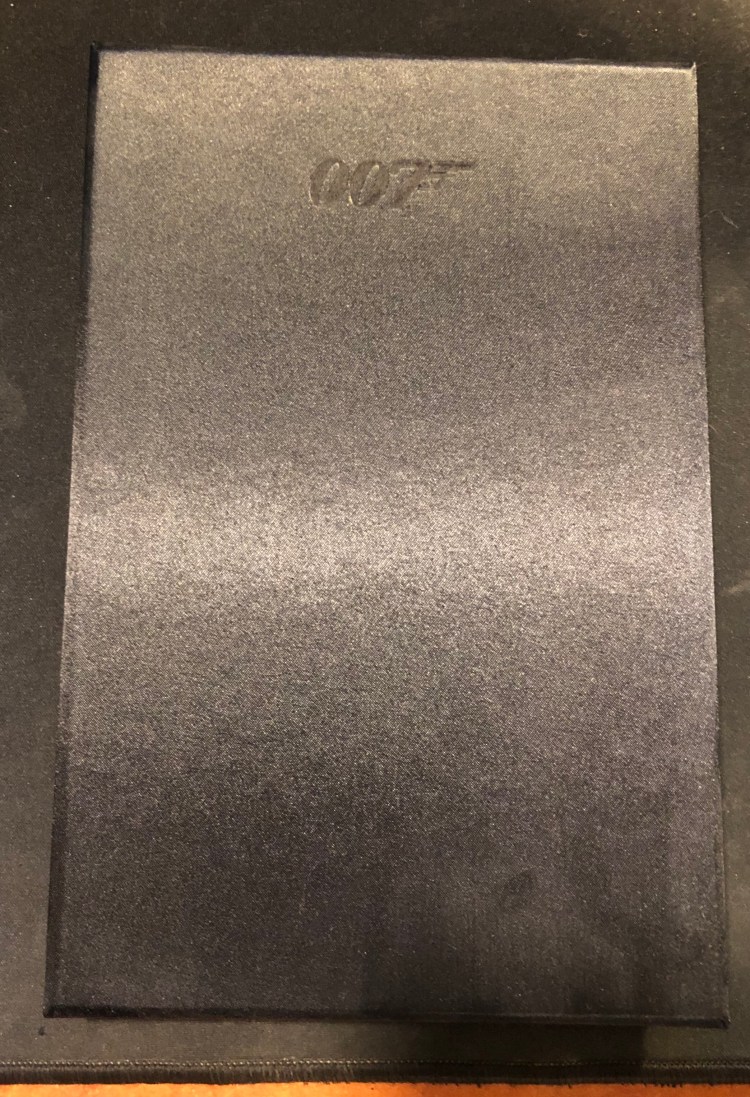
Unlike the other two notebooks, this is a numbered edition with 7007 notebooks total made worldwide. It comes in a silk covered box, with its own matching “tie” (to help you get the notebook out. It’s not really necessary, but adds another touch of luxury to this set), and is itself covered in black silk. All of this is terrifically excessive, like Q’s elegant little gadgets on an already over the top car. The result is a notebook and box that you just want to stare at and stroke every once in a while.

The Box
The “tie” inside the box

The notebook with its shiny silk cover:

Moleskine did a limited edition run of silk covered pocket notebooks years back, for the van Gogh museum in the Netherlands. They were all the rage, especially at a time when Moleskine was not doing limited editions except for special events, and they were exceptionally difficult to obtain. The silk on those covers was thinner and rougher, and after a bit of use tended to fray, likely because silk is not an easy fabric to work with, and the company had very little experience with fabric covered notebooks.

The James Bond Boxed Set comes after the Blend, Rolling Stones, Denim and Marauder’s Map fabric covered editions, and you can tell that they know what they’re doing now. The silk on the cover is densely woven and substantial, and unlike the van Gogh notebooks, it actually shines with sheen. It feels like the notebook is wearing a high end tuxedo and just waiting for a gorgeous woman in a skimpy dress and a silly name to bring it a martini, shaken, not stirred.

Front end page, with the well designed map and the number of the edition
Back end page, with all the titles beautifully aligned.

Like all previous boxed sets, the notebook comes unwrapped (the box itself is wrapped) and so without the paper slip and its B-side around it. The sticker sheet that comes with this edition is the same as the other notebooks in this range.

The set originally cost around $35 but you can get it now for $25. If you’re a James Bond fan this is the one to get out of this edition, with the Carbon coming in second place and the Titles in third. The only minus to this notebook is that it is so sexy there’s a good chance that you’ll feel uncomfortable using it (ah, double entendre. What’s a James Bond movie without it?).

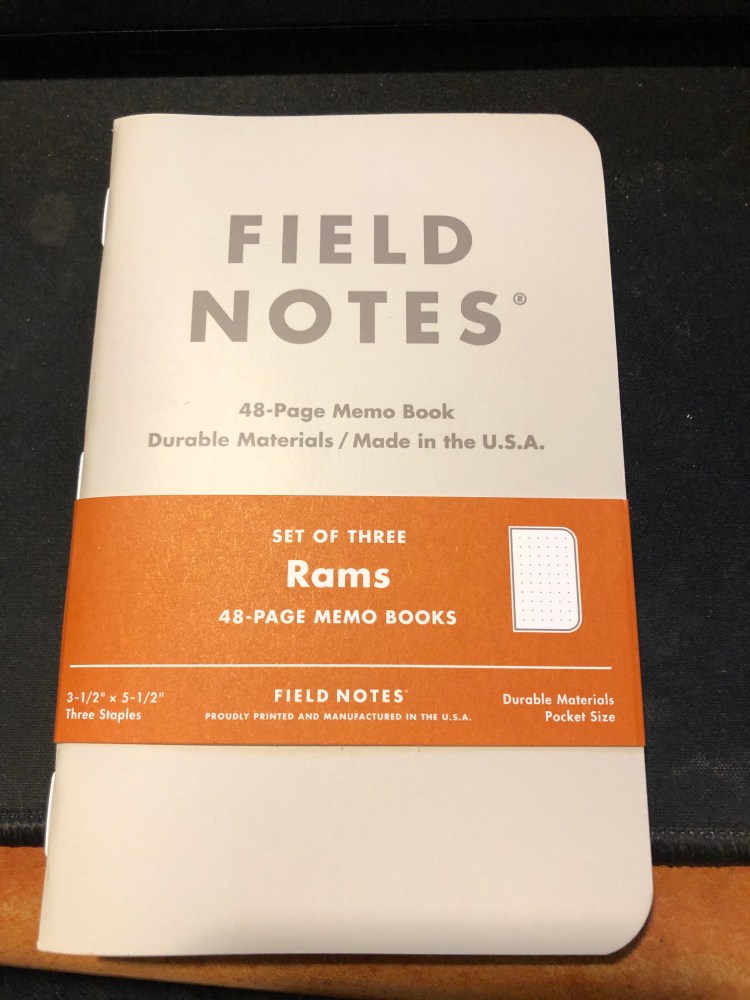
Field Notes Rams Review

I got these notebooks because I like Field Notes more minimalist designs, and this is most certainly one of them. I’m not a fan of dot grid though, so I’m not sure whether I’ll actually enjoy using it.

The orange highlights go well with the cream coloured covers and the grey type.

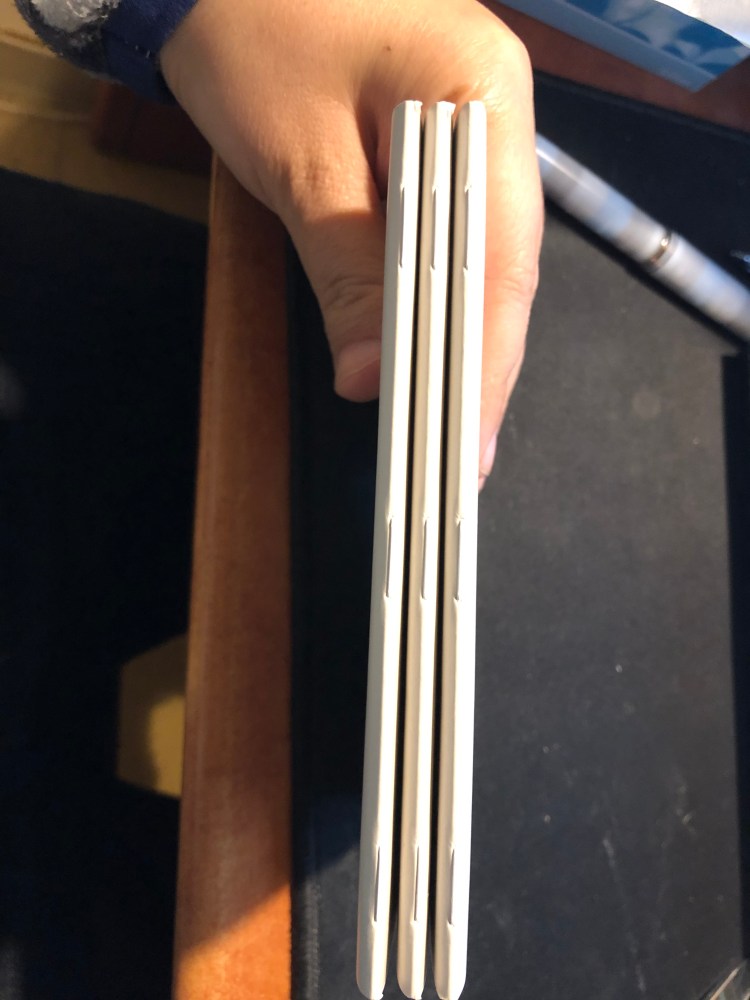
White staples, to complement the covers:

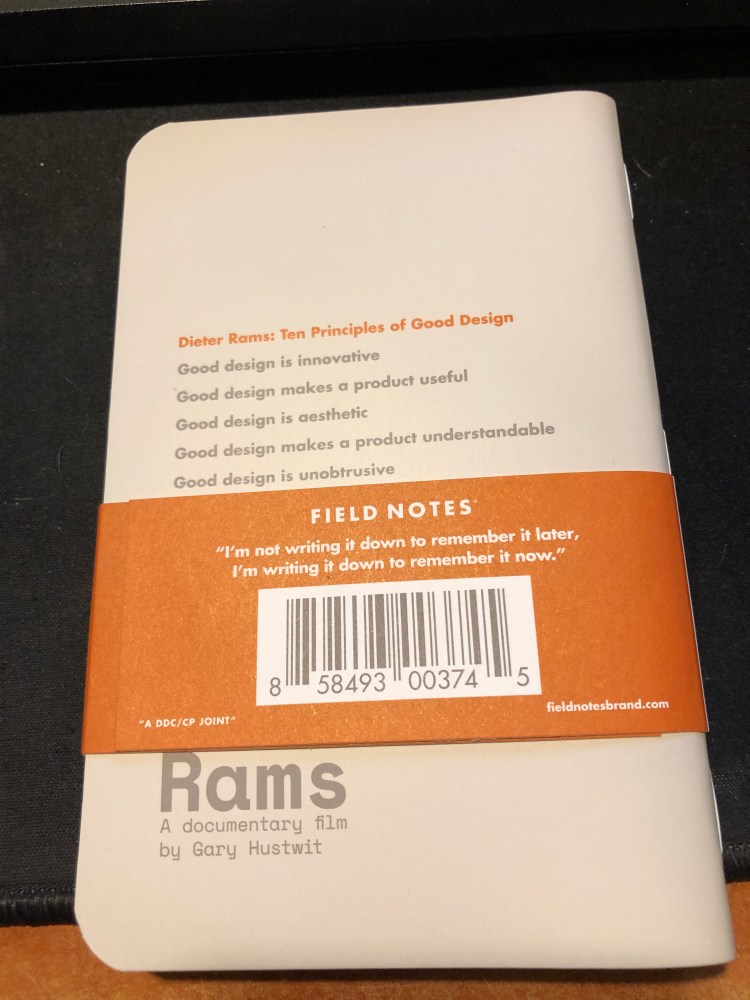
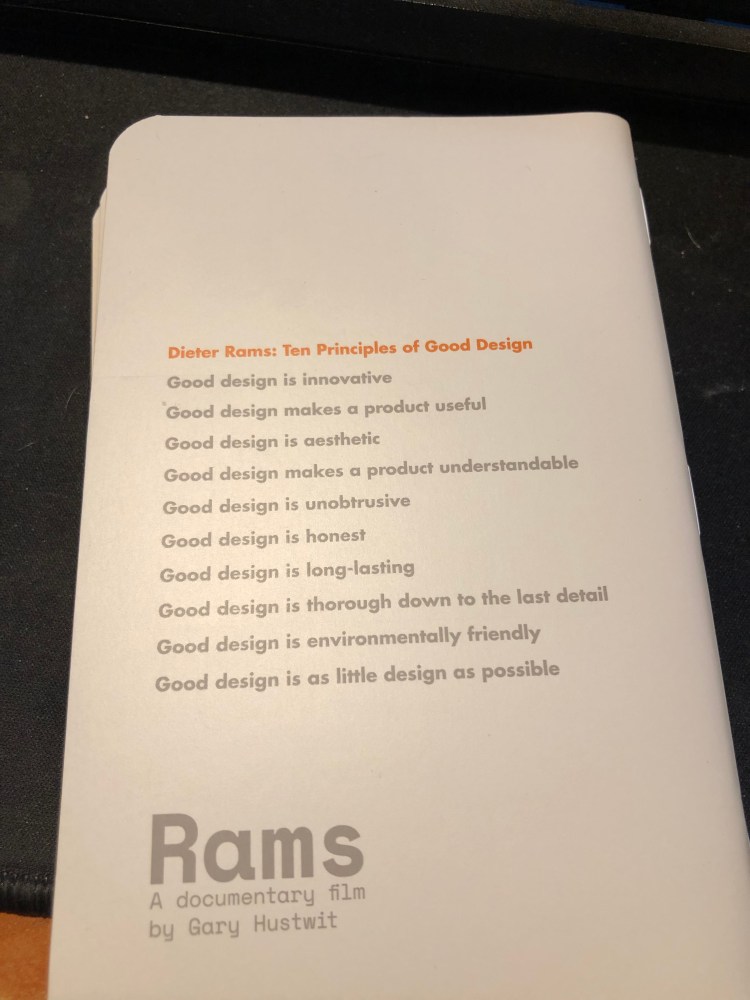
The best part of this notebook, Dieter Rams Ten Principles of Good Design:

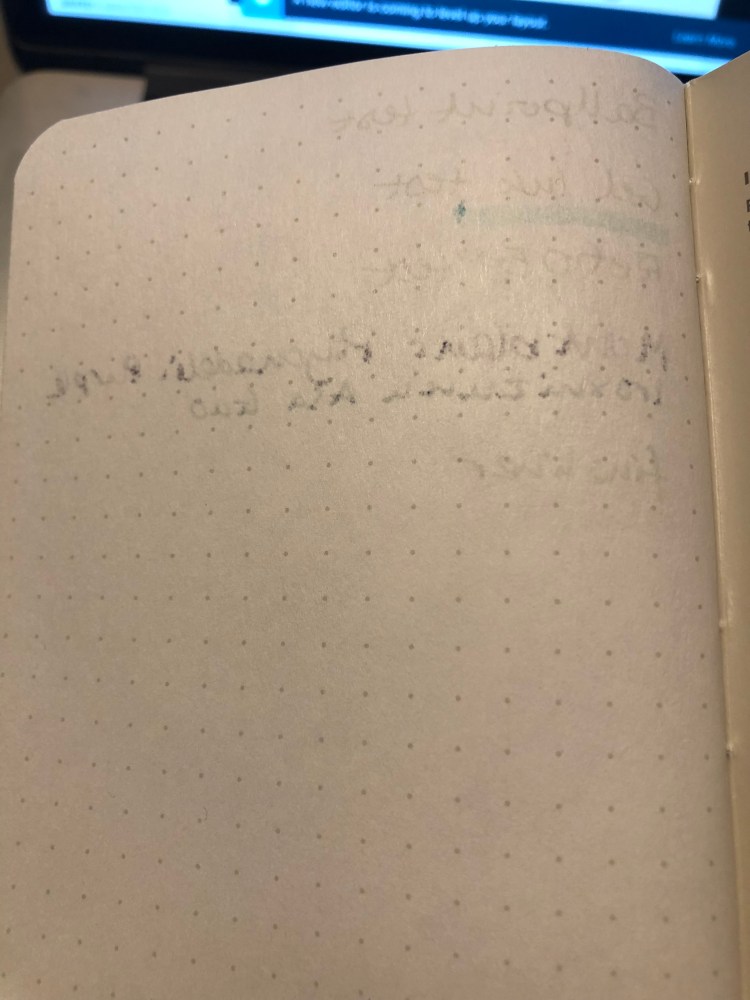
Testing the pages a bit:

The reverse side of the page:

The Field Notes Rams edition is a utilitarian notebook that would be perfect with a Lamy 2000, provided that you’d fill the pen with something like Noodler’s Black. As it is, because of the dot grid, I have no idea when and how this edition will get into my rotation. If you prefer dot grid notebooks, this notebook is definitely worth checking out. Otherwise, the more colourful Three Missions or the more interesting Clandestine would probably be a better purchase.

This Year’s Field Notes

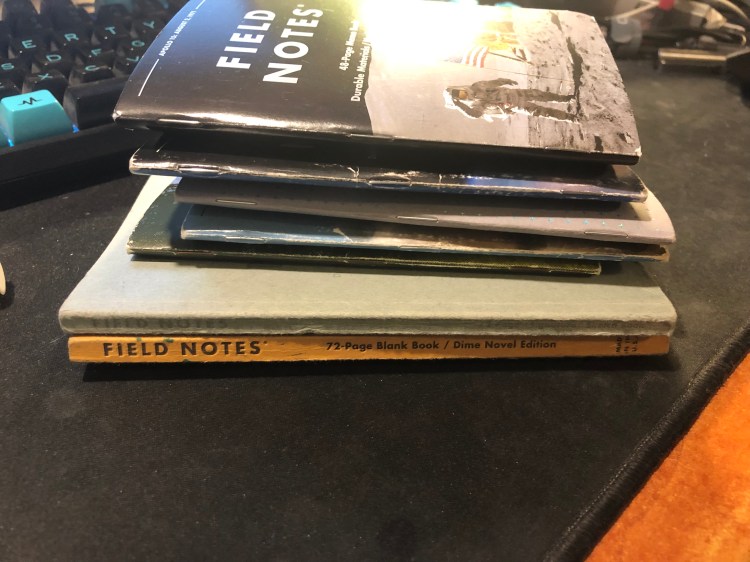
This year’s filled up Field Notes notebooks all piled up:

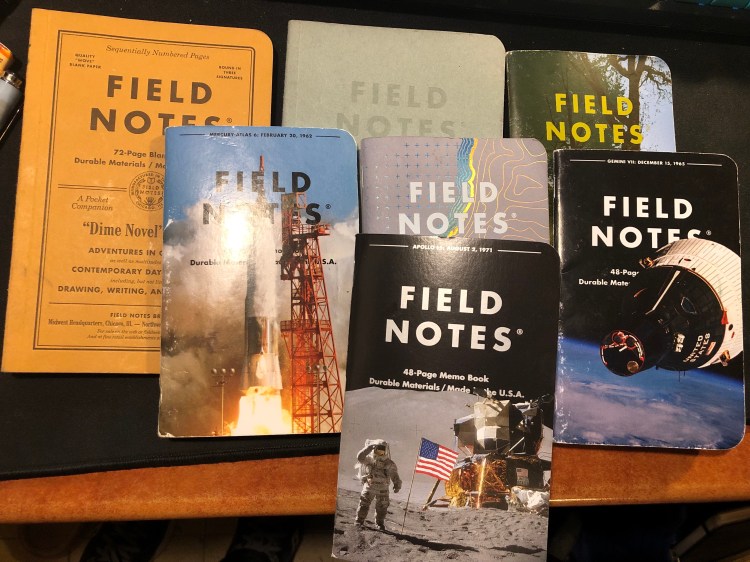
And spread out:

I use them mostly for to do lists, quick capture and tracking of various short term goals. The Signature Sketchbook is full of doodles, inktober drawings and rough sketches. My favourite by far has been “Dime Novel”. My least favourite has been surprisingly “Costal”. The cover and design are gorgeous but the reticle grid is just too dark to make it enjoyable to use.

Field Notes: In and Out

It took me about a month and a half to finish this one. Out: Field Notes Coastal (beautiful edition, but the reticle grid is a bit too bold and noticeable for my taste). In: Three Missions (another winning edition from this year).

Moleskine Looney Tunes Limited Edition Notebooks and a New Moleskine Two-Go

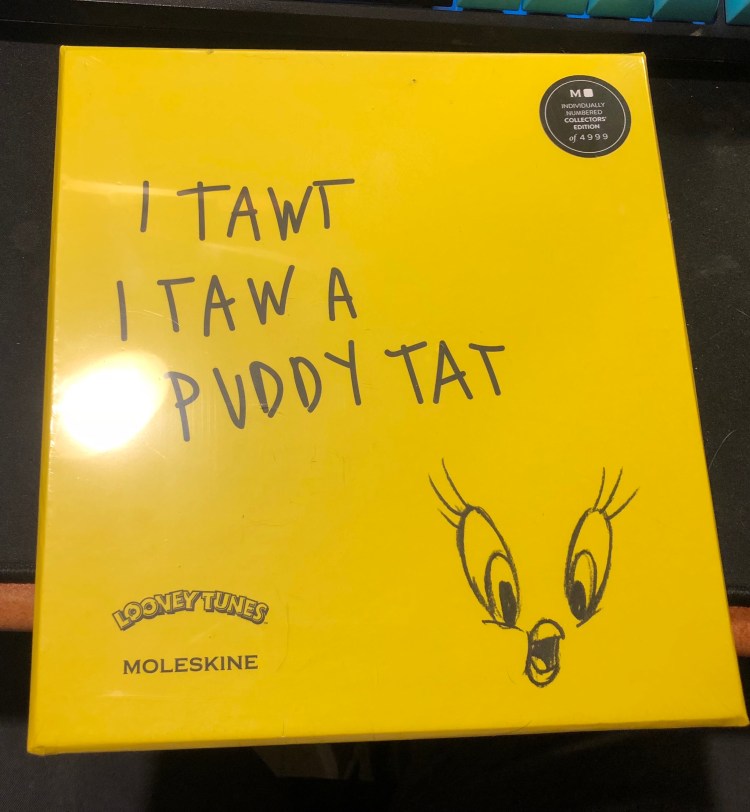
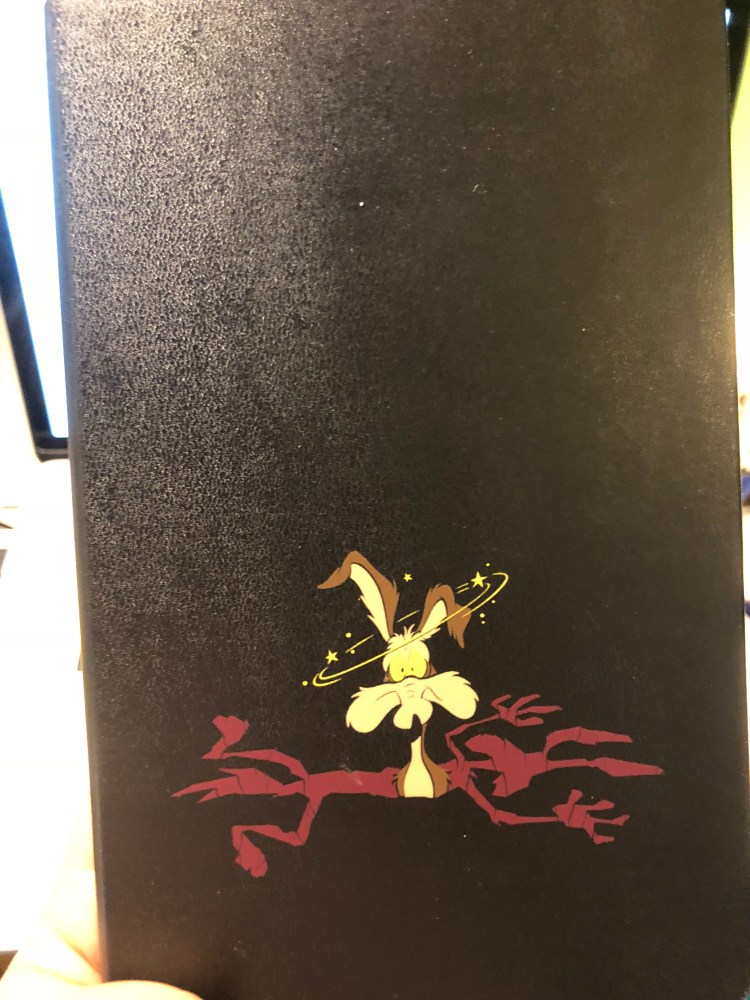
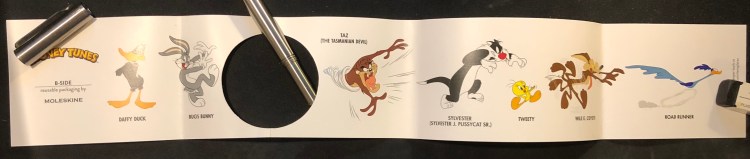
At almost the last minute of my trip to Paris I managed to sneak in a short visit to a Moleskine store, and was caught by surprise by their new Looney Tunes collection. I’m not a rabid Looney Tunes fan, but the Bugs and Wile E. Coyote were too well-designed to pass, and I’m curious enough about any limited edition that couples Tweety, drawing pencils and a sketchbook to give it a spin. These all obviously come with a Moleskine premium, but if you’re remotely into Looney Tunes, I’d recommend them.

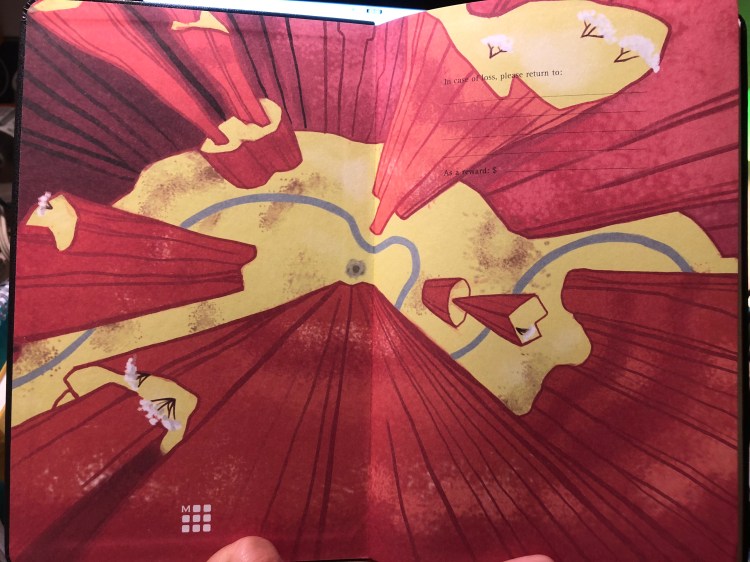
I’ve only opened the Wile E. Coyote notebook at the moment, though I have seen the others open in the shop and they are as tremendously well designed as the Wile E. Coyote one is. The endpapers are so colourful and a lot of fun, and they work with the cover design so well.

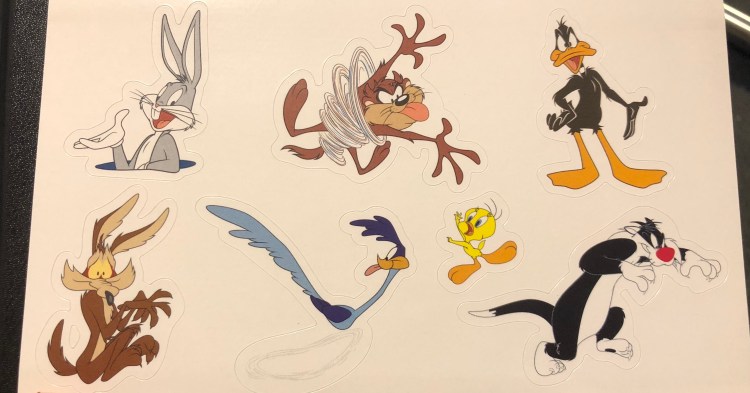
It comes with stickers of course:

And a cute B-Side band:

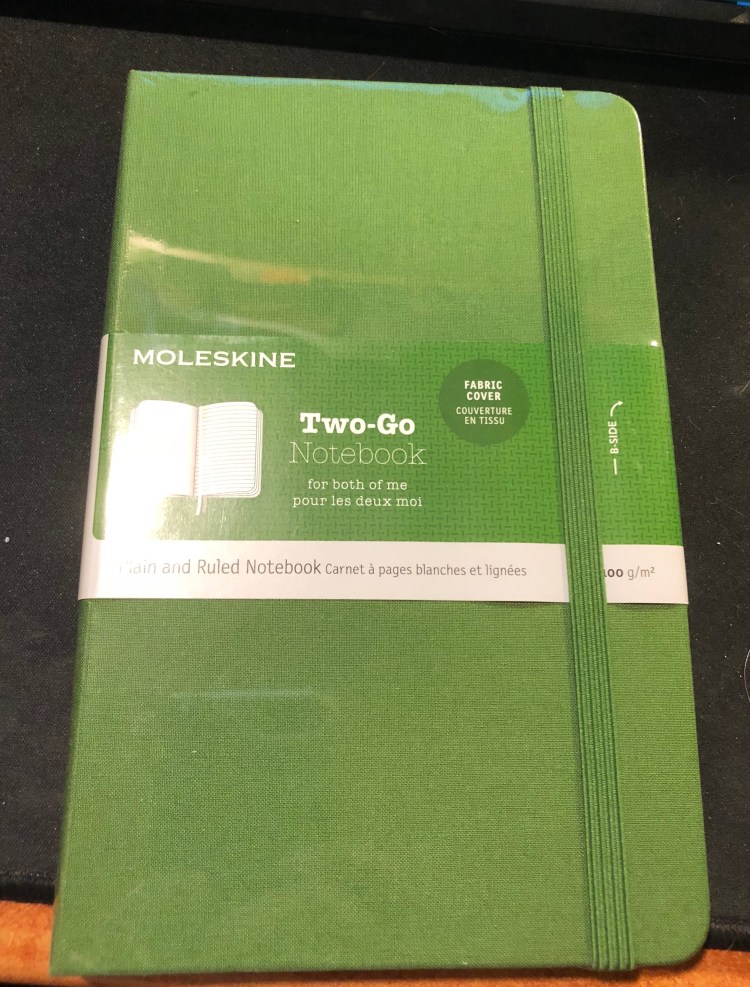
Another pleasant surprise was a new cover colour to the Moleskine Two-Go editions, green. The Two-Go notebooks have thicker paper than regular Moleskines, and they’re smaller than large Moleskines, with one side of the page blank and the other side ruled. I use them as my reading journals, and highly recommend them, especially if you were at all fond of the Arts notebooks of Field Notes’s “Arts and Sciences“.

Which Notebooks I’m Currently Using

I love reading about how other people use their notebooks and pens/pencils, so I decided to take the time to list what I’m currently using and how:

  • Field Notes Front Page – used in landscape mode with a Blackwing 16.2 to take notes while I work through the third draft of my novel. Something about the format of this notebook appeals to me, especially in landscape mode. I ignore the lines completely (easy to do, since they’re so faint). Also works well while I’m typing, since it’s thin enough not to get in the way. I just put it below my keyboard, a pause to jot a quick note when I need to.
  • Field Notes Dime Novel – I use this as a catch-all and home to do list notebook, using whichever fountain pen I have inked at the moment.
  • Moleskine Star Wars Lightsaber Duel – used as my daily journal, coupled with a Ti Arto with a uni-ball Signo 0.5 gel refill (UMR-85) and a Scotch glue stick to paste bits and bobs in. I’ve been using this combo for about two years now (with different Moleskine lined notebooks), and I couldn’t be happier with it.
  • Moleskine Large Squared  – used as my “bullet journal” at work. I’ve simplified the bullet journal system (removed the calendars entirely) and it’s now a daily checklist + work journal that serves to answer two questions: what am I going to do today, and what have I actually done. Keeps me sane and happy, especially when outages derail my day. I use a Zebra G-301 pen with this that I bought in Atlanta in 2012, and it is still going strong. I go through about a refill every two months, so this isn’t the most economical of systems…
  • Moleskine pocket square reporter – a new one for me. I’m using it to keep a running food journal, using a Retro 51 tornado slim graphite filled with a parker gel refill.
  • Paper for Fountain Pens notebook – together with sheafs of Tomoe River paper, this is what I use for my writing notes, quick drafts, and when I’m working through plot holes. I use whatever fountain pen I have going at the time, usually two pens with two different inks, Neil Gaiman style.
  • Moleskine two-go – I’m using this as my reading journal. I log all the books I read here. Previously I used two Field Notes Arts notebooks, but I ran out of them, so I moved to this. Using a Karas Kustoms grey RenderK in this, coupled with a Caran d’Ache Bicolor pencil to highlight things, and whatever other pencil I have laying around, for extra notes.
  • Baron Fig Three Legged Jester Confidant – using this to track my resolutions for several years now. Used to be my daily journal.
  • Moleskine softcover squared pocket reporter – using this to keep track of story ideas. I write in it with whatever is on hand.

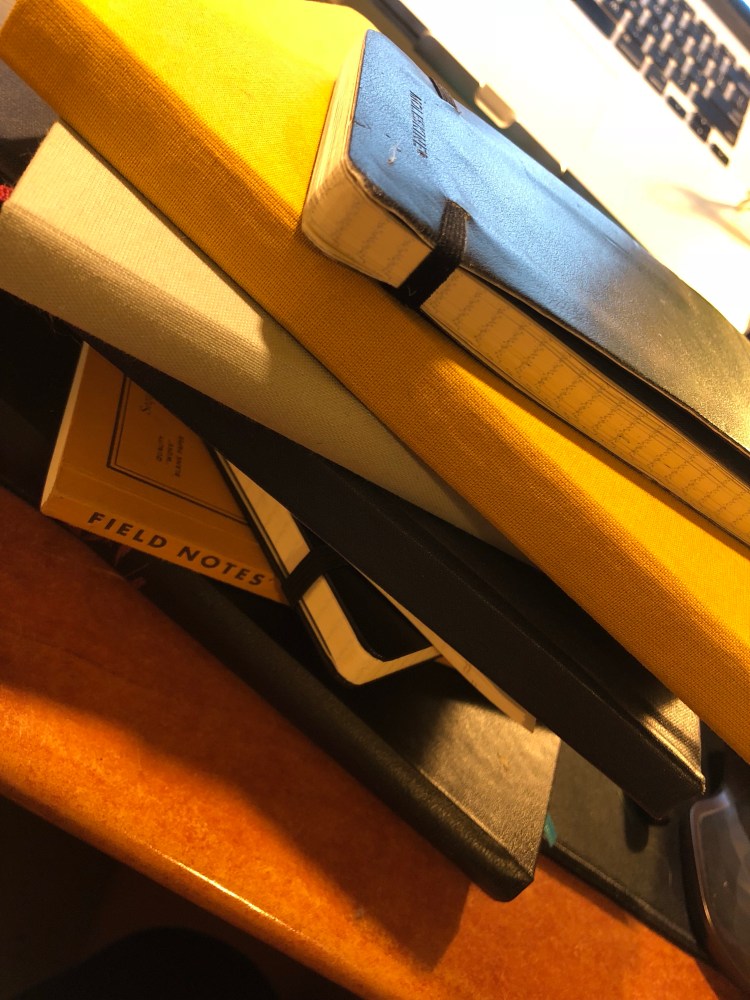
A large pile of notebooks

Vintage Friday: Boxes and Stapler

I love going to flea markets and rummaging for old things, particularly boxes to store stuff like notebooks and pencils, and old office supplies, which are oftentimes elaborately decorated and over engineered.

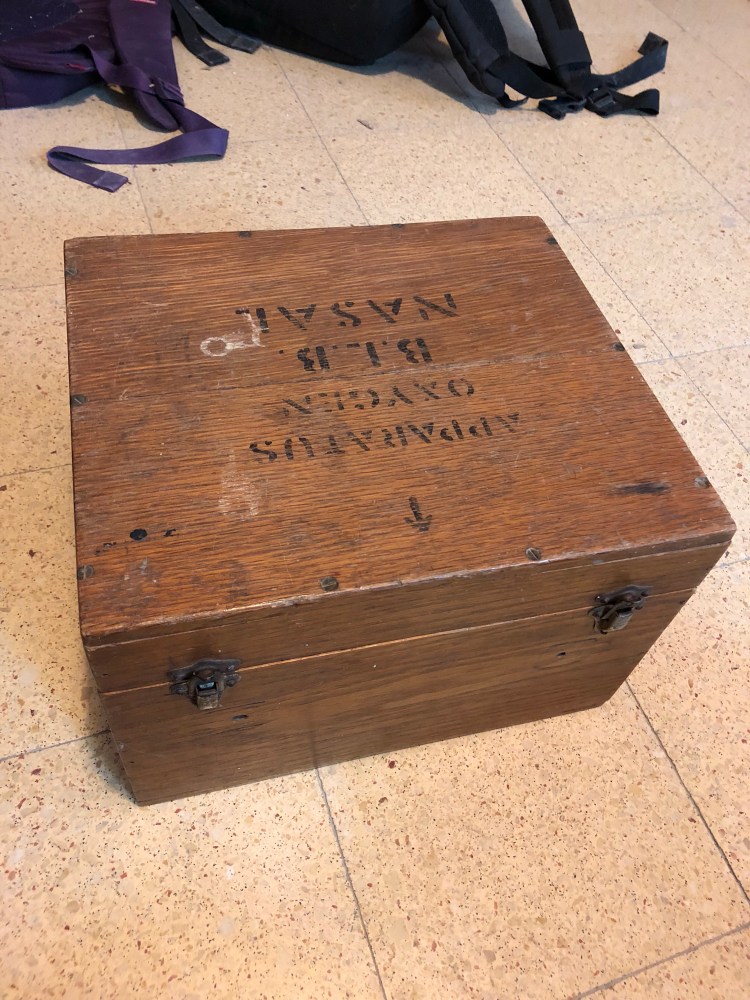
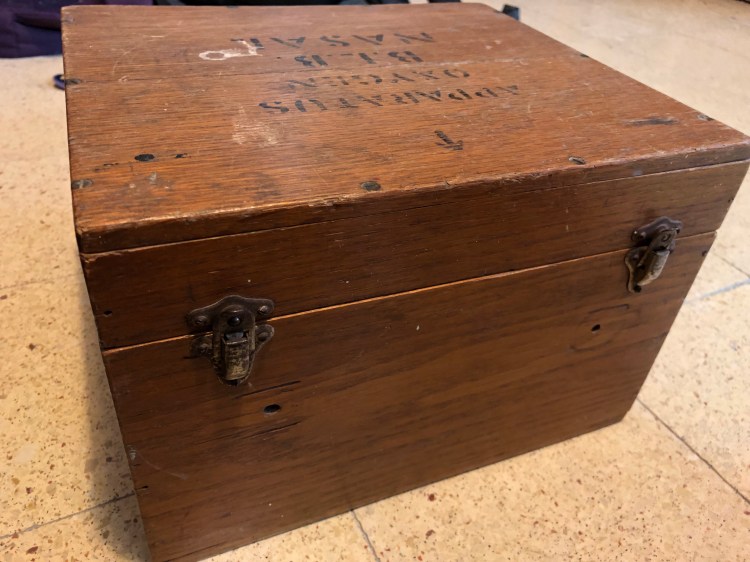
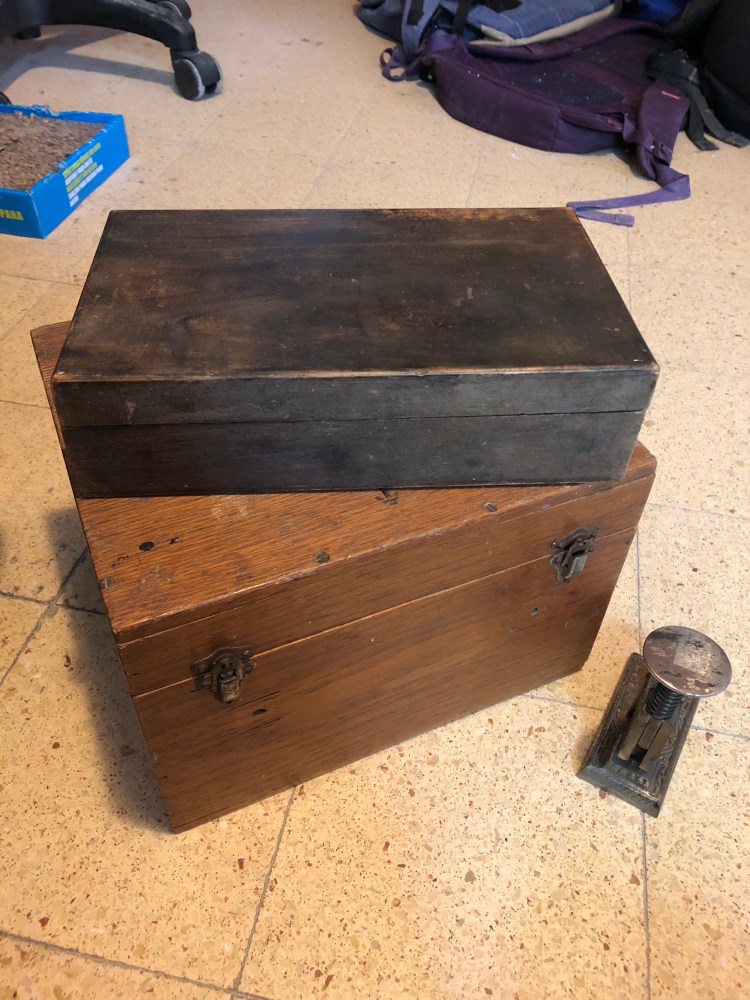
Three of my latest finds include an old army oxygen mask box, which I am using to store my used notebooks in:

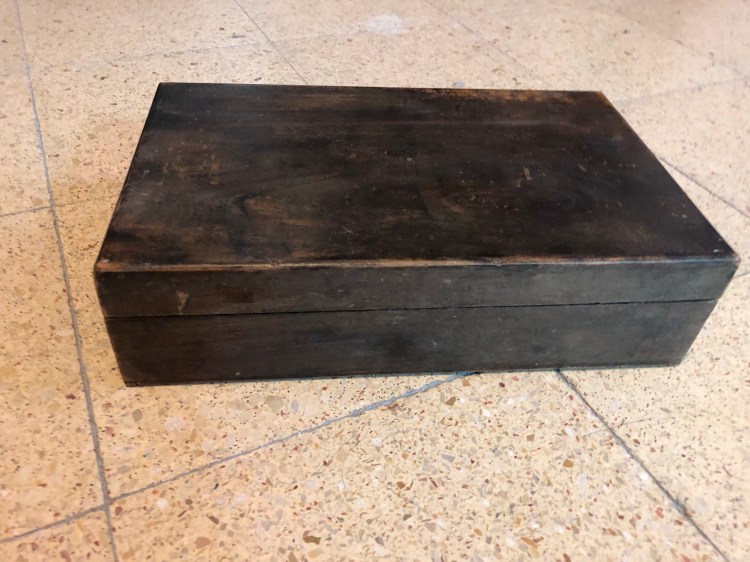
An old wooden box that is currently empty, but will house my Blackwing Volumes pencils, I think:

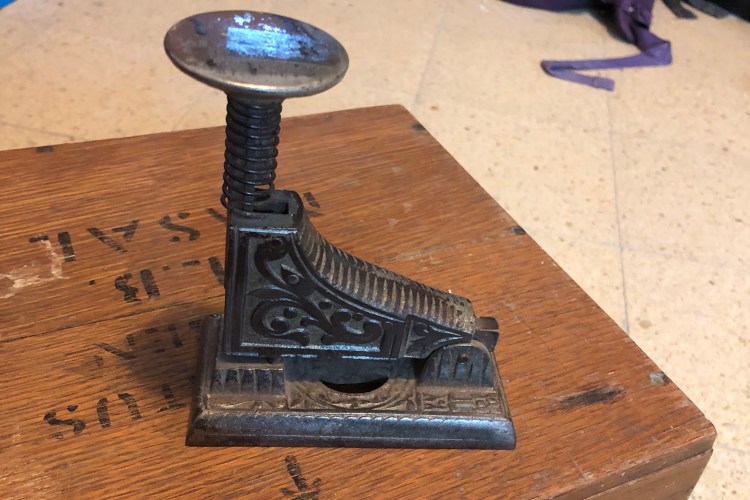
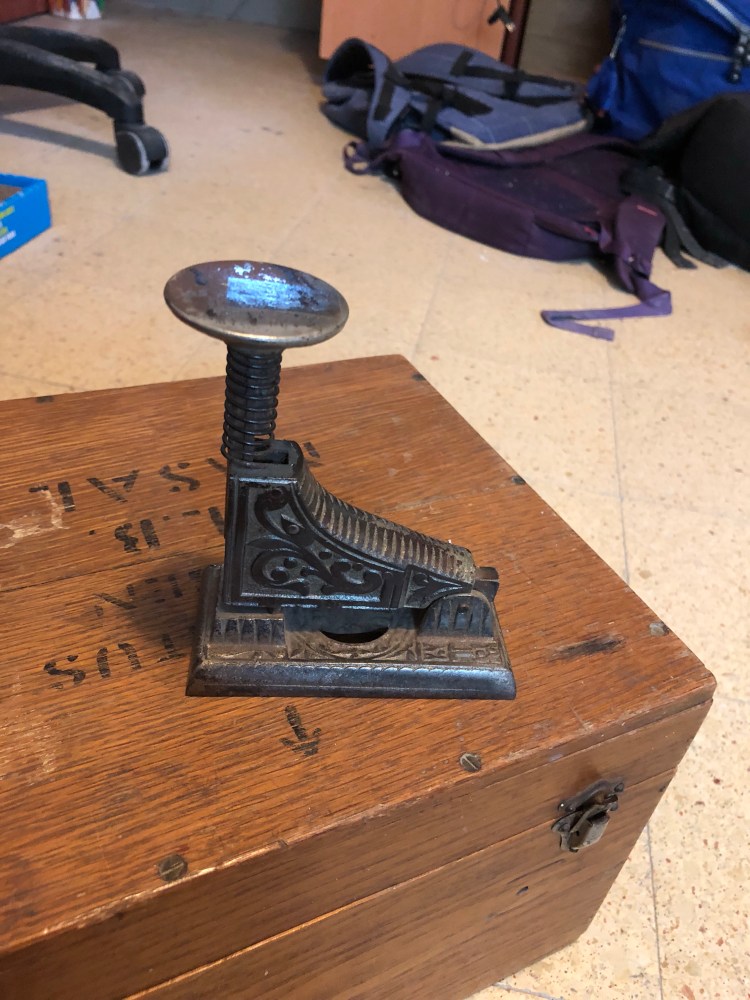
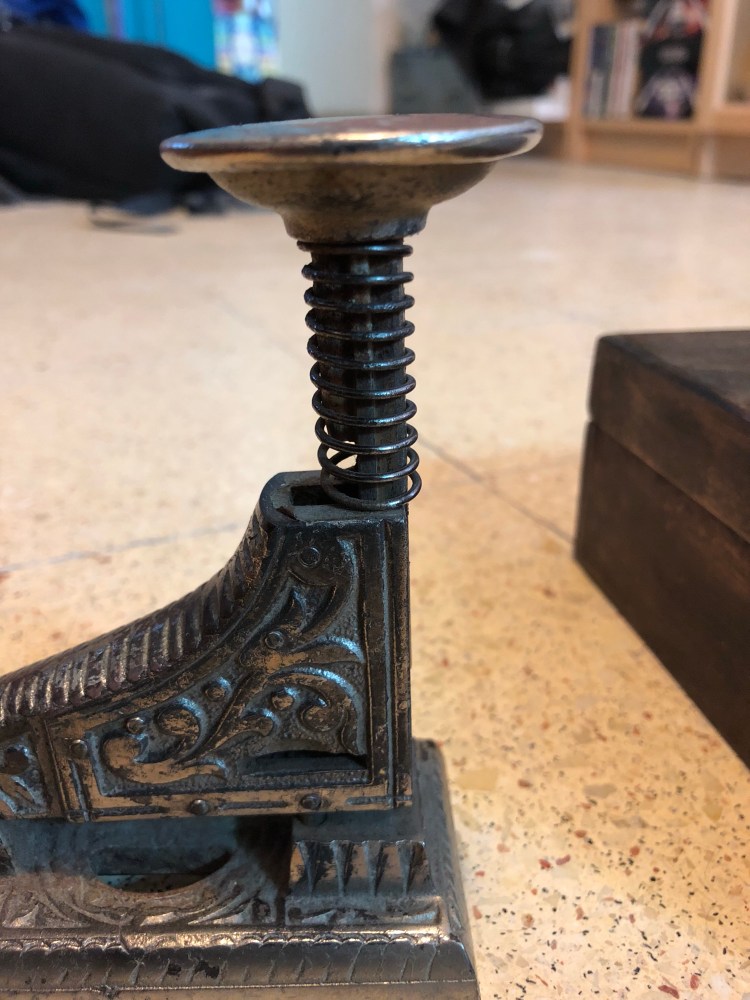
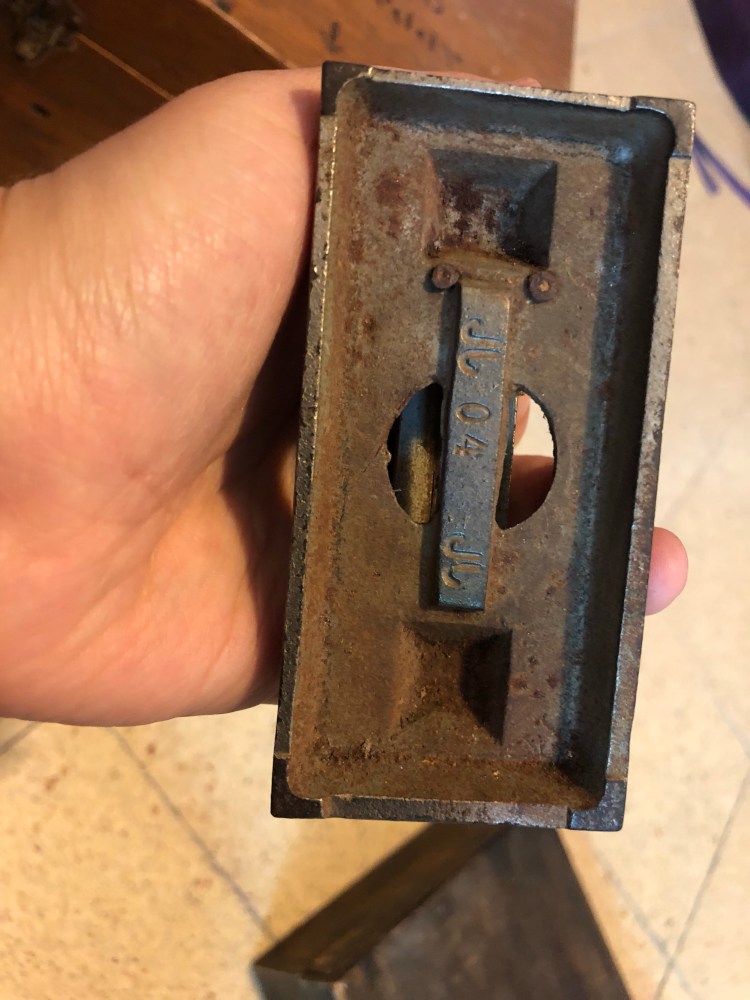
And a byzantine looking stapler, which is completely non functional (doesn’t accept modern staples), but was too wacky to leave behind:

Olive Traveler’s Notebook

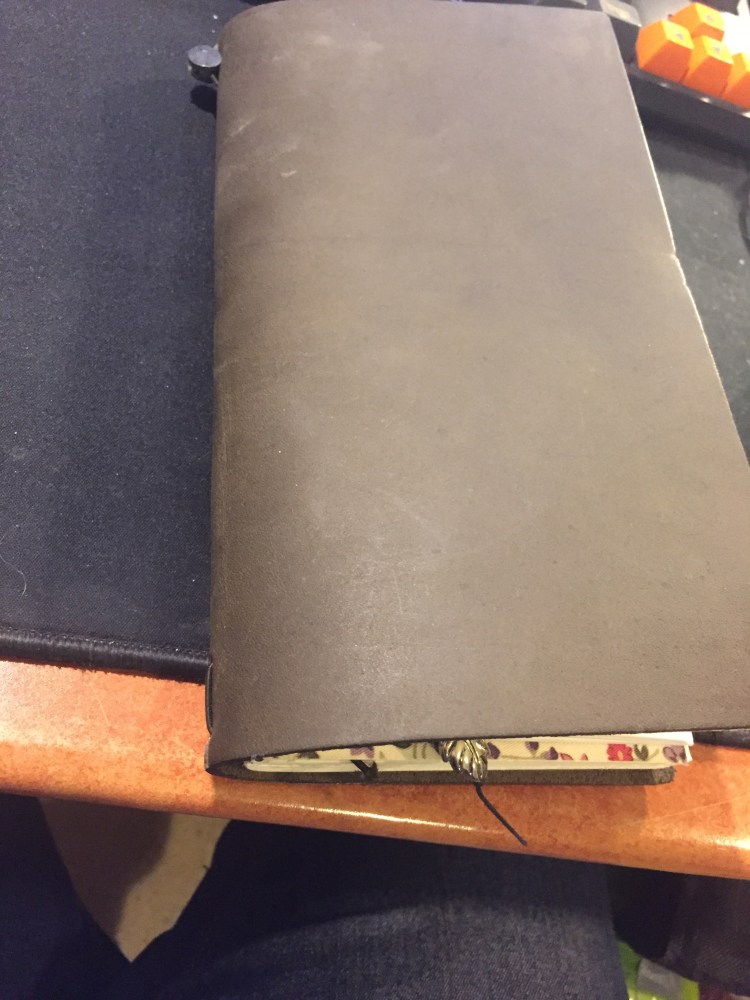
My new Traveler's Notebook arrived yesterday, the Olive limited edition, and I took some time tonight to customise it.

That's my favourite part of starting a new Traveler's Notebook – setting it up, making it my own – and the main reason I enjoy them so much. This is my fourth TN. I have a Camel limited edition from their 5 year anniversary, a black one, and a pocket one. The camel is my most used
one.
First I decorated the notebook it came with, using Windsor Newton gouache. I love ivy and the greenish tinge if the cover inspired me.

I added a leaf charm to the bookmark and slotted in another notebook — an old Midori sketchbook I had laying around.

That's it, now all that remains is to use it.

P.S. I read a review in some site that these TNs have a suede like feeling to them, but they feel like a normal TN to me.
P. P. S. These covers don't stay pristine for long (and that's their charm), so if you're precious about your things, these aren't for you.

Biweekly Routine

Routines and rituals are important, and one of the signs of a craftsperson is their care for the tools they use. This is true for any kind of maker, whether your craft is storytelling or leatherwork. Every two weeks I try to go through this routine, to make sure that the things that I use when I write are there and in order when I sit down to do my writing.

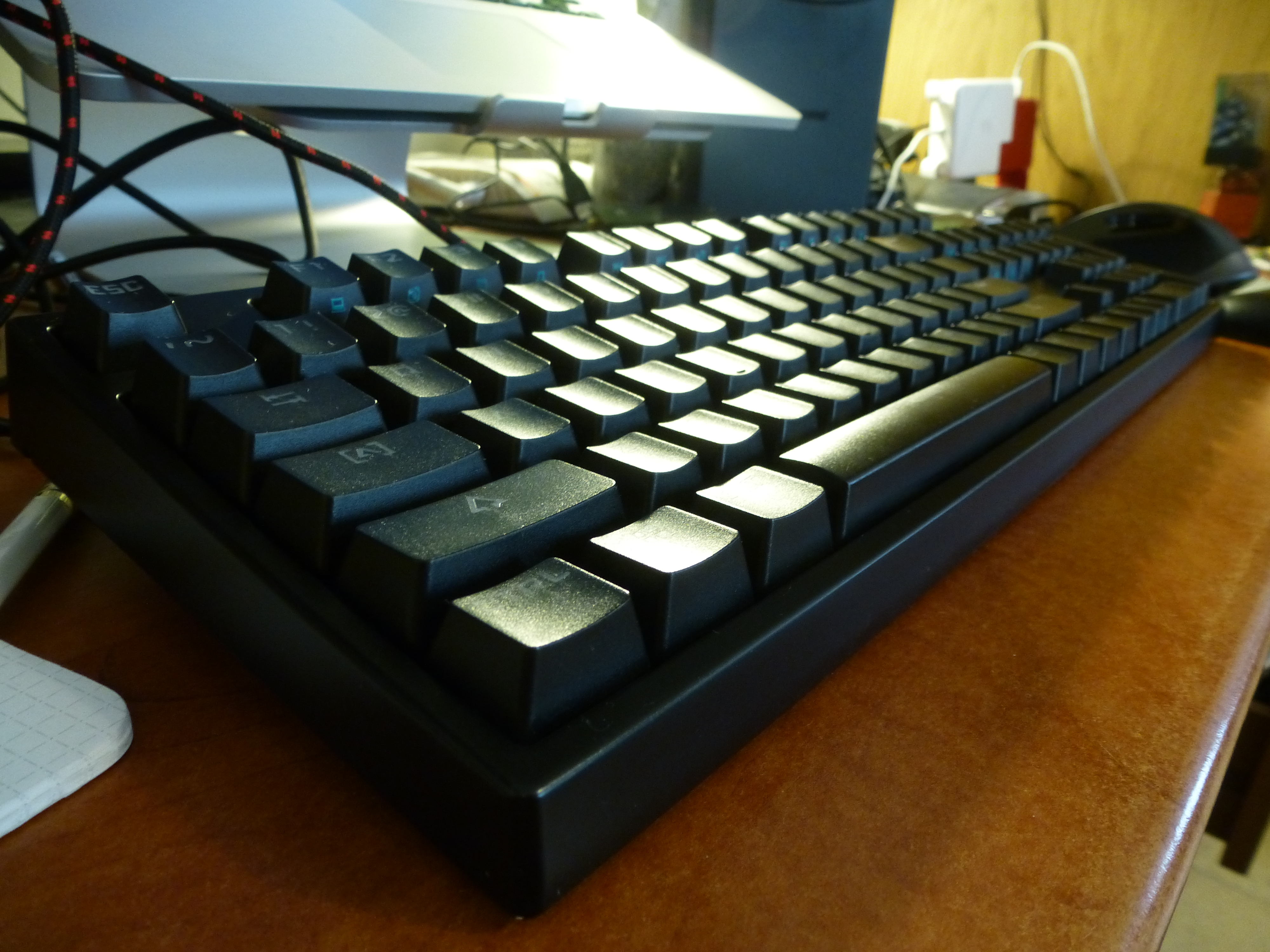
Clean keyboard

P1030059

Some computer keyboards harbour more harmful bacteria than a toilet seat, research has suggested. 

A BBC News report published the findings of a consumer group Which? on keyboard hygiene, and not surprisingly they were shocking.

Since your keyboard is one of your main, if not your main writing tool, taking 10-15 minutes every two weeks to clean it doesn’t seem excessive, yet few writers do so.

Here are the keyboard cleaning guides that I use:

PC World: How to Clean Your Keyboard – simple, informative, easy to follow advice on how to clean your keyboard.

Rispter Guide: Cleaning Keyboards – funny, and with plenty of pictures. Also, much more thorough than the PC world guide, and geared towards mechanical keyboard maintenance.

Check backups

You can read up here on how to backup your work. Once every two weeks go over your backups and check to see that everything is where you expect it to be.

Organize notes

Take a few minutes once every two weeks to go over your notes, file or throw away those that aren’t relevant anymore and make sure that you don’t have any loose notes scribbled on envelopes or post-it notes around the house.

Organize file names

If you for some reason work with Word and not with Scrivener (why?), and keep several versions of your work in different files, take a moment to make sure that your file names haven’t gotten out of hand, and you still know where everything is and what everything is. File names “My novel – old new new version 2” — I’m looking at you.

Check notebooks, pencils, pens

Check your notebooks, pencils, pens (fountain pens or not), to see what needs to be refilled soon, reinforced or replaced.

Update Scrivener project metadata

Take some time to fill in character names and short descriptions, places information, references etc. in your Scrivener project’s Characters, Places or Research folders. This information is important to keep on hand for long projects, and is especially useful to keep bundled together with your writing — mainly for search purposes (“where did I reference X character?”).