PenBBS 456 Smog RM and Pilot Iroshizuku Fuyu-Syogun

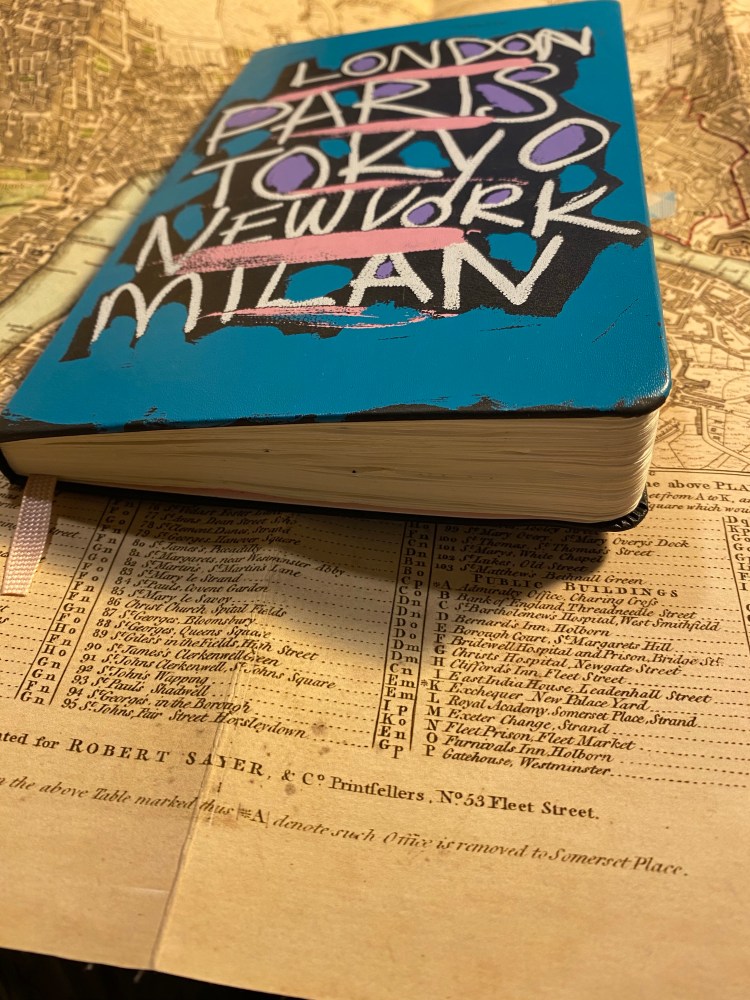
I ordered the PenBBS 456 Vacuum Filling Smog 54 RM at the same time I ordered the PenBBS 500, because I was intrigued by the filling system, and I wanted a PenBBS 500 with the Smog design but there weren’t any available. I was expecting to like the PenBBS 500 more because from the pictures it seems to have a more classic design, but the PenBBS 456 is the perfect example of how pen pictures often misleading.
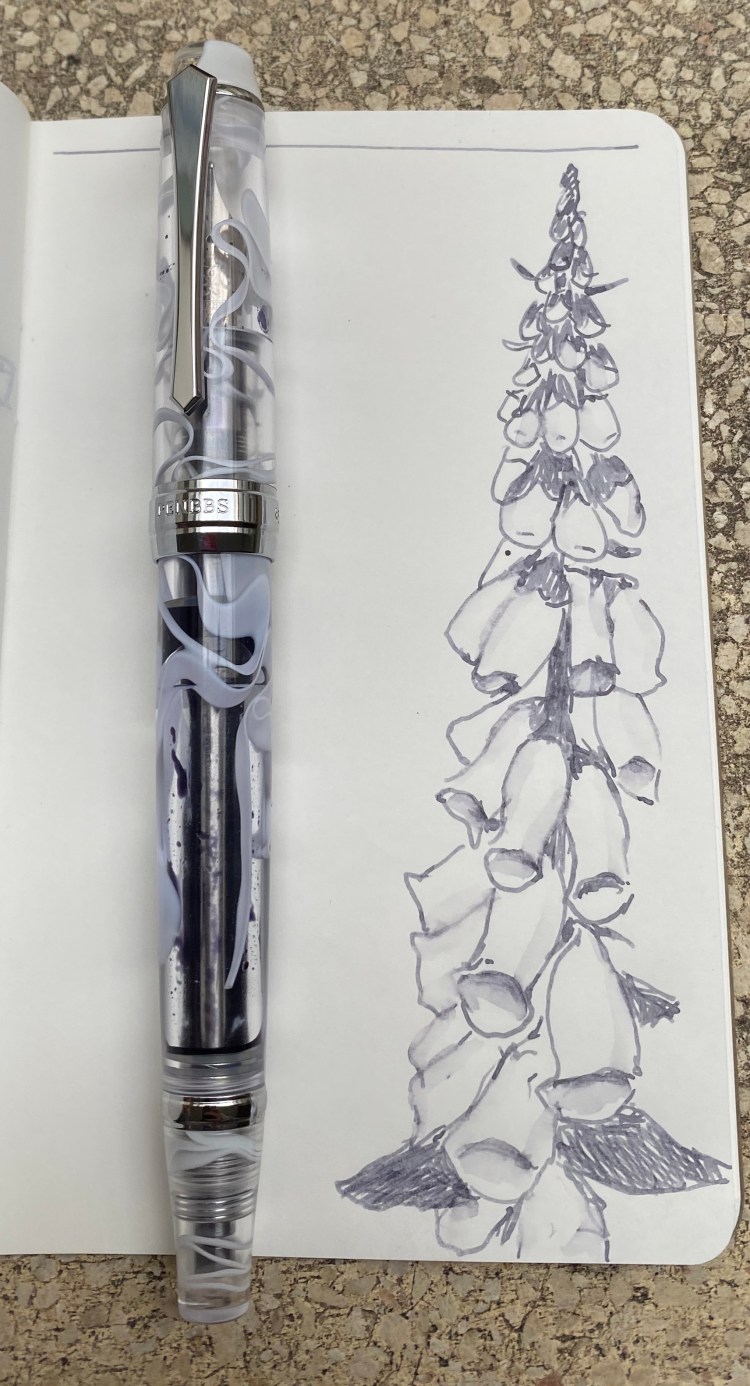
The 456 is a much sleeker pen than its chubby 500 counterpart. There’s also significantly less hardware on the 456, which makes it both lighter and better looking. Massive chrome details on fountain pens just seem to cheaper their look in my eyes. If the cap band had been about half the size then the 456’s design would be better, but as it is it’s not a pen that I’d be ashamed to carry, and it looks more expensive than it actually is.

The steel nib on this is a medium, and it writes at about a 0.7mm line, as described. The nib design itself is elegant and clever, with a calligraphy “M” designating its width. The nib itself is smooth with some feedback, and has little or no give.
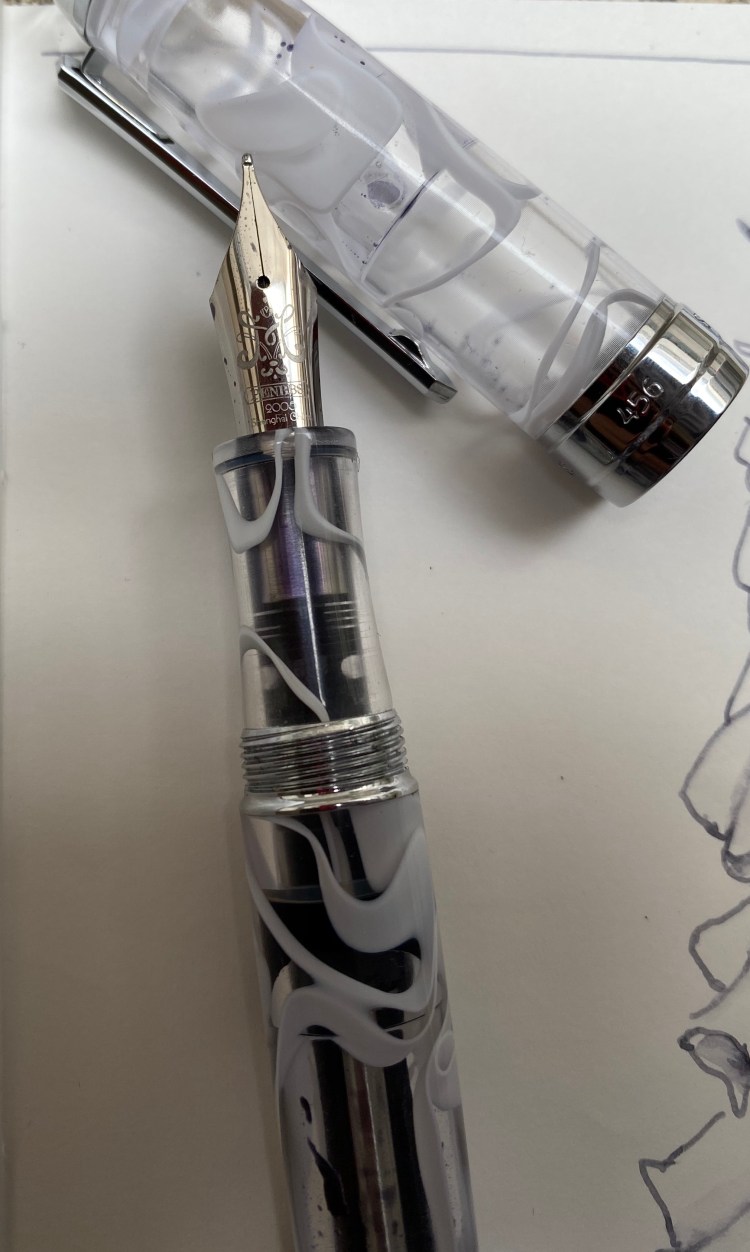
I purposefully filled this pen only about a third of the way up once I realized what a massive ink capacity it has. The filling mechanism is somewhat elaborate, like all vacuum fillers, but it works, and unlike the end-cap on the PenBBS 500, the PenBBS 456’s end-cap doesn’t twist off unintentionally.

The smog material is really beautiful, and it’s a way to get some of that Visconti vacuum-filler, London Fog feel without breaking the bank. This pen proves that you don’t have to pay hundreds and hundreds of dollars to have a nice pen that you enjoy writing with.
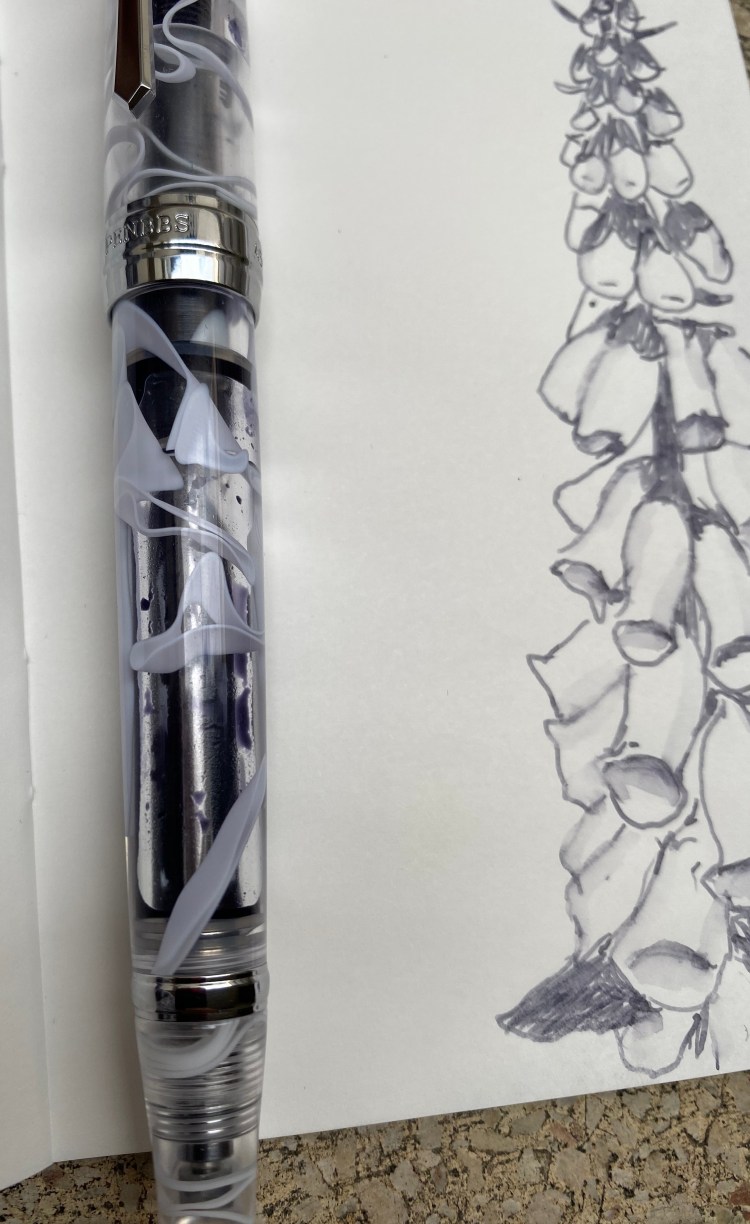
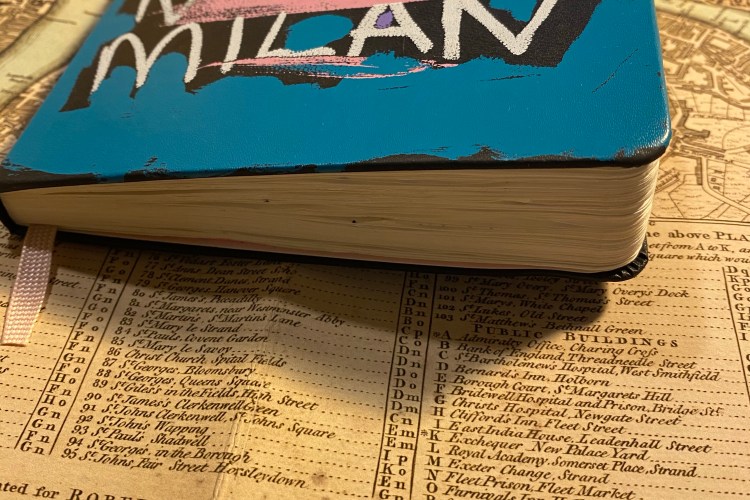
Some more closeups on the overly large cap band (if only it had ended on the line below the “Shanghai”) and the lovely smog material. You can also see the filling mechanism clearly:
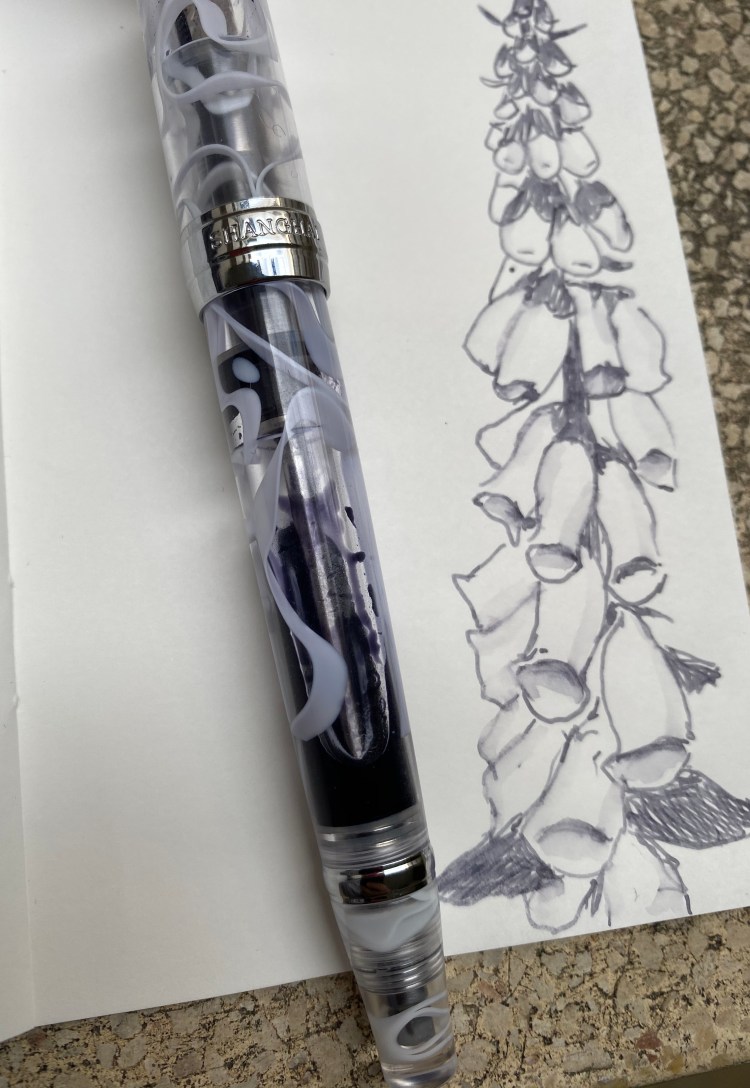
The material looks even better when the pen is filled up with ink, but I just wasn’t willing to dump out so much ink, and I knew that I would be forced to do that if I topped the pen up:

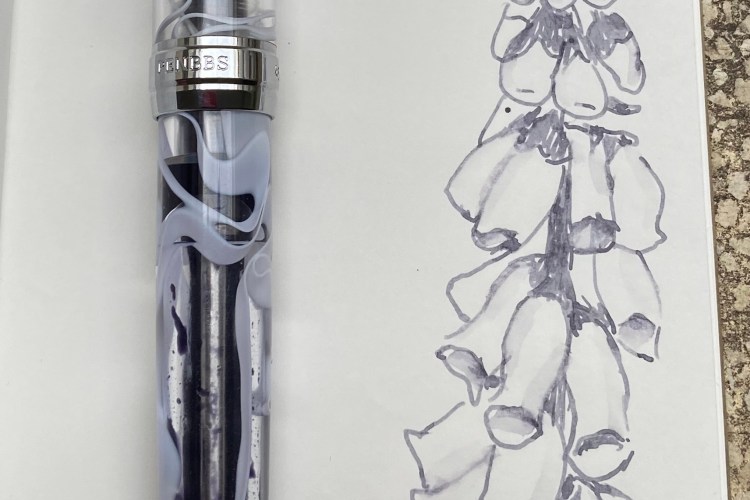
Pilot Iroshizuku Fuyu Syogun was one of the first Pilot Iroshizuku inks that I splurged on. It shades beautifully, and is a lovely cool (i.e. bluish) grey that is utterly not waterproof, and so can be “stretched” and reworked as you can see in the small sketch that I did:

This was drawn on Tomoe River paper, but you’ll see shading on Rhodia and Clairefontaine paper as well. Of all the grey inks I own, this one is still my favourite. It’s dark enough to be readable (and appropriate for office use), and offers a lot of interest and drawing potential with its shading.

Like all pens that aren’t cartridge converters, cleaning this pen out will take a bit of effort, and vacuum filling pens are more difficult to clean out than piston fillers or lever fillers (only button fillers are worse IMHO). It just means that you’ll need to have patience when filling and cleaning this pen out, and that you probably shouldn’t put shimmering inks or inks that are difficult to clean out (or stain the pen body) in a pen like this. Then again, the pen costs $32, so if worst comes to worst, you haven’t ruined an expensive pen.

I wish that PenBBS would pick a naming convention that is easier to remember than the one it is currently using. But other than that and the not great cap band, for double the price the PenBBS would still be a great buy.

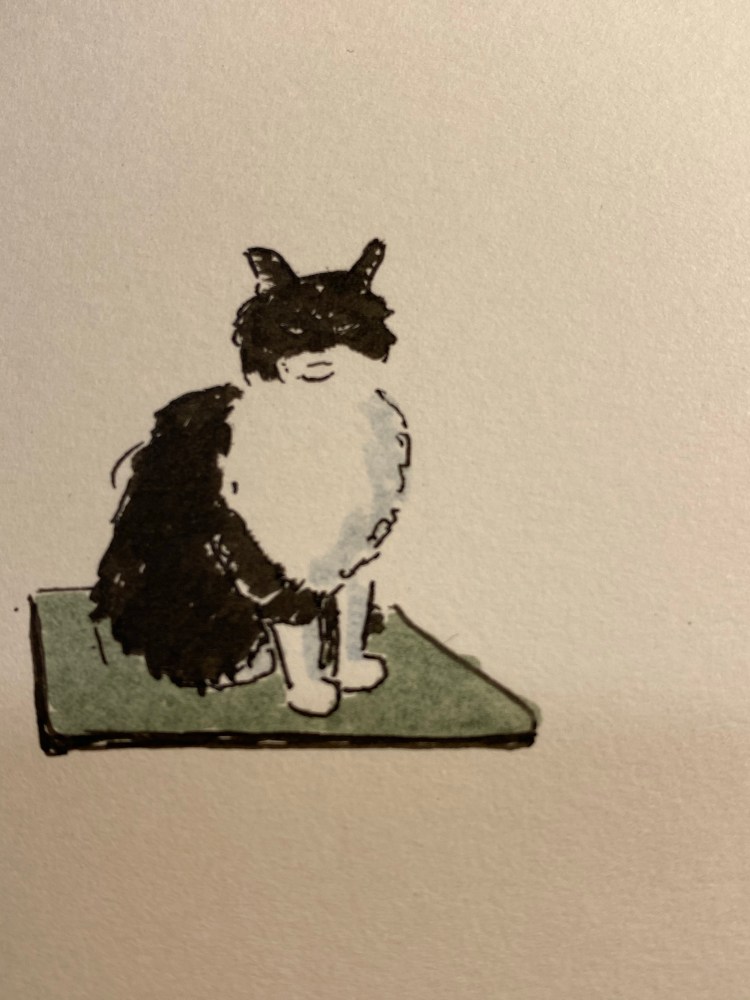
Happy Passover!

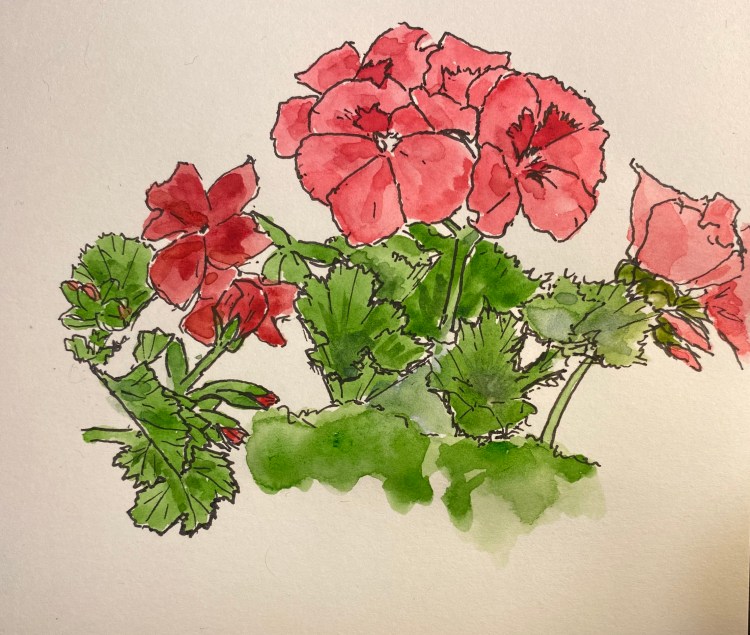
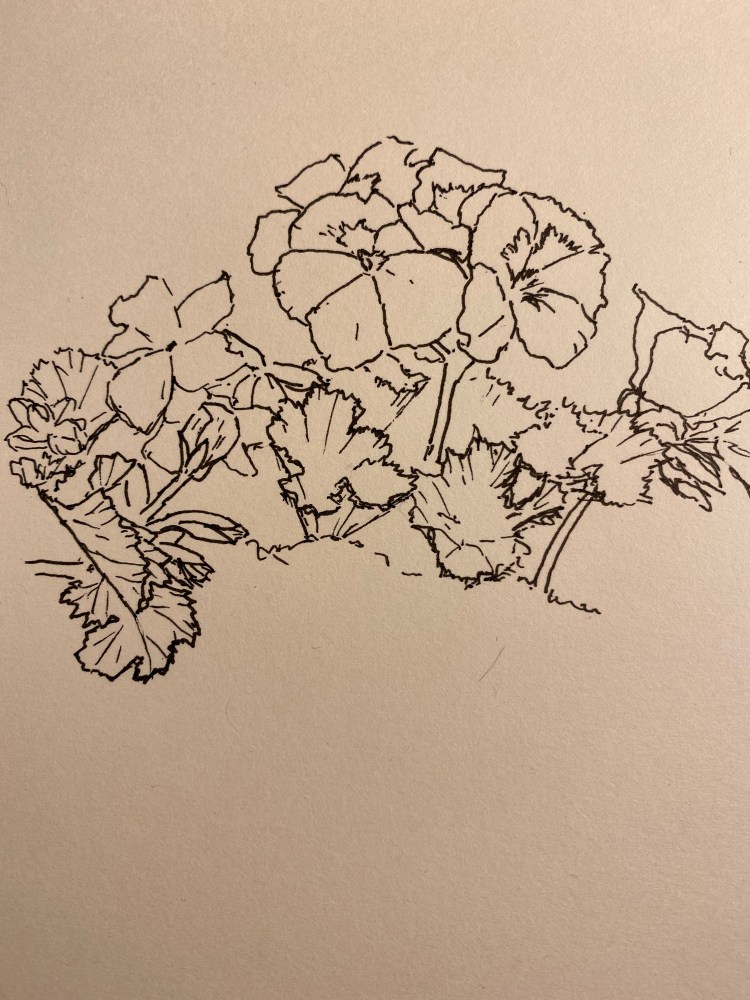
It’s a weird one, but the flowers are still blooming and there’s still hope in the world. Try to stay happy and healthy, even if it means staying away from your family this holiday (as I am).

Here’s the drawing before I applied watercolour to it. Feel free to print it out for your personal use, and colour it yourself.

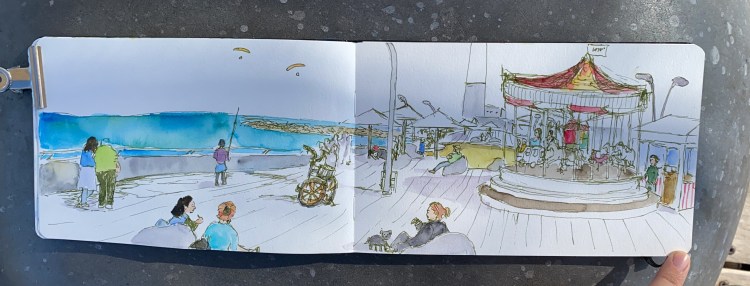
Tel Aviv Port: Memories of Better Days

I drew this during an Urban Sketchers sketchwalk to the Tel Aviv port, but I never posted it online because life got in the way.

Here’s hoping better days return soon.

PenBBS 500 Summer and Sailor Sky High

After a long wait my PenBBS 500 Summer finally arrived earlier last month. The PenBBS 500 is a piston filler with a new and rather elaborate filling mechanism for the shockingly low price of $29.99. At that price it can’t be very good, right?

This pen is about the size and thickness of a Pelikan M800, but it’s much heavier than the M800.

While the PenBBS 500 is far from a perfect pen, it is much better than the price tag would have you believe. It’s a heavy pen, made with beautiful acrylic that is both partly translucent and chatoyant, with swirls in pearlescent white, turquoise and royal blue.

There is a lot of branding on this pen, which accounts for some of the choices to slap a lot of chrome on it. You can see the piston spring through the pen body. The “summer” acrylic is beautiful.

The hardware isn’t to my tasting, as there’s too much of it, and it ends up cheapening the pen’s look. The finial has a nice art deco look to it, but when it comes to its functional design it could use some improvement. To fill the pen you twist the small circle in the centre of the finial until it pops out and you can access the spring/piston mechanism to fill the pen. It’s not very convenient to twist open on the one hand, and on the other hand if you’re not careful you can accidentally twist it open while carrying it.

The pen body is stepped down towards the end, maybe so you can cap it? But who caps fountain pens, and why on earth would you want to do that with such a heavy cap?

I like the clip design, but the cap band and the top of the cap hardware are much too pronounce for my taste, and they add a weight to the pen. The pen itself is top heavy, but not the point where it’s uncomfortable or awkward to write with.

I’m not a fan of that big glob of chrome at the end. 

As the ink colour partially shows through this pen, I decided to use Sailor Sky High in it. I’ve had a bottle laying around since the days when Sailor discontinued it and I rushed out to buy some. That was a silly move, but in those days I didn’t know any better. There’s always going to be another ink, people. No point in chasing the discontinued ones only to have the reissued in a few years, or to discover that another brand as the same hue for a fraction of the price.

Sailor’s inks are fun to draw with, particularly with a water brush, as they are utterly non-waterproof, and yet remain true to colour when wet. As I’m staying at home I drew my “nasturtiums,” which I just learned were called Tropaeolums and come from South America originally. They are very easy to grow from seed and offer a lot of interest even when not in flower.

This PenBBS 500 Summer has a fine nib, which skews slightly wider than Japanese fine nibs, and closer to European ones. Sailor Sky High shades enough for it to show with this nib size, and on Tomoe River paper the shading is more pronounced and a red sheen appears.

Sailor Sky High on Canson paper.

On Tomoe River paper wherever the ink pools, there’s a red sheen, but if you write fast enough, you won’t see it, and the ink will skew lighter:

Sailor Sky High on Tomoe River paper.

The red sheen slightly appears on Rhodia and Canson paper, but not as much as on Tomoe River paper.

So, would I recommend the PenBBS 500 as a first piston filler for a newcomer to fountain pens? Probably not. It’s too finicky for that. But at such a low price and with such a good, workhorse nib this is the perfect pen for artists and users that want to experiment with various finicky or troublesome inks. Like the TWSBI GO, this is a pen that’s fun to use and your heart won’t break if you accidentally ruin it.

Journaling: The Last Page

A handwritten journal is an artifact in a way that an app can never be. It’s tactile, endlessly flexible, there to be used and customized in every way possible. Tear out pages, glue stuff in, doodle, scribble, sketch and write whatever you wish however you wish. There’s no autocorrect, nothing editing or censuring your words. Analogue journalling is about freedom, flow and pure creativity.

This is my last day journaling in this journal, and tomorrow I’ll write up the last page and start a new one for the thoughts of that day.

Every time I finish a journal, I use the last two pages to summarize what that journal contains and means to me. Analogue journals are fantastic, but they do make searching for old entries a bit of a chore. Luckily I don’t find myself looking for an old entry that often, and if I do the last two pages help me narrow it down to the specific journal, and the dates and titles to the specific entry.

I also like taking the last few pages as a chance to reflect on the time the journal covers and how things have changed (and I have changed) as the time has gone by. There’s usually about three months in each journal, sometimes more, so that’s a good chuck of time to look back on: short enough to make it simple to summarize and contextualize, and yet long enough to have some impact and meaning. This journal contains two trips abroad, my decision to move into a new career path, and a pandemic that wrecked havoc on everyone I know (including me, of course). That’s quite a lot, even for a journal that covers a relatively long span of time (almost 6 months).

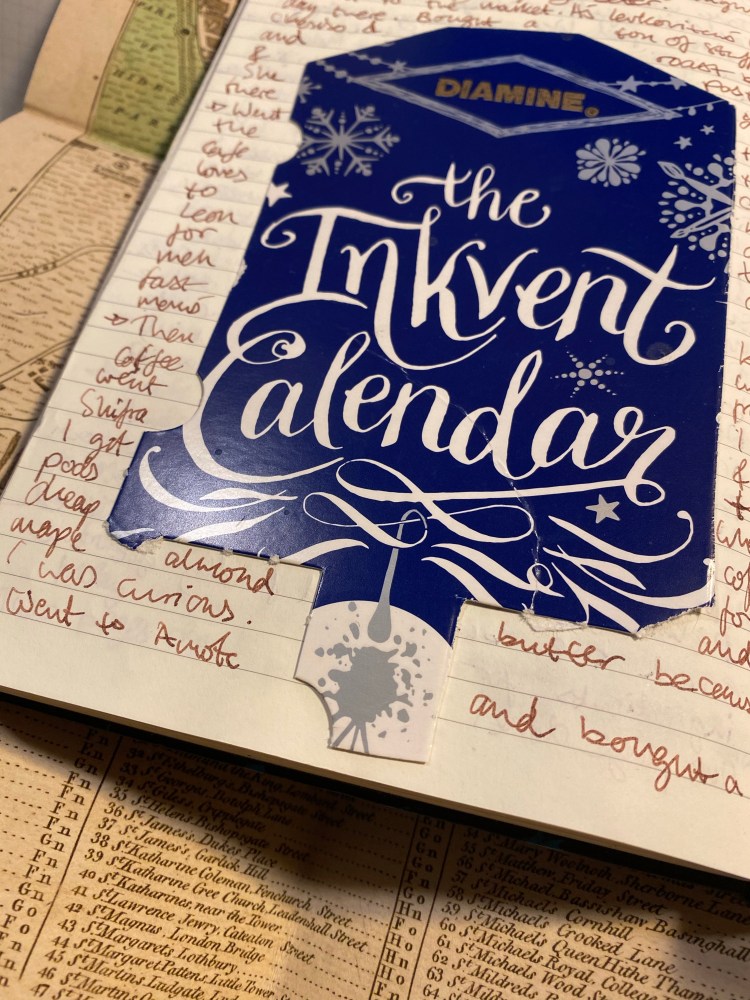
It’s also full of bits and pieces that I stuck in, to make the page come to life. So here’s part of the Diamine Inkvent packaging that I glued in after I opened the last window and before I tossed out the box:

I just ripped out a panel that I liked. This journal is for me, not Instagram, and it can be as messy as I need it to be.

Cool clothing tags also sometimes make it in, especially if it’s from a piece of clothing that I really like:

This tag came of one of my favourite sweatshirts.

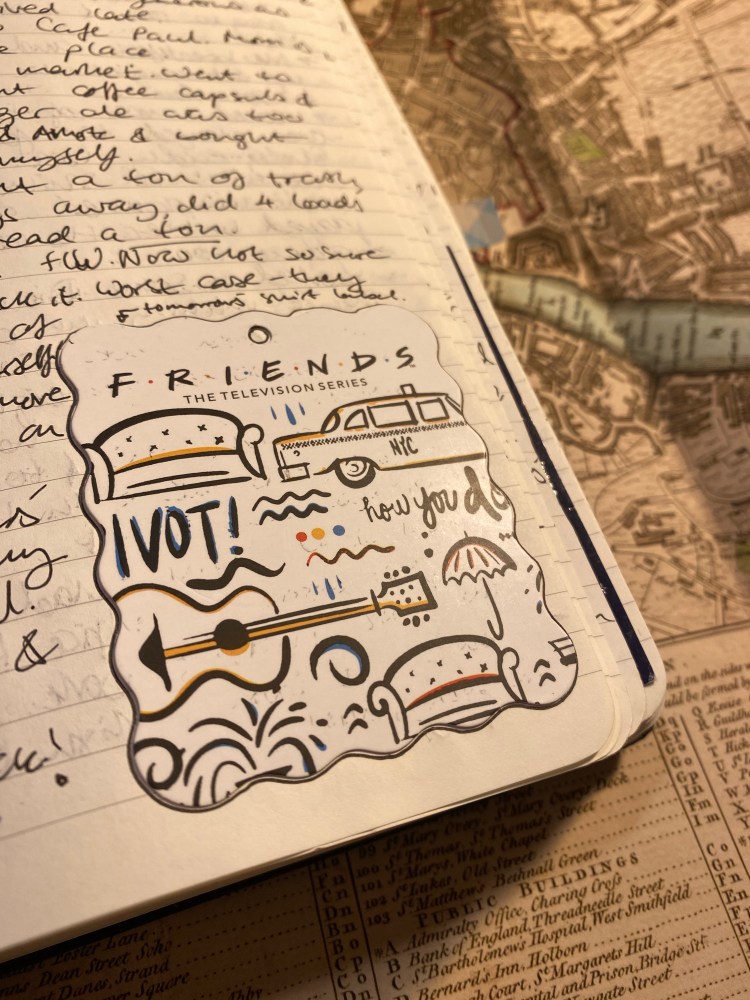
I got a lot of Star Wars themedvinyl stickers as a gift near the end of last year and a lot of them ended in my journal:

Even the silliest of things can be used to brighten up a page:

See that bleedthrough? It’s fountain pen bleedthrough. I don’t give a damn. If I wanted to write with a Sharpie in here, I’d write with a Sharpie. Use what makes you feel good.

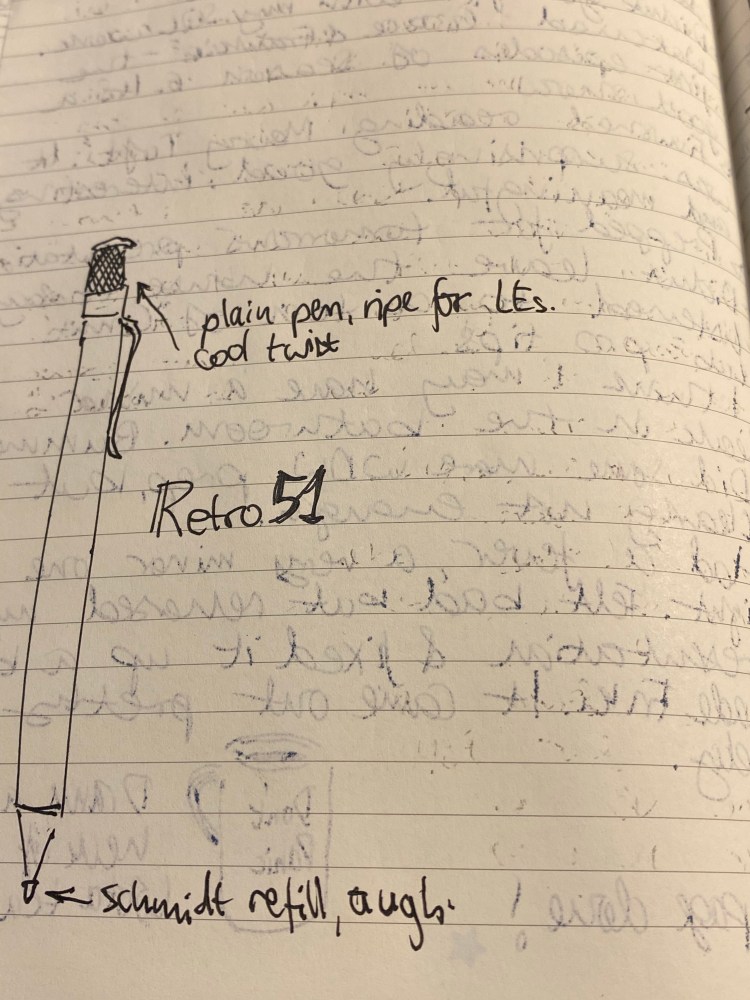
There are little drawings and illustrations everywhere:

Messy, messy handwriting. 

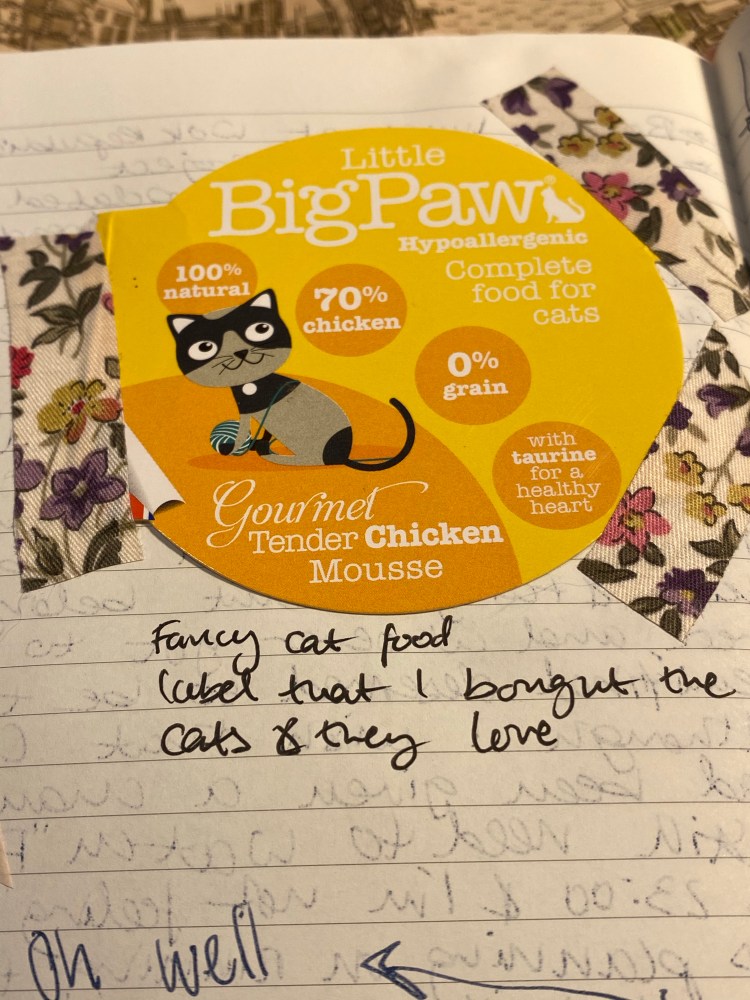
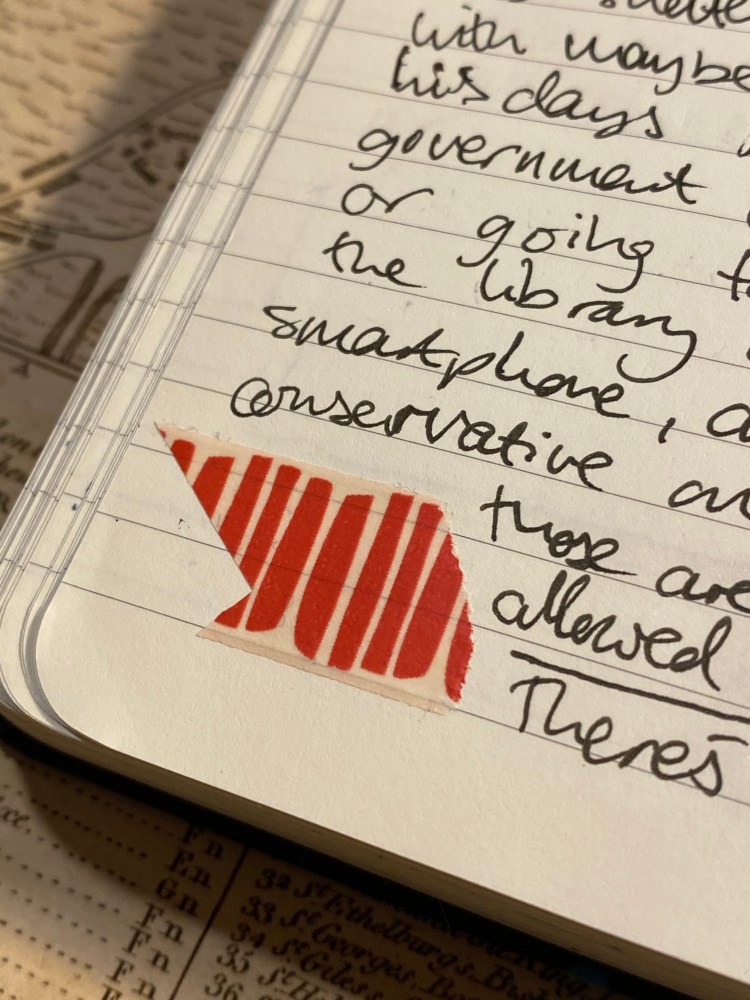
And bits and pieces of washi tape that were leftover from other projects:

The point is, tomorrow I finish another journal, a small analogue memory artifact that is entirely mine. I created it for me and me only, and it was worth every minute I put into it.

If there’s one habit that you can pick up during your time at home these days, pick journaling. You’ll end up getting quite a treasure in the end, and I’d be truly surprised if you won’t enjoy the process.

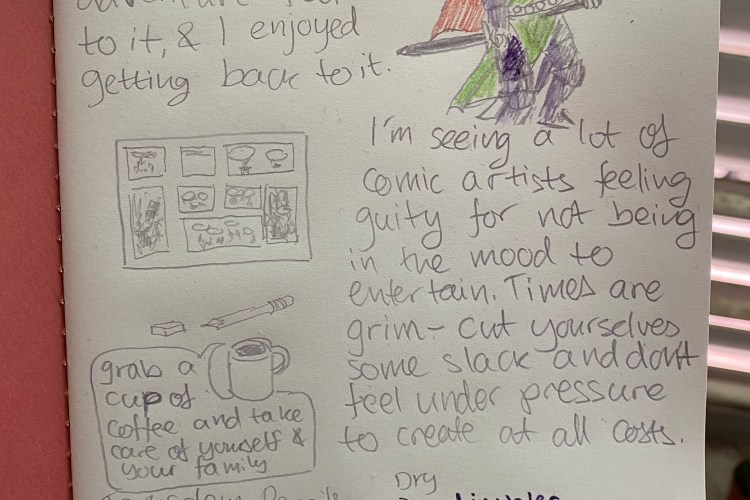
Jerusalem Pencils “Park Avenue” Copy Pencil

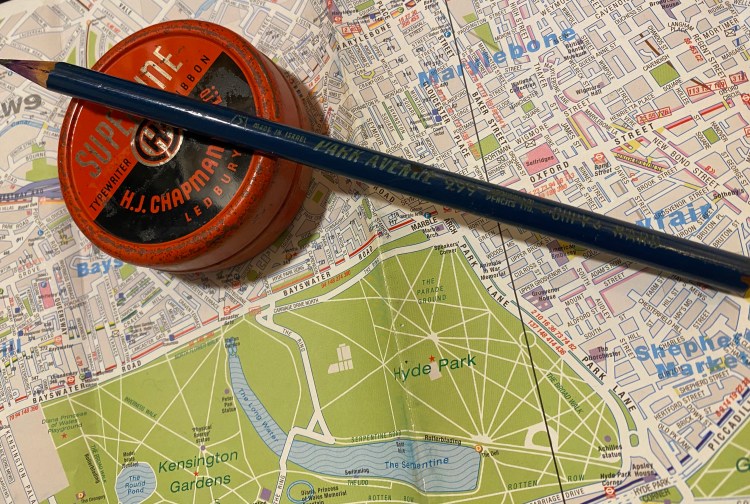
Vintage copy pencils are magic (albeit oftentimes poisonous magic). You take an ordinary looking and behaving pencil and dip it in water and purple, turquoise or blue ink comes out. The Sanford NoBlot is probably the most well known pencil in this category but there were dozens of others made by various pencil companies. The Israeli pencil manufacturer “Jerusalem Pencils” had a copy pencil by the worldly and sophisticated name of “Park Avenue” (very Israel in the ’70s and 80’s). Of the local vintage pencils available in Israel it’s not the easiest pencil to find, although it’s also not the hardest.

Not the prettiest pencil, but not too shabby.

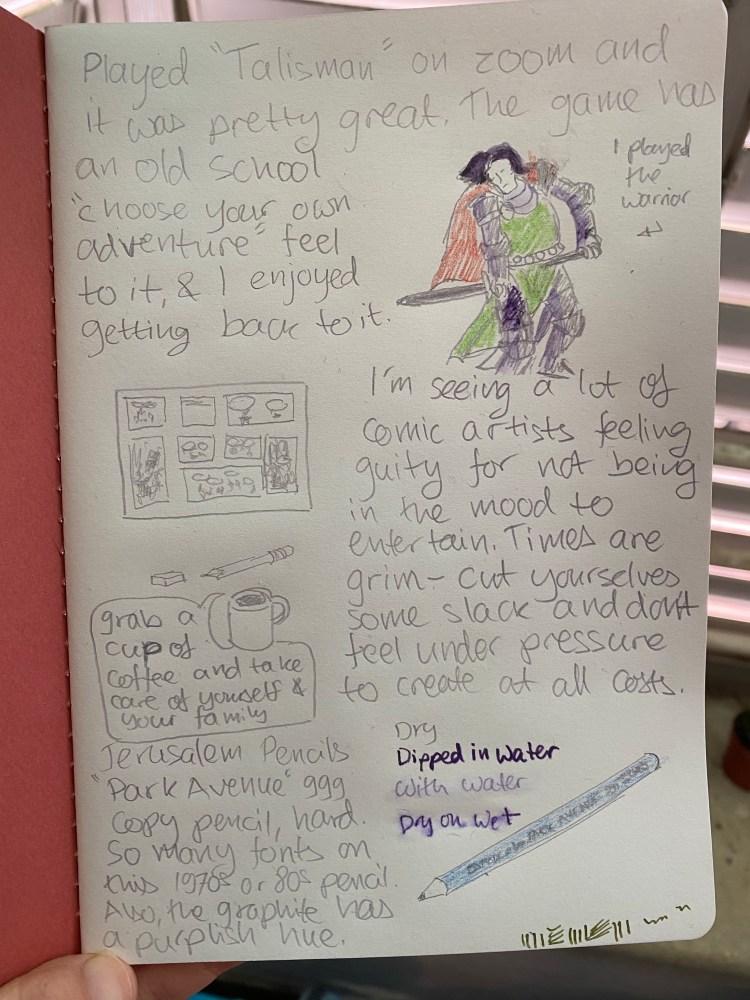
When dry the Park Avenue writes like an F grade pencil, with a bit of a purplish hue. It’s not as hard and light as an H grade pencil, yet it is lighter and harder than an HB. It erases well when dry, and doesn’t smudge.

When wet the pencil lines turn purple, and so much more bold. You can either dip the pencil tip in water, write dry on wet, or for more gentle effects use a wet brush over the dry lines. Just don’t be tempted to lick the pencil tip or chew on it, as there’s a good chance that the lead is poisonous.

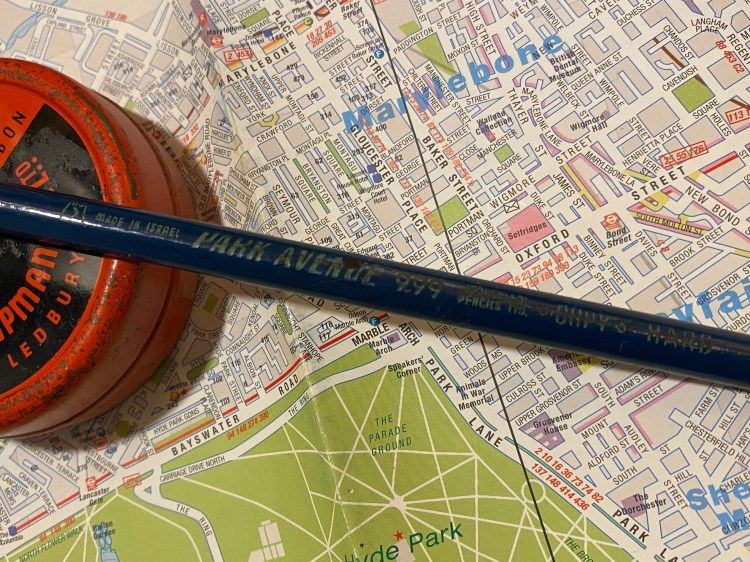
The Park Avenue is a deep royal blue pencil with a yellow imprint on it. Apart from the Jerusalem Pencils logo and the 999, I counted four different fonts printed on the barrel of what was meant to be a utilitarian office workhorse. This is in line with many vintage pencils, and this over-design, pride and attention to detail is why I like them so much.

The imprint is worn off but you can still see all the fonts.

Retro 51 System and Uni-ball Jetstream SXR-600 Review

The Retro 51 System is what piqued my interest in Retro’s Tornado rollerballs again. It is such a handsome, well designed pen.  There are surprisingly few black Retro 51 limited/open numbered editions, which is in some ways not surprising. The company’s aesthetic leans towards the colourful or the metallic, not so much the “dark/stealth/tactical” side of the pen world.

A handsome, handsome pen.

I haven’t reviewed the Retro 51 System so far because it was such a huge hit when it came out, there were half a dozen reviews of it practically from day one. What did I have to add to the conversation? Plus, there was some confusion after the first 300 pens ran out and Mike Dudek put up another 300 pens for sale: people thought it was a very small limited edition, while it was always sold as a numbered, open edition. I didn’t want to take part in the drama, and I think that this pen is iconic enough to warrant discussion outside the hardcore Retro 51 collectors’ circles. Dudek and Retro 51 took a concept that could have been a “Smithsonian gift shop pen” idea, and turned it into a little work of art.

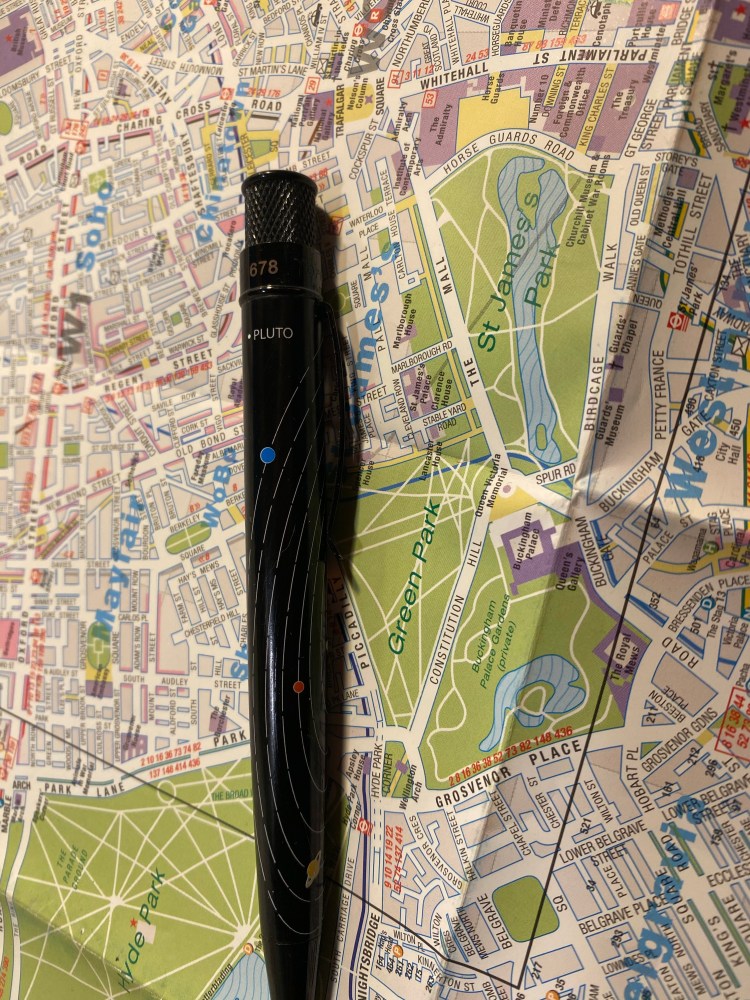
Pluto is on there, and you can see some of the “dark matter” streaks that Dudek designed into the pen.

The Retro 51 System isn’t cheesy, though it certainly could have been. Retro do design cheesy pens at times (its part of their design aesthetic), and the solar system has been over-productized for the past 50 years. Yet there’s something about the care put into creating this pen, from the choice to put Pluto on the map but to the side, to the choice to leave the texture to the “dark matter” stripes and let the planet designs speak for themselves, that makes it a utilitarian work of art. This pen was clearly designed be people who love everything about space and the solar system, and also everything about pens. It doesn’t glow in the dark, because it doesn’t need to. It has a classic, classy look that will also wear well with time.

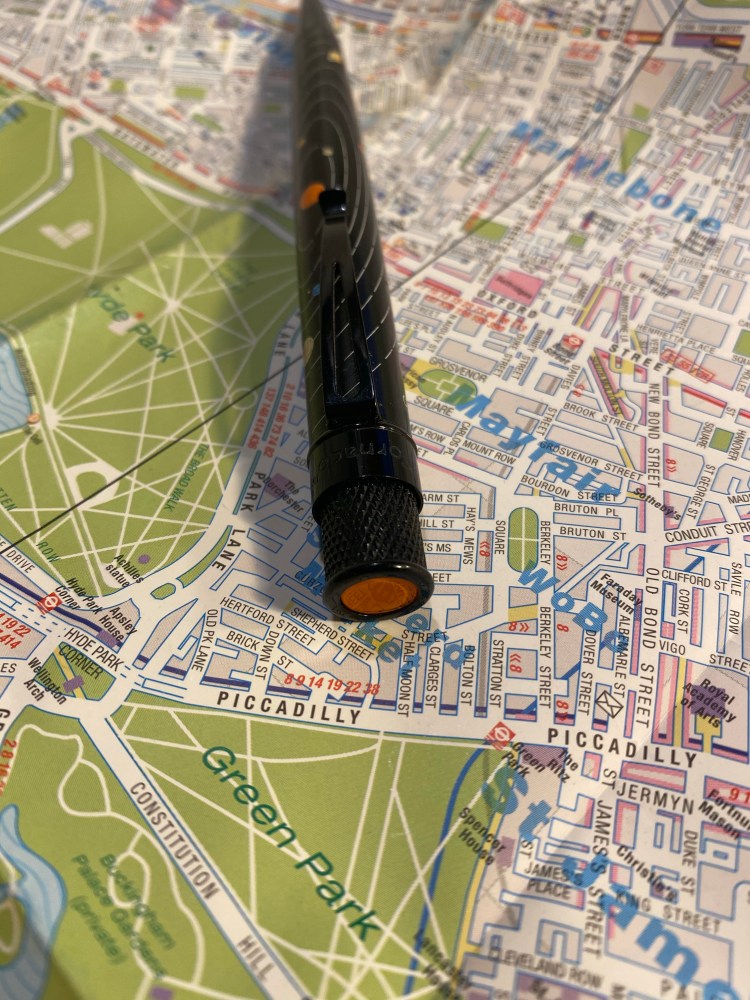
One of the favourite things about this pen is the finial/top disc: it’s clear orange, a representation of the sun. It glows bright against the black background of this pen’s hardware, and really makes the pen pop – to whoever is writing with it.

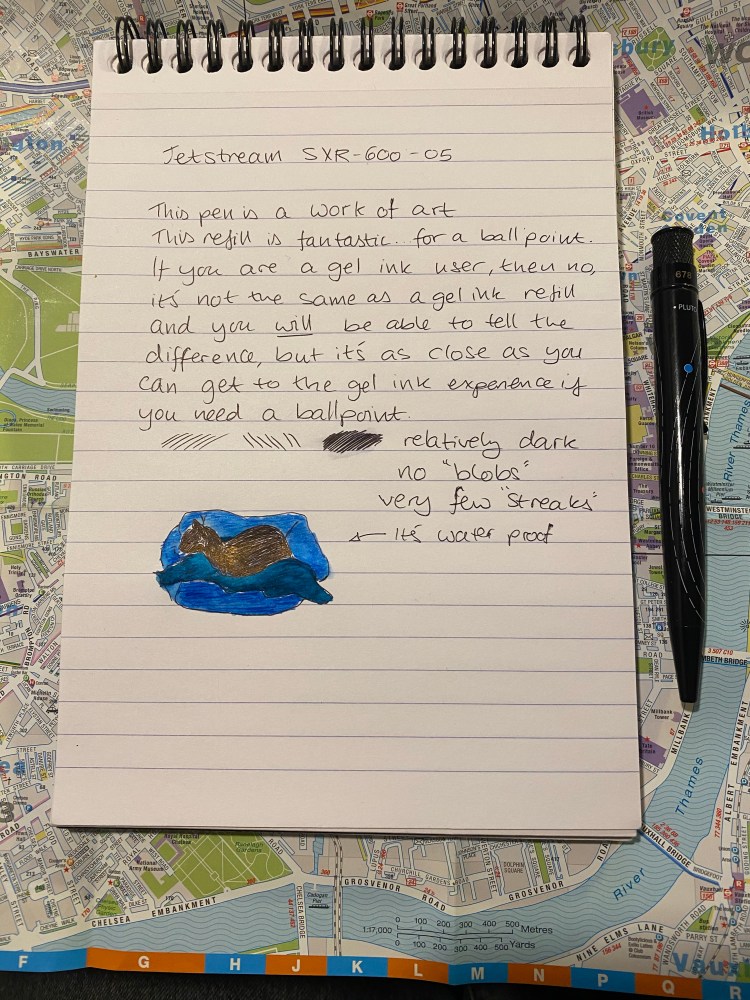
Around the time I got this pen the Uni-ball Jetstream SXR-600 (Parker style) refill started appearing on the market. I was looking for a replacement to the Schmidt refill, and I had yet to meet my favourite Ohto Flash Dry refill, so a Uni-ball refill that made Brad Dowdy happy seemed like a good one to try. The Uni-ball SXR Jetstream SXR-600 in 0.5 is a Jetstream hybrid gel-ballpoint refill, one that lays very thin, neat, relatively dark lines. It’s probably the best ballpoint refill that you can get these days, and it is waterproof, fade proof and resistant to all kinds of fraud. It is not, however, fully a gel ink refill, nor does it remotely feel one, despite what the marketing says. It’s a best-in-class ballpoint refill, which most people will want to buy in 0.7 I think, as the 0.5 refill lays down a really fine line. If you’re looking for a replacement refill for Retro 51s, something that’s less messy and lays down a clean, fine line, the Uni-ball Jetream SXR-600 is probably the pen for you.

Pilot Vanishing Point Matte Black and Colorverse Selectron Review

There’s something about black fountain pens and black ink that make them popular beyond what common sense would dictate. The blacker they are the more popular they are, especially if you add the word “stealth” somewhere in their name or the copy. Apparently everyone wants to be a ninja.

There’s so little nib and so much nib creep that investing in a black coated nib unit for this VP seems pointless to me.

Colorverse Selectron is a pigmented ink that I obtained as part of the Electron/Selectron Multiverse box. Colorverse have lately started to sell some of these paired inks as individual bottles, and so if orange isn’t your thing (Electron is orange, don’t ask me why) you may be able to obtain just Selectron soon enough.

I bought this Matte Black Vanishing Point from Goulet Pens in 2013 I think, but it hasn’t seen much use in recent years. As part of my move to both use my fountain pens more and see if there are any that I might want to part with I dusted this one off and filled it with an “appropriately” coloured ink.

Is this not a handsome pen? Yes it is. Just don’t look too close.

I’ve written about Colorverse Selectron before as part of other reviews. I initially thought that it would be a perfect drawing ink, as it’s pigmented and fountain pen friendly I was hoping that it was also waterproof. As you’ll see later on, it is not.

In terms of the ink itself, there’s nothing remarkable about it. It’s a solid black with some sheen when layered and no variation, which is what you usually want from a black ink.

Ugh! You looked too close and now you can see where the coating has rubbed off! 😦

The Matte Black Pilot Vanishing Point is a VP like all VPs: a pen with a great nib, a body design that you either love or can’t use (depending on how you grip your pen) and a solid click mechanism. It still has a converter that holds about a drop and a half of ink and is annoying to fill, and it still suffers from nib creep.

The novelty here is in the matte finish, which is both very nice and not very durable. I hardly used this pen and already the coating is becoming glossy where I usually grip it. It’s a shame because the coating feels great and looks great when it’s unblemished, as in the body of the pen:

Pretty, pretty matte coating.

Like some other pigmented inks, the Colorverse Selectron is Moleksine friendly: there’s no feathering, spreading and bleed-through with fine/medium nibs (show through is going to be there no matter what). It’s also a fun ink to draw with:

I started watching “The Mandalorian” and I love it, can you tell?

And here are the results of the waterproof test:

Look at this mess… Not at all waterproof. You’ll be able to read your notes after a spill though. 

Matte coated pens are difficult to do well, and Pilot haven’t done a stellar job with this Vanishing Point. Black fountain pen inks are a dime a dozen, and Colorverse haven’t done much beyond packaging and copy to create one that stands out. If I could have tested these in person they would have probably both remained on their respective shelves, but the online hype of the time swept me away. I’m much more wary of it and FOMO in general over the past two years.

Invest in things that will stand out and stand the test of time. And take care of yourselves (and your pens) in these troubling days.