Leuchtturm1917 Sketchbook Review

Leuchtturm1917 entered the busy sketchbook market about a year or two ago, with a lineup of A6, A5 and A4 sketchbooks with white 180 gsm paper.

The covers of the Leuchtturm1917 sketchbooks come in a wide variety of colours, which is a rarity in this market. Usually you find sketchbooks in black, or maybe one or two other colours, but Leuchtturm has decided to offer these in all the colour options available in their regular lineup.

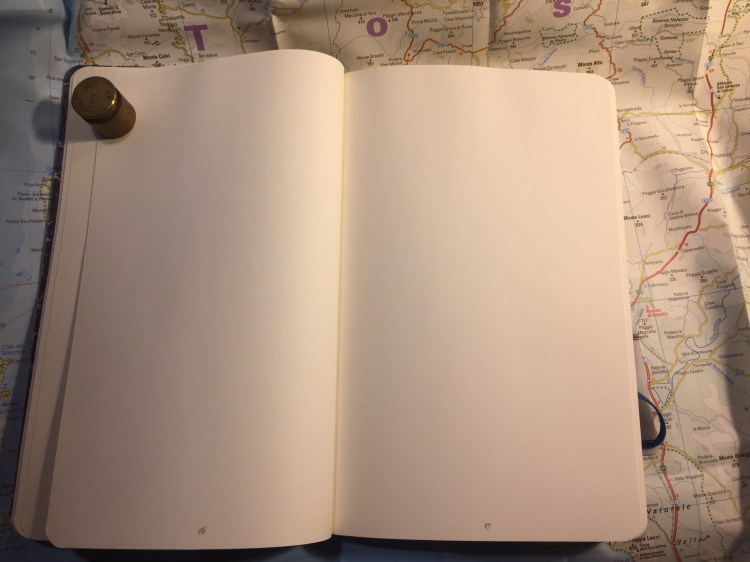
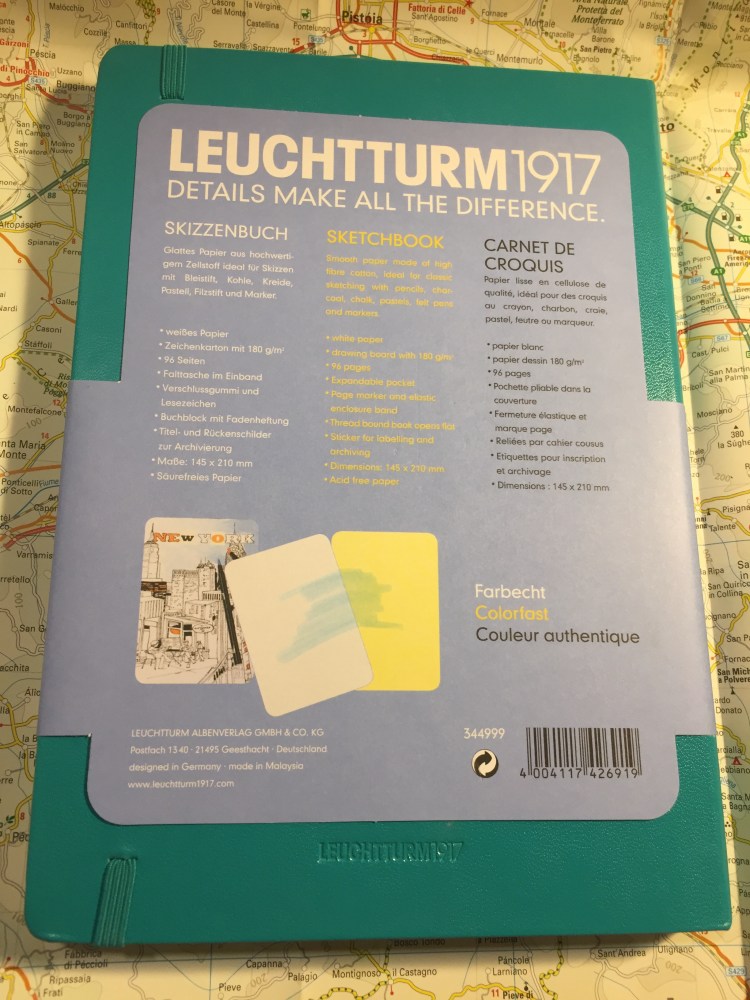
The sketchbook contains 96 pages of acid free 180 gsm paper, and it opens flat. There’s a note in the back packaging that says that the paper is colourfast, and shows a sketch made with a fineliner and markers. More on that later.
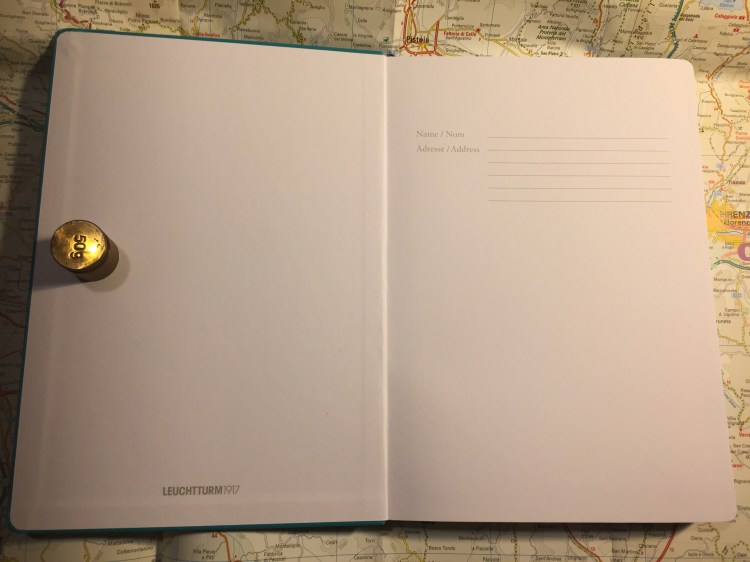
There’s a place to write your name and address on the front cover. I recommend writing your name and email address instead. It’s more practical, and more secure.
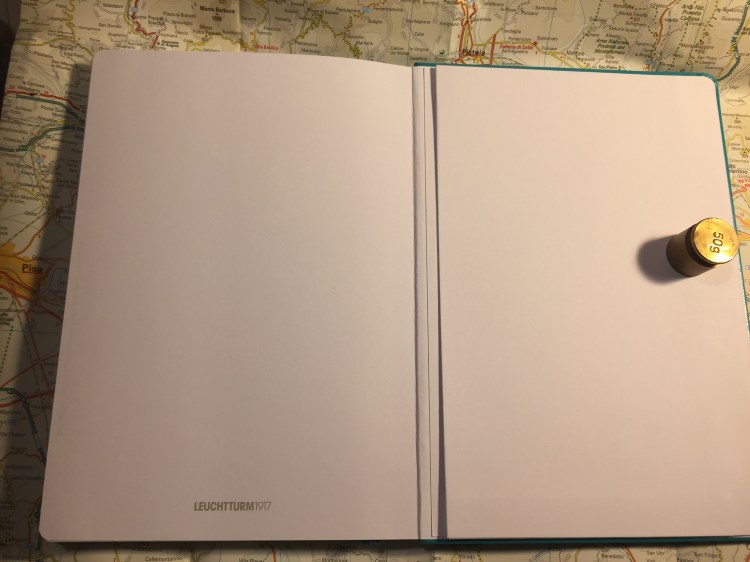
There is a back pocket. I don’t really think that it’s necessary in a sketchbook, but it’s nice to have.
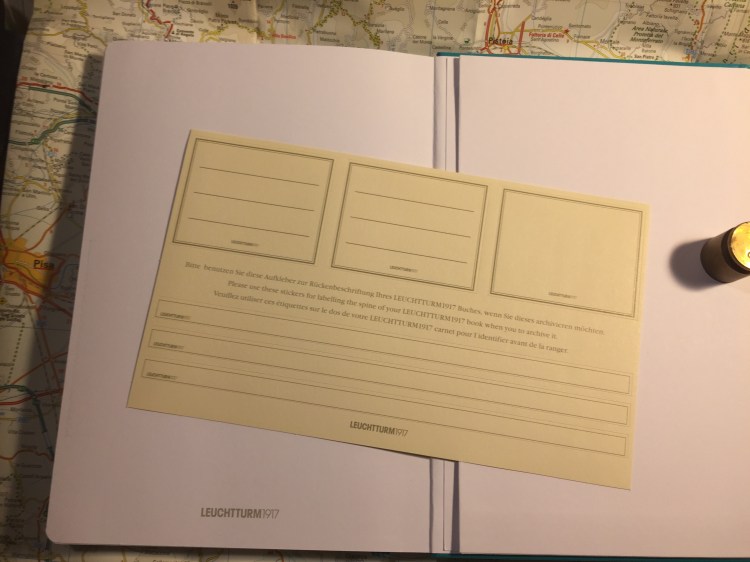
Leuchtturm offers two unique things with its sketchbook. One is the offer to personalize it with an embossing of your choice. During last year’s Urban Sketchers they personalized the sketchbooks that they gave away as part of the symposium’s package, and the result is very nice.
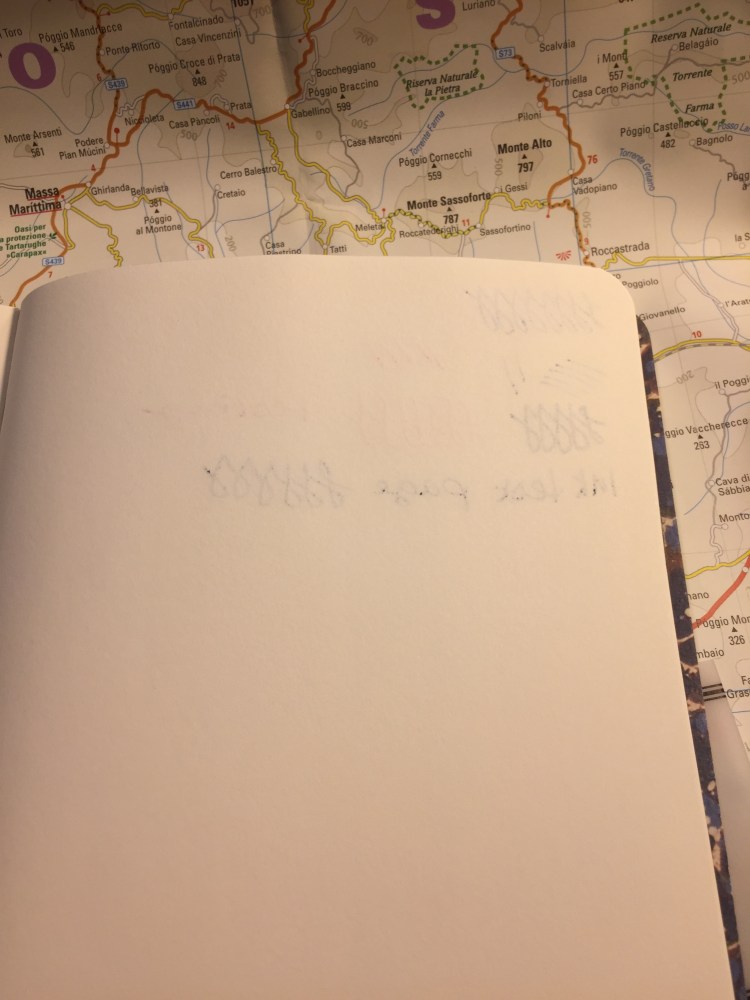
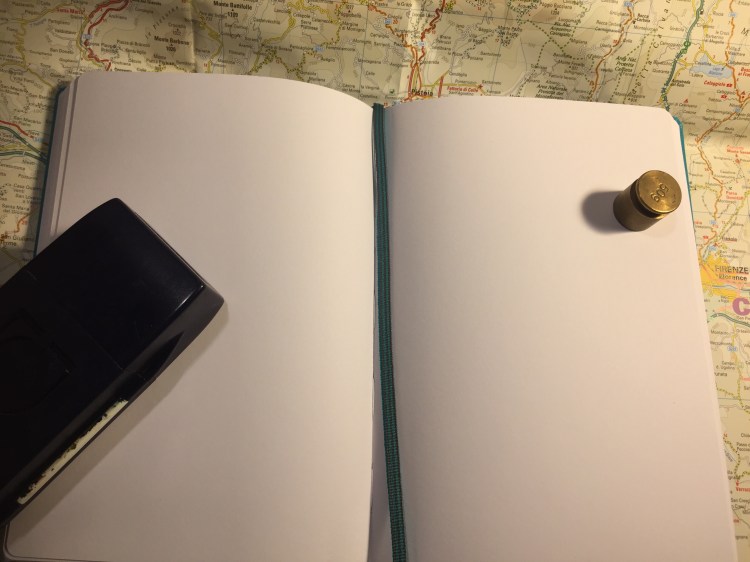
Now for the heart of the notebook, it’s paper. The pages lie flat with a bit of coaxing, and are thick and substantial. You have to really layer down markers for them to bleed through, and there’s no show through, meaning you can use each page on both sides.
So how does the paper behave? It depends on the medium. This sketchbook excels at dry media (pencils, couloured pencils, conte crayons, etc).
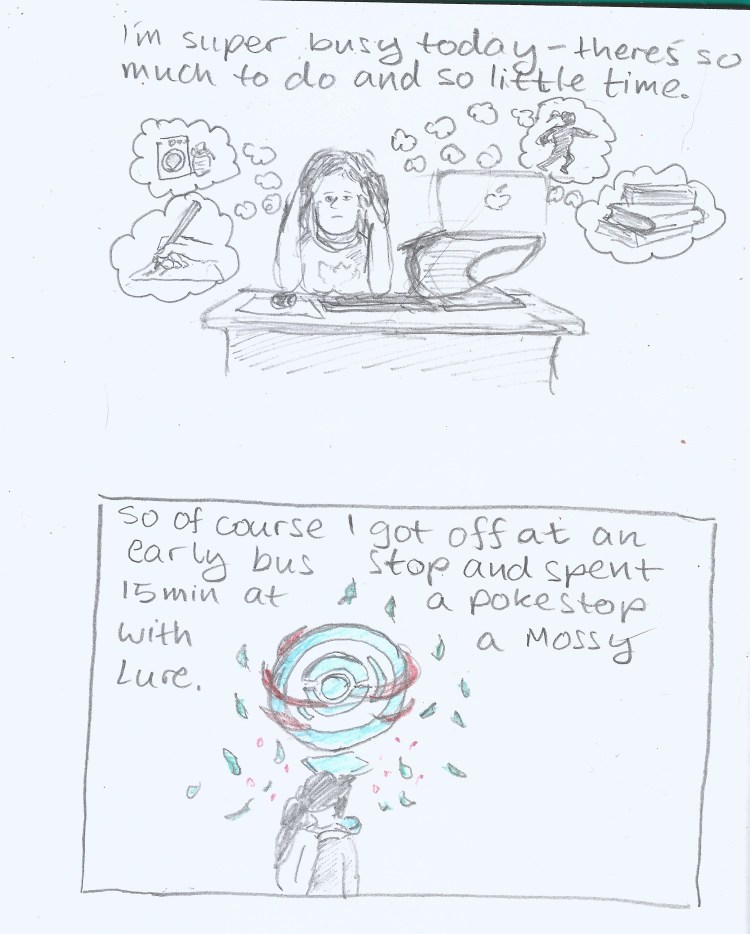
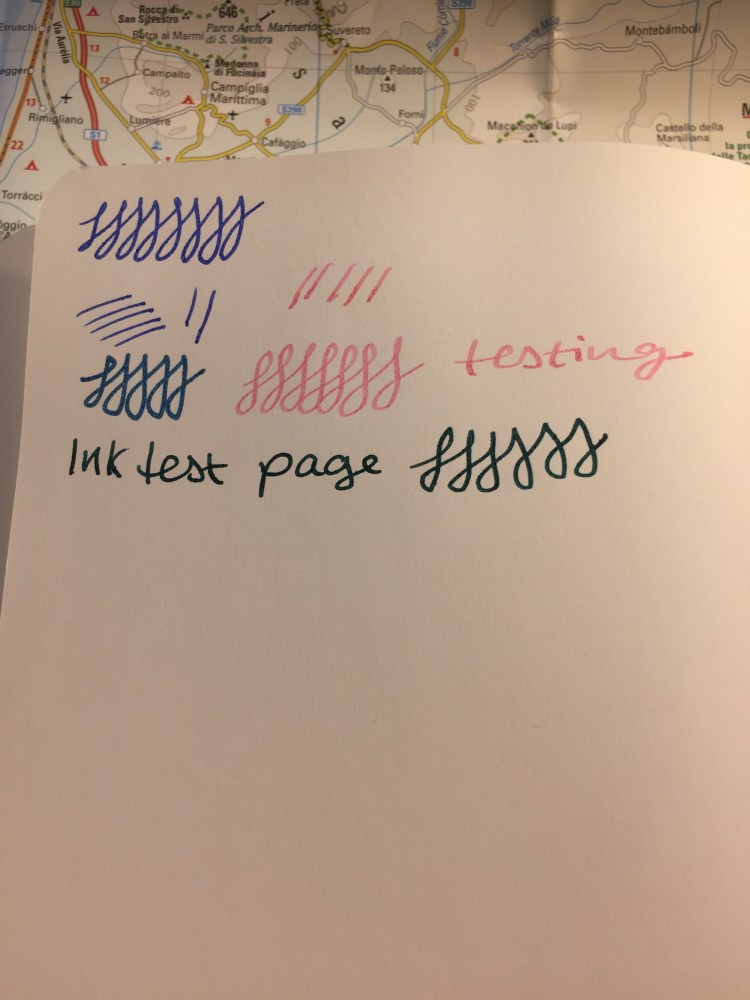
It’s pretty horrible with wet media, including fountain pen ink, watercolour washes, and ink washes. The paper buckles, shows off colour poorly, turns into a grainy mess, and and the ink feathers and spreads. I wouldn’t recommend it even for the lightest washes. All the vibrancy of my schminke watercolours turned into a muddy mess here (the sketch was done with a medium nibbed fountain pen and R&K Emma SketchINK):
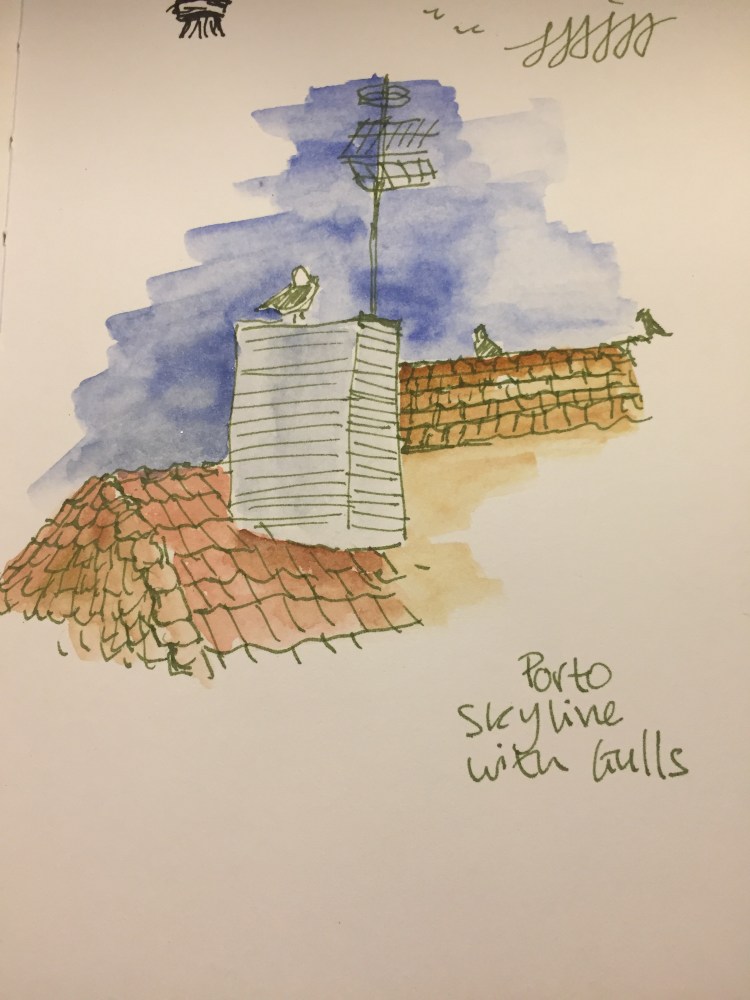
Even with fineliners you’re going to have spread. If you like sharp lines, find a different sketchbook.
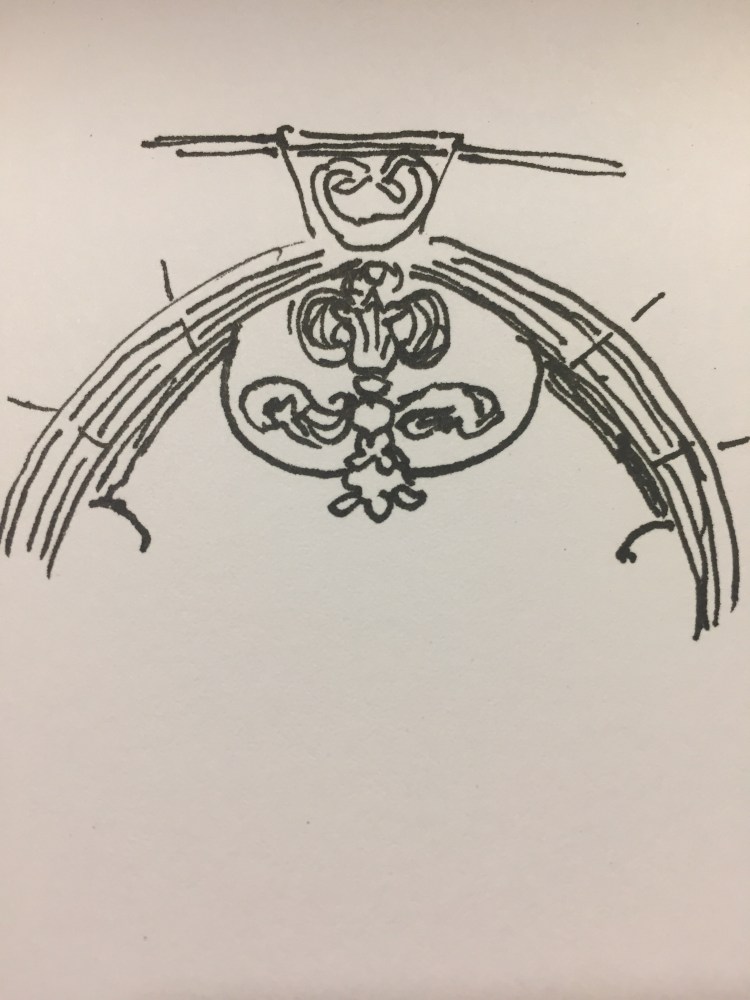
Again, even from a bit of a distance you can see the spread. That’s just a shame, because if the paper was a little less absorbent then this would be an excellent sketchbook.
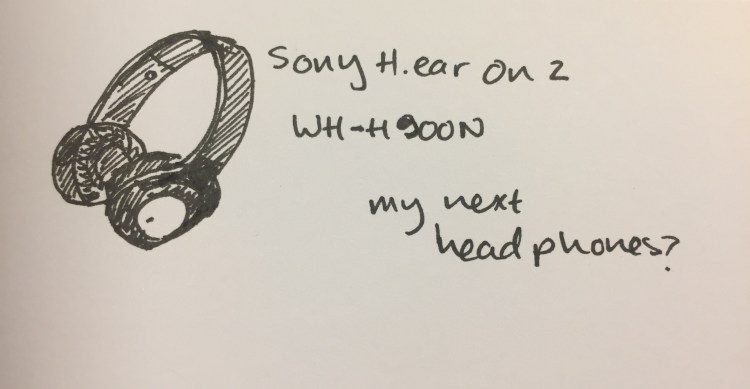
This brings me to my frustration with the picture on the back end of the paper band, the one showing a tiny marker and fineliner drawing. This is my experience using markers and fineliners on this notebook:
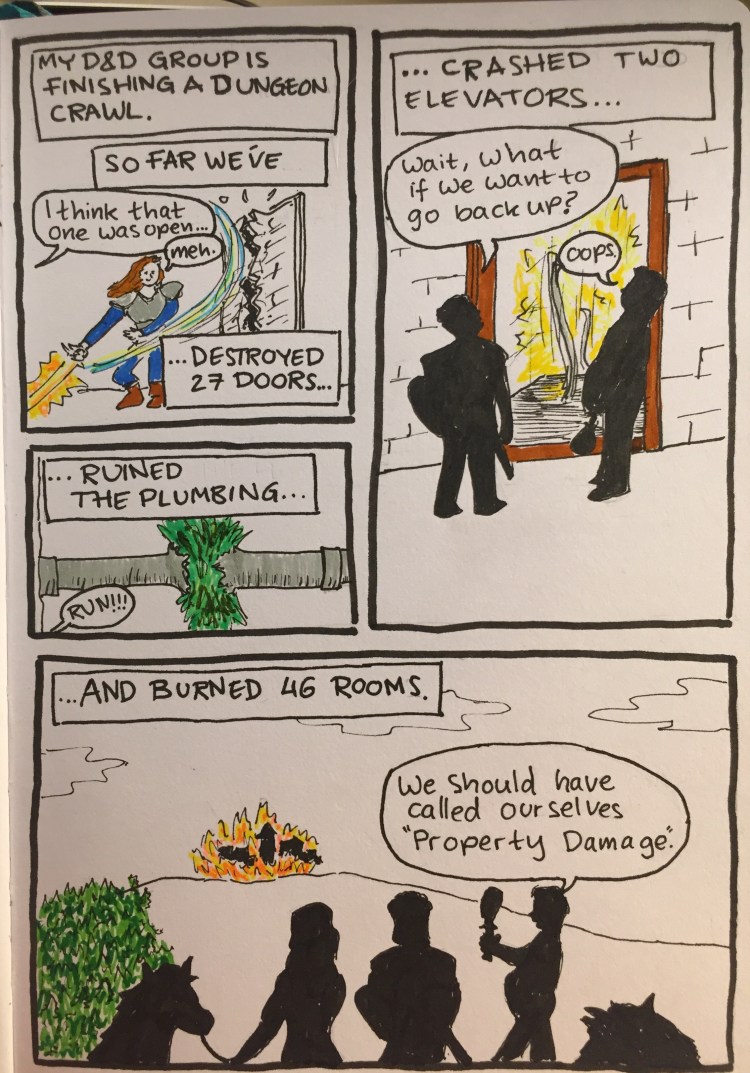
There’s no option to layer or blend the markers, but that’s OK. This isn’t marker specific paper after all. But even for casual use, or just for use with fineliners/brush pens this paper isn’t great.

So do I recommend this sketchbook? It depends. If the way it looks makes you want to use it, then yes, it’s a notebook for you. I’ve been using this sketchbook for my journal comics mainly to test it out. Will I continue using it? Only because I already have a body of work in it. Otherwise, there are better options out there, ones that aren’t only pencil great, but also work with pen, ink and light watercolour washes (the Stillman and Birn Alpha sketchbooks come to mind).
This Week’s Long Run: Parakeets in the Sunrise

The heat here is getting more intense, which means that I’m moving more of my runs to the mornings, and setting out earlier each time. It was completely dark when I set out on my long run today, and my running app (NRC) clocked my run as a night run. For some reason I found that hilarious.

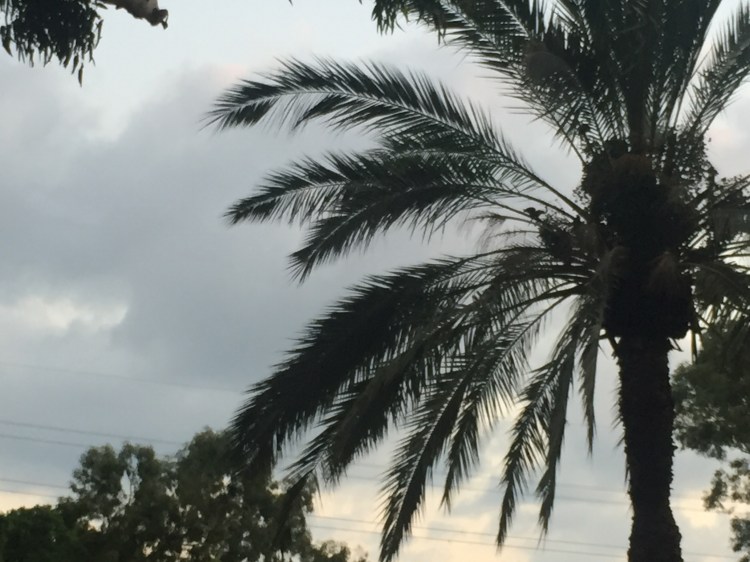
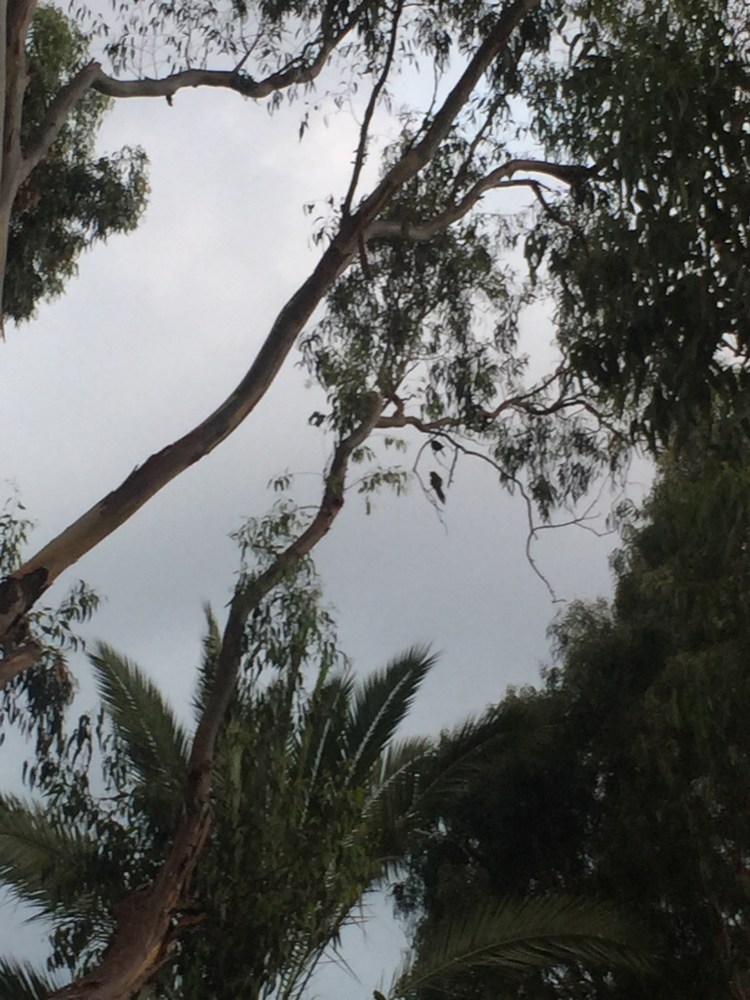
There are green parakeets all over the park, but they’re usually too flighty for me to photograph them. Today they stayed and played a bit in the trees, so I got get a few blurry shots of their silhouettes. Yay!

My iPhone 8 had a much better camera, but I’m on an iPhone 6s now because my iPhone 8’s modem shorted for no reason and can’t be fixed. So for now, this is the best that I’ve got.

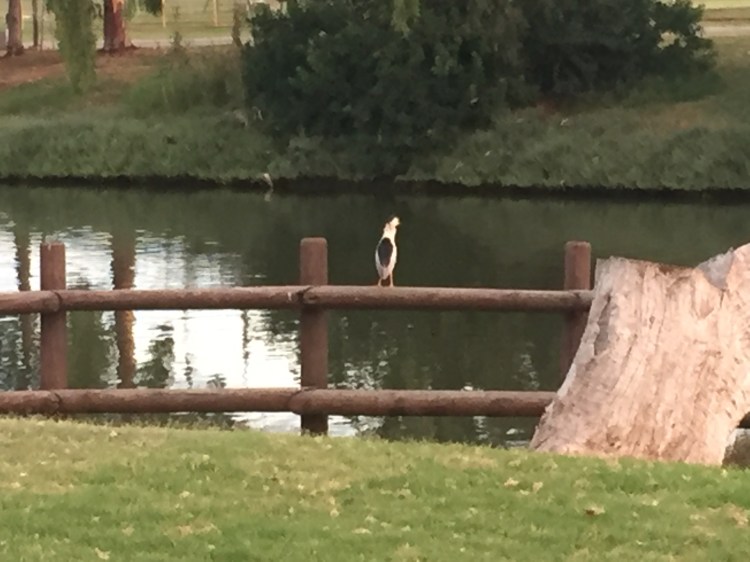
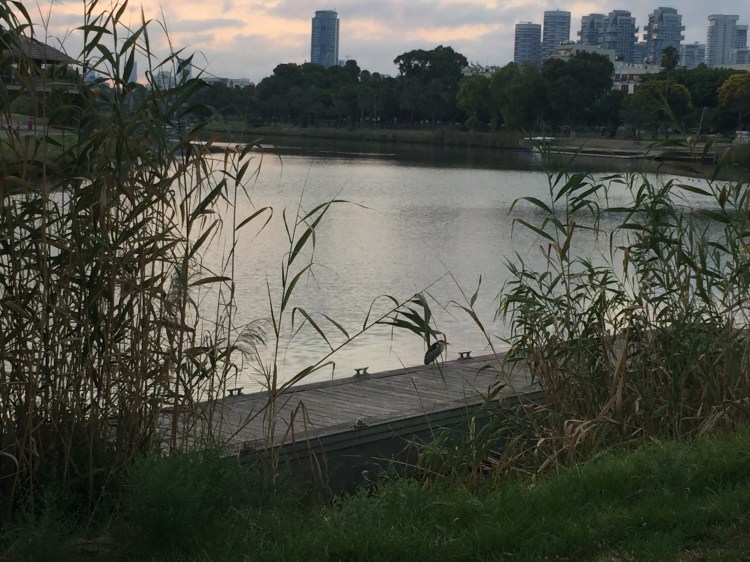
A night heron was also obliging enough to strike a pose on the river bank. I love how elegant they are.

There was a photographer on a nearby bench taking pictures of this fellow, so he must have felt popular today.

Another night heron had an even better perch, on top of the peddle boats pier.

And we end with a photo from the beginning of my run, with the sun rising over the river.

Moleskine Lord of the Rings Mount Doom Limited Edition Review

“Frodo gave a cry, and there was, fallen upon his knees at the chasm’s edge. But Gollum, dancing like a mad thing, held aloft the ring, a finger still thrust within its circle.
“Precious, precious, precious!” Gollum cried. “My Precious! O my Precious!” And with that, even as his eyes were lifted up to gloat on his prize, he stepped too far, toppled, wavered for a moment on the brink, and then with a shriek he fell. Out of the depths came his last wail precious, and he was gone.”

J.R.R. Tolkien, The Return of the King

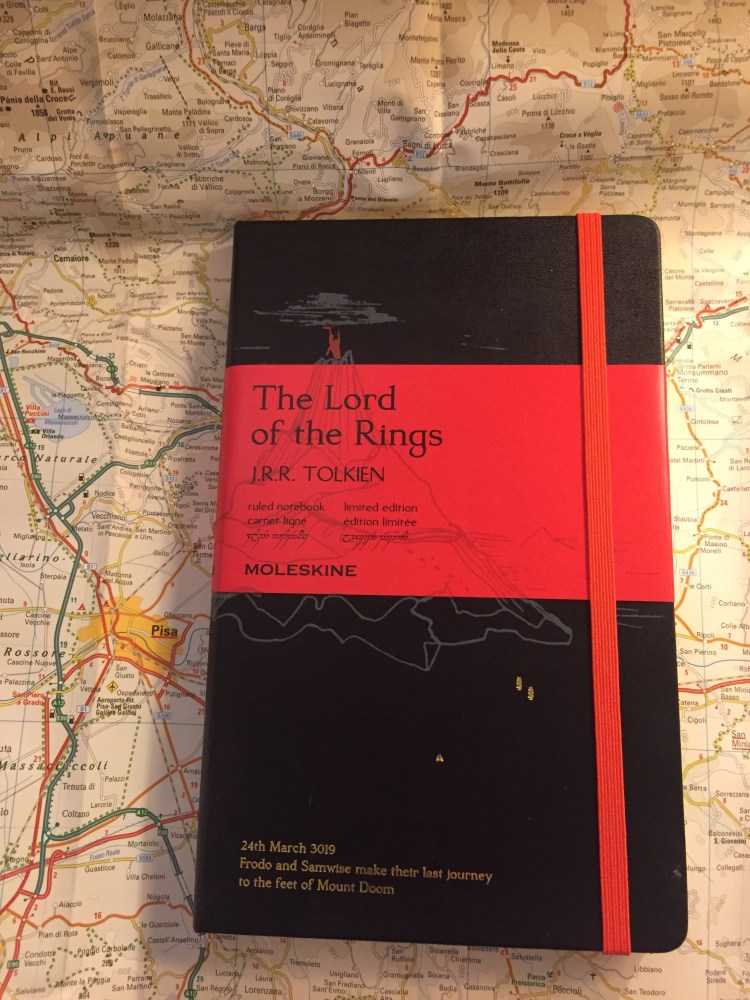
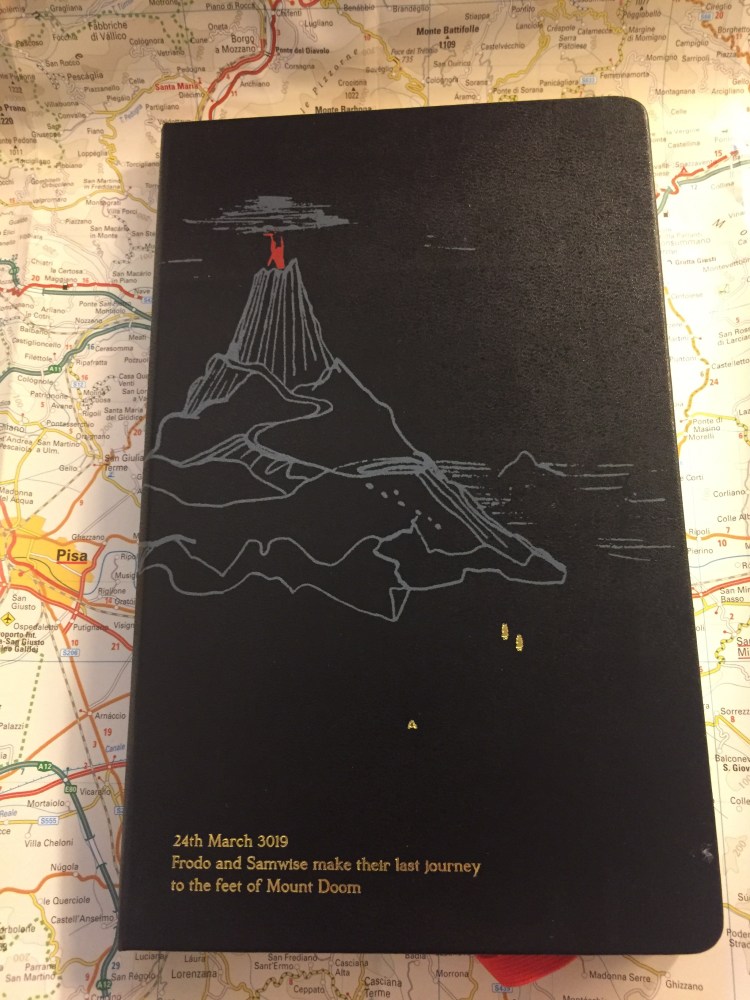
The Mount Doom Moleskine limited edition is the most dramatic of the Lord of the Rings themed notebooks to come out this year, and justifiably so. The red and black provide eye catching high contrast that are in complete opposition to the grey on grey Moria notebook.

This notebook will pop out the moment you see it on the store shelf.

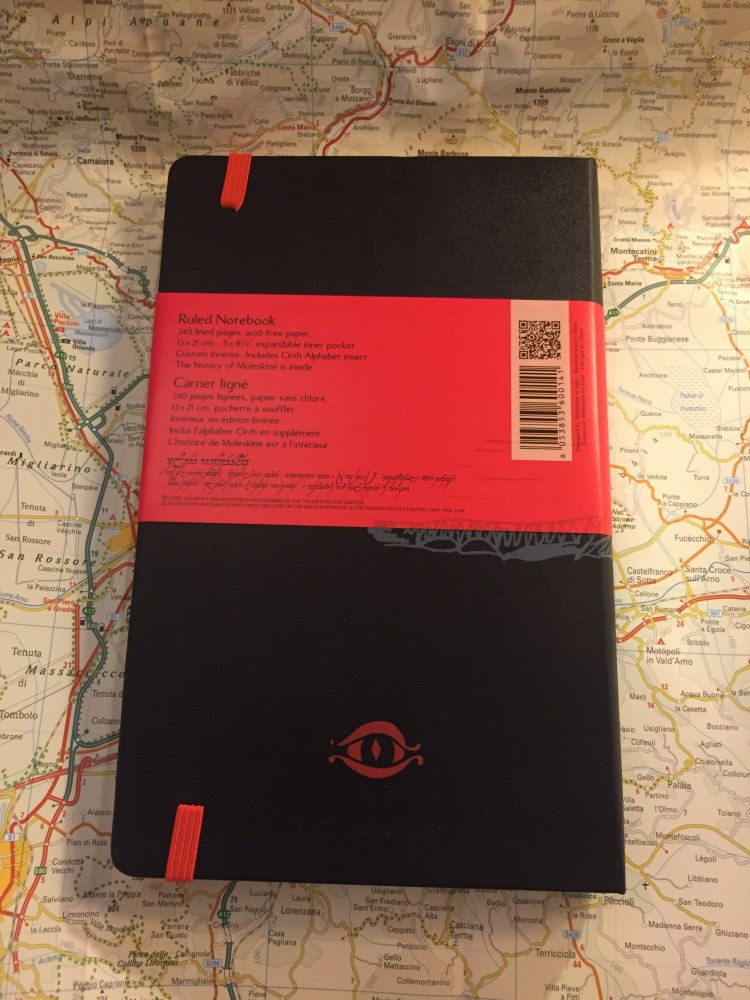
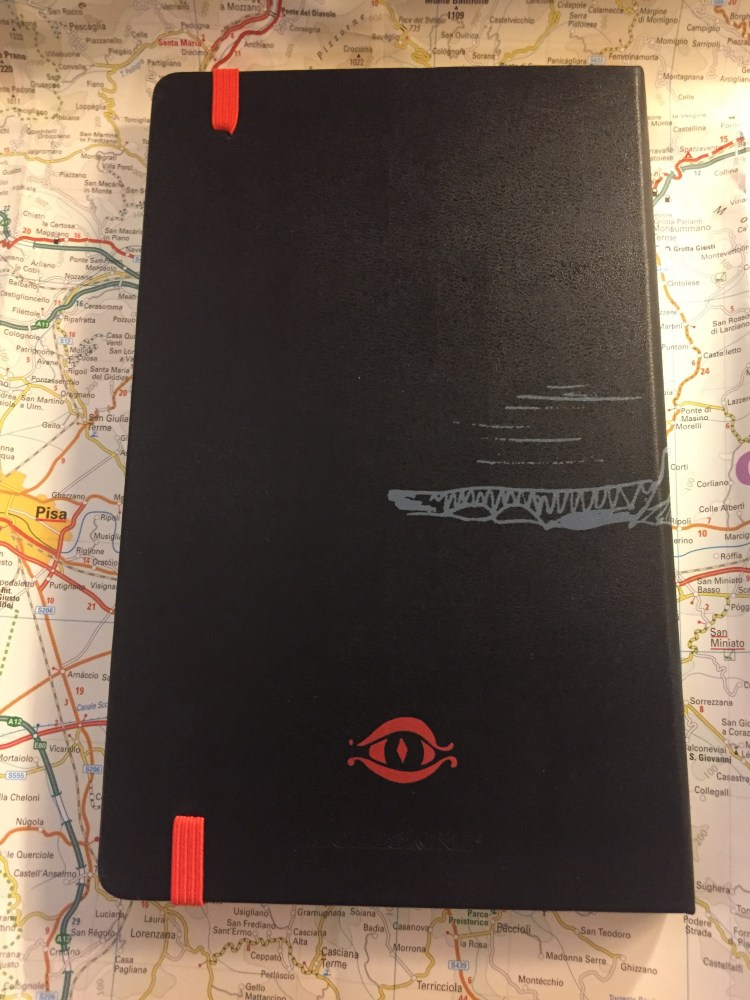
Sauron’s eye gazes upon you. Notice the use of the LotR typeface, and Elven script, on the paper band.

The front cover shows Mount Doom in all its Tolkien illustrated glory, with Frodo and Samwise as little golden dots against its grey and red horror.

The design continues on the spine, with Tolkien’s sign on embossed in red at the top.

The back cover, with the edge of mount doom and Sauron’s all seeing eye in red.

The choice of red elastic closure and a black cover is perfect for this notebook, and the gold embossing of the date, the scene and Frodo and Samwise really pops.

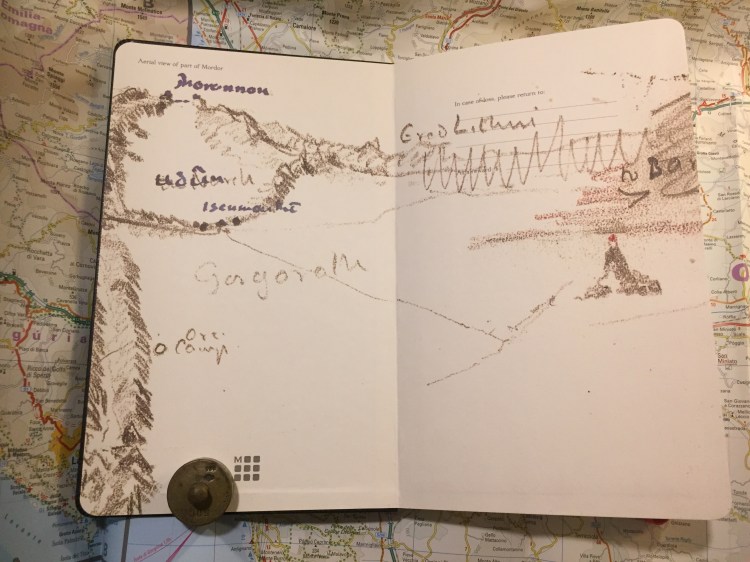
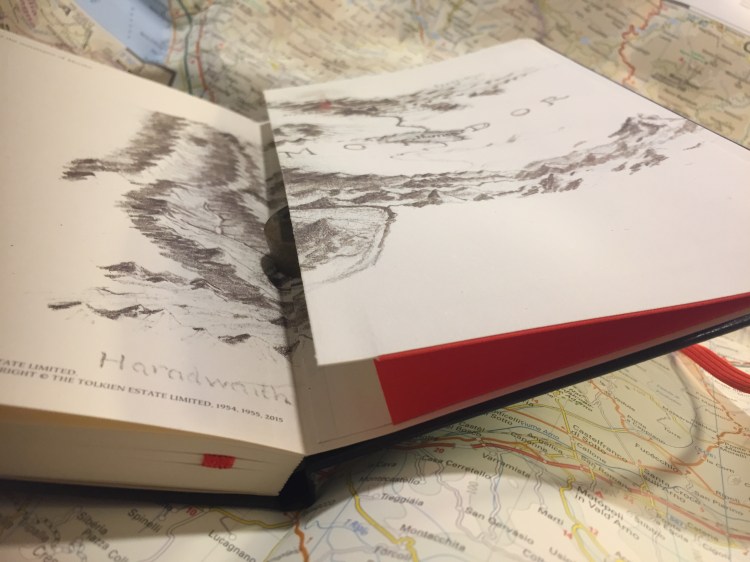
The front end page with Tolkien’s pencil drawings of an aerial view of Mordor. The drawing is very nice, but it does make the “In case of loss” pretty obscure. You can either go extra bold here, or try to blend in and hope that someone will notice.

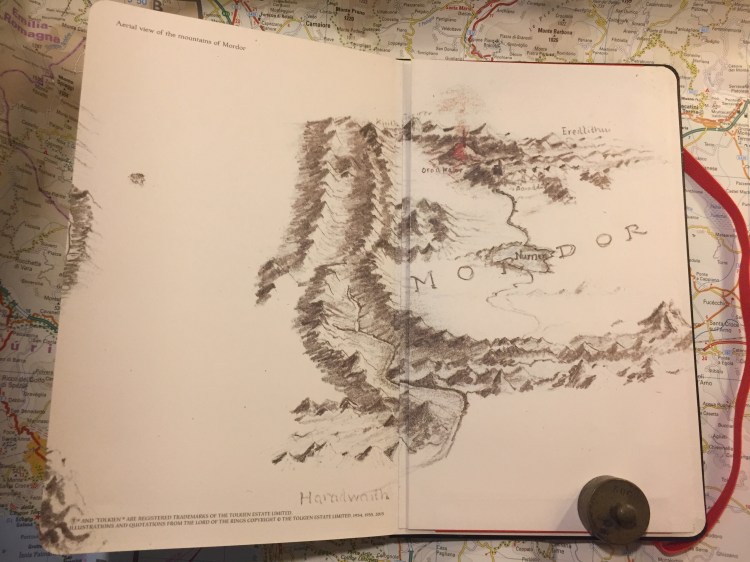
The aerial map of Mordor continues on the back end page. As usual, but still worth noting, the map is completely aligned with the back pocket.

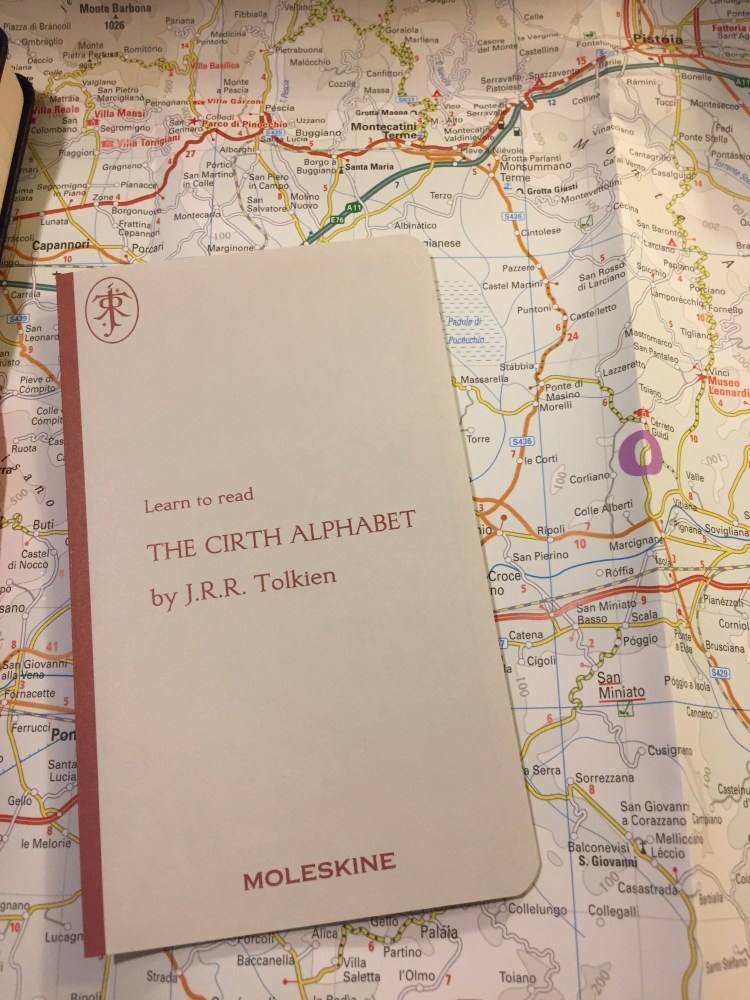
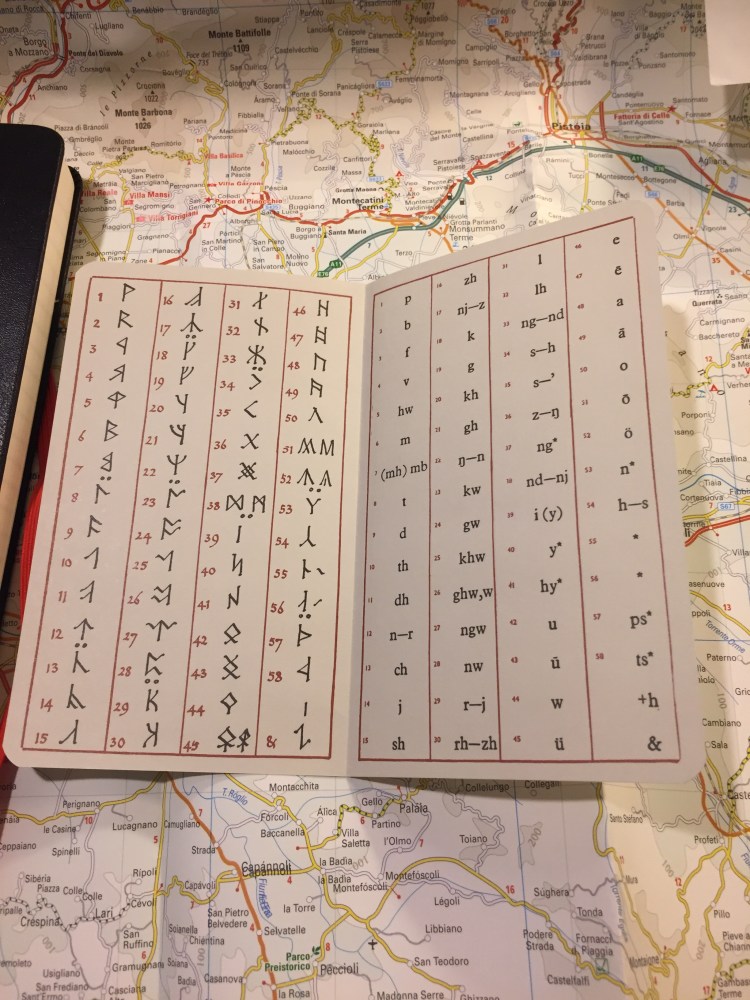
The extra with this edition is the Cirith alphabet booklet.

The red and black theme continues here.

A closeup on the back pocket, with its red sides and the map that continues into the back pocket.

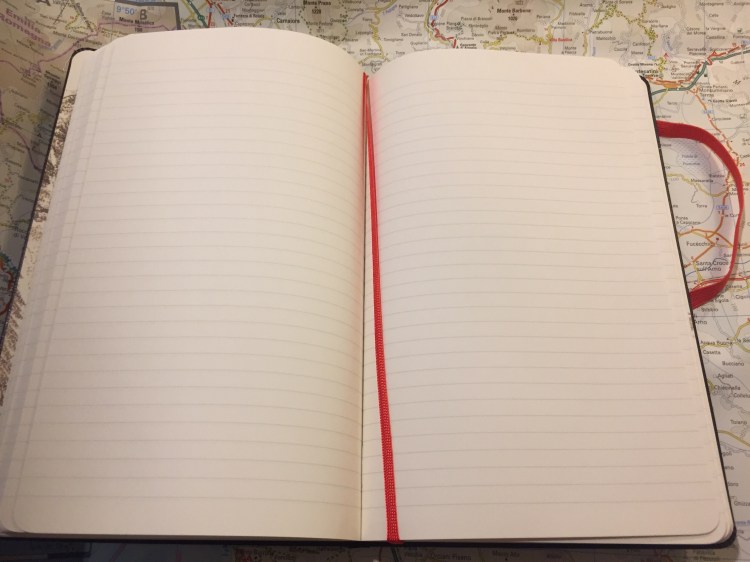
This is a ruled notebook, and it comes with a red ribbon bookmark. Unless you use inks like Noodler’s bulletproof black, it isn’t fountain pen friendly. Then again, it isn’t marketed as such (Moleskine has other notebooks for that).
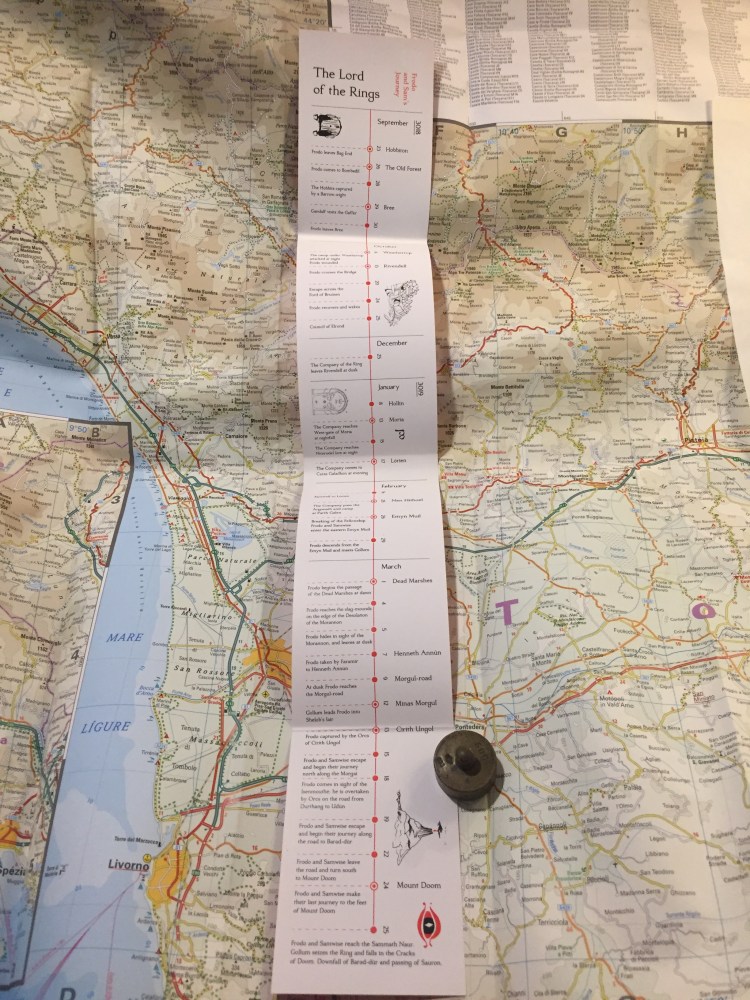
The B-side of the paper band details Frodo and Sam’s journey.
I love these Lord of the Rings limited editions (I’m using the Moria one as my daily journal). The mount Doom edition is befitting of the dramatic climax of The Lord of Rings trilogy. If you’re a LotR fan this is definitely a must buy, and probably the best designed notebook of this edition.

Uni Do! Posca Paint Marker White Extra Fine Review

I am on a quest in search for a white, waterproof pen that reliably lays down a thin, opaque line. You’d think that this wouldn’t be so hard to find, but this combination (opaque-and-thin-and-waterproof-and-reliable) has so far proven to be elusive. The closest so far has been the Uni-ball Signo Broad UMR-153 white gel ink pen, but it tends to dry out and blob, so it is far from perfect.

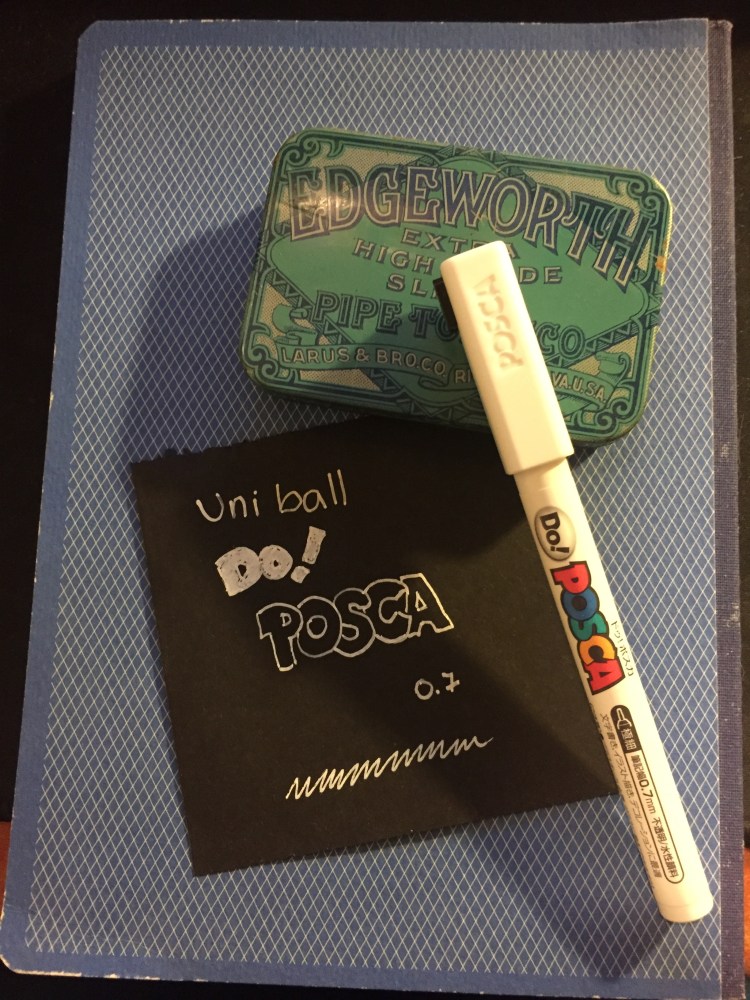
The Uni Do! Posca paint marker in white, extra fine (0.7) is a welcome addition to the white pen field. It’s waterproof, water-based (so not smelly like other paint markers), lightfast, and can be used on a multitude of surfaces. I’m going to focus its use on paper, but if you’re looking for a way to label a dark coloured object, this may be the pen for you.

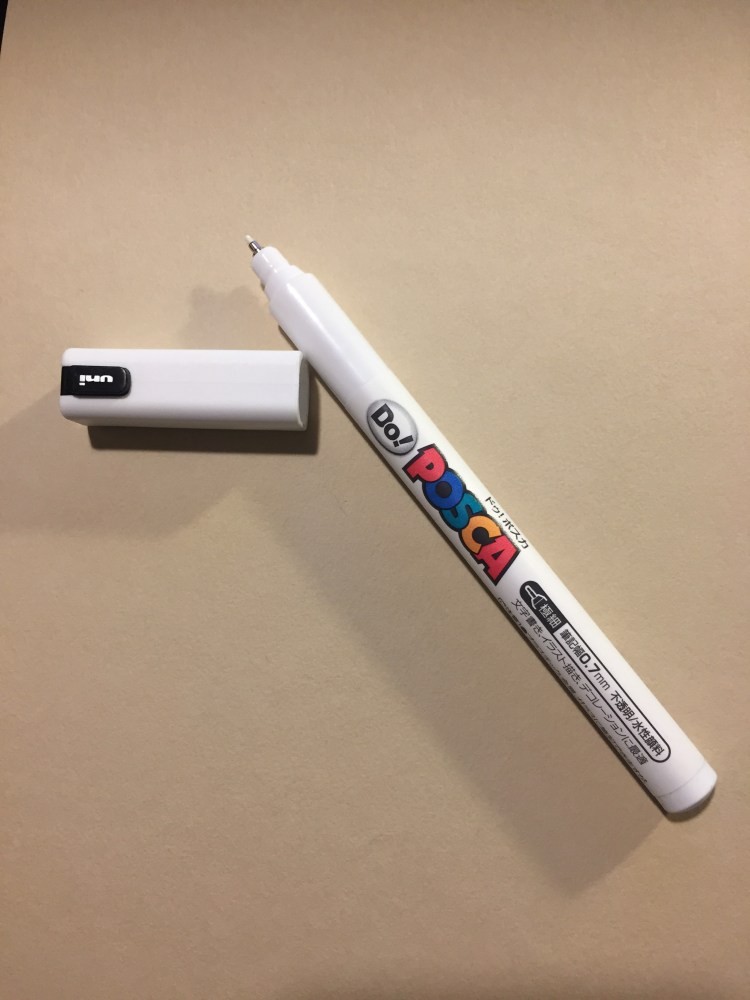
The Do! Posca’s design is pretty well designed. The pen is narrow enough in diameter for you to comfortably use it like a regular pen, and the square cap keeps the pen from rolling off the table, and looks great. The pen body is much too busy for my liking, but that’s a minor quibble.

There’s a tiny metal ball inside the pen, and you need to shake it well before use to get the paint ink flowing. When you use the Do! Posca for the first time you need to prime it by shaking the pen thoroughly and then pressing the plastic tip in several times until the white paint flows. I had no problem getting the pen to start up after a good shake, but I’d recommend keeping it horizontally and cap it immediately after use.

The Uni Do! Posca doesn’t blob, and it’s excellent for small details. I wouldn’t use it to fill in large expanses of white, as it offers pretty poor coverage and doesn’t layer well. If you’re looking to use it for highlights, correction or detail work, this is the pen for you.

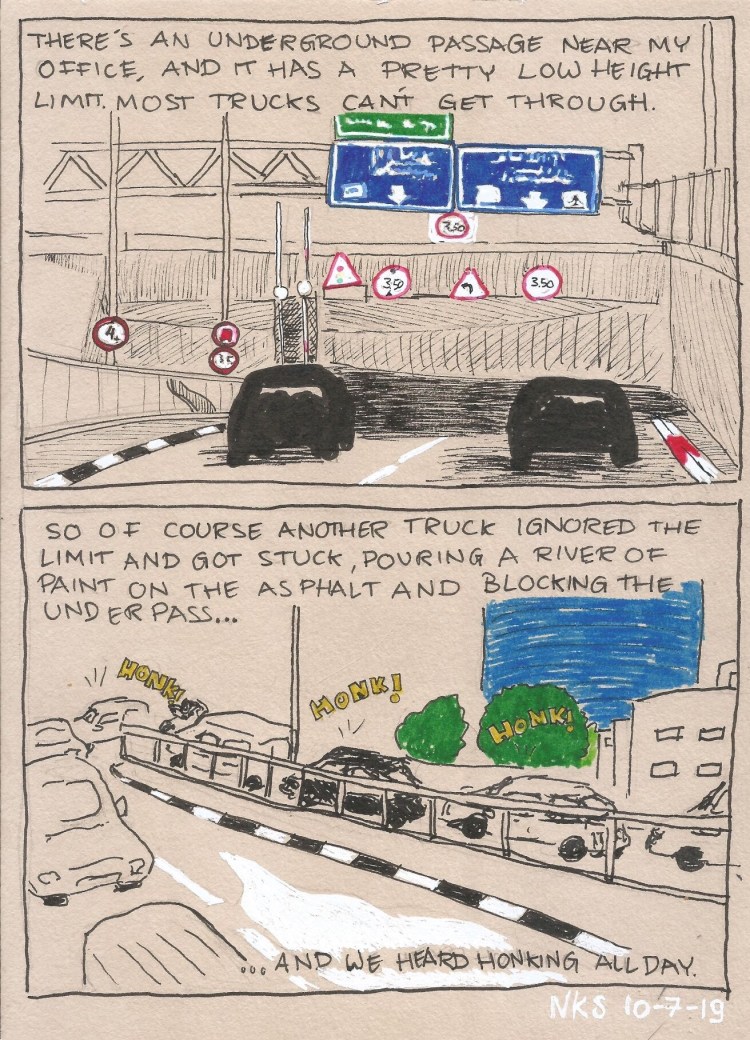
I drew this journal comic on a Clairefontaine Paint On Naturel A5 pad.

The Uni Do! Posca extra fine paint marker in white was available for a time at Jetpens, but now you can find it easily enough on eBay. If you’re looking for an opaque, extra fine, waterproof white pen, I highly recommend it.

The Master Pencils Union No. 84 Pencil Review

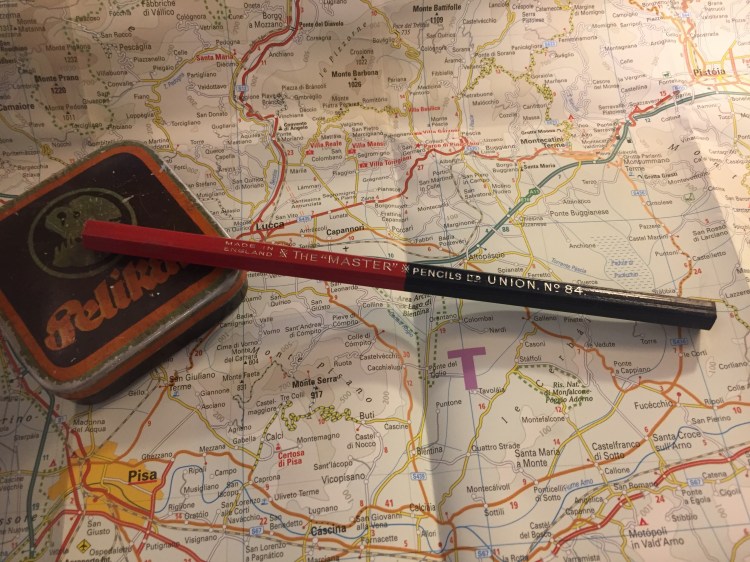
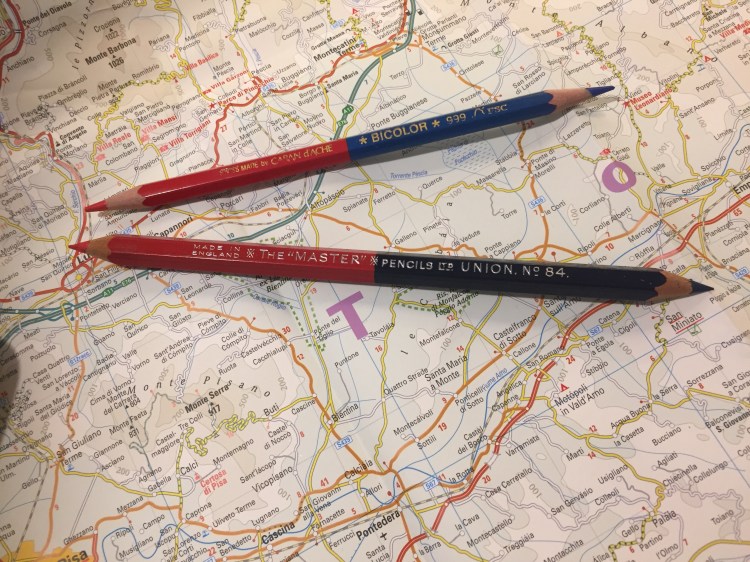
My latest flea market find is a red/blue Union No. 84 pencil from The “Master” Pencils Ltd, the English pencil company that also created the Golden Master pencils that I reviewed in the past.

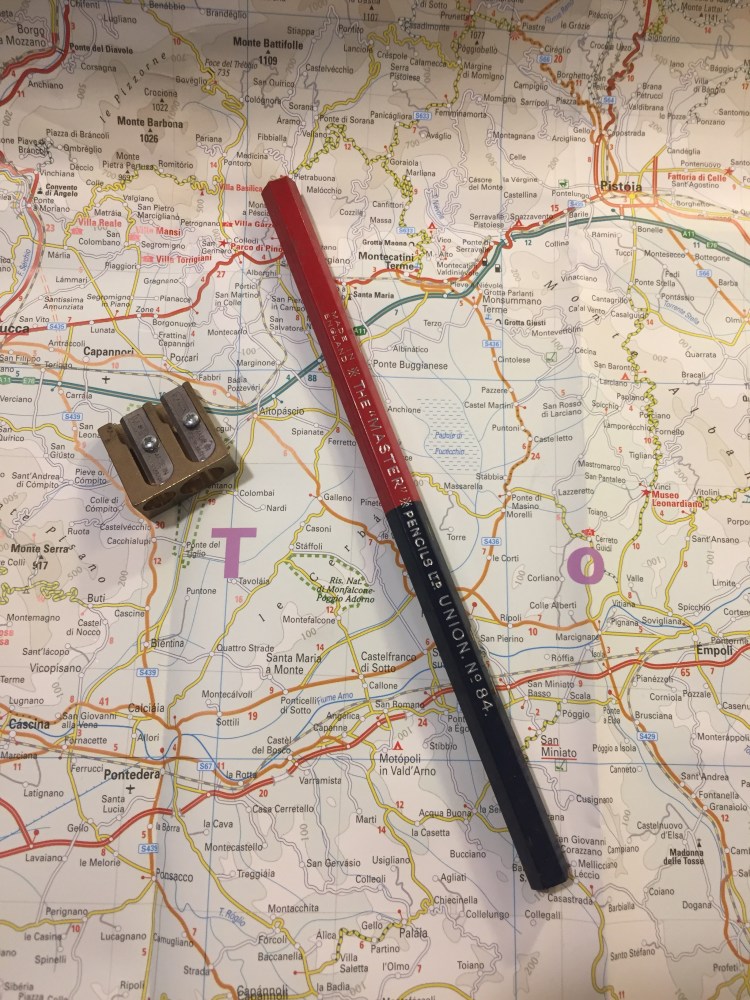
The Union No. 84 is an oversized pencil, with a red and navy core. I love the choice of font for the imprint: it looks clean and professional.

The pencil is thick, built like a children’s pencil, and so the cores are extra large as well.

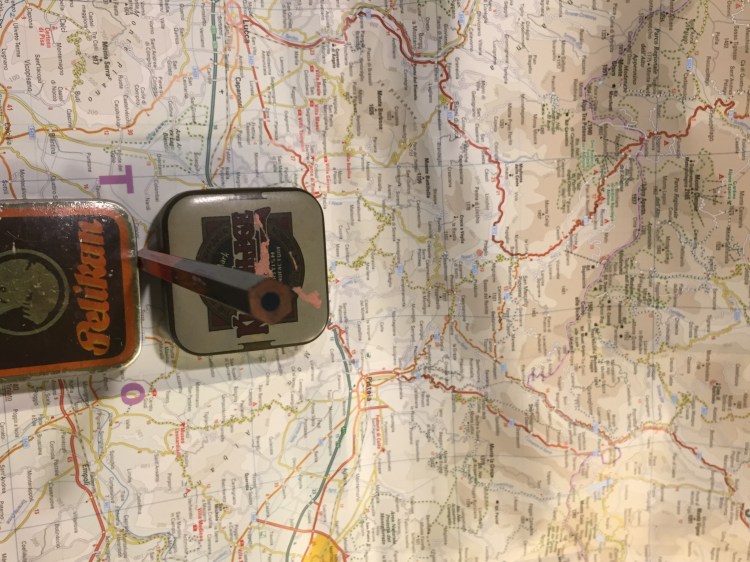
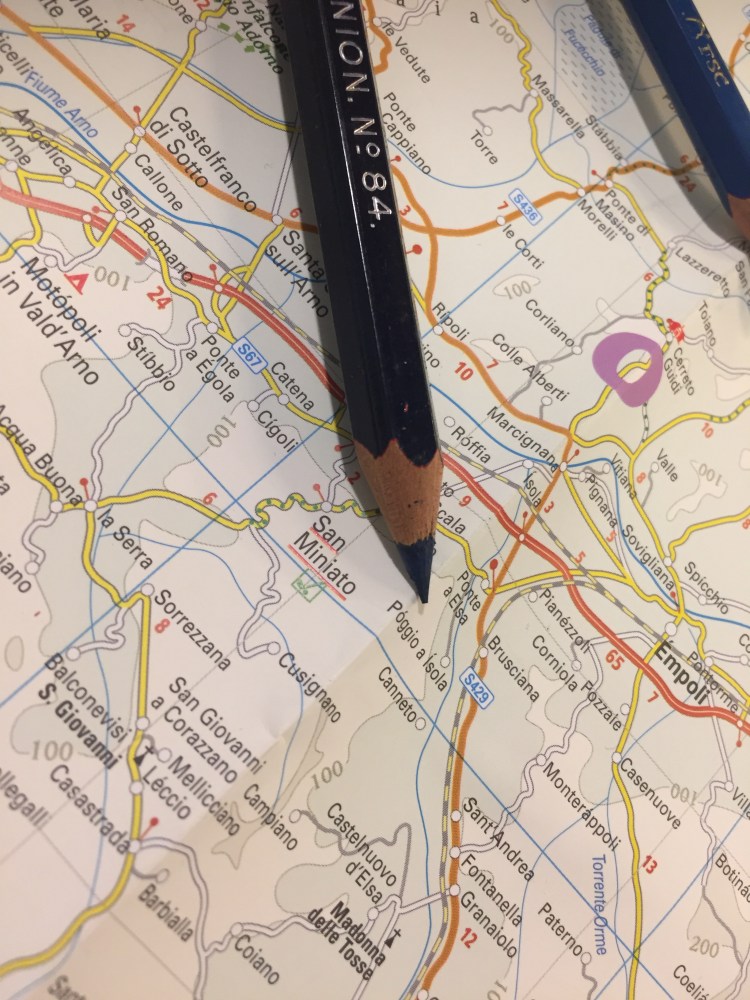
The navy core, almost black in appearance:

Finding a sharpener that can sharpen this pencil was a challenge. You’ll need one that’s designed for children’s pencils, yet is high quality enough to handle wood that has toughened over time, and a core that is still soft and brittle. I went with the M+R double brass sharpener Nr. 0603. Beware of the red core when you sharpen this pencil, as it can stain your hands.

Here’s the Union No. 84 next to the Caran d’Ache Bicolor 999, the golden standard for red/blue pencils. You can see their size differences quite clearly.

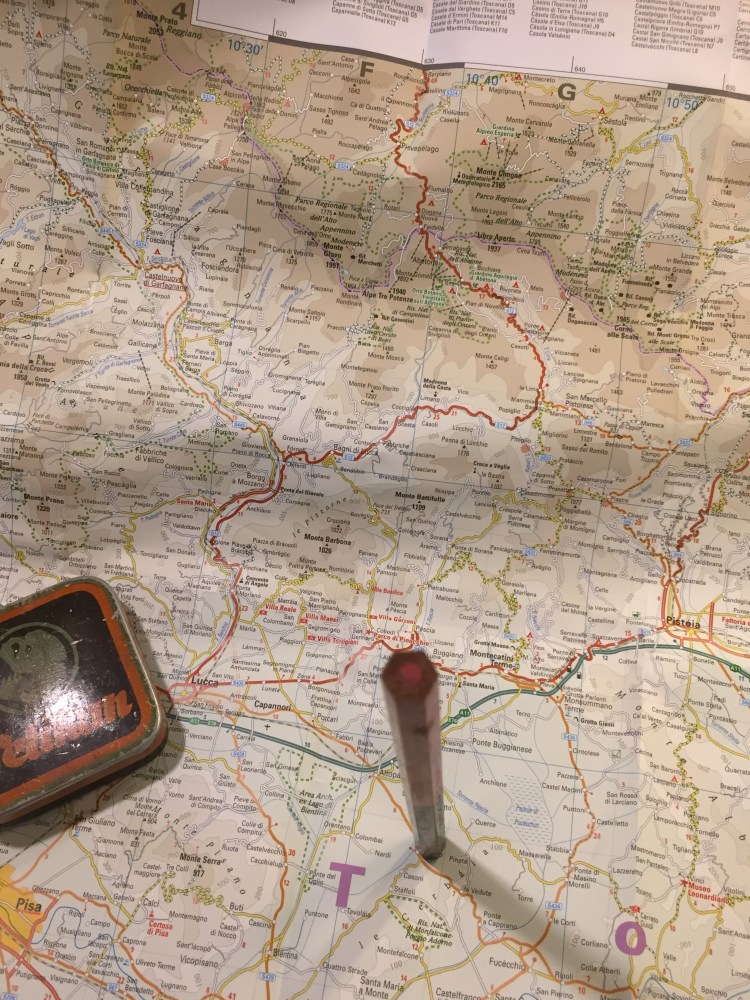
The navy tip of the pencil:

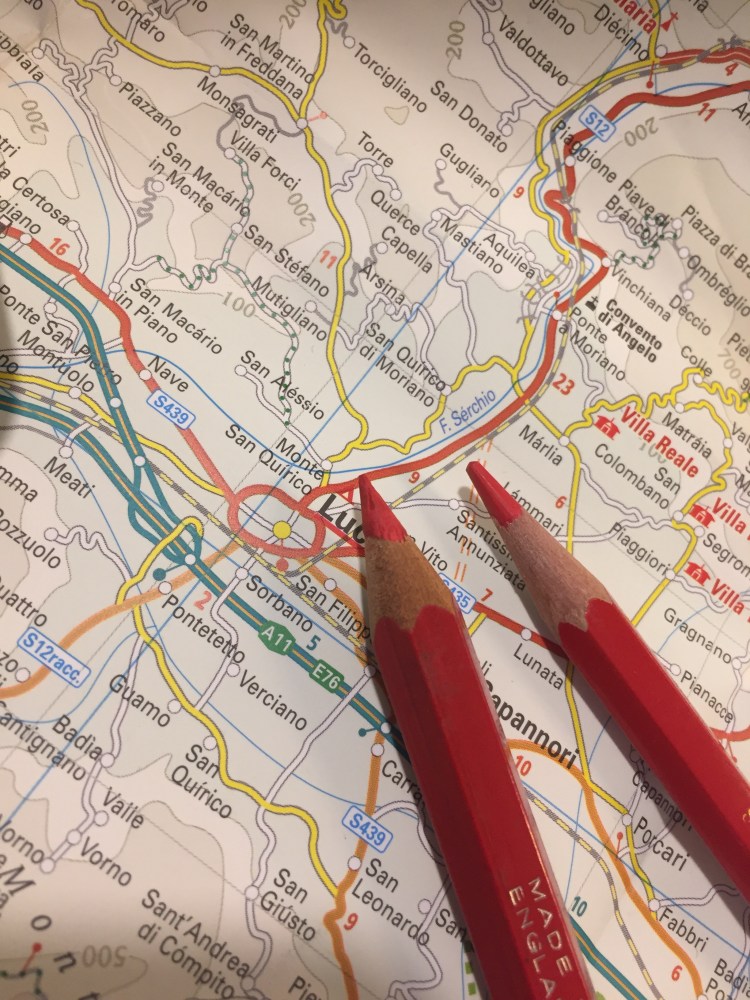
The red tip of the pencil:

The red tip of the pencil was much softer and more crumbly than the navy tip, but even though I was worried about it, it didn’t break with use.

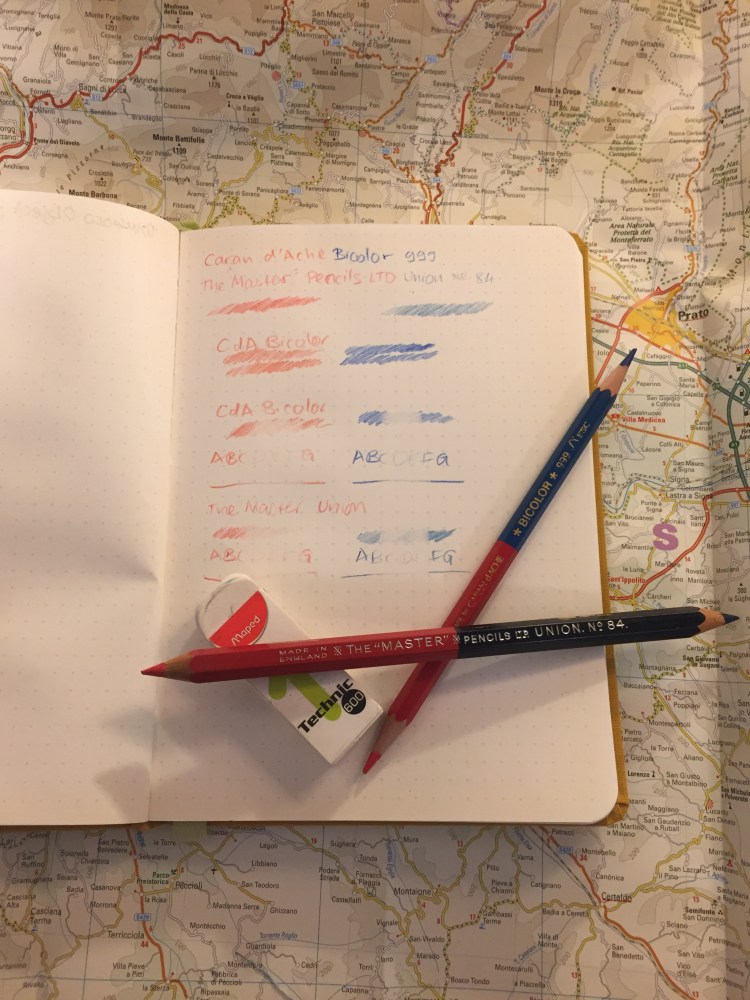
I tested the Union No. 84 against the Bicolor 999, and discovered a few interesting things. The Union’s blue is indeed a shade darker than the Bicolor’s but it’s not as dark as I would have expected. The red shades of both pencils are virtually identical. The Union feels more like a pencil than the waxy Bicolor, with more feedback, and more shading possible when some pressure is applied. Both pencils erase poorly, but the Union erases better than the Bicolor, particularly the Union red, which doesn’t stain the paper.

I tested the pencils on a Baron Fig Confidant, my go-to pencil testing paper, and erased them with the Maped Technic 600.

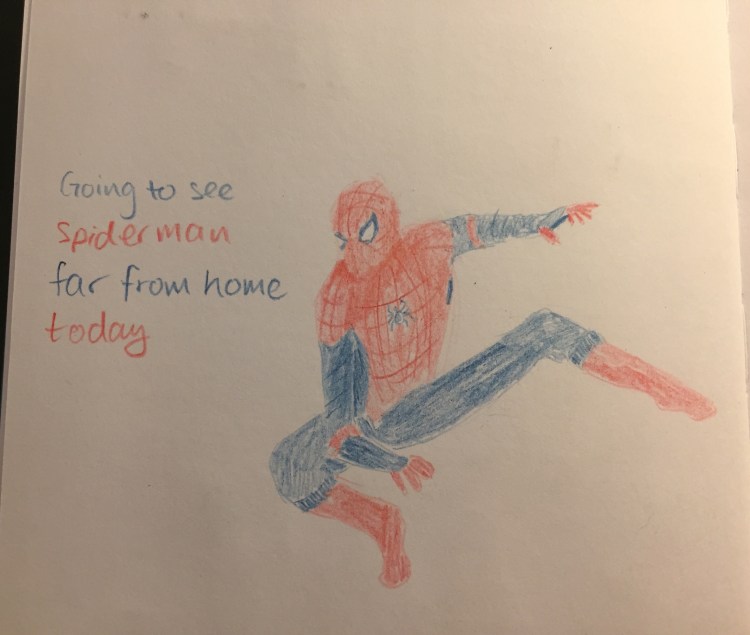
The Master Union No. 84 is a lot of fun to draw with, beyond being useful for highlighting and correcting text. It feels like a proper pencil, and not a waxy crayon, and it shades enough to allow for doodles like this one:

The Union No.84 is great and fun, and so was the Spiderman movie. I highly recommend them both.

This Week’s Runs: Golden Jackal, Sunset, Sunrise and the Sea

On a midweek run I encountered one of the famous Golden Jackals that live in the Yarkon Park in Tel Aviv. As usual, he was more interested in keeping his distance than bothering anyone of the runners on the trail.

The first time I saw a Golden Jackal I was sure that it was someone’s dog let loose. They are the ancestors of many dog breeds, so I guess that’s not surprising.

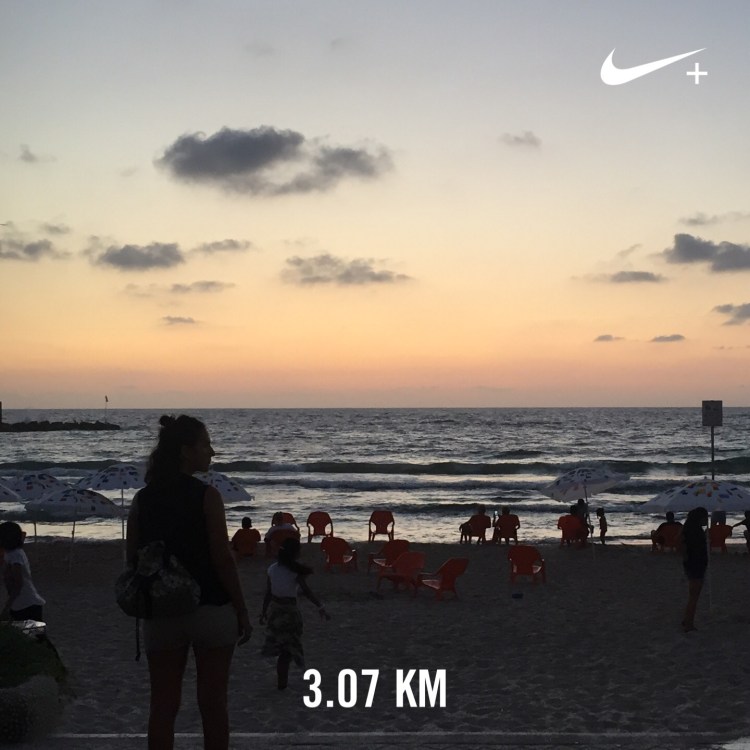
Yesterday’s run rewarded me with a beautiful sunset over a pretty stormy sea.

Today’s long run started with a sunrise over a calm river, with a night heron…

… and some mallards dozing off on the pier.

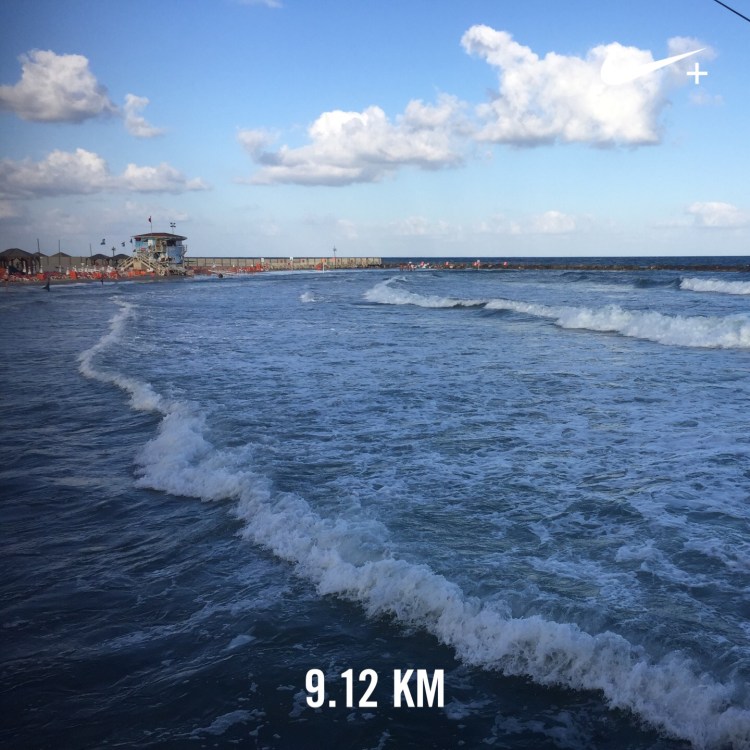
Check out those waves! Not the best sea for swimmers.

Writing Update

  • I’m still editing my novel after getting notes from my beta readers. Most of the notes are super helpful, and it’s good also to go over the book after a while.
  • I’ve tightened the prose in places, plugged a few plot holes, and clarified a few scenes — which is not something that I expected to do on the third or fourth draft.
  • Scrivener is life. Thankfully my novel was split to scenes, so it was easy to move things around to restructure the narrative after the feedback I got. It was also easy to split the scenes into new chapters, and take quick snapshot backups of each scene before I edited it.
  • As usual, the first third of the novel is the part that needed the most editing. I’ll give it another once over once I’ve finished editing the final chapters.
  • It took me a long time to get into the editing mood, but things are going pretty fast now. I’ve started using a task list in Drafts and it’s proven useful in keeping me organized and motivated, without allowing me to be sucked into productivity pr0n.

Moleskine Time Blue Limited Edition Review

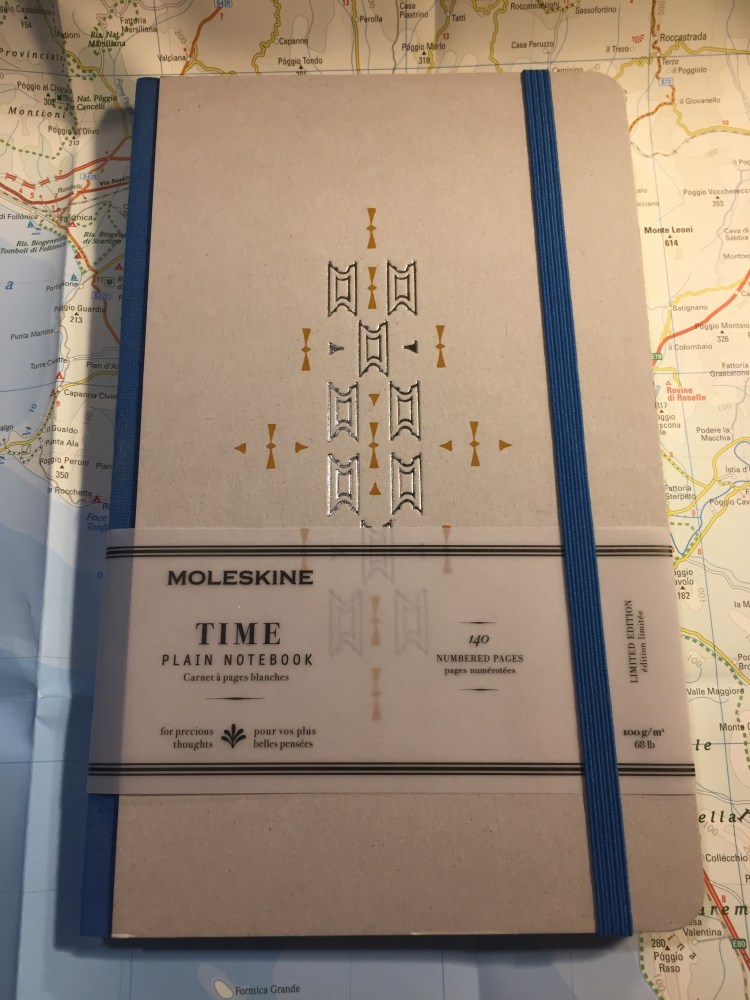
Every once in a while Moleskine comes out with something completely new. About a year ago it was the Time limited edition notebooks: a new format of notebook, with thicker paper, and a distinct new design.

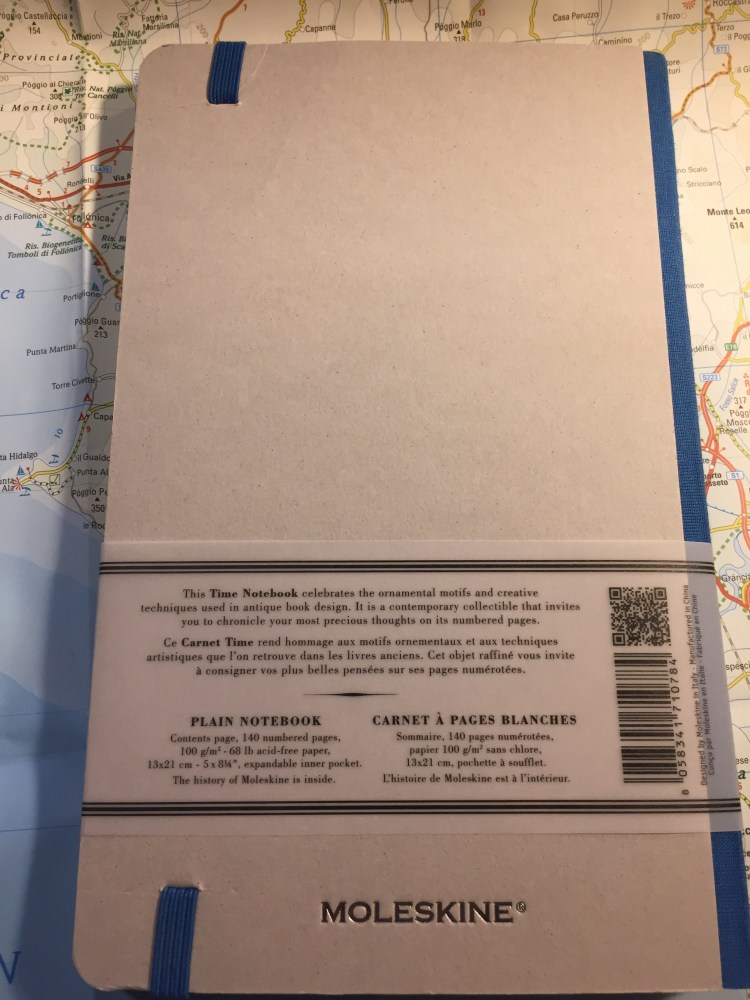
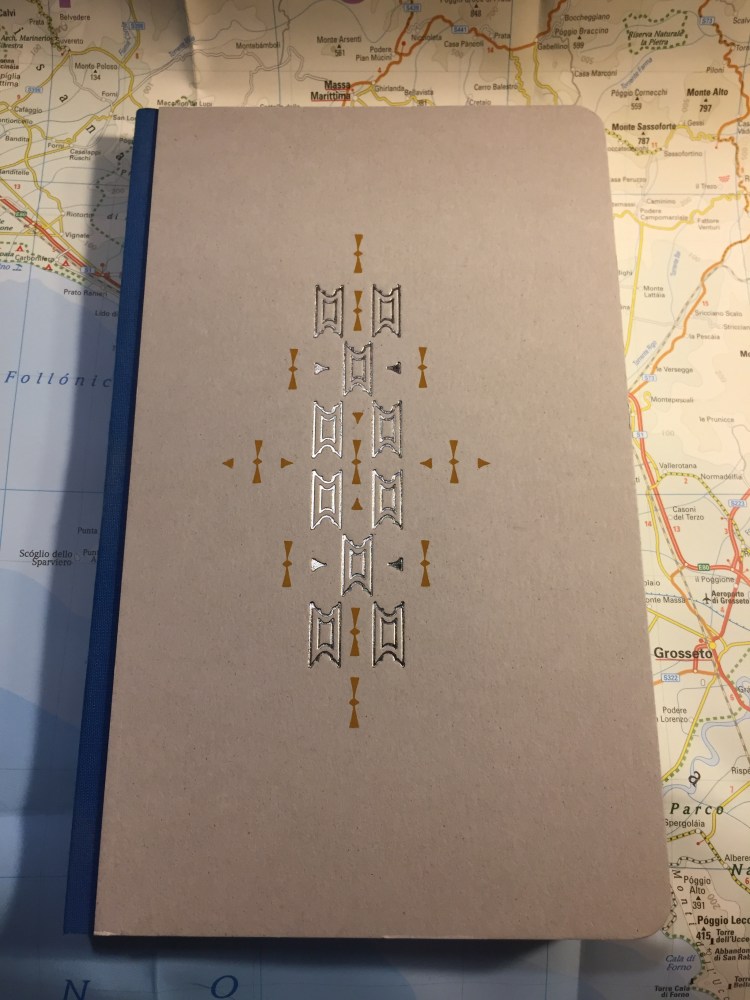
This is the Blue Time notebook. Each one has a different colour theme (blue, black, green and brown), a different motif embossed on the cover in foil, and comes in either ruled (lined) or plain (blank) pages.

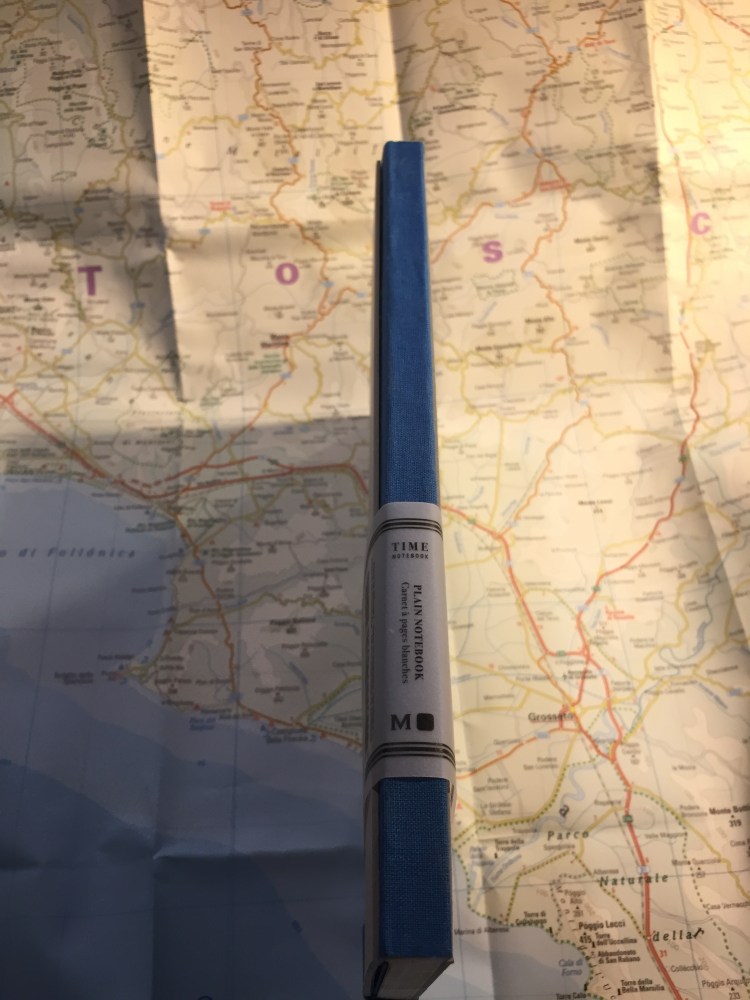
The Time notebook is thinner than a regular Moleskine, but feels substantial because of its thick chipboard covers. This is a notebook clearly designed to sit on your desk and not be bashed around in your bag, as the covers bruise and stain easily.

The Time notebooks have 140 pages of 100 gsm white, acid-free paper. They are themed around old ornamental motifs and paper making techniques, and so they feature marbled paper for their endpapers.

The spine is fabric covered, and the pages are set and sewn like any Moleskine notebook, so apart from the very first and very last page, they all open flat.

The foil emboss/deboss on the cover is beautiful and understated. The Time notebook features an elastic band and a back pocket, but no ribbon bookmark. Perhaps Moleskine thought that the index and numbered pages are enough.

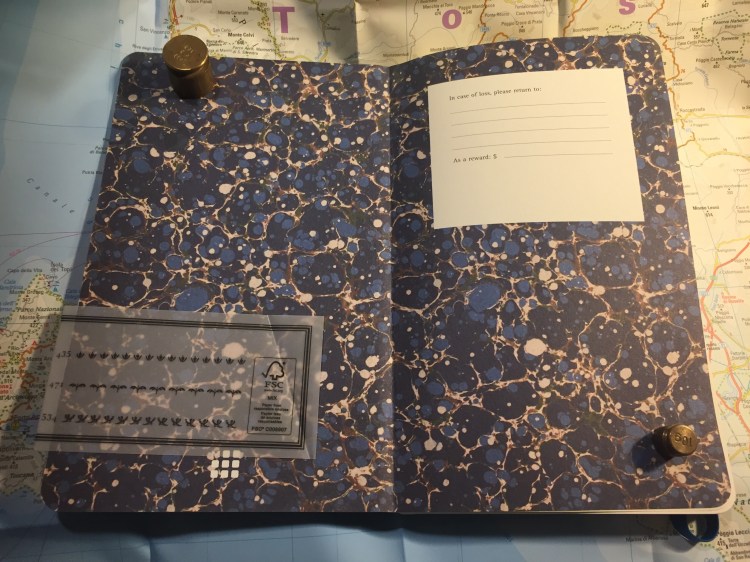
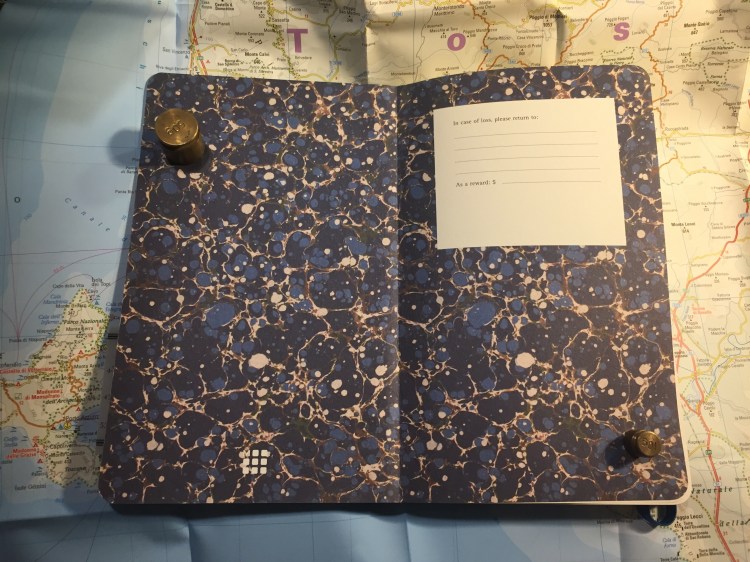
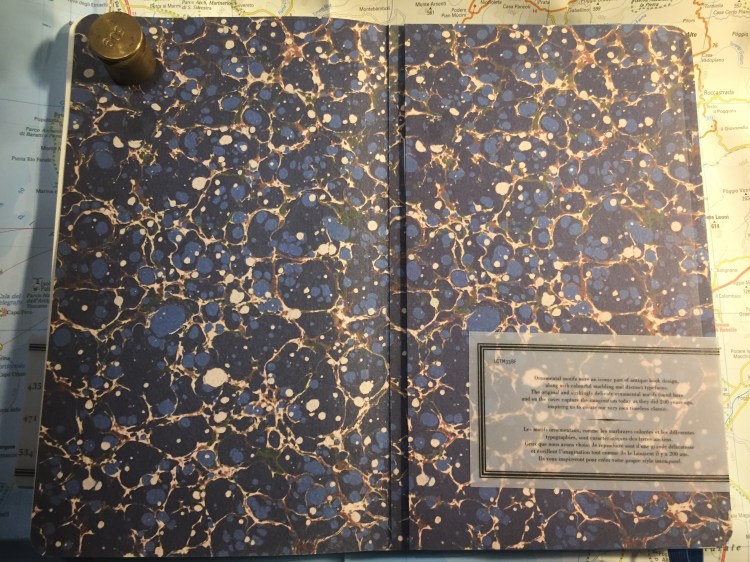
I love the transparent band, and the way they dealt with the “In case of loss” area on the front endpaper.

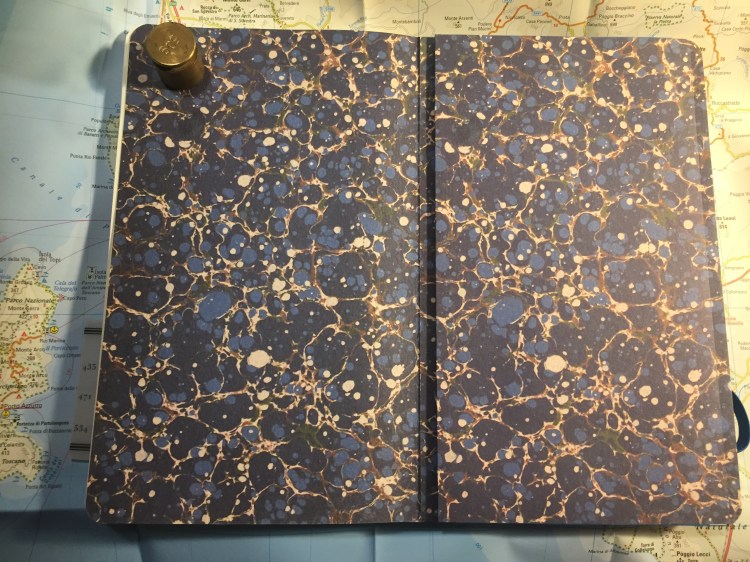
The marbling effect on the endpapers is gorgeous, even though it’s a print and not actual hand marbled paper.

Again, someone bothered to align the pocket and back cover prints. Well done.

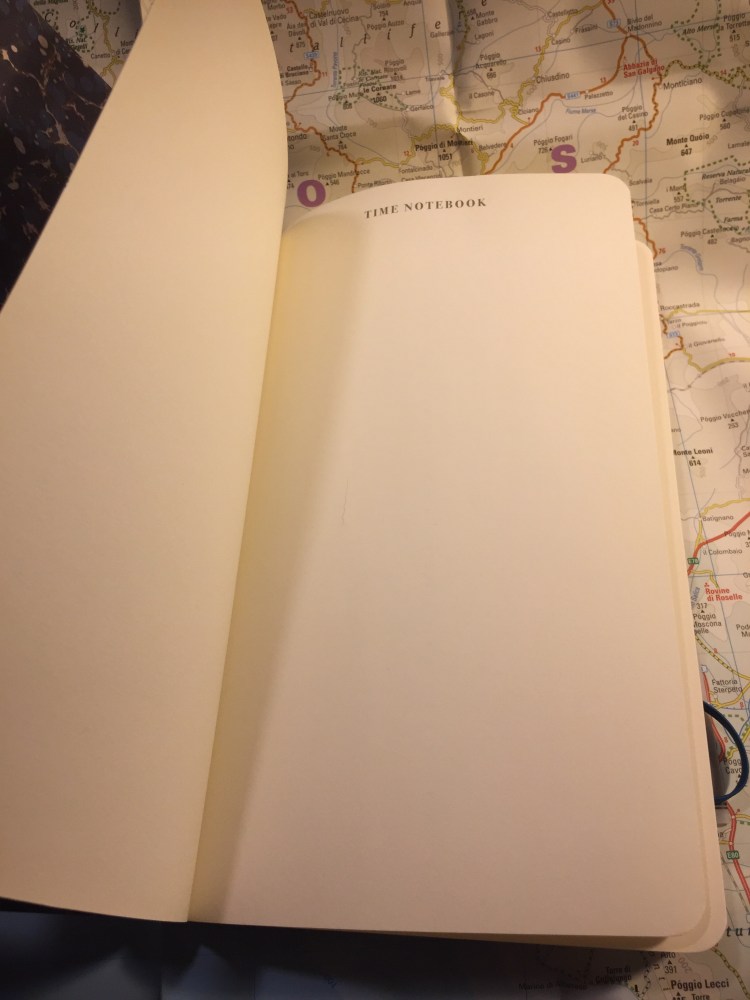
Since the first page of the notebook doesn’t open flat, Moleskine just put a blank page with a title there. I wish they would have done another throwaway page like that after the last page, but they didn’t.

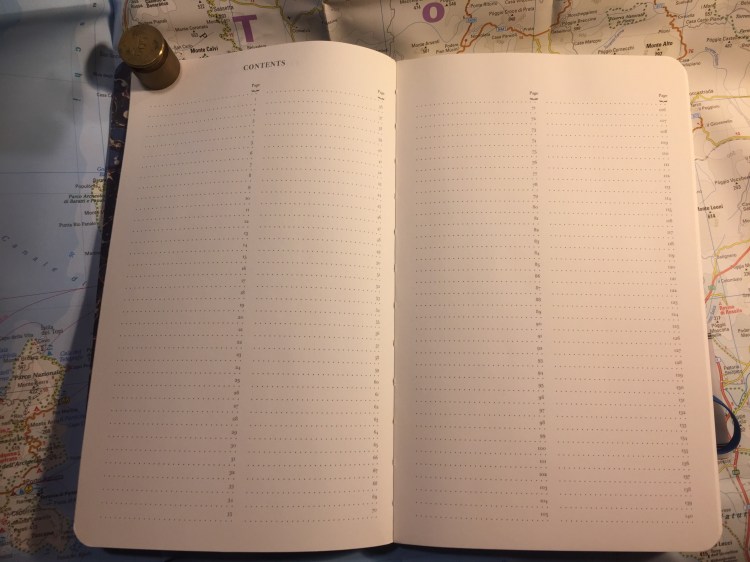
The index! Two pages, and suitable for people with tiny hand writing and short titles for their pages. It’s a nice idea, though.

The pages of this notebook are numbered, and… fountain pen friendly. Not sort of fountain pen friendly, actually, deliberately fountain pen friendly. This is a notebook “for precious thoughts” after all.

I deliberately tested this notebook with juicy, italic and stub nibs, and it handled it like a champ. The paper shows some shading, though not as much tomoe river paper, obviously, and fast drying times. If you use nibs that lay down a lot of saturated ink there will be a tiny bit of bleed through and some show through, but for medium or fine nibs you likely won’t encounter this issue.

The other side of the page:

The paper is smooth, but not glass smooth, so it will work well with pencil if that’s what you prefer to use.

Moleskine doesn’t make the Time notebook collection anymore, but you can still find them pretty easily. I wish that this paper and format were available in other editions, or even in their regular lineup, and I’m glad to see that they’re still experimenting with their formats, not just with cover designs.

If you can get your hands on one of these notebooks and the format appeals to you, I recommend it.

Sailor Jentle Ink Four Seasons Sakura Mori Review

I don’t use pink ink. My favourite ink colours are turquoise, teal, blue black, royal blue, and purple. I enjoy brown and green inks every once in a while. Black and grey inks are a staple in my collection. But pink ink? It’s a combination of two things that I don’t like: light coloured inks that are difficult to read, and inks on the red/yellow area of the colour wheel.

But a while back I got swept in the Sailor ink craze, and for some reason I decided to purchase a bottle of Sailor Jentle Four Seasons Sakura Mori ink.

P1010304.jpg

Sailor designed an ink bottle that has little chance of tipping over and spilling, and the box it comes in is beautifully designed, but… If you use oversized nibs, you are going to have a serious problem filling your pen, even with Sailor’s nifty little inkwell in ink bottle trick.

You see, inside the bottle Sailor places a little plastic inkwell. You fill your pen by turning the bottle upside down, and then the right way up. This forces ink into the plastic inkwell, and allows you to fill your pen even when the ink level in the bottle drops with use.

P1010305.jpg
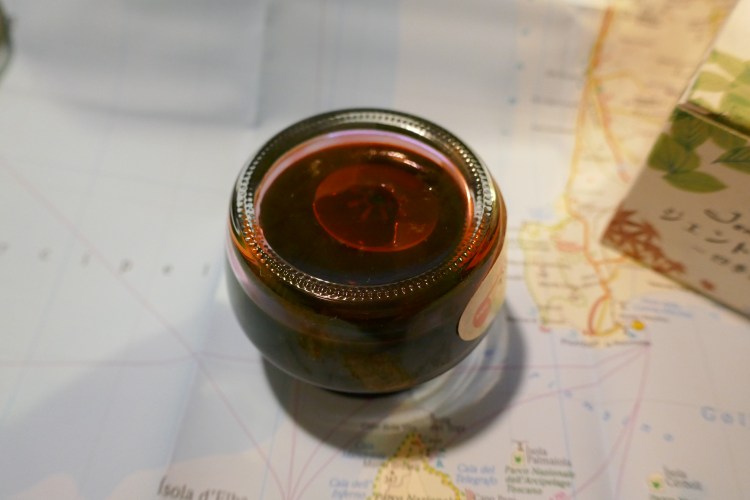
You can see the bottom of the inkwell here.
P1010306.jpg
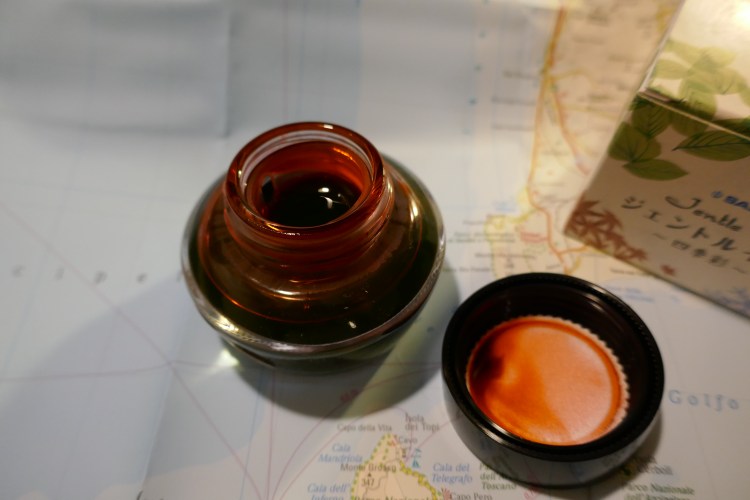
You can just see the edge of the inkwell within the ink bottle in this picture.

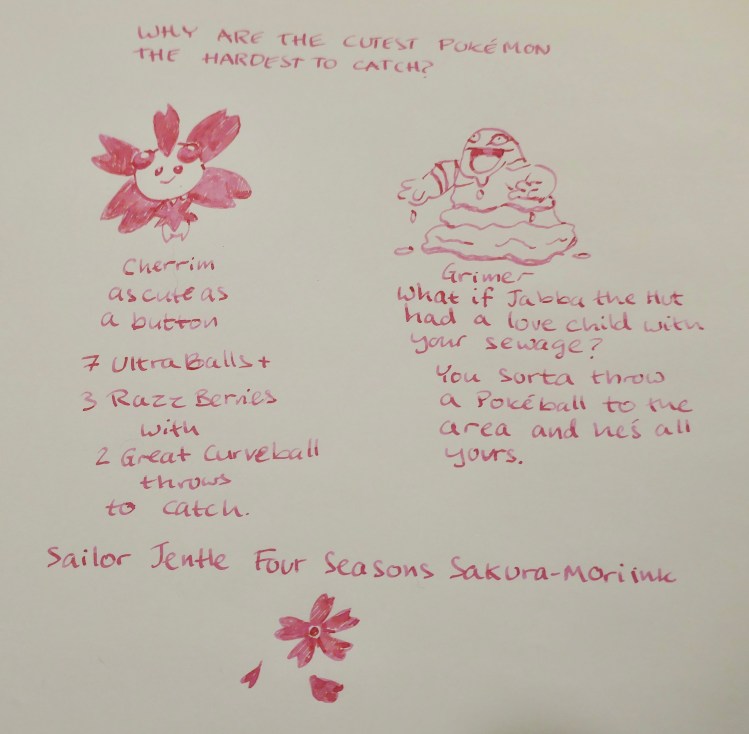
How is the ink itself? It’s darker than I thought, yet it isn’t a very saturated ink. There’s a bit of shading, and I think that’s part of what makes this ink readable. Take a look:

P1010303.jpg

This was drawn and written with a Pilot Metropolitan cursive italic medium on tomoe river paper. Sakura Mori is definitely a usable ink, in that it can be more or less clearly read (I wouldn’t use it on tinted paper), but it’s also definitely not for standard office use. It is a fun and cheerful colour, and I was surprised by how much I enjoyed using it.

Will I buy 10 more bottles of various shades of pink? Not likely. I am glad, however, that I gave this ink a try. It put a smile on my face, and after all, that’s what this hobby is all about.


This Week’s Long Run: Back On Track

After a long running hiatus, getting back to form takes time and patience. Your body struggles against you, refusing to accept that you really are regularly running, insisting that this must be a one time thing. Your feet feel heavy and sluggish, and it’s hard to push on, to put one foot in front of another.

Then, a few weeks go by, and your body suddenly decides to give in. It starts cooperating, and that makes all the difference. Today’s 10k marked that point for me. My run was faster, my body felt light and responsive. Things just flowed. It wasn’t the pure flying sensation that you get on a truly great run, but it was a good run nevertheless. I’m happy to be be back.

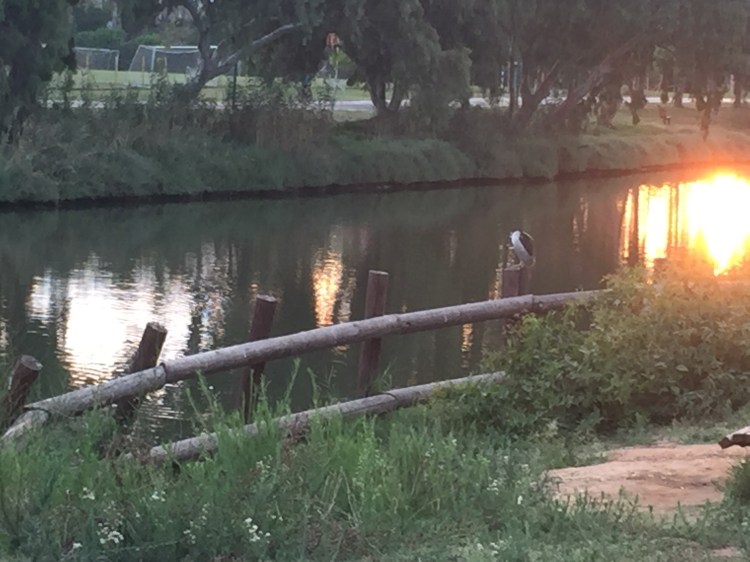
Set out super early, so the night herons were more out in the open, rather than huddling deep in the reeds on the banks.

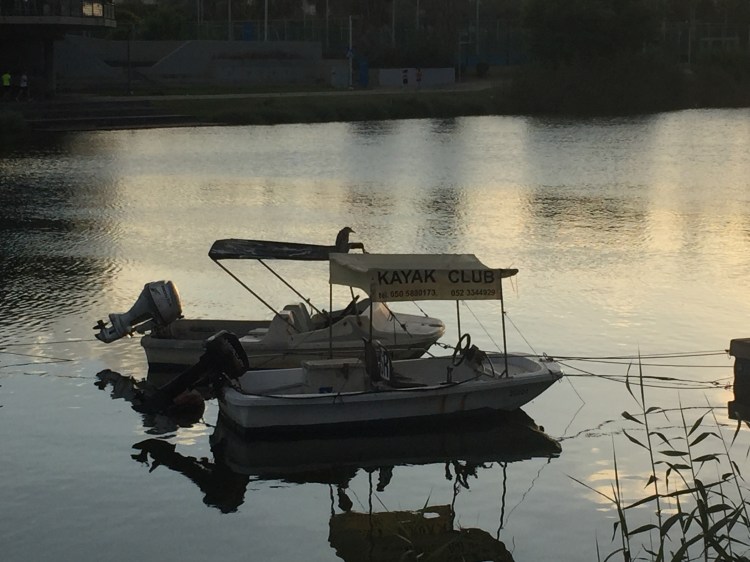
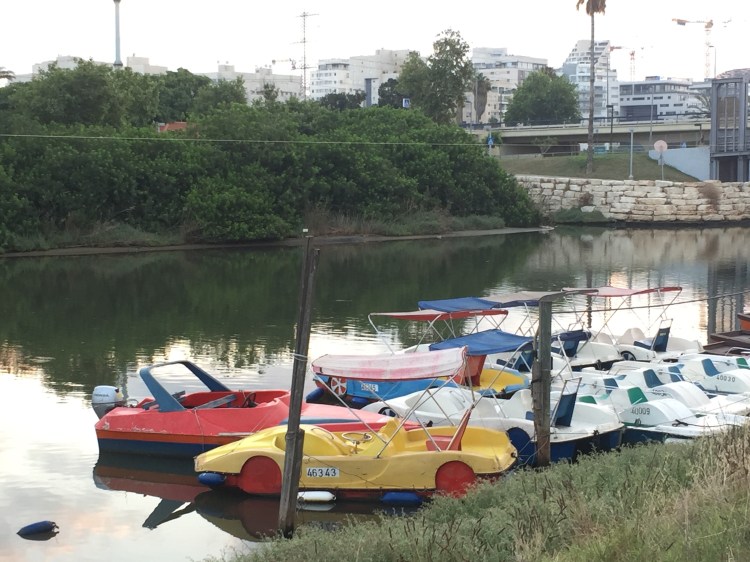
Tried to photograph a pied kingfisher, but he saw me and flew off, skimming across the water, so you just get a nice picture of peddle boats.

Second night heron of the run, and one slightly bigger than the previous run. The glare is the reflection of the sunrise over the trees in the park.

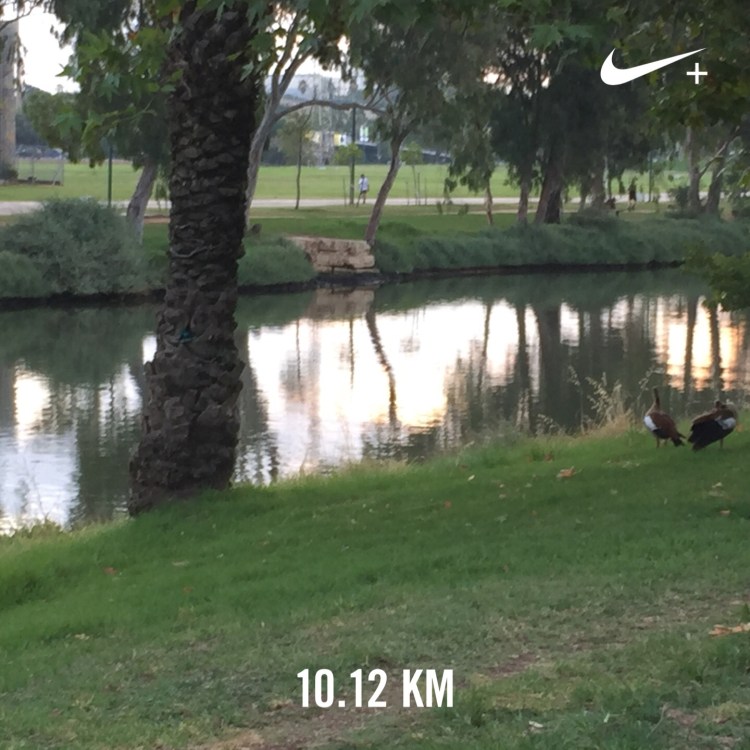
A little over 10k on a really nice run. The Egyptian geese say hello. They’re done with baby geese rearing for now, and they seem relieved.