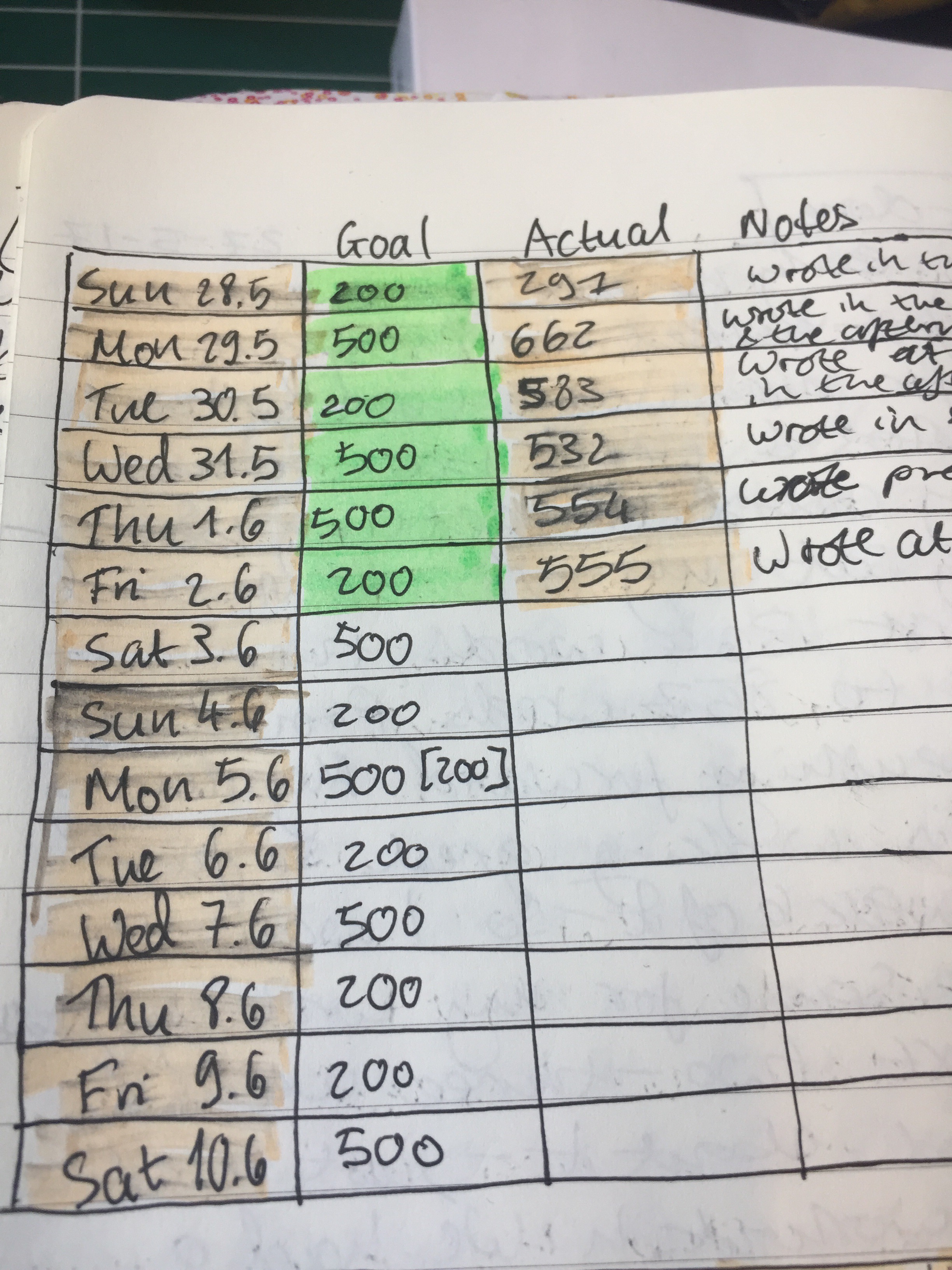
Tracking your golden writing hours

As I’ve built myself a writing plan, I’ve also started tracking my best writing hours. These are the times of day when I find writing easier and more enjoyable. My goal is to make sure, as much as possible, that my best writing hours as spent doing exactly that — writing.

The problem is that tracking is a drag. Luckily, I don’t need to track my writing time down to the minute or even precisely to the hour. Just knowing that mornings are my best writing times, that I can get some writing done in the afternoon, and that I’m practically useless late in the evening, or after a run, or after a full day of meetings at work is enough. It made me get up earlier in the past few days and try to get as much writing as possible done before I go to work.

When you log your word count for the day, take a minute to also note when you wrote most of those words down, and after a week or to you should have a better idea when your golden writing hours are. Then it’s just a question of protecting them as much as you can.


P1050723

This week’s long run

Started out way too early in the afternoon. Despite hat, sunglasses, sunscreen and water, this was a tough one — but I’m glad I ran it. Bathing season is now in full swing in Tel Aviv, and the holiday weekend meant that the beaches were packed.


Dog beach, where dogs are allowed to romp in the sand and water. In the background you can see the seperate beach, humming with people. 


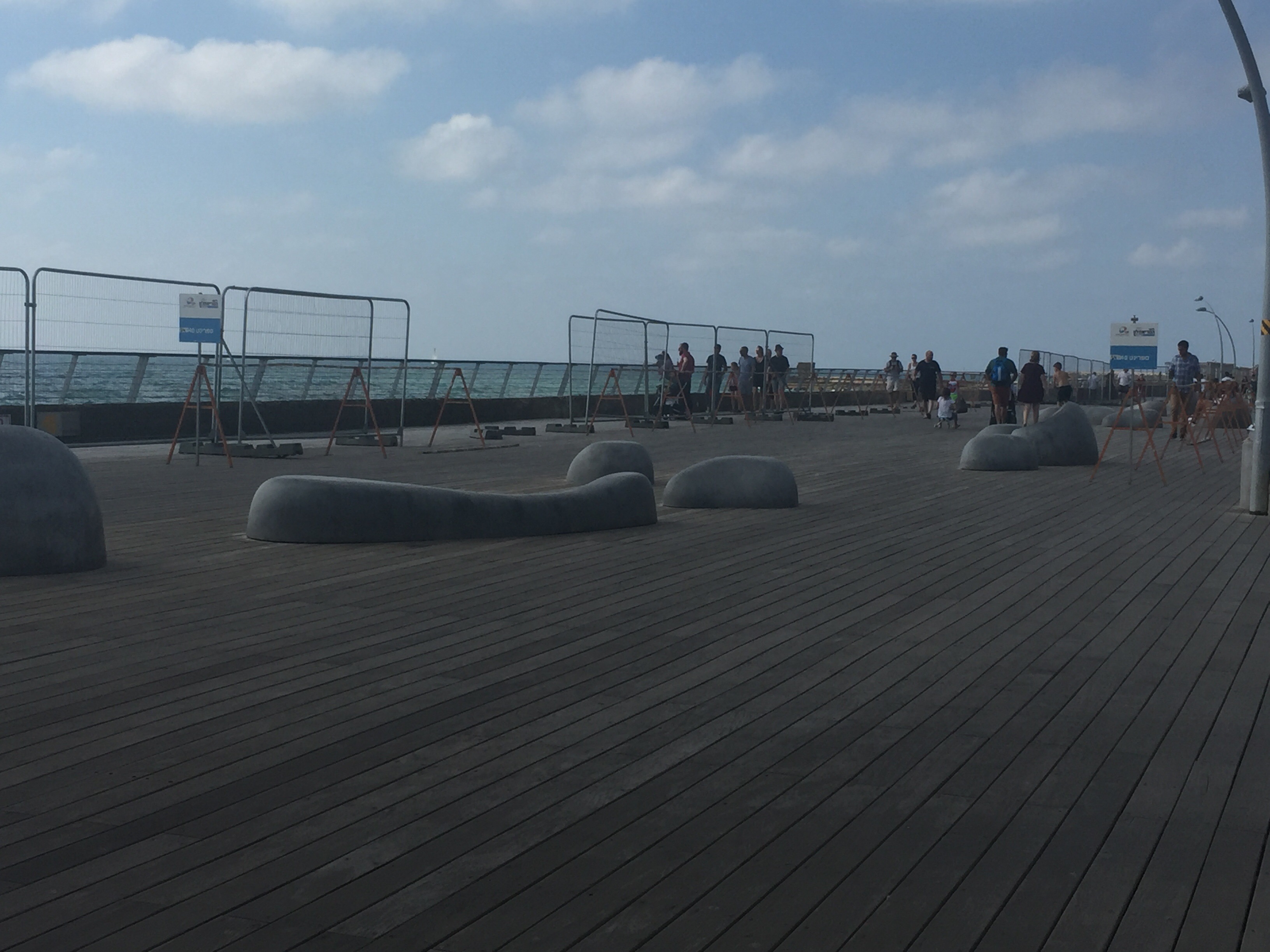
Getting things ready for the traithlon on Saturday meant that running in the Tel Aviv port was a bit of a challenge.


Everything ready for tomorrow’s triathlon.


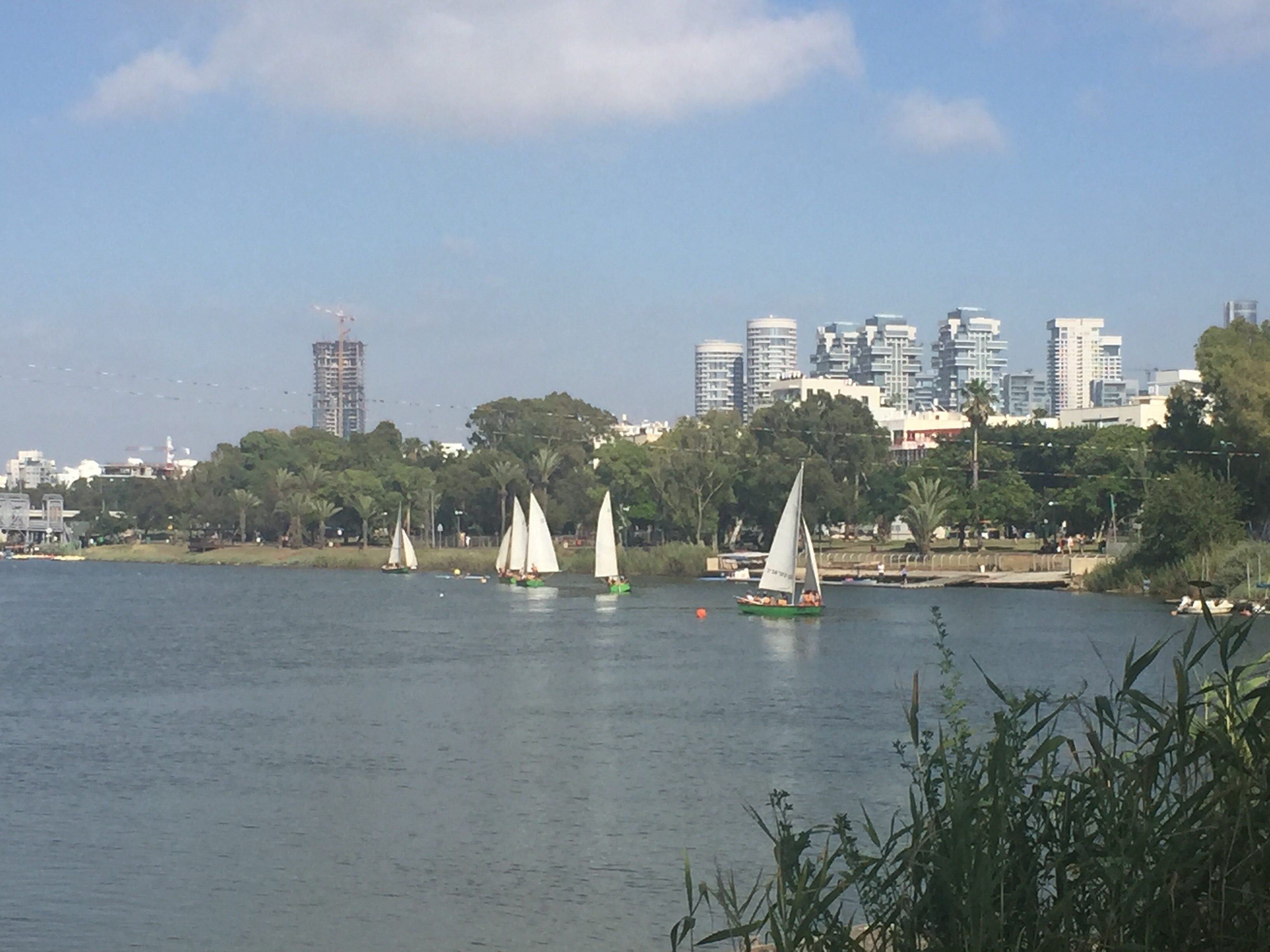
The sea scouts were out and about, rowing and sailing on the Yarkon.


Gratuitous photo of the sailing boats against the Tel Aviv skyline. 


Rose-ringed parakeet (called drara parrot here) on a Eucalyptus tree. Both are invasive species, but the parakeets, though delightful to see and hear, have done much more damage to the local birds.


Hopoe, digging away for insects.


Tel Aviv’s beaches have been decorated for the pride parade, and there was a DJ that played some pretty decent dance music also out for the occasion.


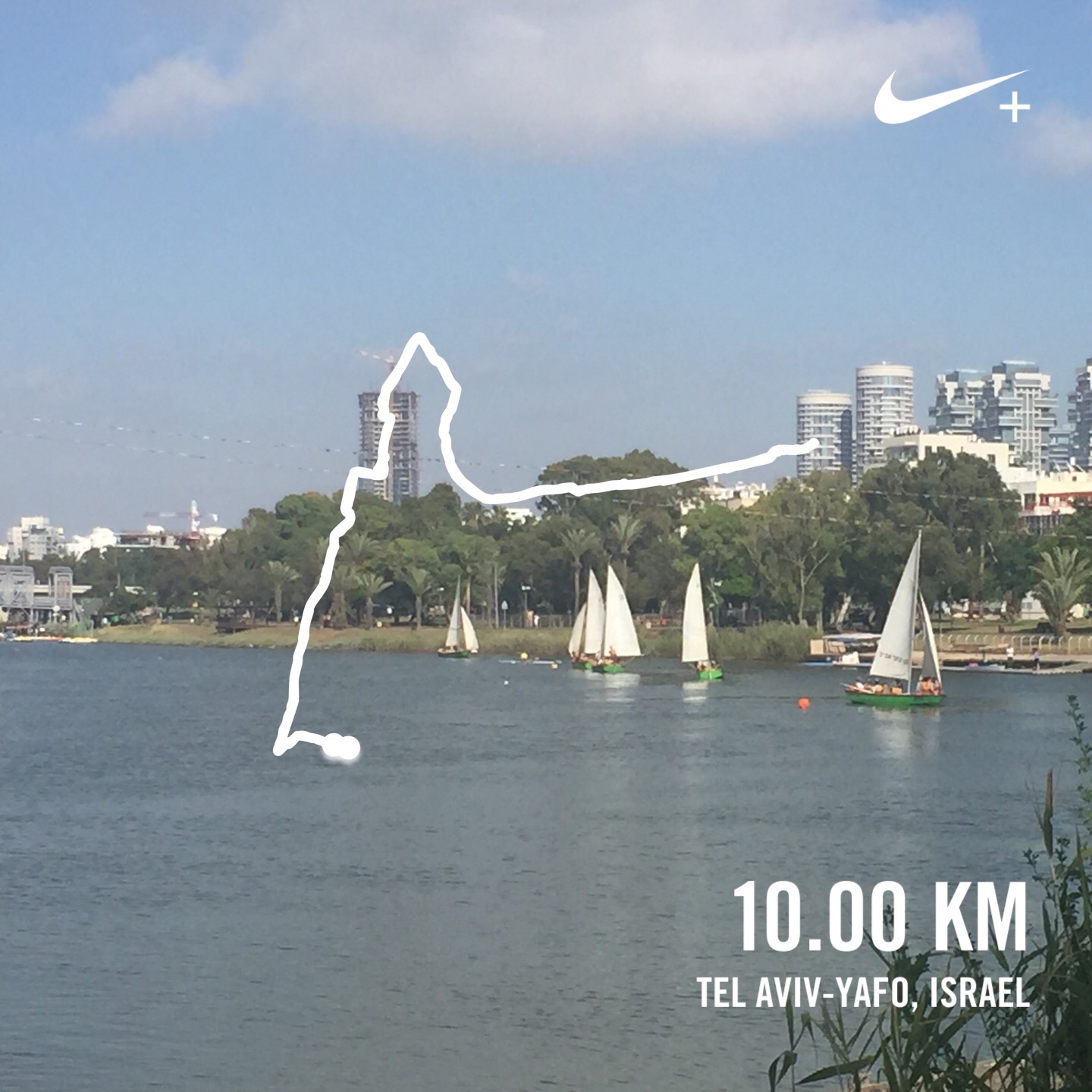
10K run, done and done. Glad that I did it, though for next week’s run, I’ll probably start either early in the morning or later in the evening. 

Streaks vs. Plans

I was in a bit of a writing slump over the past two months or so, and I tried to solve it by trying to get as long a streak as possible of writing every day.

I managed to go three days in a row, and then failed.

Now I’m using a writing plan that I drew up for myself, and I’ve gone 7 days in a row with more words written each day than I planned, and I’ve written more each day than I did during my short-lived streak. Why is that?

Streaks are something that we think helps us move forward, create habits, but I think they only give us the illusion of being helpful. Yes, if you’re on a streak, you really don’t want to break it — especially if it’s a long one. But streaks don’t motivate you to finish your daily goal early, or go beyond the goals. Streaks let you postpone things to the last minute — after all, you only miss your goal when the day has passed. They are inflexible — you set the same goal for each and every day, no matter what.

Plans allow you to do just that — plan your daily goal to accomodate your life. Busy day? Set a smaller goal. You have the day off? Set a more ambitious goal. They also don’t set you back to zero if you fail, and encourage you to try for at least a partial success, because not everything is lost if life happened and you didn’t meet your goal. There’s also less of a pressure with a well made plan to “keep extra words for tomorrow”. If you have something to write, write it. 

Just like athletes use training plans and not training streaks to prepare for a race, writers should use writing plans and not streaks to get their daily words in.