How I Use My Notebooks: Twitter Replacement Field Notes

I used to be a heavy Twitter use. I discovered the service pretty early on through webcomic artists like Scott Kurtz, and I found the challenge of crafting short tweets to be a fun writing exercise. Yes, I was among those disappointed when they raised the character limit – half the fun of the service was trying to be as clear and concise as possible.

When Twitter stopped supporting third-party clients like Tweetbot, and started becoming an unpleasant place to hang out, I left. It hasn’t gotten better in the interim years and as I have largely cut social media out of my life so I have no plans of ever going back. However, while I don’t miss Twitter (not as it is, not even as it used to be) I do miss the challenge of crafting short and punchy snippets of text: the haiku like nature of tweets. I also have a large pile of unused Field Notes pocket notebooks, and a not insignificant stock of really cool gel ink pens, rollerballs and ballpoints that are all seeing very little use.

Could I put these together to achieve an analog version of what I enjoyed most about Twitter?

The Birds and Trees of North America, Fall 2024 seasonal edition of Field Notes.

Yes, I could and I did and it has been glorious.

I selected a Field Notes notebook out of the the Fall 2024 “Birds and Trees of North America” edition because it’s a beautiful edition, it has lined paper (which I rarely have use for in pocket notebooks), and it seemed appropriate. I randomly selected a Retro 51 Tornado – The System limited edition one which has Uniball Jetstream SXR-600-05 hybrid ballpoint refill in it instead of the original Schmidt refill which I don’t like. Then I started writing down “tweets” in it throughout the day.
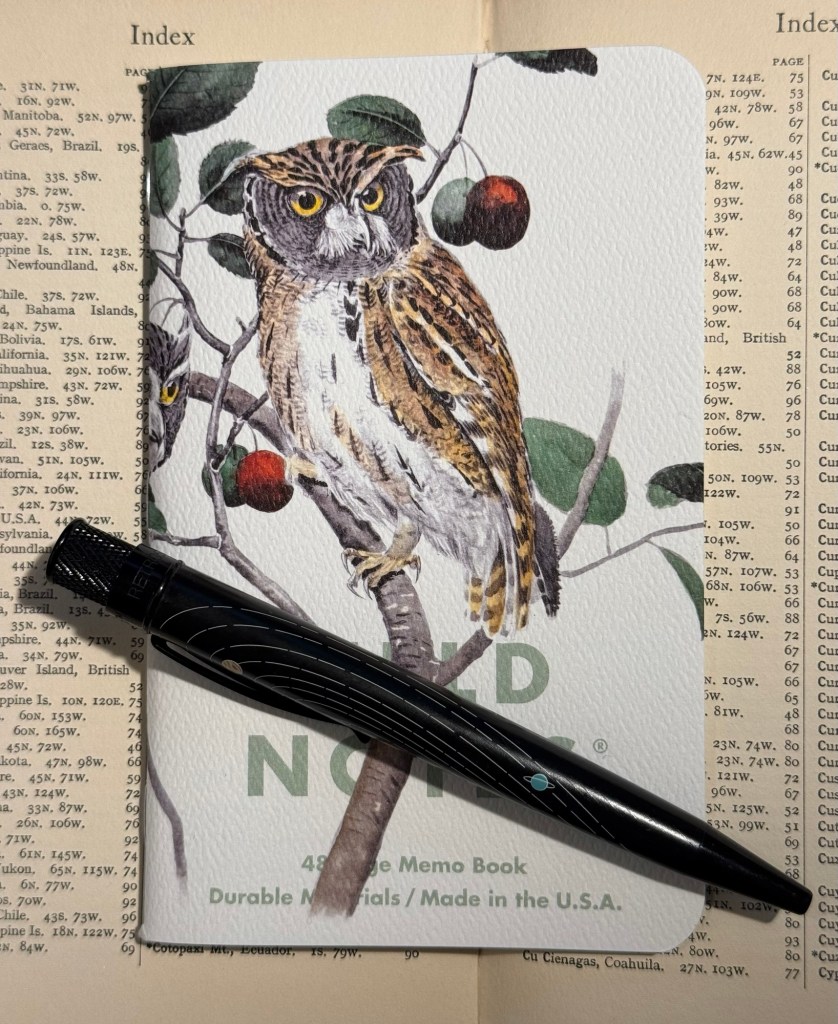
Rocky Mountain and Mexican Screech Owls Field Notes notebook (illustrated by Rex Brasher) and Retro 51 Tornado The System limited edition pen

I’m not dating them, I’m not counting characters, I’m just limiting myself to a few rows for each entry, and I’m writing them as if I would be publishing them. The writing style is therefore different than what I would write in my journal, and so far it’s also focused exclusively on things that I don’t write about in my journal (mainly reactions to things I did or saw or read). I have no intention of ever publishing anything in this notebook, but I do enjoy the challenge of writing it as if it would be something that I would post somewhere.

So I get to practice my writing skill in a new way, I get to use some of my wonderful Field Notes stash, and I get to use some of my great standard pens. All this without filling the pockets of various billionaires with my work, and without encountering the bots and the foaming hordes of professional haters and rabble rousers online.

I highly recommend this practice, whether you do it with a fancy Field Notes or just any pocket notebook you have on hand. Using a notebook of this size will remind you to keep your entries short, and it’s something that you can easily carry with you and use in waiting rooms, boring meetings, or when you need a little break between tasks throughout the day.

Give it a try and let me know how it goes.

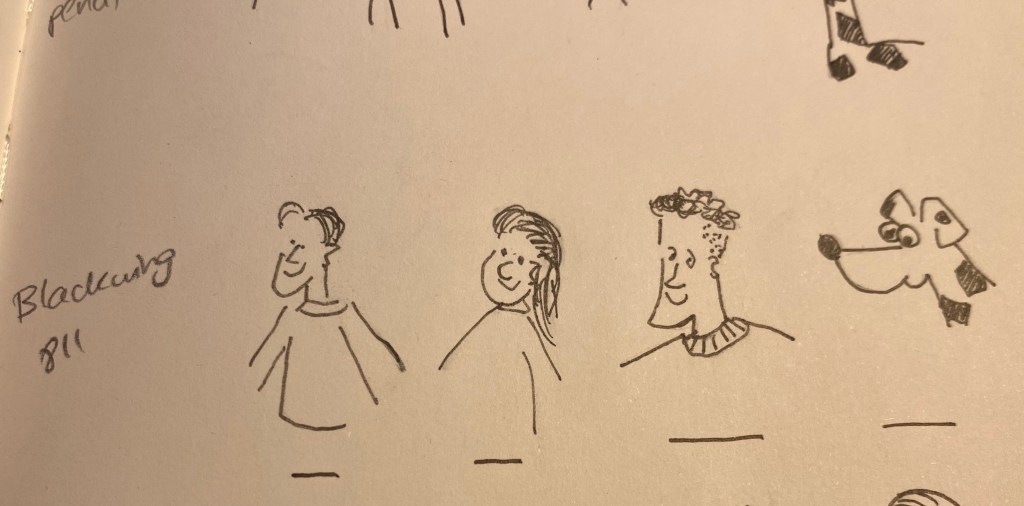
Quick sketch: Joe

I want to live like him if I ever get to live to my 90s.

Uni-ball pin 0.8 fineliner

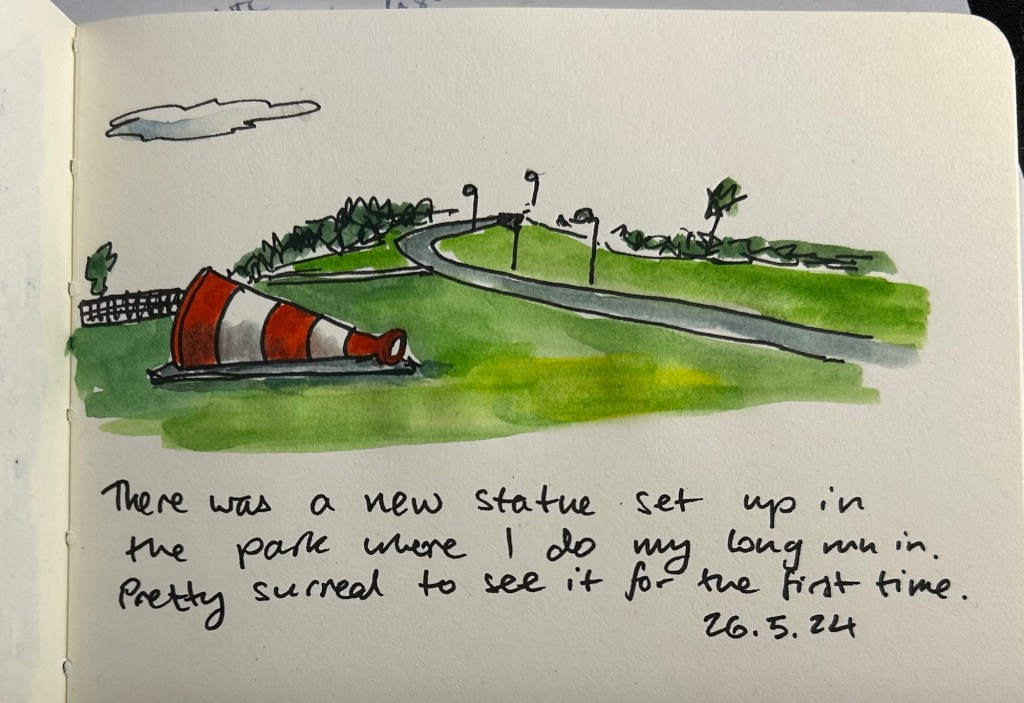
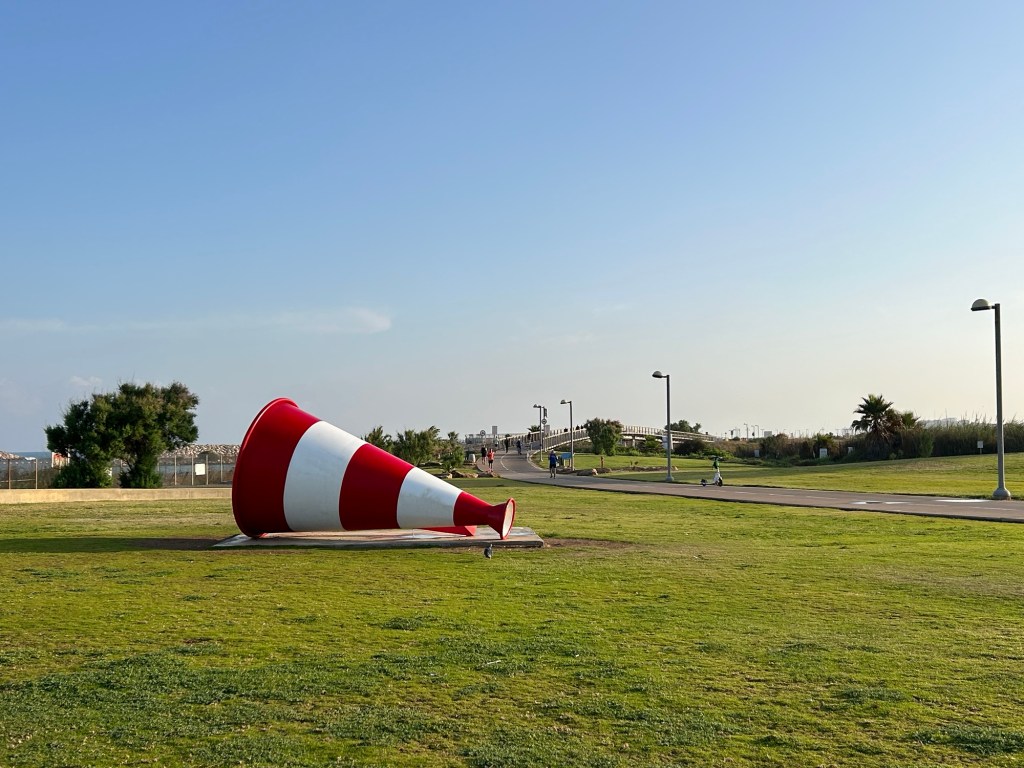
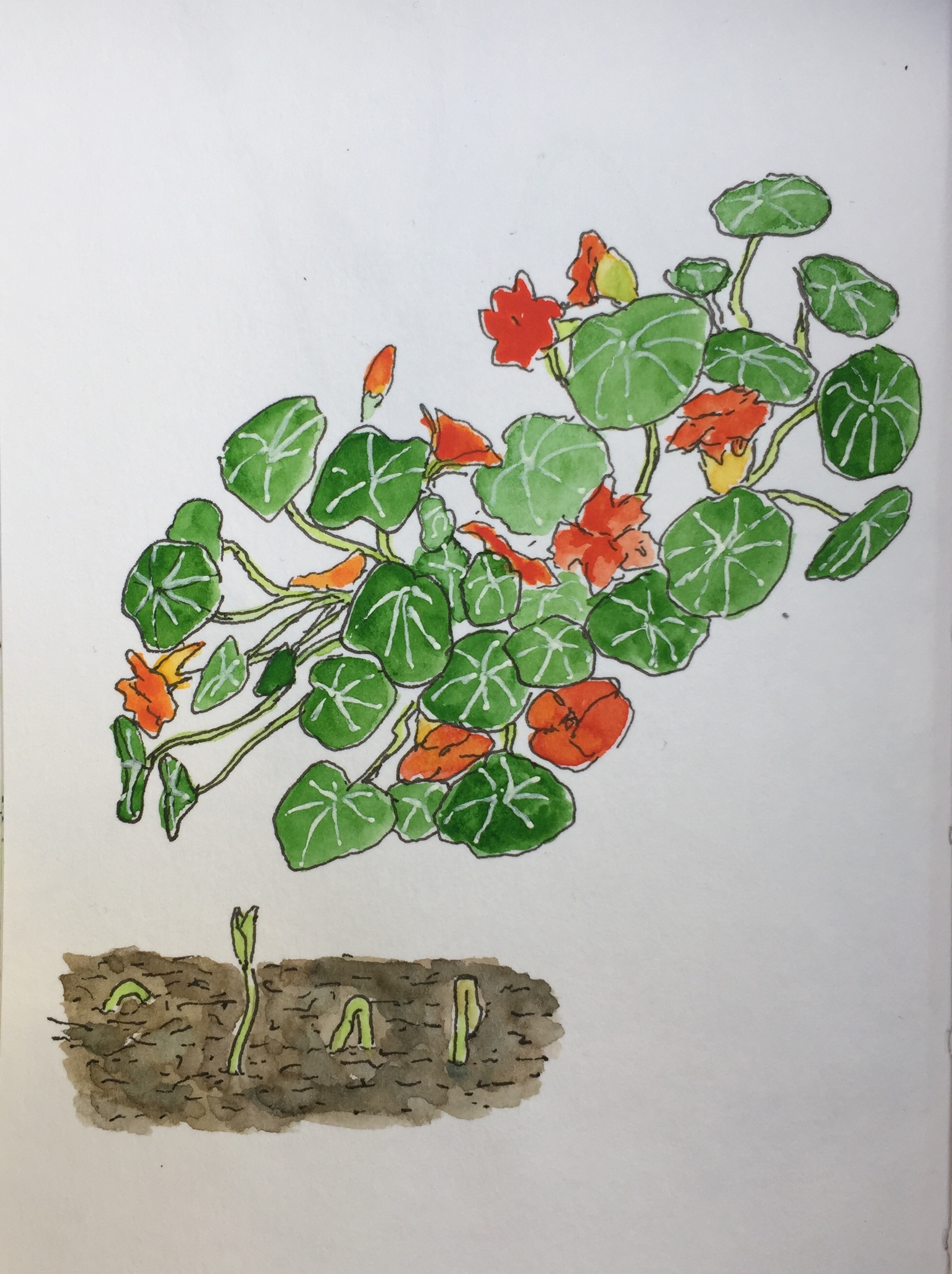
Quick sketch: New sculpture

Am I starting a new sketch journaling habit? Too early to tell. Meanwhile, I’m having fun teaching myself to sketch fast and loose.

Cheap Cass Art sketchbook, Uniball Pin 0.8 and watercolours
The original

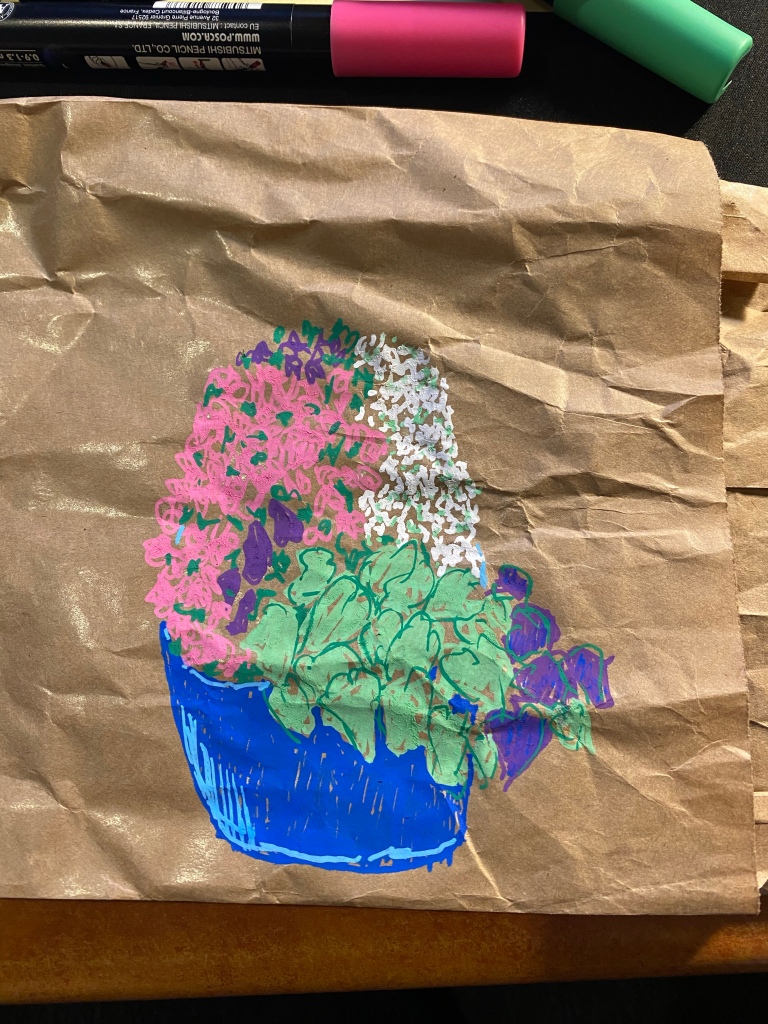
Playing with Posca Paint Markers

There were a few Posca paint marker sets on sale while I was in London, so I bought two sets to play with. Here’s a quick sketch of a planter near the Tel Aviv port, done with fine Posca paint markers on a paper bag that held sweet peppers before I reused it.

Uni Jetstream Edge Review

I’m not a fan of ballpoint pens. Their refills tend to streak and glob, the ink they use isn’t ass dark or vibrant as their gel ink and rollerball counterparts, and something about them (probably the lightness and inconsistency of the refill) makes me grip them with “the grip of death,” which inevitably brings on hand cramps and pain. They are, however, useful at times, so I am constantly on the lookout for new and better ballpoint pens and ballpoint refills.

Enter the Uni Jetstream Edge, a ballpoint pen with a strikingly modern design and the world’s first 0.28mm ballpoint refill (there’s also a 0.38mm refill option but I won’t review it here).

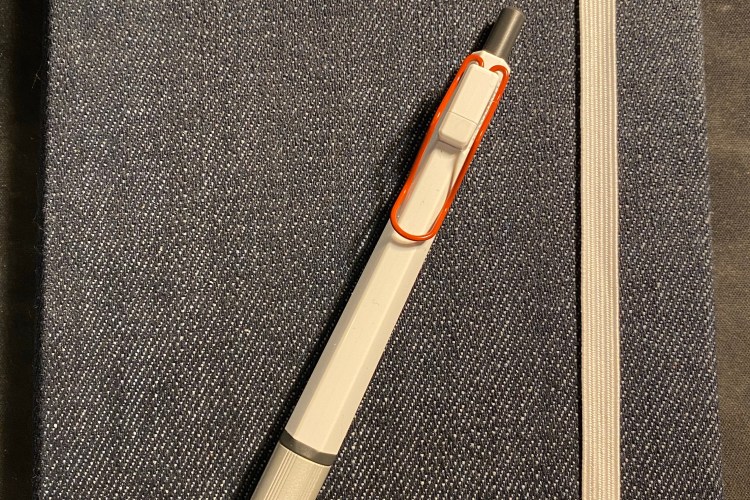
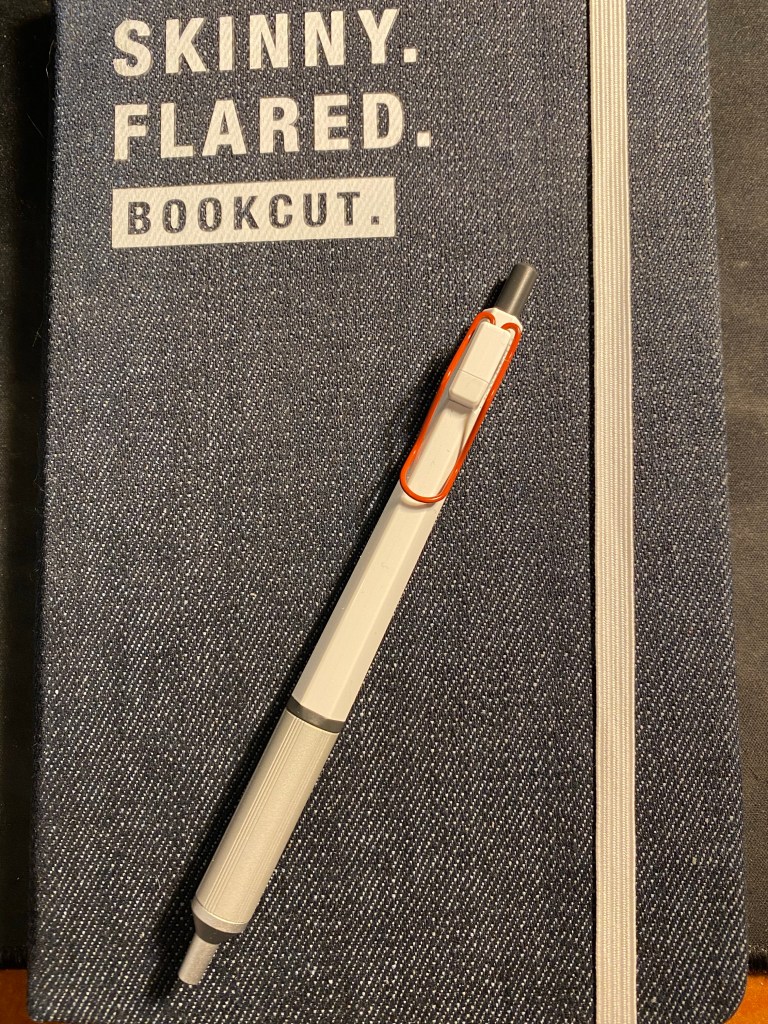
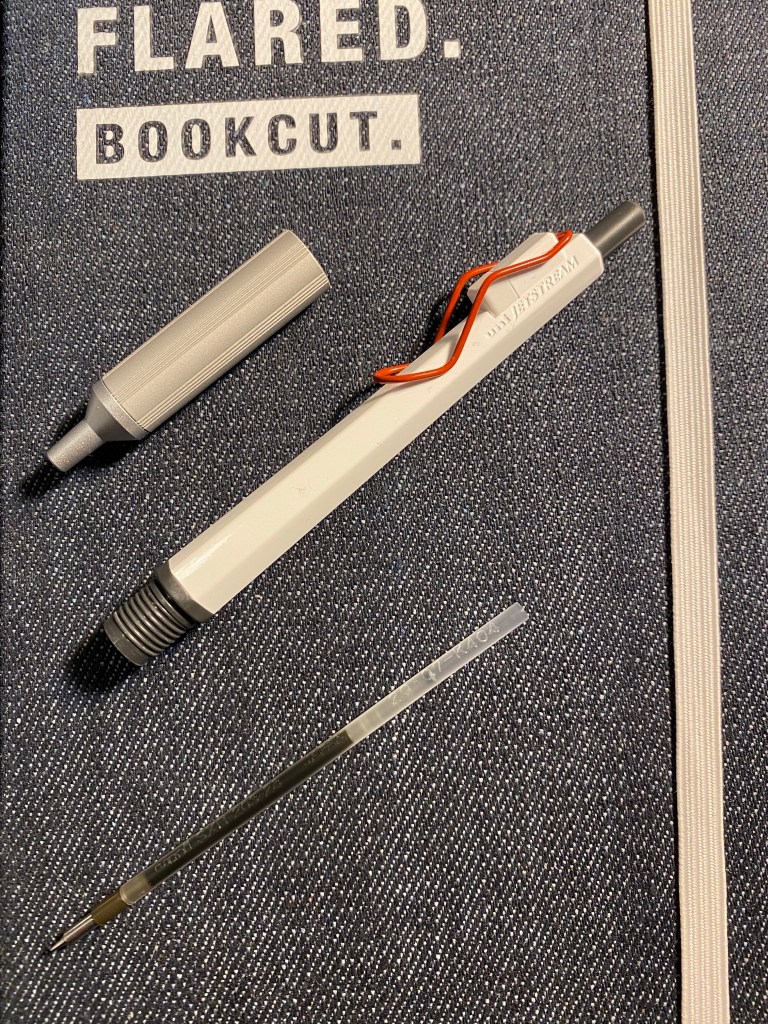
Uni Jetstream Edge white and red body with 0.28 mm refill on a Moleskine Denim.

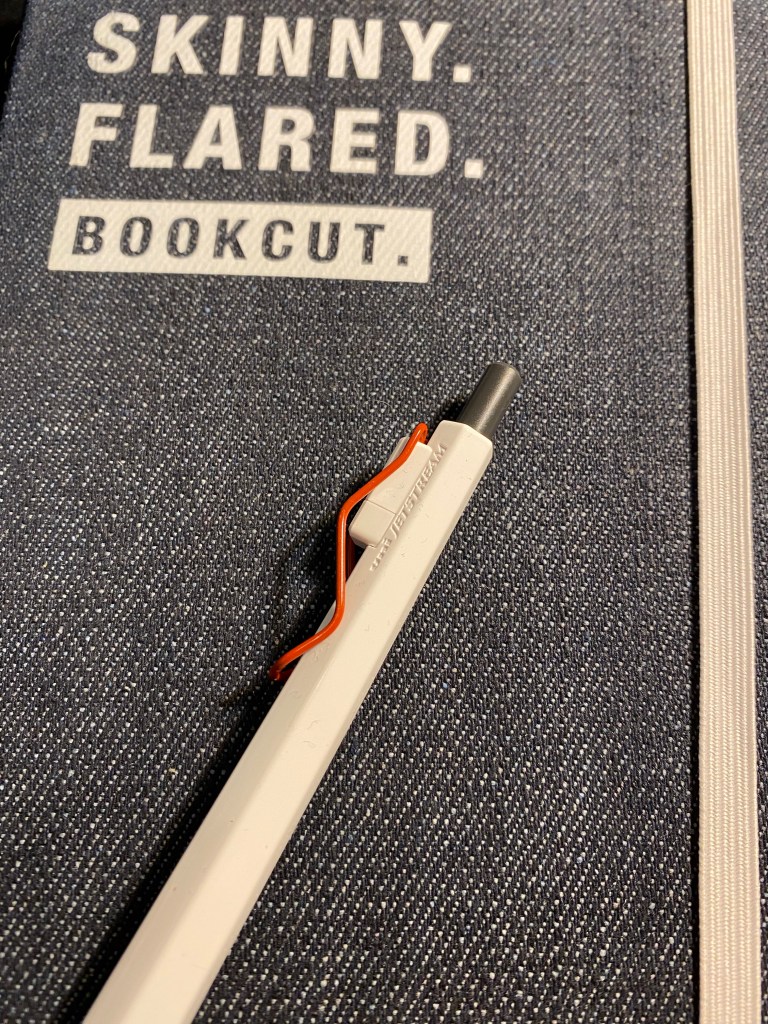
I love the design of this pen. The body is plastic, but the grip area is metal and relatively wide, which makes for a very well balanced pen. The bent wire shape of the clip adds to its modern and clean aesthetic, and I like that chose to make it red and not black or silver in the white edition of this pen. The clip looks like it would be a fun and springy fidget tool, but it’s quite inflexible and immobile. That’s great if you plan on using it to clip it to a shirt pocket, but the unusual clip shape means that clipping it to paper will likely crumple and even tear the paper. I don’t normally clip my pens to things, so that’s not going to be an issue for me, but YMMV.

The clip, and the subtle Uni Jetstream branding.

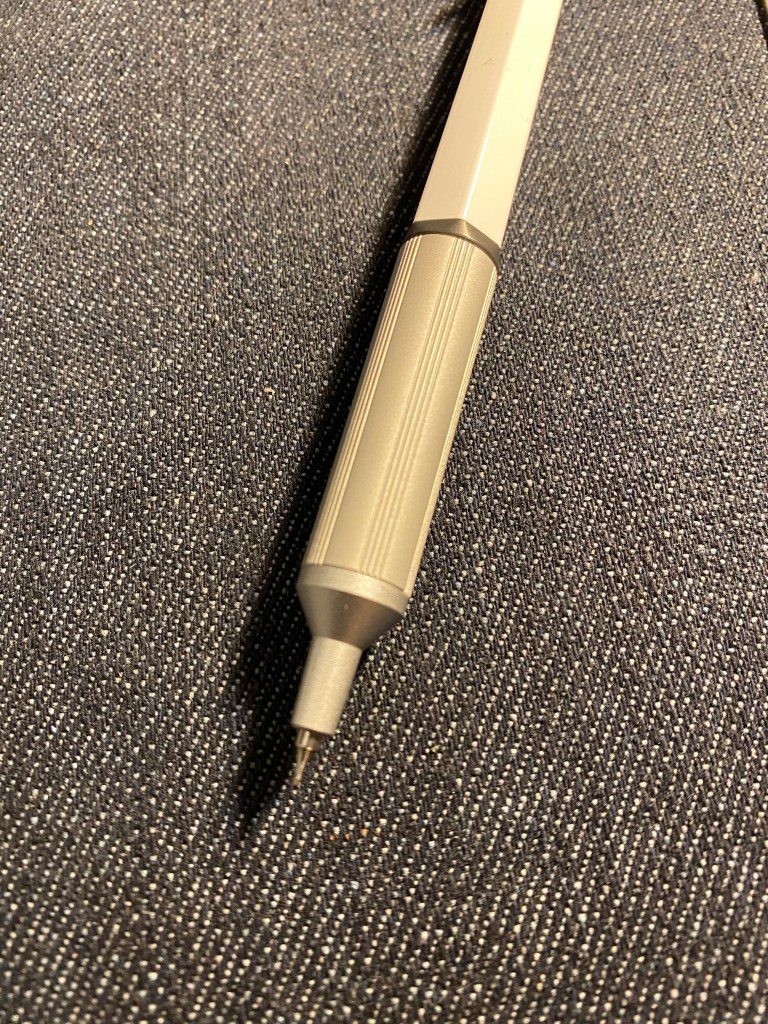
The Jetstream Edge grip section is metal and round, unlike the plastic, faceted pen body. There are grooves carved into it that make it comfortable to hold, and the refill sits very snugly in the pen sleeve. This is a pen that’s not going to rattle while you write.

Jetstream Edge grip and business end.

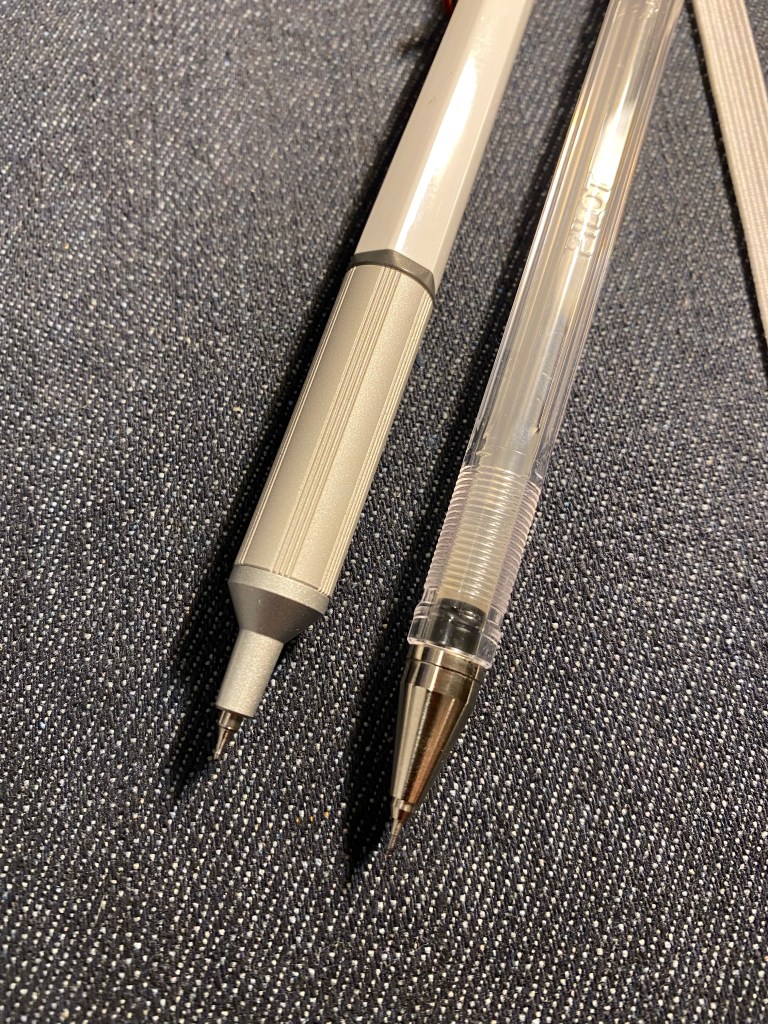
The 0.28 mm Jetstream ballpoint refill has been designed so that the tip won’t suffer the usual “bent out of shape the moment you breath too hard on it” fate of the Pilot Hi-Tec-C refills. Its sturdy but still keeps a tapered, fine tip, which means that you can use it with rulers and templates if you so desire.

Jetstream Edge on the left, Hi-Tec-C on the right. Note the difference in the tip and nose cone design between the two, and that the Edge grip is wider.

The refill the Jetstream Edge uses is the SXR 203-28 for the 0.28 mm or the SXR 203-38 for the 0.38mm tips size, although it appears that can also accept the Uni SXR-80 line of refills used for Uni-ball’s multi-pens. If so, that could open a wider range of refill colours and tip sizes.
The original, SXR 203, refill is very slim, which would have been problematic if it was a gel ink refill (you’d have written it dry in a day), but shouldn’t be a problem with a ballpoint refill. That being said, I doubt that this refill will last as long as a standard Parker one, not to mention the Caran d’Ache Goliath.

The Jetstream Edge dismantled with the refill on the side.

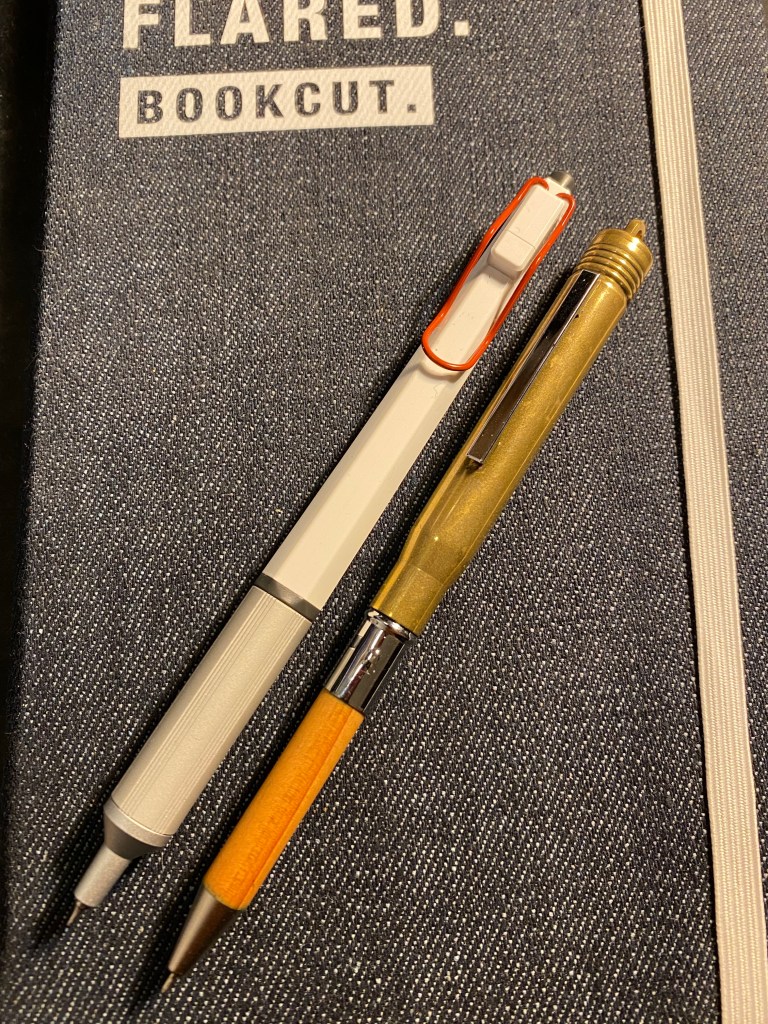
While Uni-ball brags that the Edge uses the first 0.28mm ballpoint refill in the world, there are other brands that use ultra fine ballpoint refills not far from it in size. My Midori (now Traveler’s Company) Brass Ballpoint pen has a refill that is around that size, so I thought I’d compare the two.

Jetstream Edge on the top left, the Traveler’s Company Brass Ballpoint is on the bottom right.

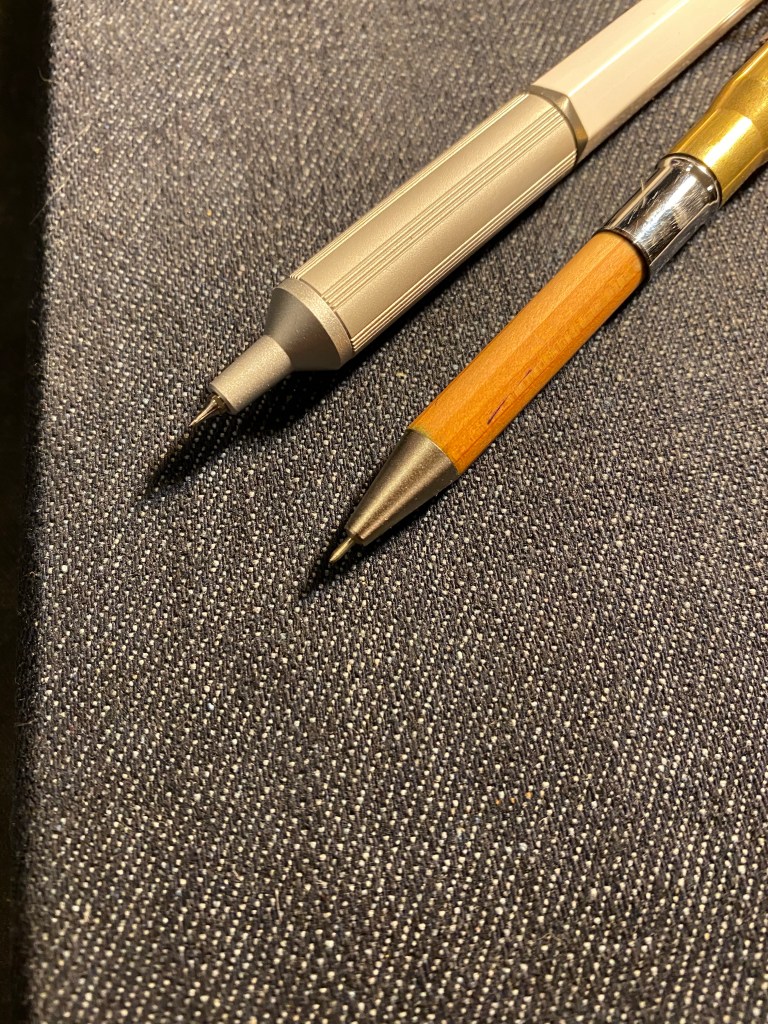
Here are the pen tips side by side. The barrels, grips and cones are very different but the refill tups are very much alike.

Jetstream Edge on the top, the Traveler’s Company Brass Ballpoint is on the bottom.

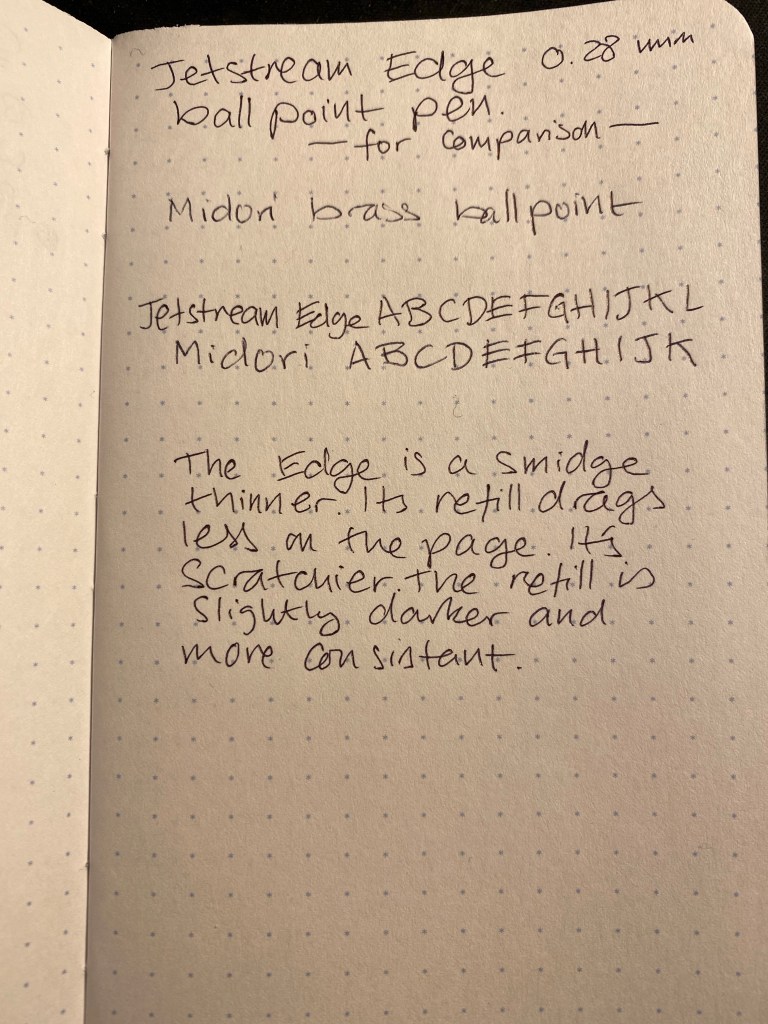
Below you’ll find a writing sample of the Jetstream Edge, and one of the Midori/Traveler’s Company Brass Ballpoint for comparison. Perhaps unsurprisingly, being a Jetstream refill, the Edge’s refill is better than the Midori’s even though it is slightly thinner. It lays down a more consistent and slightly darker line (although nowhere near as dark as a gel ink pen’s line).

I wrote seven full A5 pages with the Jetstream Edge, to see how consistent the line is over time, and to see if it would cause hand cramps after prolonged use. While I was writing I made a concentrated effort to keep a light grip on the pen. The barrel design helped with this, and the pen’s light weight and front heavy balance made it nice to hold and write with. But the Jetstream Edge is a pen with a sweet spot, not unlike certain fountain pens. Angle it too much and the refill starts to skip, so you need to write with the pen as vertically as possible. That slightly awkward writing angle may have been the cause of my hand cramps, but whatever the cause may be, this is not a pen that will work for long writing sessions for me.

So, do I recommend the Uni Jetstream Edge? If you’re a ballpoint fan and an ultra micro tip fan, then yes. Otherwise, there are cheaper and better ballpoint pens out there, even within the excellent Uni-ball Jetstream line.
Will I be using the Jetstream Edge? Yes, although not for long writing sessions. I love the line it lays down, and I like the aesthetic of this pen. Then again, I’m a fan of the Pilot Hi-Tec-C

Uni Pro M9-552 Mechanical Pencil Review

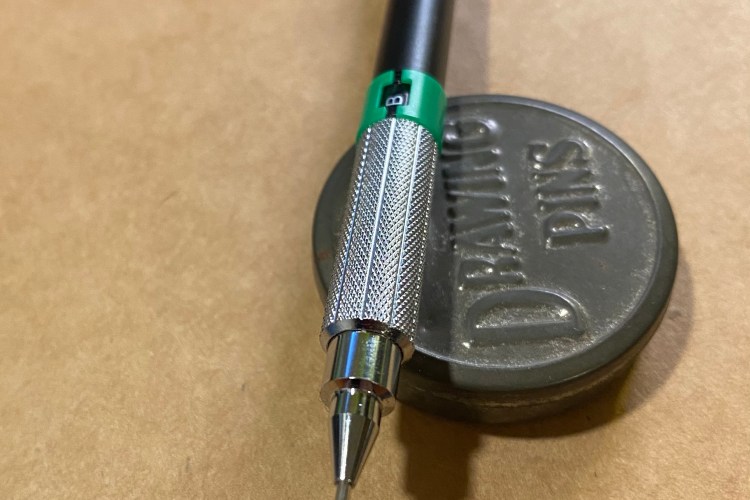
First review of the year! I bought the Uni Pro M9-552 mechanical pencil a while ago in London, I believe. Never having heard of it before, and noting that it was an inexpensive drafting pencil, I decided to give it a try. I wasn’t disappointed: the Uni Pro M9-552 has a terrible name, but it’s a very good drafting pencil AND a very good mechanical pencil, which is not the same thing.

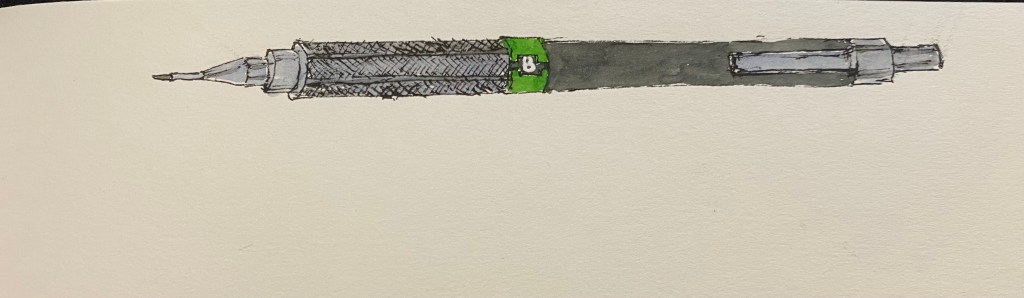
Illustration of the Uni Pro M90552 mechanical/drafting pencil.

The Uni Pro has a plastic body, a knurled aluminium grip and an aluminium cap and clip. This makes for a light pencil that is weighed towards the tip, which is what makes this a good mechanical pencil and not just a good drafting pencil. It’s very comfortable to hold and write or draw with, even for long periods of time, because of the weight distribution and the knurling on the grip. The knurling provides excellent grip without cutting into your hands.

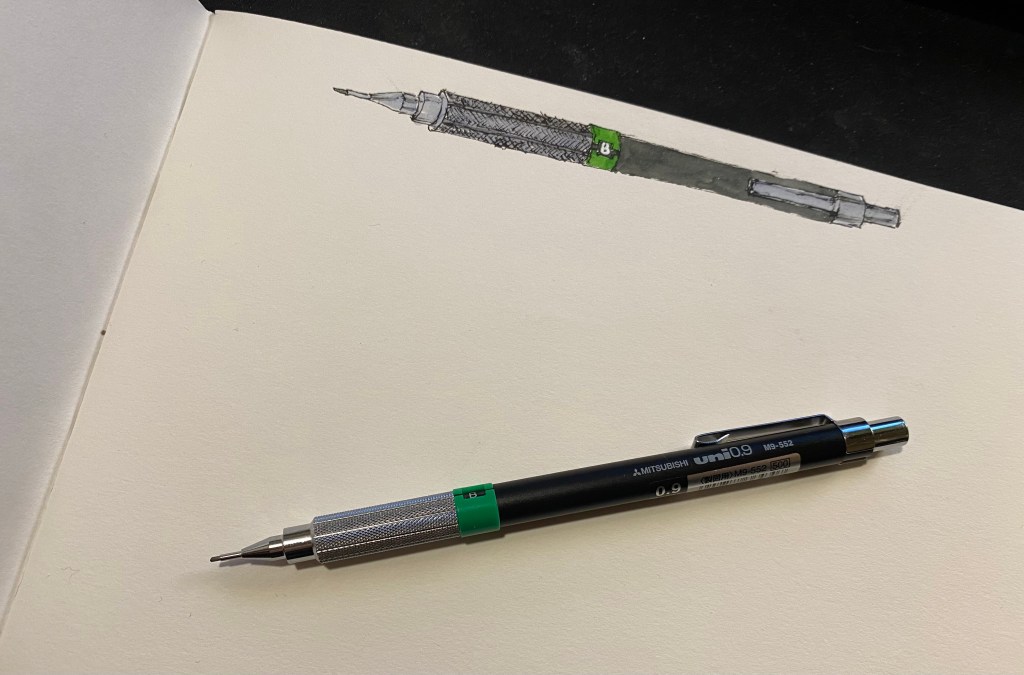
Illustration of the Uni Pro M9-522 with the pencil itself.

Like all drafting pencils, it has a long lead sleeve and a lead grade indicator. I like the touch of colour that it provides to this otherwise very utilitarian design. The cap has the lead width, 0.9, engraved into it, and under it is the usual refillable eraser. It will do in a pinch, when you don’t have a block eraser around and have very little to erase.

This isn’t a lead review so I’m not posting a writing sample, but I will say this – if you haven’t tried writing or drawing with a 0.9 lead mechanical pencil, I recommend giving it a go. You get most of the line variation and expressiveness of a woodcase pencil, but without having to stop and sharpen it all the time.

Closeup of the knurling.

The Uni Pro M9-552 is a good choice of drafting pencil, with its light weight making it a good choice for people with small hands or those that are looking for a drafting pencil that can also serve as a mechanical pencil (i.e. a daily writer). The Uni Pro 552 series also includes a 0.5 pencil (with a red lead grade indicator), 0.7 pencil (blue indicator), 0.3 pencil (yellow indicator), and even a 0.4 pencil (orange indicator, at a rare lead width).

Black Eraser Showdown

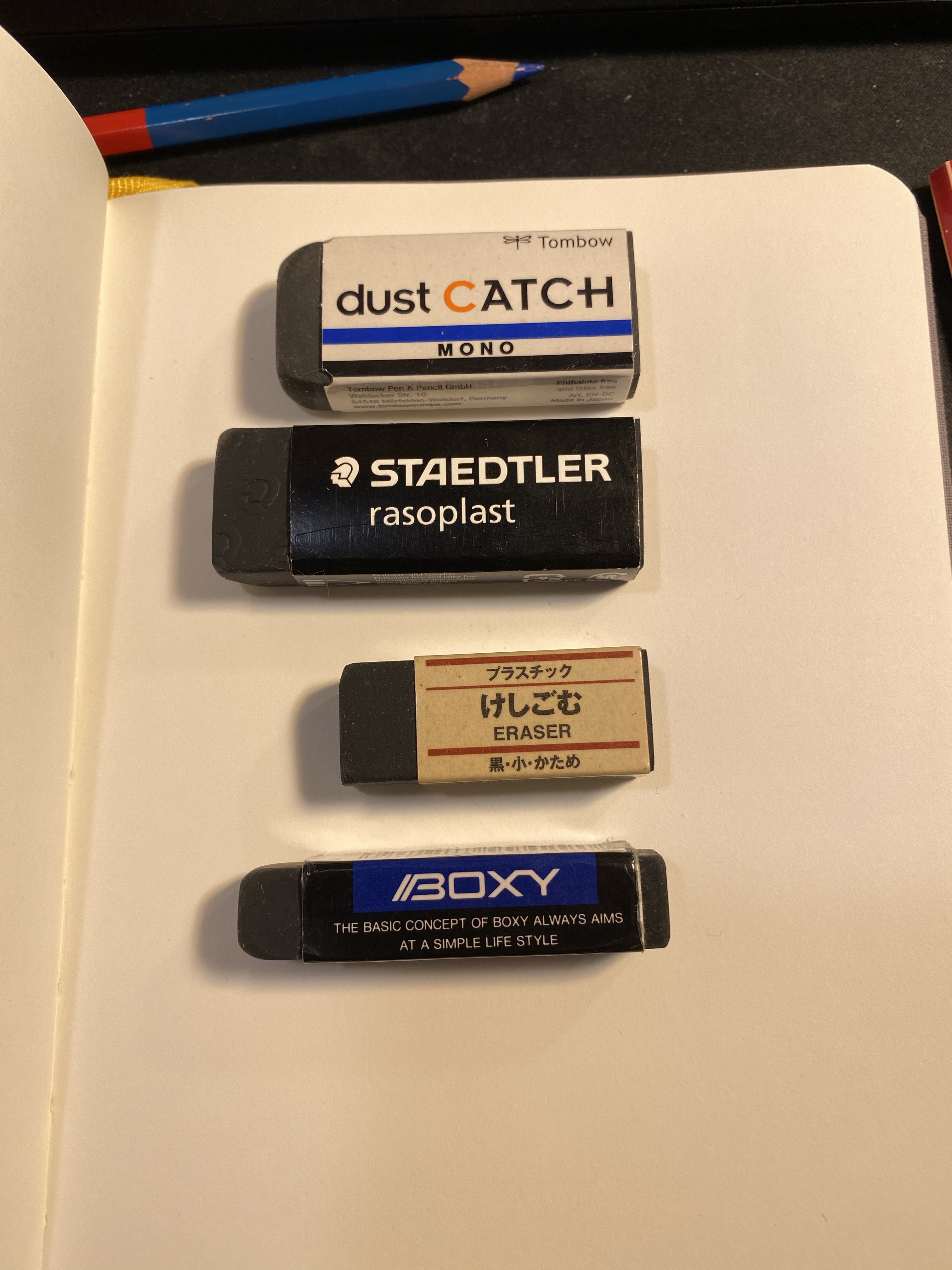
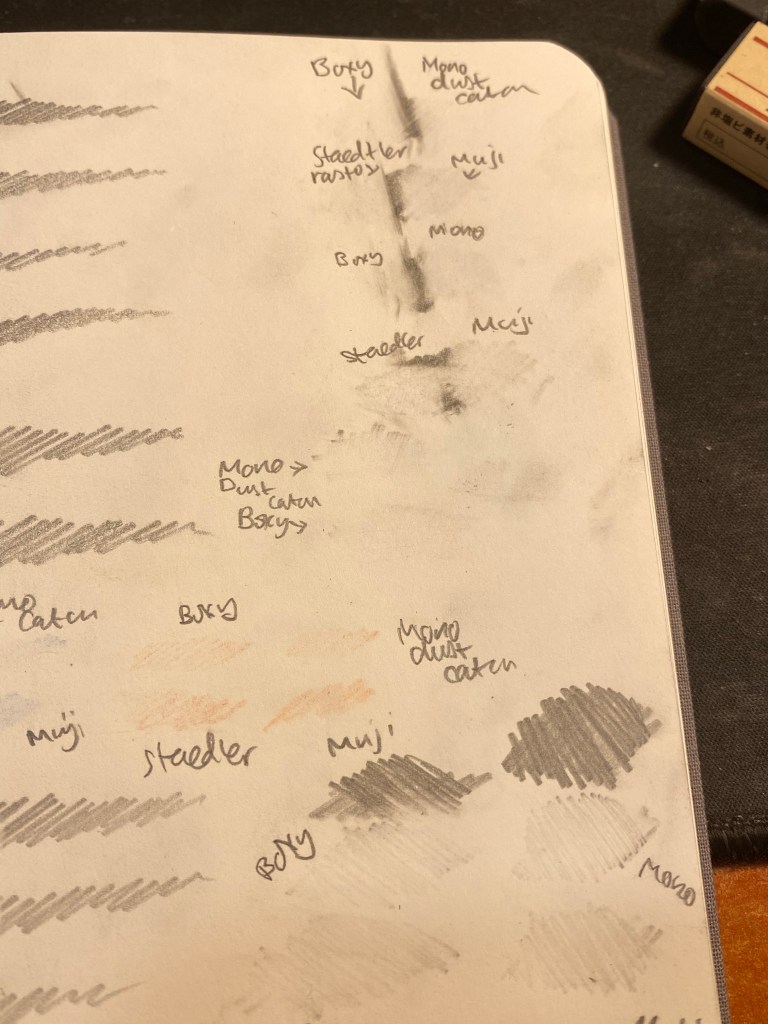
Black erasers have become more common in recent years, with the Boxy perhaps being the most well known of the bunch. I have a few that I use regularly, and a few that just lounge in my stationery drawers waiting to be used. As I’m streamlining my sketching kit and the boxy is now the eraser I carry in it, I decided to test it out against the competition, starting with other black erasers.

Here’s the lineup:

In terms of price they’re all around the same price range with the Muji eraser being the cheapest of the bunch, and the dust catch and boxy being on the more expensive side of things.

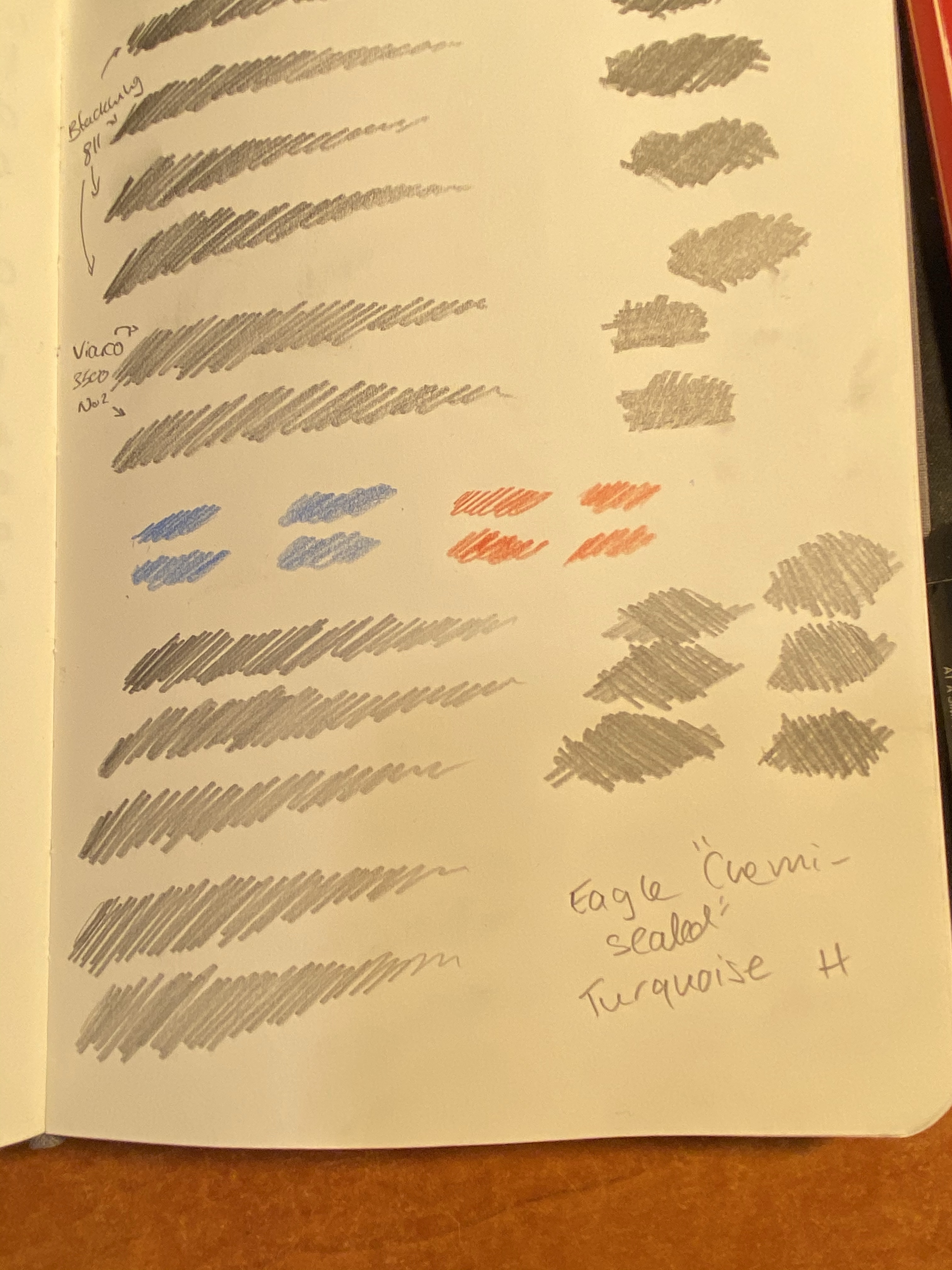
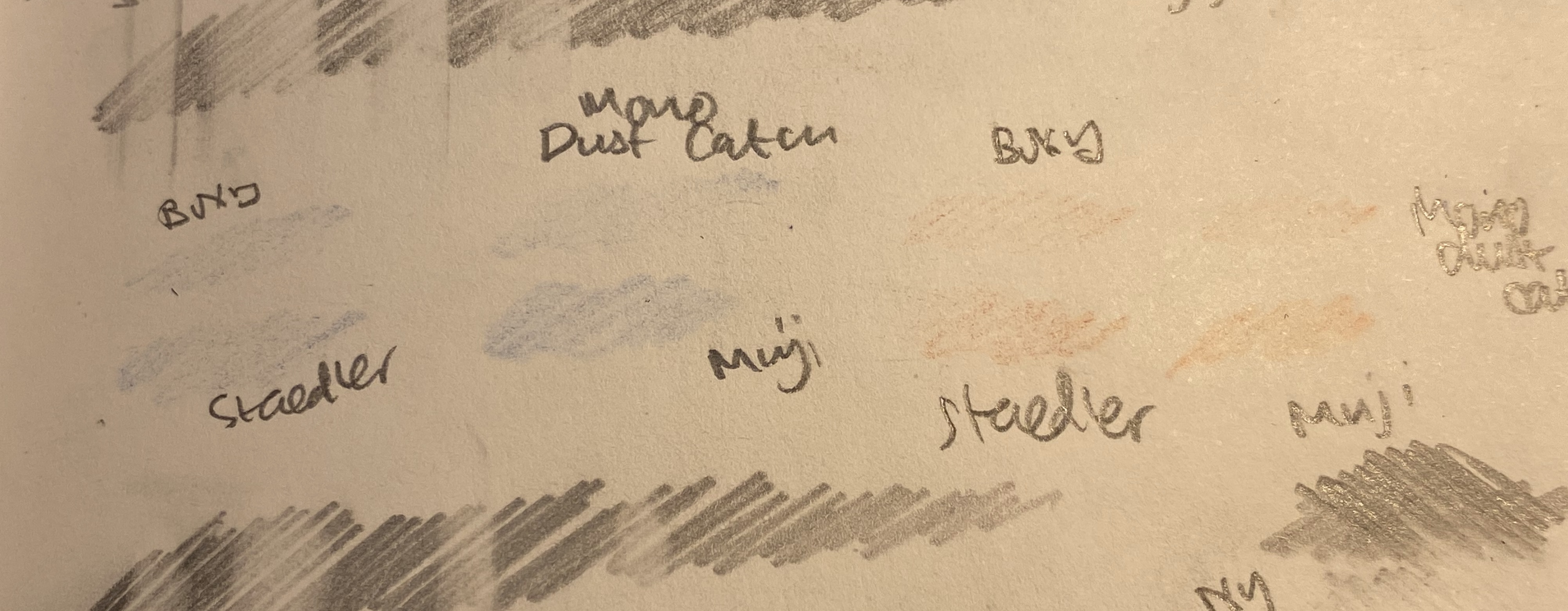
I took out my Baron Fig Confidant, since I do all my pencil tests on it, and scribbled in it in a variety of pencils and even using a Caran d’Ache red blue pencil, though I don’t expect regular erasers to do well with coloured pencils.

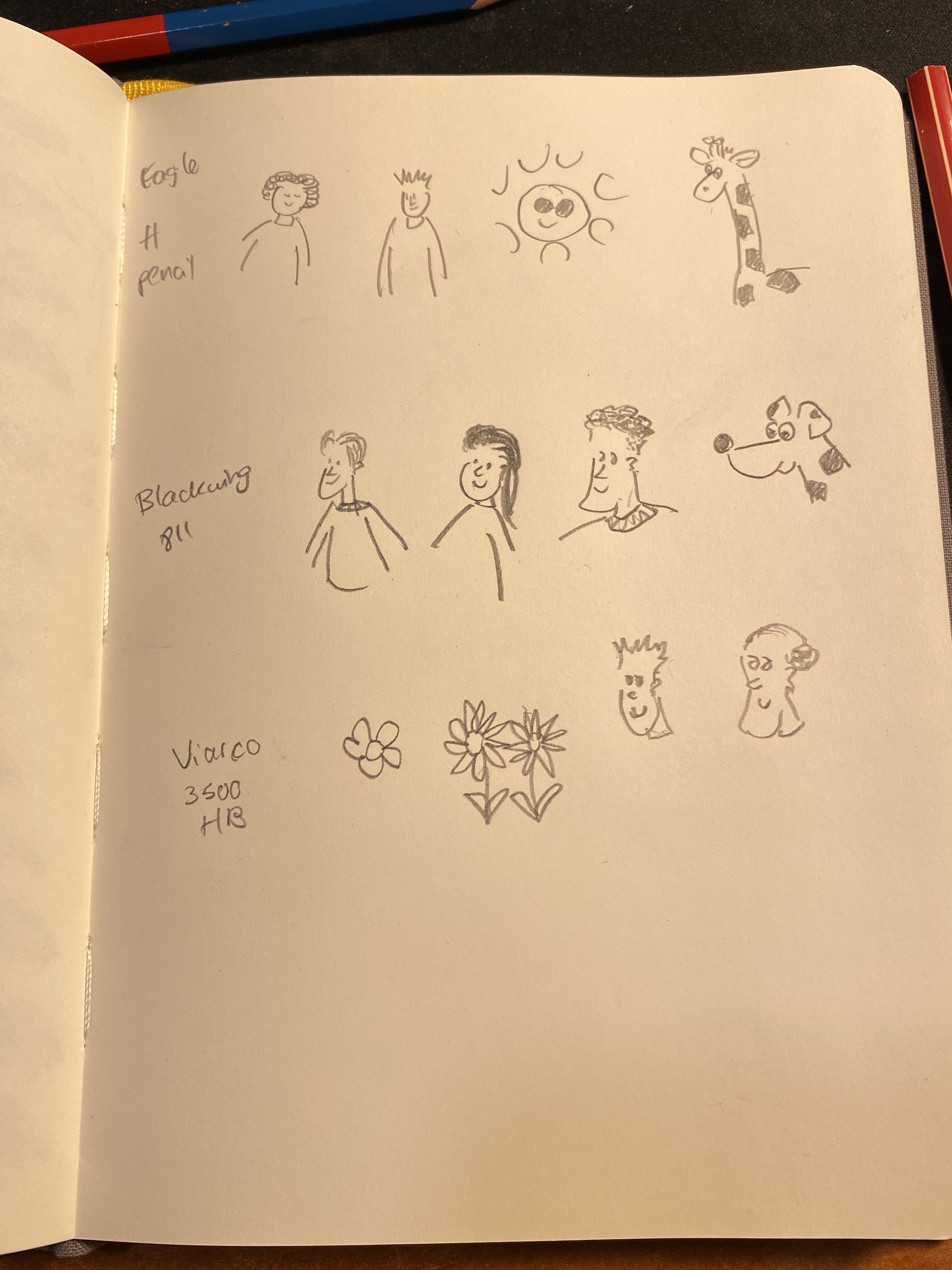
The pencils that I used were the Blackwing 811 (a darker, softer pencil), a Viarco 3500 No. 2 (a standard HB pencil) and a vintage Eagle “Chemi-Sealed” Turquoise H pencil. These seemed like a fairly representative bunch of general writing pencils, at least in terms of graphite behaviour. Though I did later check them for art use, these erasers are meant to be used when writing more than when drawing.

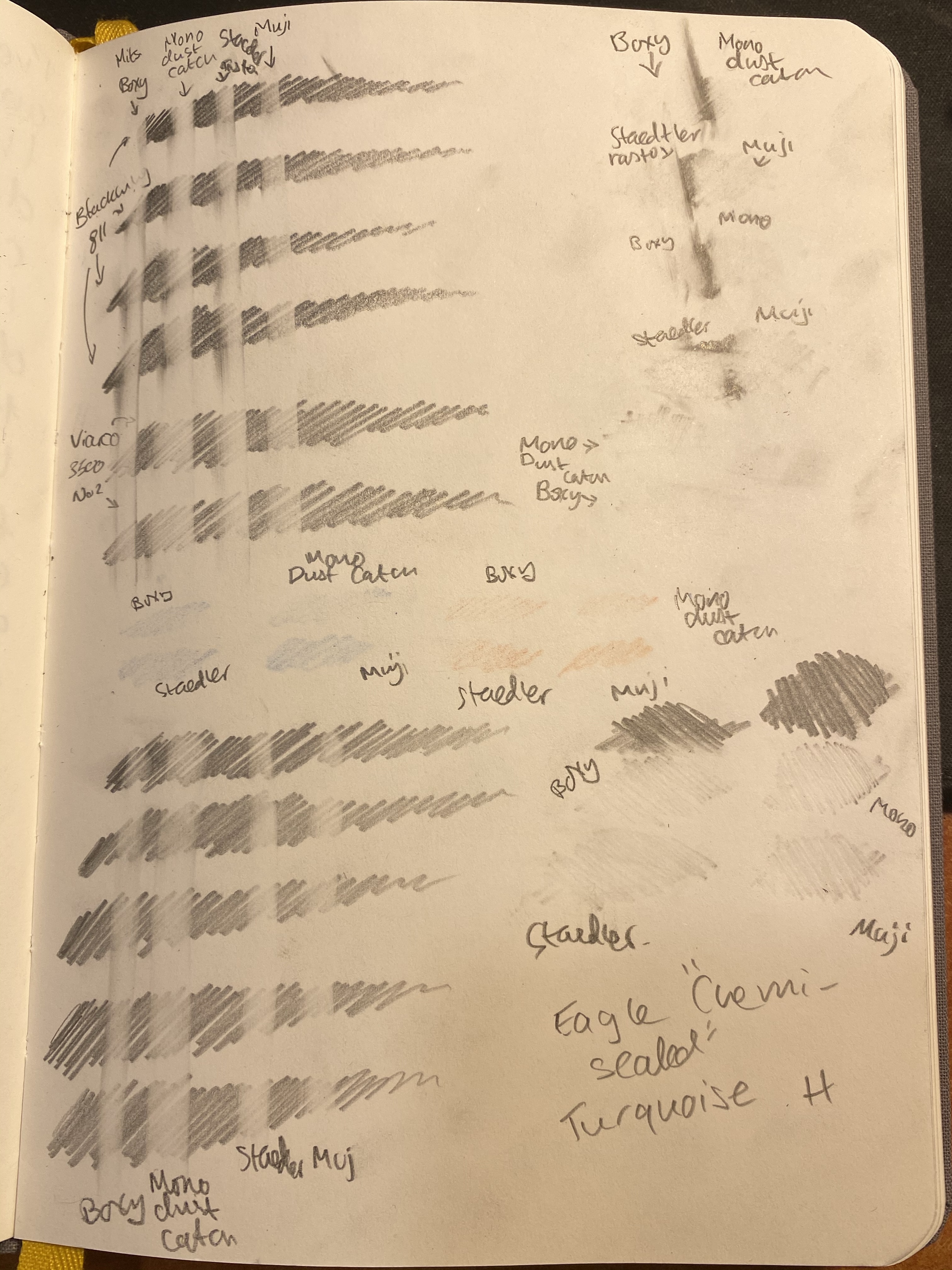
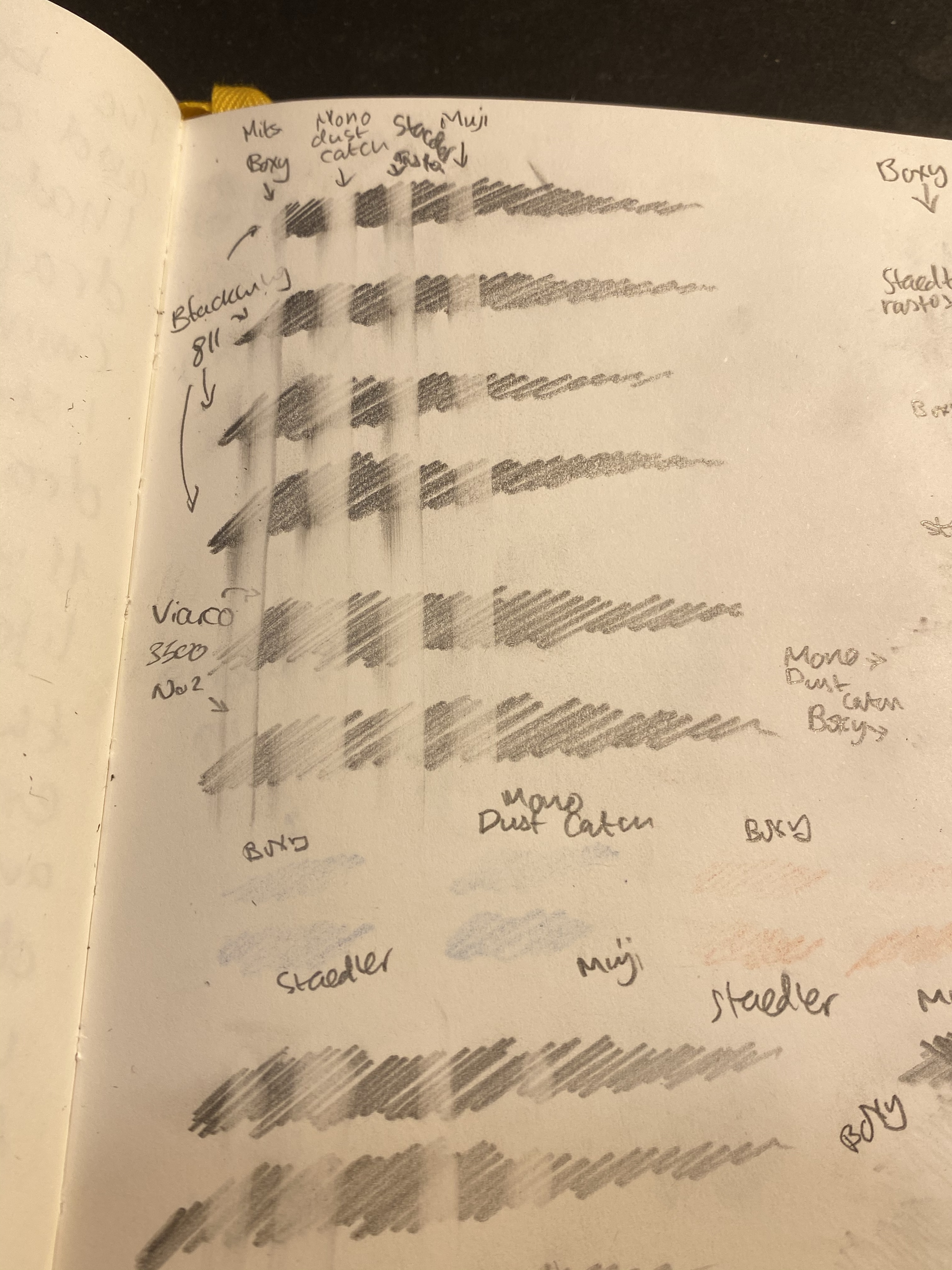
I did a single eraser pass on the left hand side of the page, and on the right side I split each scribble into two and tried to erase it completely (leaving an untouched graphite barrier in between each side).

Then I tried to erase the coloured pencil, which I wasn’t expecting much success in, and here are the results:

A closeup on the one pass side. You’d normally not erase this way, but it does give a good indication of how good the eraser is going to be:

From left to right: Boxy, Dust Catch, Rasoplast, Muji.

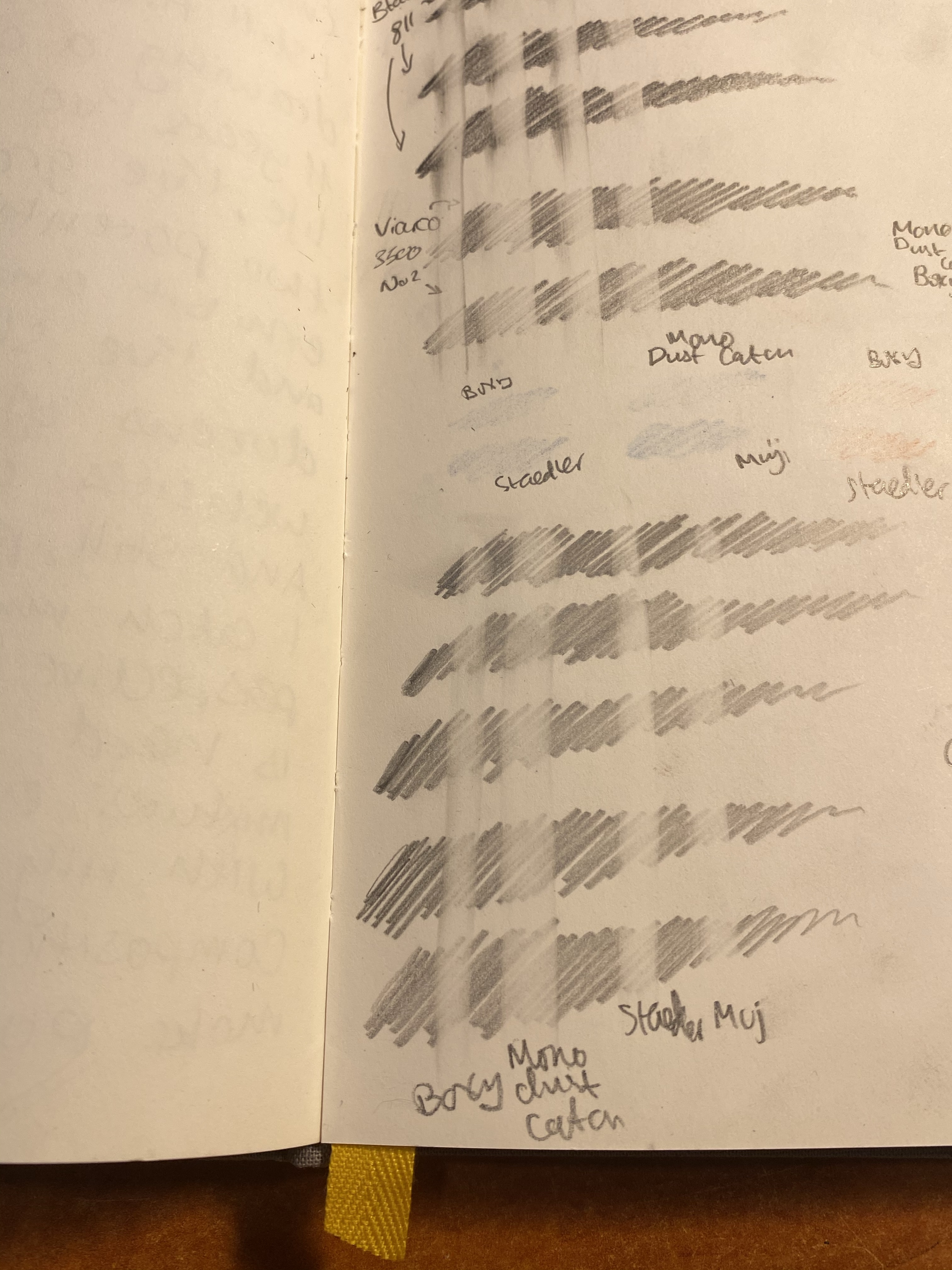
A closeup on the H pencil one pass attempt. I deliberately pressed down on the H pencil, because from my experience H pencils are easy to erase when you apply little or no pressure to them, but they’re pretty tenacious if you apply normal or strong pressure on them.

Here’s the split scribble test above and the H scribble test below:

Finally the Caran d’Ache red/blue eraser test:

At this point I was ready to give the victory to the Boxy, with the Mono Dust Catch a pretty close second, the Staedler Rasoplast in third place and the Muji eraser trailing behind. The Boxy and the Dust Catch also had the easiest “eraser crumbs” to clean (long threads of the stuff, easily brushed aside), and the Muji had the smallest and the worst. None of the erasers damaged the paper, which perhaps isn’t surprising considering that they’re all pretty soft.

I’d also point out that none of these erasers are what I’d call “best”. They’re good erasers, but even the boxy left graphite ghosts behind. There are better erasers on the market, but these in general behaved better than average (even the Muji), and the Boxy and Dust Catch are pretty good. They held up well even against the Caran d’Ache red/blue pencil, which surprised me.

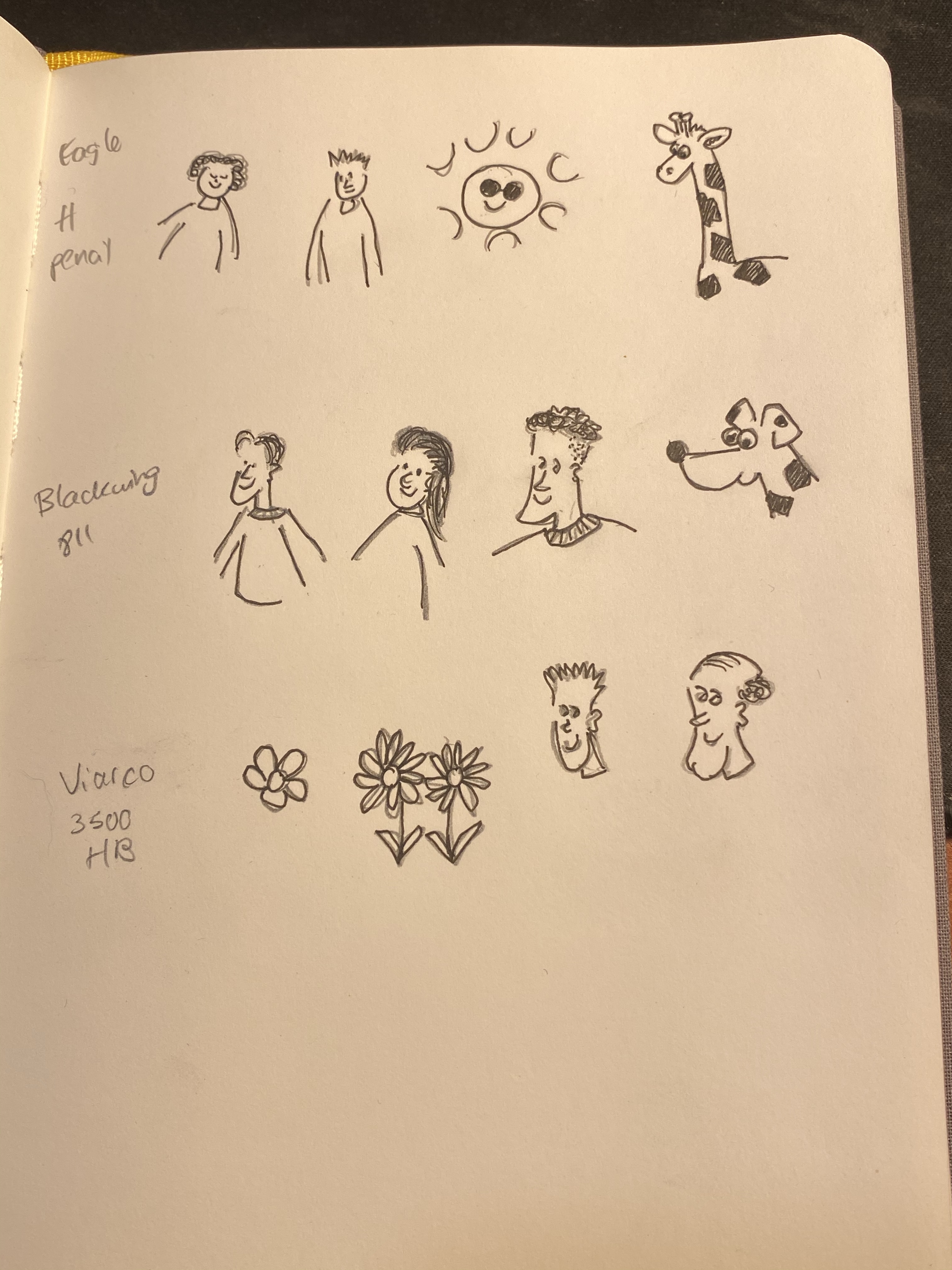
Even though these aren’t “art” erasers, I decide to try to draw some doodles in pencils, ink them with a fine liner and check how much ink each of these erasers lifted.

The pencil doodles.

Here’s the inking. You can see the pencil marks beneath, and I waited for the ink to completely dry before trying to erase the underdrawing.

Inked in.

The results were “ravishing” as to be expected:

All the erasers lifted a significant amount of ink, leaving the resulting ink grey and muted.

You can look at the closeup below and see just how much ink was lifted. These are all terrible for art use, which again, isn’t surprising. I drew an ink line for reference under these, just so you can see how much ink was lifted. Also the top line of left hand dude’s sleeve wasn’t erased so you can compare that too:

The Muji erased faired the best at this part of the test, although I still wouldn’t recommend using it to erase underdrawings.

Of the four erasers that I tested, the Boxy and Dust Catch are the best, and of these two the Boxy is the one I would choose, because of its compact size and its slightly better performance. None of these erasers are terrible, but if you’re investing in a good box eraser (and you should) the Boxy is definitely one to consider.

And why are these black? Presumably to not show dirt, though I find that both frivolous and counterproductive. If the eraser shows dirt, then you know that may need to clean it on a bit of scrap paper before using it, so that it won’t transfer that dirt onto your clean paper. However, I suspect that the real reason is that black erasers just look cool, and the rest is just plain marketing.

Cat Tales

I’m in the process of testing out a set of Uni-ball Pin fineliners and I thought that I’d share a few test runs with the pens. The linework is done with the Ubi-ball Pin fineliners (0.1, 0.3 and 0.5 in black and grey) and the rest is with Deleter Neopiko-Line-3 pens (2.0 and a brush pen) and Faber-Castell Pitt brush pens.

My parents’ cats are very expressive and fun to draw. The cat above is super mellow, and the cat below is gorgeous but not happy to see you.