Tournament of Books: Call Me Zebra

I just finished reading the fifth Tournament of Books 2019 book, Azareen Can Der Vlier Ollomi’s “Call Me Zebra“, which is running against Michael Ondaatje’s “Warlight” in the first round of the competition.

So Oloomi had a great premise — to write a modern take on Don Quixote with a young woman, an Iranian refugee, at its centre. That’s where the great parts of this novel end. Zebra, the main character, has none of the charm or pathos of Don Quixote. She’s insufferable – selfish, childish, bigoted, narcissistic, clinically cerebral, depressed and depressing. She also doesn’t change until the very, very end, much like Don Quixote, and her adventures are similarly repetitive, but without the humour and warmth of the original Cervantes. But what is worse is that Oloomi has piled so much literature on the narrative that it’s unreadable. It’s like reading a laundry list of quotes and literary factoids which you are expected to plow through to get to a glimmer of plot or dialogue.
It was so bewildering to me that “Call Me Zebra” got good reviews that I went and read them. It’s pretty clear that the reviewers didn’t read the book through – they just skimmed the first bits (the most interesting parts in the novel), and then just wrote the reviews based on that and the excerpt that they got.
I’m reading this as part of the Tournament of Books 2019, and the book has managed to make it to the first round (against the almost equally terrible “Warlight”), while excellent books like “America is Not the Heart”, “Speak No Evil” and “A Terrible Country” are languishing in the play-in round. In the end I couldn’t care less if “Call Me Zebra” or “Warlight” win this round (“Call Me Zebra” is marginally better because of the first part of the novel, the description of the family’s exile from Iran), but I do wish I knew how they got selected to participate in the first place.

Oh well, the next book up won the Man Booker prize in 2018, so I am expecting a better reading experience.
Moleskine Pokémon Charmander Limited Edition Review

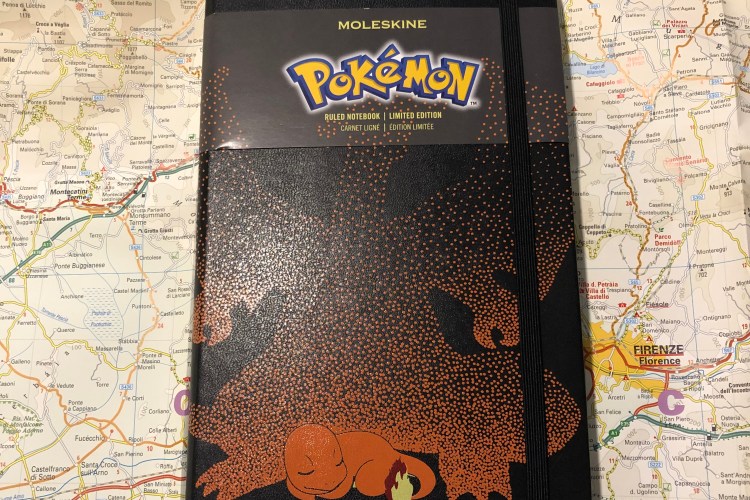
Moleskine’s Pokémon limited edition notebooks are some of the most attractive and colourful ones that the company has come out with in recent years. Even if you aren’t a fan of the franchise you might want to pick one of these up, just for their design. Also, if you’re looking for a gift for the Pokémon fan in your life, look no further. Even if they aren’t a notebook fan they’re bound to love these gems.

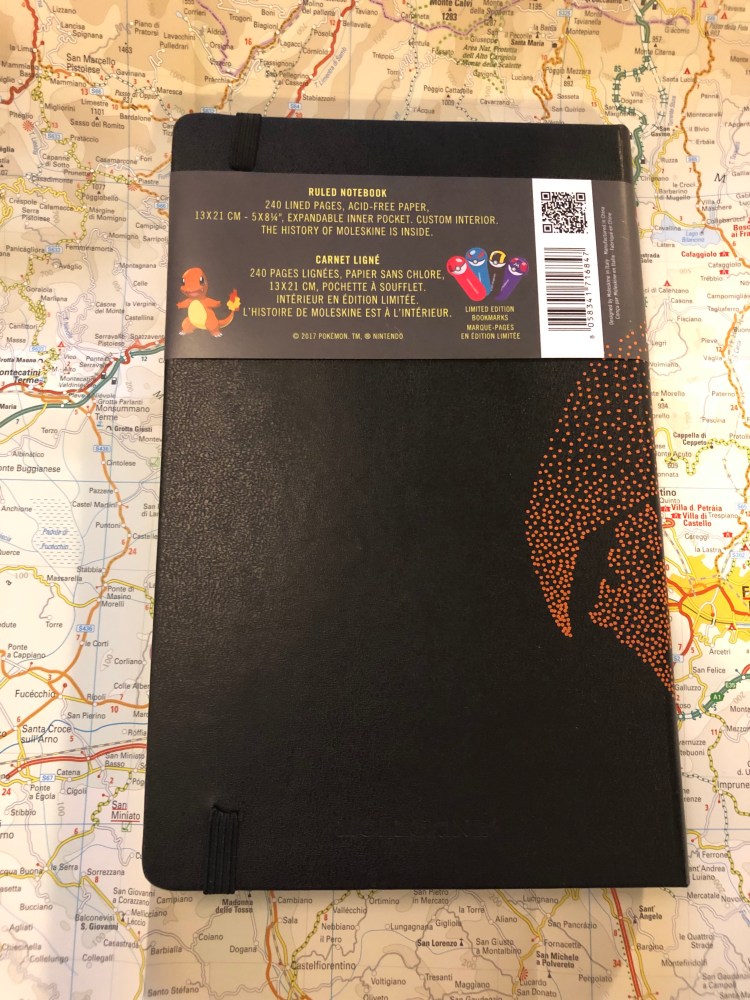
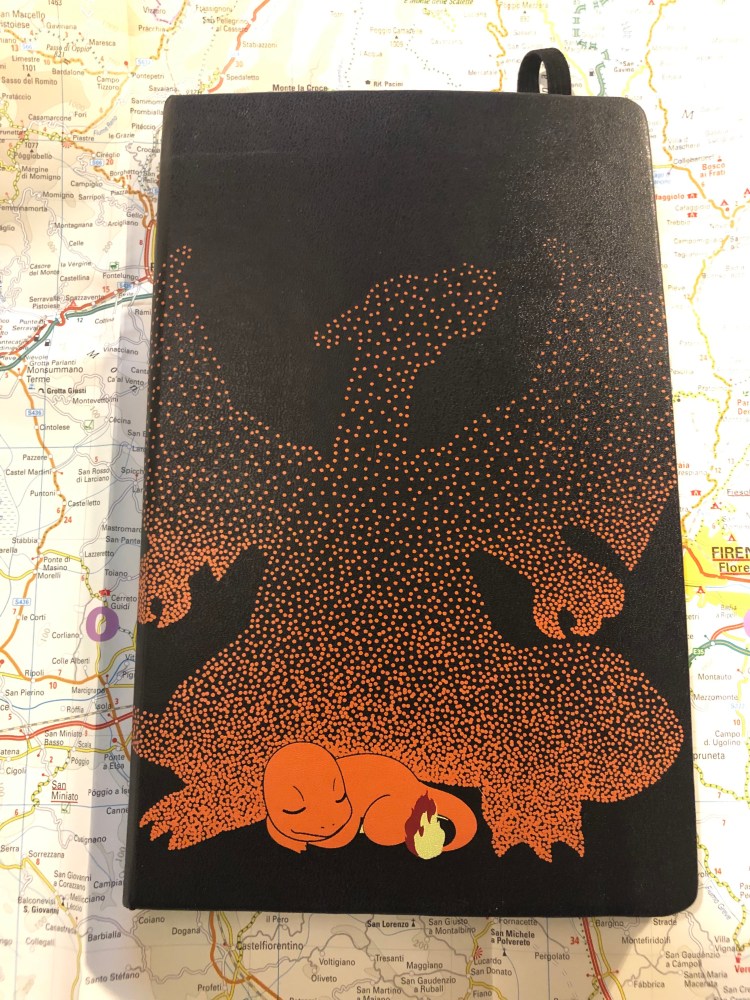
The cover design, with the paper wrapper still on, is fantastic. You can see little Charmander dreaming of when he’ll be all grown up and a Charizard. It’s cute, perfectly aligned with the wrapper, and the colour contrast with the black background really make Chaemander pop.

Dreaming Charmander
The back cover. I love how understated Moleskine’s logo is.


The cover looks great even without the wrapper, which is a thing because Moleskine has created designs in the past that look much better with the wrapper on than they do unwrapped. The only thing that could make this cover better is if dream Charizard was embossed on the cover, adding a little texture to it. On the other hand, that would have almost certainly made the design less durable over time, so I guess that’s it’s good that Moleskine went for a simple print this time.

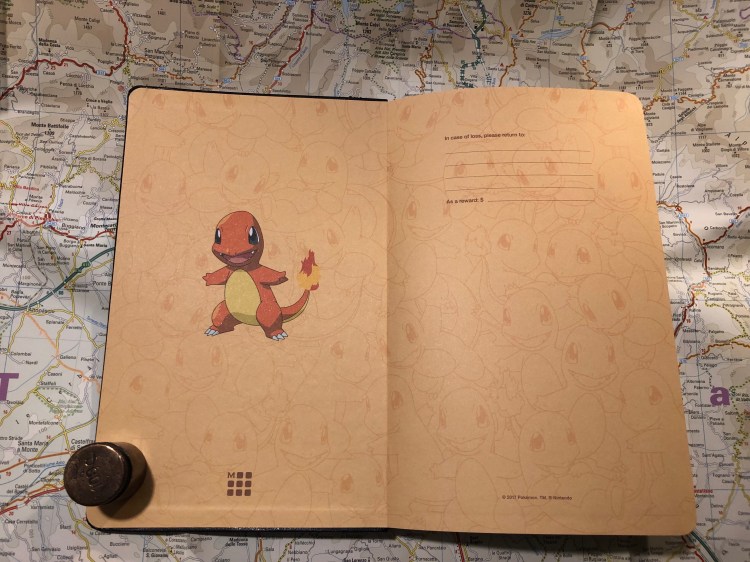
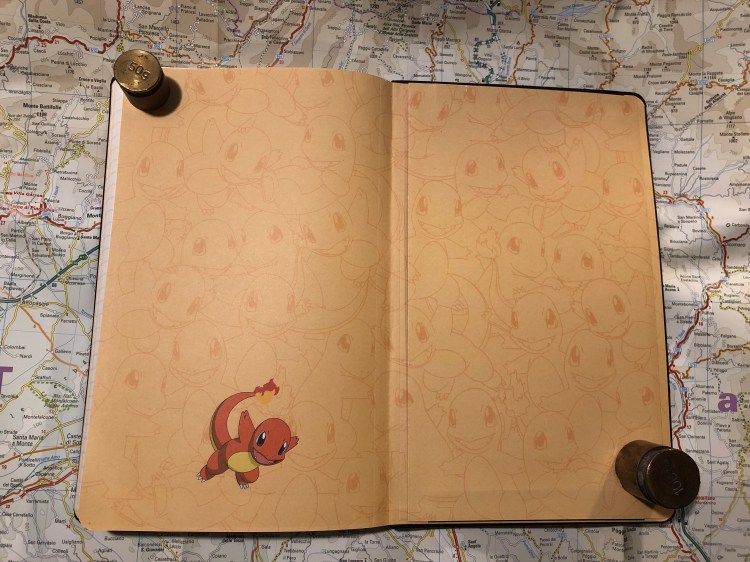
Inside the front cover you are greeted by a multitude of very happy Charmanders, and that design continues in the back.

Just look at the perfect alignment of the print on the back pocket. Also, way to go Moleksine for fully embracing the cute.


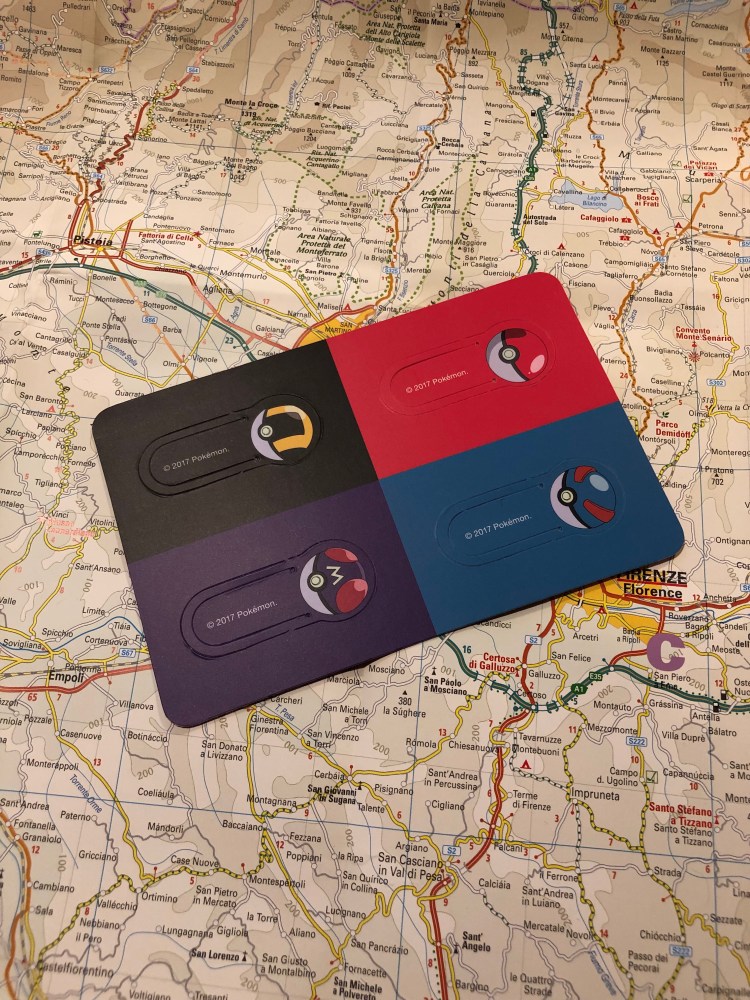
Instead of the usual specially designed sticker set, this edition gets Pokéball bookmarks. Again, these are super well designed, but like all bookmarks of this type, they’re not likely to hold up to much use.

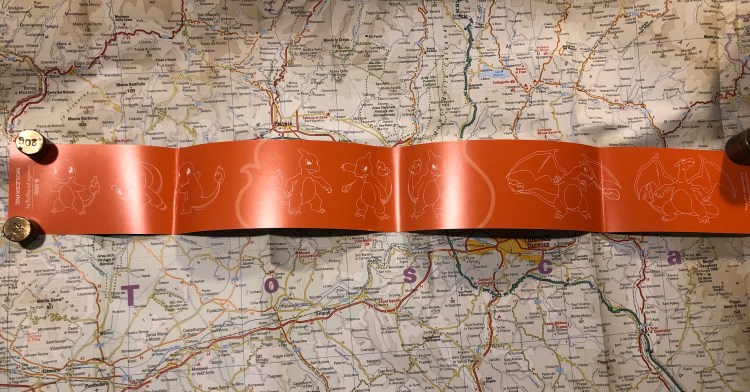
The B-side of the wrapper shows the various evolutions of Charmander (Charmeleon, Charizard), which is nice, if not Moleskine’s best B-side idea yet.

There are two more notebooks in the Moleskine Pokémon limited edition set and I’ll review those later on. Meanwhile, if you’re looking for a cool gift (that costs less than a Nintendo Switch) for the Pokémon lover in your life, this is definitely it.

Tournament of Books 2019: Warlight

I just finished reading the fourth Tournament of Books 2019 book, Michael Ondaatje’s “Warlight“. It’s in the first round of the competition, running against Azareen Can Der Vlier Ollomi’s “Call Me Zebra“.

This book should have been named “Utter Drivel”. It’s not a bildungsroman, not a war story, not a spy story, not a story about post WWII London or Britain. It’s not a story at all, just a collection of unbelievable and uninteresting scenes, repeated again and again, and connected by wild circumstances that are yet again, unbelievable. The characters are, you guessed it, unbelievable phantoms with nothing to make them feel real, likeable, or anything really. It’s as if you’re wandering in the fog with Ondaatje, neither of you having any sort of clue where you are and where you’re going. It’s not even truly bad, it’s just boring and pointless, which is what makes it so frustrating.

I’m surprised that it was published, and even more surprised that it made it into the first round of the Tournament of Books 2019, while excellent books like “Speak No Evil”, “A Terrible Country” and “America Is Not the Heart” were left to battle it out in the Play-Ins. I haven’t yet read “Call Me Zebra,” but it’s going to have to be terrifically bad to lose against this pointless book.

Tournament of Books 2019: America Is Not the Heart

I just finished reading the third Tournament of Books 2019 book, the final play-in contestant “America Is Not the Heart” . It’s up against “Speak No Evil” and “A Terrible Country“, which are both excellent books that I highly recommend that you read, and I’m pretty sure that it’s going to win.

“America Is Not the Heart” is an immigrants’ tale, a romance, a family saga, and a bildungsroman met in a Filipino restaurant and “America Is Not the Heart” came out.
Ignore the reviews that say that this is a difficult or confusing read. The characters have flashbacks every once in a while. That’s the big challenge of reading this fascinating book, full of rich characters and interesting glimpses into the history, culture and lives of Filipinos both in the Philippines and in the US. It’s a also a touching love story (with some pretty graphic sex scenes), a story about the importance of family, especially the one that you create for yourself, and a story about women overcoming PTSD (whether it’s from growing up starving poor or from being held captive and tortured in a military camp for two years). What’s amazing is that the result is an interesting book with a lot of heart that you just can’t put down, despite the tough topics it deals with. It’s a testament to the skill of Castillo that she manages to pull all that off, and in her first novel too.


Tournament of Books 2019: A Terrible Country

I just finished reading my second Tournament of Books 2019 book, the play-in contestant “A Terrible Country“. It’s up against “Speak No Evil“, which I’ve already read and was excellent, and “America is Not the Heart,” which I’m about to start reading. I’ll comment which of these three needs to win this round once I finish reading “America is Not the Heart,” but I can already tell that it is going to be a very hard decision, and I don’t envy the judges.

It’s very rare to find a book that is so stylistically innovative, and yet so readable, so familiar that it’s kind of like an out of body experience to read it. This novel is a work of fiction that reads entirely like a memoir/travelogue written by the main character Andrie. It’s so convincingly well done that several times I checked the author’s name and the book description to make sure that it was a work of fiction that I was reading.
This feat of technical mastery is entirely at the service of a moving and relatable plot, wherein a young American man, completely out of depth, tries to take care of his 89 year old grandmother in Putin’s Russia circa 2008. It’s the heroics of everyday life, with its triumphs and tragedies, enmeshed in memories of the Soviet past, great Russian literature, and the dangers of living in such a terrible country, and it is well worth the read.

Paper for Fountain Pens Notebook Review

Back in the (not so good) old days, Tomoe River Paper was an exotic kind of paper available only in bulk order from Japan, or through various indie creators that advertised mostly on the Fountain Pen Network. The magical paper that made all your inks shine (not literally, this was in the pre-sparkle days of ink, when shading is all we dared dream of in an ink) was very hard to obtain, and very expensive.

It was at that time, in 2013, when I was looking for reasonable priced Tomoe River Paper notebooks that could be shipped to Tel Aviv, that I ran into Paper For Fountain Pens, through the Fountain Pen Network. Since I just received my latest three-pack of notebooks from Jay at PaperForFountainPens.com, I decided that now would be as good a time as any for a review.

The notebooks that I ordered are the larger, 374 pages (187 sheets), ones, which are available only around this time of year. The regular notebooks have 320 pages, but are otherwise identical. Jay uses 52 gsm Tomoe River Paper for the notebooks, which are 4 3/4 x 8 3/8 inch page size; 5 1/4 x 8 1/2 inch cover size.

The notebooks used to be shipped with a paper cover, now they arrived vacuum packed as well, to protect them from the elements, and in a heavy duty box that prevents them from getting damaged by the postal services of the world.

Vacuumed packaging.
Paper wrapper.

Tomoe River Paper is much easier to find now and these notebooks aren’t cheap, as you are paying for the binding. The covers are very durable, made from a material that (with the binding) makes the whole notebook look and feel like a vintage hardcover book. It has that solid, over-engineered feel to it, and is very pleasant to use and hold.

The notebook isn’t inconveniently thick, even with the larger page count.

There are no frills to this notebook, just blank end papers, no elastic closure or bookmark, nothing but the paper and the covers. The pages lie flat, and the binding is extremely durable (I page a lot, a lot in my Paper for Fountain Pens notebook and not a page has wavered in my years of using it).

The front endpaper 

I’ve used the slimmer version of this notebook as a research notebook for my novel and it has held up well through years of use. I do, however, only keep it on my desk. Travelling with such fragile paper in a notebook with no elastic closure is a recipe for disaster, so if you do intent to use one of these beauties as your everyday carry notebook or journal, I highly recommend placing it in some kind of protective cover that you can zip up.

The back endpaper

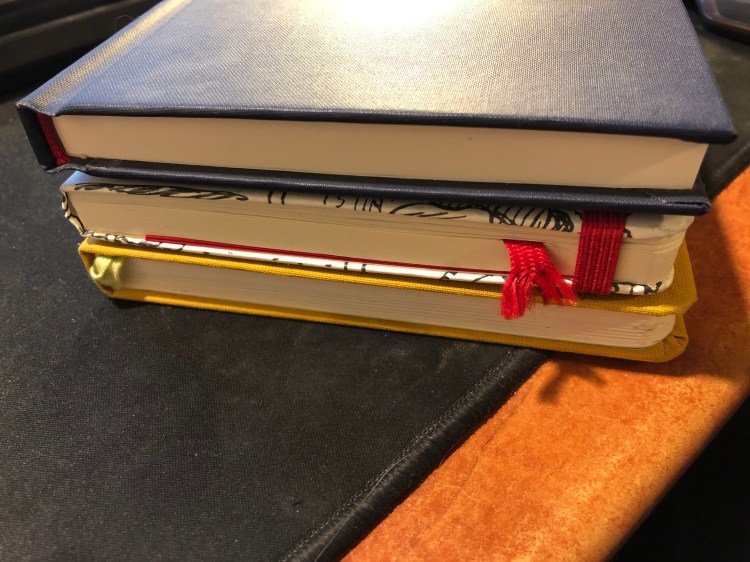
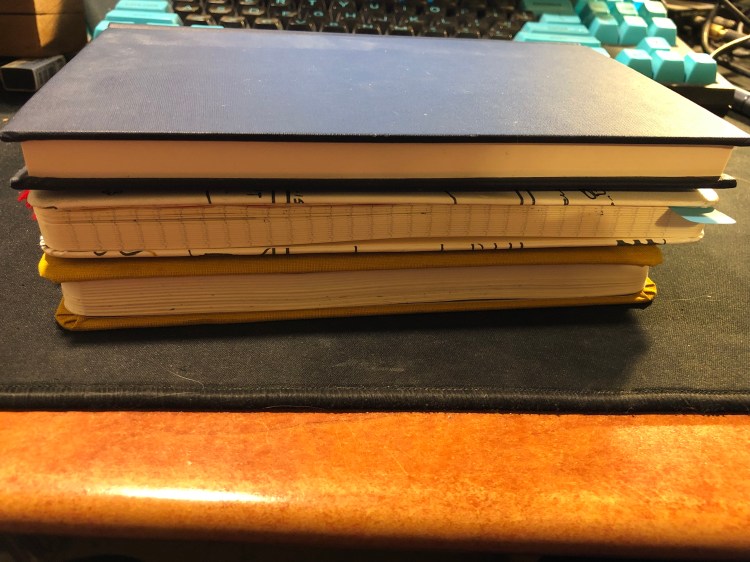
This notebook is slightly thicker than the Baron Fig Confidant and Moleskine large notebook, is about as wide as the Moleskine, but a tad taller.

Paper for Fountain Pens above a Moleskine Large notebook and a Baron Fig Confidant

You can see the difference in sizes with the notebooks stacked up. The Paper for Fountain Pens notebooks have thicker and heavier covers than the Moleskine and Baron Fig ones, but the lightweight paper in them keeps them from being overly heavy to carry around.

Paper for Fountain Pens above a Moleskine Large notebook and a Baron Fig Confidant

All in all I recommend these notebooks, with one caveat: they may intimidate you to a point where you won’t use them. There’s something about their book-like format that makes you feel that you can only write the next Booker prize winning novel in them. Notebooks should be used and not stacked and stared at, so if this one will scare you off, pick a more humble notebook instead. Otherwise, buy a three-pack of these — it’ll come out cheaper (particularly with shipping), and there’s an excellent chance that they’ll become your new favourite.

Tournament of Books: Speak No Evil

Speak No Evil is part of the Tournament of Books 2019 play-in round, which means that it is up against two other books before it can make its way into the initial rounds of the competition. As this is the first book I’ve read in the ToB and it was excellent, I can’t imagine what the rest of the field looks like.

I have never read a book so full of heart, life and joy, that was also tragic. “Speak No Evil” is a timeless tale that is deeply imbedded in our time and is well aware of it. To say that it deals with Issues (capital I) like Homosexuality, Race, Bullying, Policing, Gender and (above and beyond) Friendship would do this gem of a novel injustice. It’s first and foremost a very good book, with beautifully and richly crafted characters moving around in a plot that is inevitable but far from dull or expected. Every person is propelled forward by their past and their character, but is also somehow aware that he or she are actors in the story of their life. An astounding achievement, and a must read.

Moleskine Spring 2019 Catalog

Chronicle Books has uploaded Moleskine’s Spring 2019 catalog and it is interesting.

Here’s a break down of what’s new and changed this season, as well as my take on some of their decisions. Some of these notebooks are already available, others will become available over the next few months. Pour yourself a cup of coffee, open the catalog, and dive in:

Classic Notebooks

  • Of the seasonal colours, I’m pretty sure Reef Blue and Daisy Pink will do well. It’s nice to see Scarlet Red, Sapphire Blue and Myrtle Green join their regular lineups. In the past black was pretty much their only offering, with an occasional red thrown in, but it looks like regular colour options are here to stay.
  • I’m curious about their new “medium” size, between the pocket and the large. There’s no sizing info in the catalog for this option and it appears to be available only in the hardcover notebooks. My guess is that it will be in the “Two-Go” size, which I think is a pretty useful size (11.5×18 cm or 4 1/2×7”).
  • Sad to see that they still haven’t brought back the reporter notebooks in squared paper, and how little love in general squared paper gets from Moleskine.
  • Great to see the new dotted (dot grid) options. These ought to be popular, and Moleskine didn’t dip their toe in with just pocket and large black hardcover notebooks, but is offering them in all their core colours and in what will likely be their best selling seasonal colour, Reef Blue. As is stands, dotted paper is getting more love than squared paper, which is not surprising. Squared paper is niche outside the stationery blogger/podcaster world.
  • Classic notebooks expanded” is a new offering from Moleskine — a large hardcover or softcover notebook that has almost twice as many pages as a regular large Moleskine, with two ribbons instead of one. This may seem a bit unwieldy, but I use a large Moleskine daily planner as a meeting notebook and because of its size it’s still pretty convenient to use. If you plan on using your notebook a lot (as a daily journal for a year perhaps?) this may be a good option to check out.

Non-Standard Cover Material Notebooks

  • Leather notebooks – these aren’t available everywhere (Barnes and Noble have them), and I haven’t tried them, but they’re still on offering, with or without a box. I’d recommend that you spend your money elsewhere, unless you’re really looking for a corporate executive gift to put the company logo on.
  • Two-Go notebooks are still on offer, with four colour options (added last year) and in an excellent size, with thicker than usual paper and a surprisingly useful albeit non-standard blank-and-ruled format. If you haven’t given these a try I highly recommend them. They can handle fountain pens pretty well.
  • Blend notebooks, with their tactile, super fun and durable fabric covers now come in four new colours that promise to blend better in office settings than their current (and still produced) camouflage Blend offering. Black, Green, Blue and Beige are offered in a woven, slightly distressed look with contrasting elastic closure, as usual only in large size and with ruled pages. Definitely worth trying out if you haven’t had a chance to give their fabric covers a spin.
  • Denim notebooks, which first came out as a super popular and a very well designed limited edition offering, are now part of the regular lineup, sort of. The limited edition notebooks are still more attractive in my opinion, with their white contrasting branding label on the back and their white print on the front, but these notebooks, in Antwerp Blue and Prussian Blue (pocket and large, ruled only) are a great way to get some of that denim feel in your life without trying to get a hold of overpriced LE notebooks on the secondary market. Of the fabric covered notebooks that Moleskine (and Baron Fig) offer these feel the best, and I recommend these over the Blend notebooks for that reason.

I’m not a planner person, so I’m not going to go over Moleskine’s extensive planner collection.

Limited Edition Notebooks

  • This is where Moleskine excels beyond all current competition, and in my opinion they’re starting this year stronger than they finished last year.
  • Fall-Winter 2018 limited edition notebooks, Looney Tunes, Super Mario, 007, Astro Boy and Harry Potter are still available, though the very attractive Harry Potter notebooks (especially The Marauders’ Map edition) are starting to be harder to find.
  • Spring-Summer 2019 limited edition notebooks are Lord of the Rings, Basquiat, Wonder Woman, Bob Dylan and Gundam. Each is designed to appeal to a different demographic, and I think that they really nailed it this time.
  • This is not the first time that Moleskine is tackling the Lord of the Rings in a limited edition, but this edition is much, much more attractive and well designed than their previous rather lackluster attempt years ago. The covers, endpapers and special insert all seem spectacular, and this is one edition that I’ve already preordered and plan to review. The “geek” edition, this notebook is designed to appeal to the same people that bought the Harry Potter and Alice editions
  • Basquiat limited edition notebooks are for the hipstery crowd that liked the Kieth Haring limited editions, Dr Seuss editions and probably also enjoyed the Monopoly limited edition, but in an ironic way. These are extra expensive but they’ll probably be popular, considering Basquiat’s success on Uniqlo t-shirts. They’re offered in plain and ruled paper, though I wish Moleskine would have stepped up and offered a sketchbook Basquiat edition. In terms of the boxed set, this one comes with a pen (the regular editions come with stickers), so it’s probably a better deal than the slightly lackluster LotR boxed edition (comes with nothing, will sell like hotcakes, because LotR).
  • Wonder Woman is the comic book edition, and as usual it is the most colourful one, and where Molskine allowed themselves more creative freedom. Bold red and blue action packed covers that really celebrate the character in drawings and text, what more could you want? Ruled only, comes with stickers.
  • Bob Dylan limited edition notebooks are aimed at music lovers, as the Beatles, Rolling Stones and Blue Note editions were before them. These are really reminiscent of the Blue Note limited editions, and like other music themed limited editions, are pretty tame, design-wise. If you’re a Dylan lover, you’ll likely love this edition, and it will make for a great gift, especially around father’s day. Is it surprising then that these come out in April? Ruled only, comes with some pretty dull stickers. The numbered boxed edition is the best designed of the bunch in my opinion. These too are relatively expensive limited editions, though of course expect a difference between RRP and what you actually pay online and anywhere but the official Moleskine stores.
  • Gundam is the anime edition, and as usual is more subdued than the comic book edition, but still pretty colourful. Ruled only, comes with stickers.

Journals

  • I’ve no idea why Moleskine calls their Cahier and Volant offerings “journals” and not notebooks, but I guess you have to differentiate them somehow.
  • Cahiers, formerly available only in Kraft Brown and Black have been expanded to include Cranberry Red (a darker shade of red than the Scarlet Red, likely because of printing limitations) and Myrtle Green, but that’s not that new. What’s new is the three new seasonal colours, Brisk Blue (a darker shade of Reef Blue), Kinetic Pink, and Tender Yellow. I’d stay away from the yellow, as it will turn dirty and blah in about a day’s use, but the other colours are solid and fun. Kraft Brown is the most fun to decorate and make your own (with black in second place), but the other colours seem pretty vibrant for cardboard covers.
  • It is worth saying that of all of Moleskine’s offerings, the Cahiers got the most paper love in recent years, which is a very good thing as the old paper used in these notebooks was garbage. Not acid-free and super thin, it turned yellow and brittle with age very, very quickly. Now the Cahiers use the same paper as the regular notebooks, and they even got some dotted paper love.
  • Subject Cahiers, a new offering that is geared for academic note-taking (Cornell Notes anyone?), and is offered only in large and extra-large. If I was still working on my degree this would be something that I would probably look into using.
  • Volants have become more colourful as time has passed, with Moleskine moving them from a light and dark shade of the same colour to complimentary colours instead. They also got stickers to boost, but still only come in plain and ruled paper. They are the only notebook left that Moleskine offer in extra small, which is both not surprising and a bit of a shame.

There’s nothing new in the Pro Collection and I don’t use any of these business focused notebooks (I like to build my own meeting notes formats), and so I won’t go over these.

Art Notebooks

  • Moleskine’s art collection has gone through a significant overhaul in recent years, all for the better. The sketchbook paper is less pronouncedly ivory coloured, and the paper has less coating on it, which means that it can now take things like light washes, fountain pens, rollerballs, etc without them beading up on it.
  • The sketchbook also got some love in the form of new colours (Red and Sapphire Blue), which is always nice.
  • The recently added sketch album (which is a landscape formatted notebook with cahier covers) is now available in Kraft Brown, which is awesome, because they’re so fun to customize.
  • There’s also a sketch pad, which has less pages and I completely don’t understand. It appears to be a more expensive way to get a sketch album with less pages. Huh?
  • The ever popular (and justly so) Watercolour Album got recently expanded into a Watercolour Notebook (standard format, as opposed to the landscape album format). Now the Watercolour Notebook has been expanded to include the pocket, A4 and A3 size. This is a must buy for me, and will probably be pretty popular amongst urban sketchers.
  • The Music Notebook got a surprising new addition, a Music Cahier in extra large. Moleskine is one of the few stationery companies to offer this layout, and good for them for expanding it.
  • The Japanese Album and Storyboard notebooks are niche products and so unsurprisingly, got no love.

Themed Notebooks

  • Not much is new in this area. There are no new Passion Journals, no new City Notebooks and not much new with the Voyageur.
  • What is new is a Travel Kit, that contains the Ocean Blue Voyageur, a pen and a luggage tag. The Voyageur appears to be more popular than the Travel Journal, so I wonder how long before the Travel Journal is phased out.

As for the rest (the non notebook stuff), here my interest wanes, and this post has been long enough as it is. The catalog is 151 pages long, and full of eye candy, so even if you aren’t a Moleskine fan, take a look.

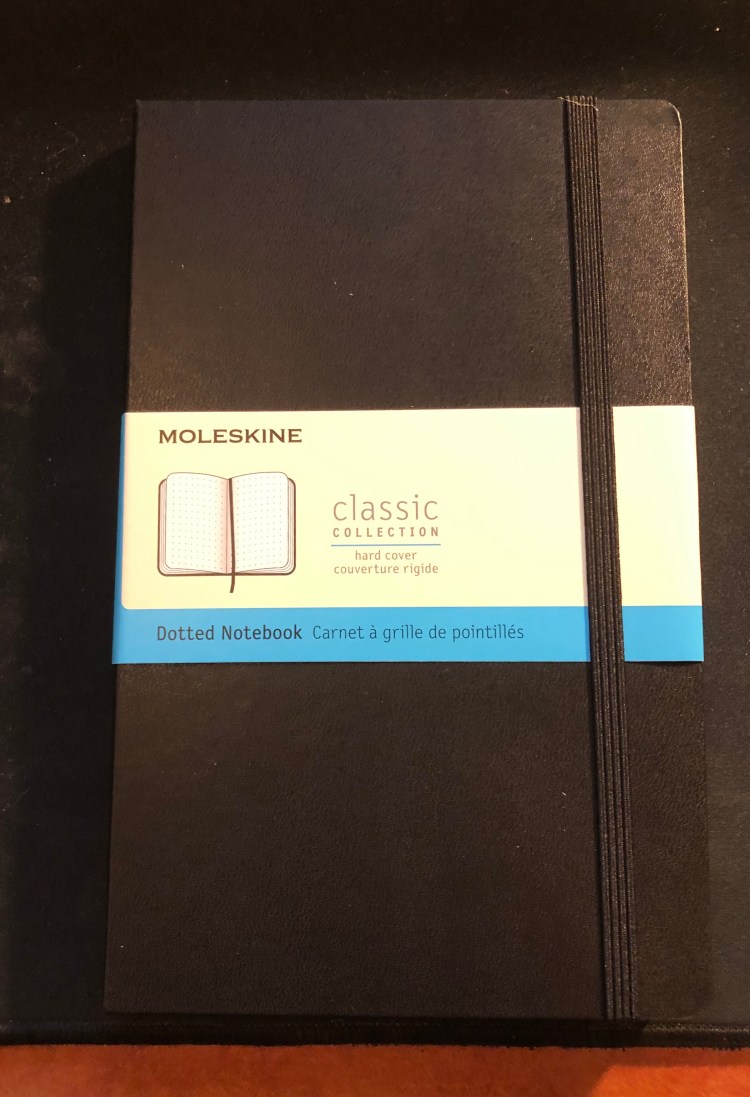
Moleskine Large Dotted Hardcover Notebook

So it appears that Moleskine has finally hopped on the dot grid bandwagon, releasing several of their classic collection notebooks in dot grid, even going as far as creating dot grid versions of some of their seasonal colours (gasp!). Next thing you know they’ll be releasing limited edition notebooks in squared and dot grid paper, and then where will we be? (Don’t worry, it’s not going to happen).

The classic Moleskine collection consists of their hardcover and softcover notebooks, in pocket, large and extra large. Currently the dot grid is offered in black covers, both in hardcover and softcover, and in underwater blue (such a pretty seasonal colour) and beige in softcover. However, it apparently was enough of a success for them to issue the dot grid option in all their classic collection core colours (black, red, blue sapphire, and myrtle green), and in seasonal reef blue (both hardcover and softcover). These colours will start being available in February-March, so it may be worth waiting a little while before purchasing (although some of the hardcover core colour options already seem available).

Now to the review. I got the classic large black hardcover notebook, as it’s probably Moleskine’s best selling notebook, and what people have in mind when they say “Molekine”.

Dotted paper gets a new band colour – blue.

First thing’s first, Moleksine have listened to customer feedback and significantly strengthened their notebooks’ elastic bands. They’re a little thicker and wider, and there’s little chance that they’ll turn into the floppy mess that some of their earlier elastic closures turned into after a few months of use.

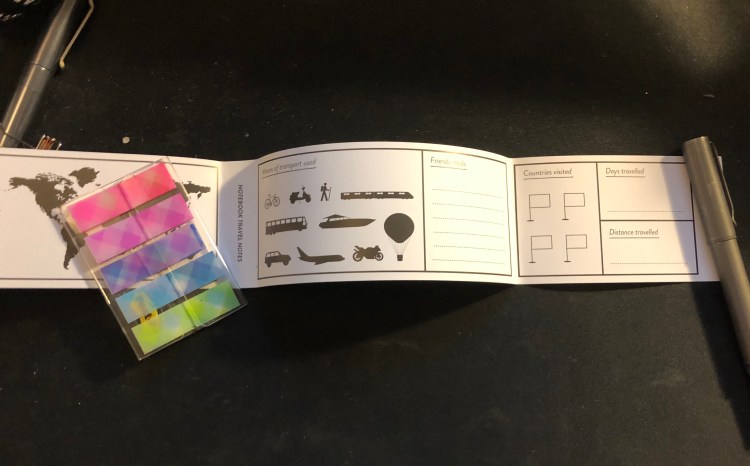
The sleeve also has a B-Side, this one is pretty travel oriented, and I love it because maps!

Phileas Fogg would have been proud.

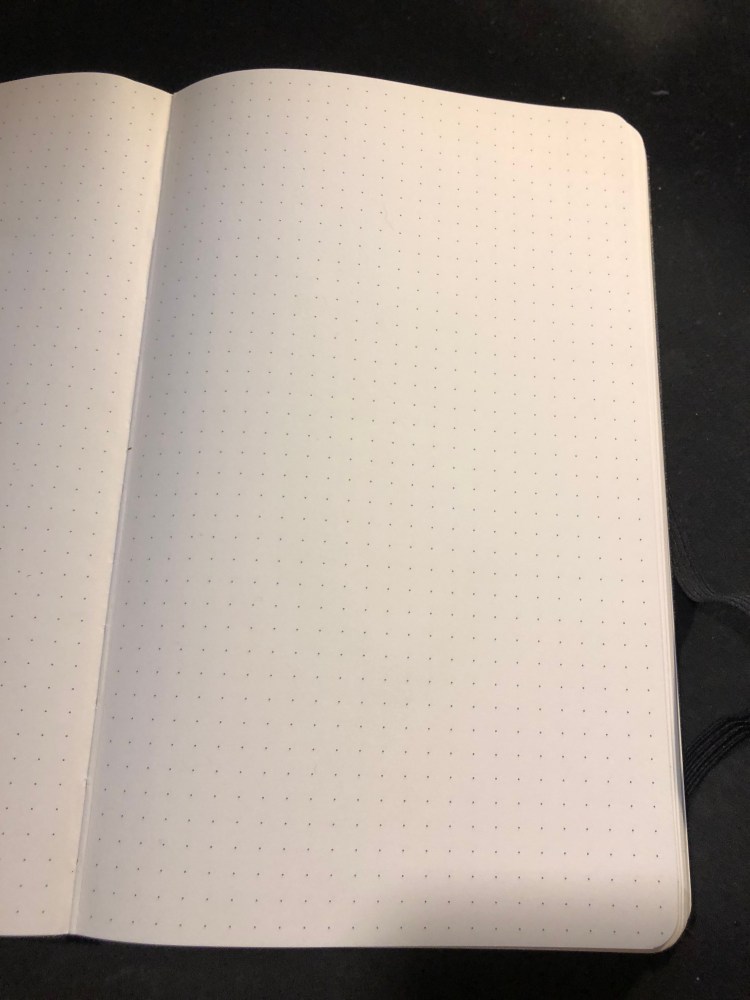
Which brings us to the paper. The dot grid pattern is medium grey, dark enough to be visible, light enough to not be too distracting. It also is very precisely aligned on all pages, if those kind of things bother you.

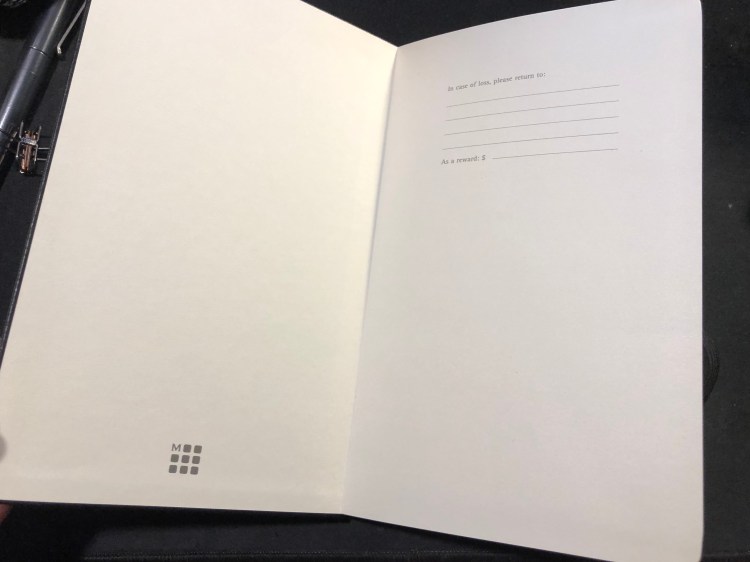
The “In case of loss” endpaper, with the Moleskine logo, a relatively recent addition.

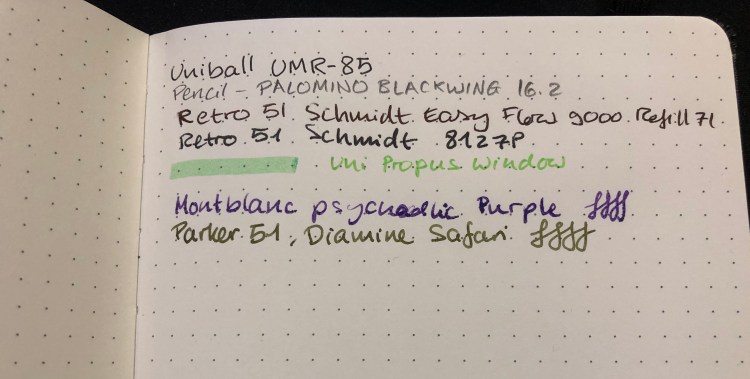
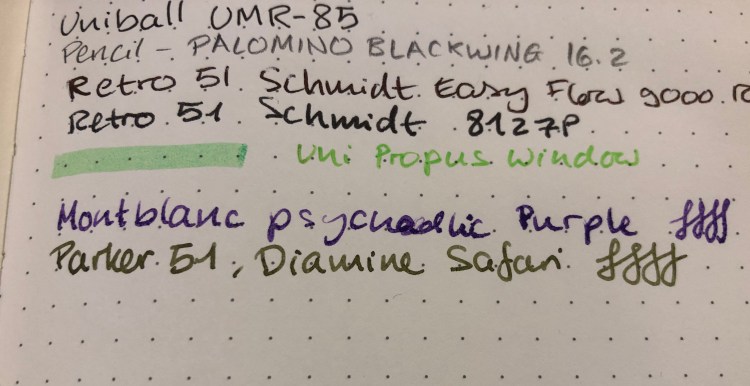
How does the paper perform? Better than you’d expect. Gel, ballpoint and pencil work well with the paper, but even fountain pen inks, including pretty saturated messes like the Montblanc psychedelic purple work pretty well. There’s no more weird spidering, as there used to be and the spreading is minimal (better than Baron Fig, well above average). If you don’t insist on super saturated inks, you’ll be able to enjoy using fountain pens in this notebook.

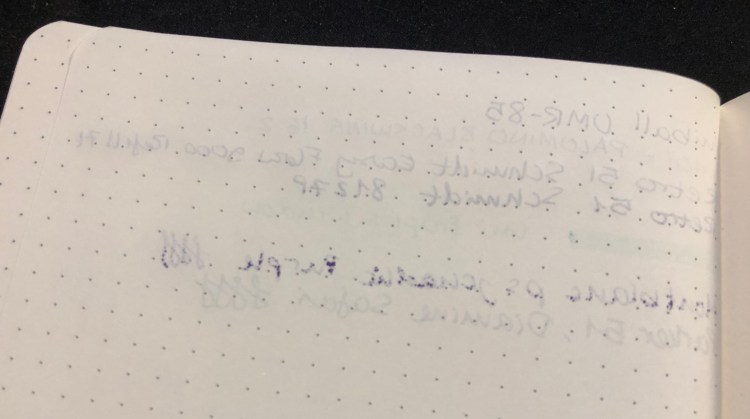
A closeup of my writing samples. Montblanc purple has behaved this way on Rhodia paper too, so I blame the ink, not the notebook:

Show through is better than tomoe river paper, but not as good as Rhodia (I’ve had mixed results with Baron Fig, so I’m not using them for comparison here). Again, the only real problem was with the Montblanc ink, which is a problematic ink in general, so I’m not using it for comparison. I’d find this notebook to be usable on both sides of the page, but again, that comes down to preference.

Moleskine seems to be making an effort not only to come up with innovative limited editions, but also to give their regular line-up a bit of a refresh (with new added colours) and boost (with new dotted paper, better quality paper, and a fix for their elastic closure problems). That’s a move in the right direction, and one that I plan to enjoy.

I still need to figure out what’s going on with that Montblanc ink, though…

Moleskine James Bond Limited Edition Boxed Set

Completing my Moleskine James Bond limited edition reviews (see here for the Titles notebook and here for the Carbon one) is the crowning glory of them all: the boxed set.

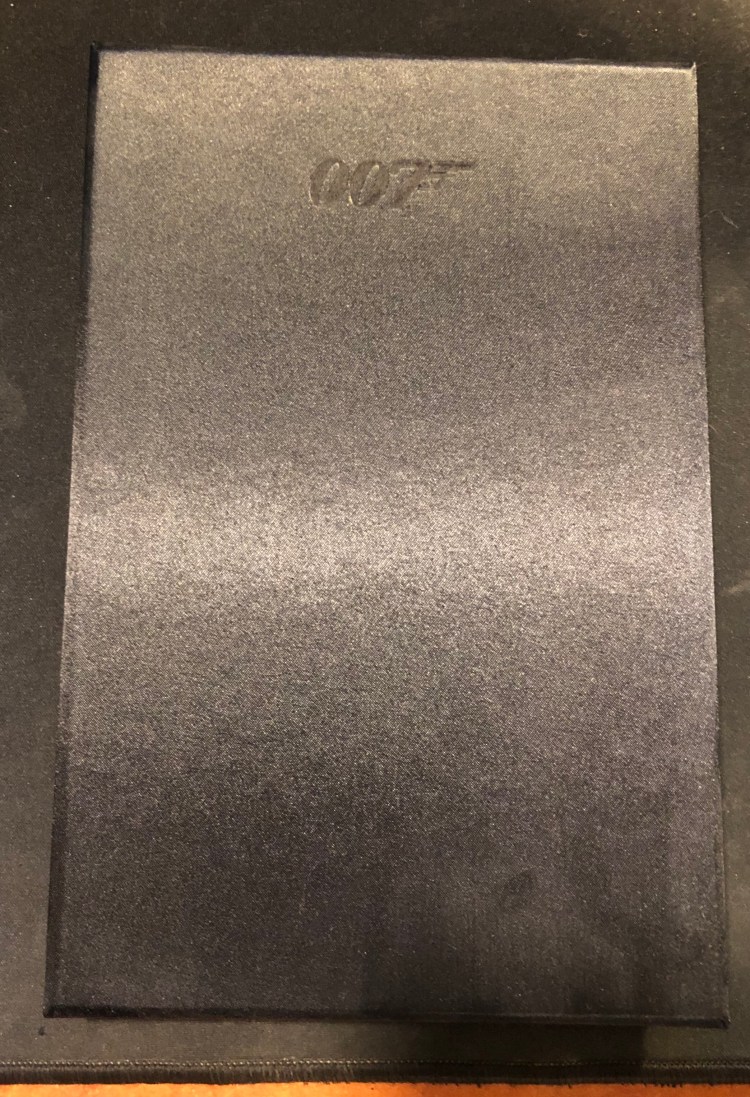
Unlike the other two notebooks, this is a numbered edition with 7007 notebooks total made worldwide. It comes in a silk covered box, with its own matching “tie” (to help you get the notebook out. It’s not really necessary, but adds another touch of luxury to this set), and is itself covered in black silk. All of this is terrifically excessive, like Q’s elegant little gadgets on an already over the top car. The result is a notebook and box that you just want to stare at and stroke every once in a while.

The Box
The “tie” inside the box

The notebook with its shiny silk cover:

Moleskine did a limited edition run of silk covered pocket notebooks years back, for the van Gogh museum in the Netherlands. They were all the rage, especially at a time when Moleskine was not doing limited editions except for special events, and they were exceptionally difficult to obtain. The silk on those covers was thinner and rougher, and after a bit of use tended to fray, likely because silk is not an easy fabric to work with, and the company had very little experience with fabric covered notebooks.

The James Bond Boxed Set comes after the Blend, Rolling Stones, Denim and Marauder’s Map fabric covered editions, and you can tell that they know what they’re doing now. The silk on the cover is densely woven and substantial, and unlike the van Gogh notebooks, it actually shines with sheen. It feels like the notebook is wearing a high end tuxedo and just waiting for a gorgeous woman in a skimpy dress and a silly name to bring it a martini, shaken, not stirred.

Front end page, with the well designed map and the number of the edition
Back end page, with all the titles beautifully aligned.

Like all previous boxed sets, the notebook comes unwrapped (the box itself is wrapped) and so without the paper slip and its B-side around it. The sticker sheet that comes with this edition is the same as the other notebooks in this range.

The set originally cost around $35 but you can get it now for $25. If you’re a James Bond fan this is the one to get out of this edition, with the Carbon coming in second place and the Titles in third. The only minus to this notebook is that it is so sexy there’s a good chance that you’ll feel uncomfortable using it (ah, double entendre. What’s a James Bond movie without it?).