Dizengoff Square
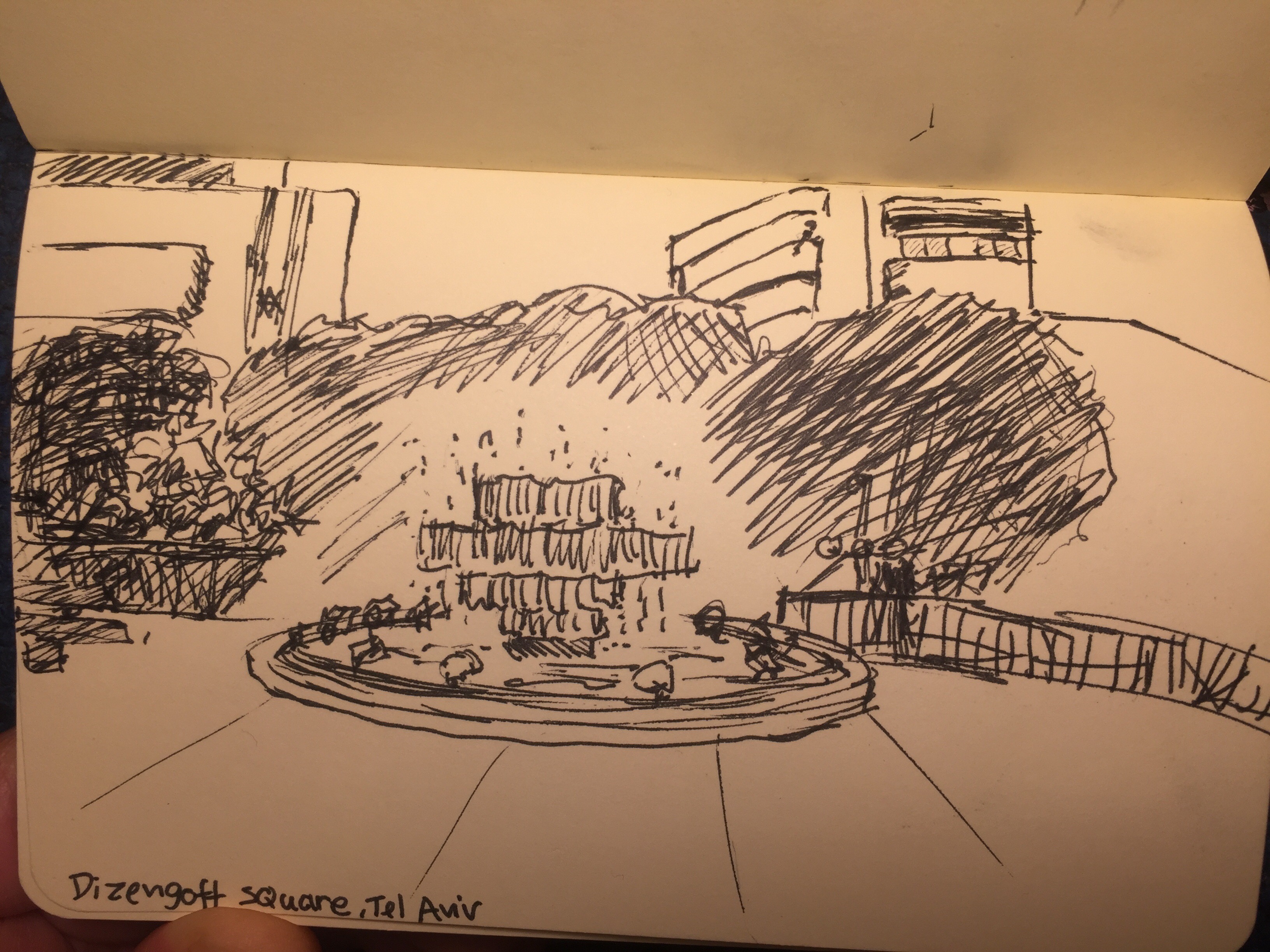
Quick sketch done with a Retro51 Coffee Tornado and a Moleskine Pocket Sketchbook while waiting for Captain America: Civil War to start.
A blog about writing, sketching, running and other things
Quick sketch done with a Retro51 Coffee Tornado and a Moleskine Pocket Sketchbook while waiting for Captain America: Civil War to start.
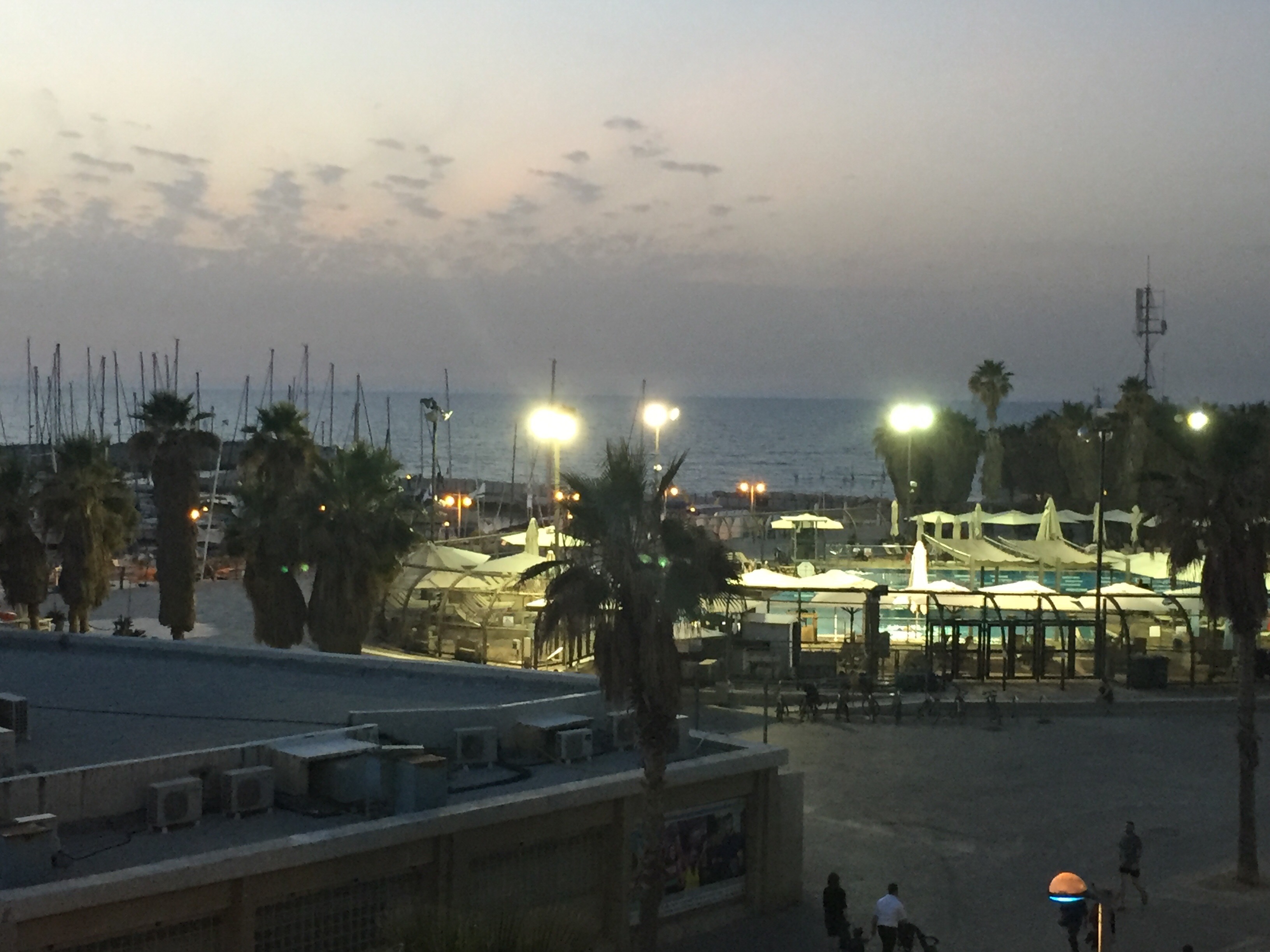 View from Atarim square during evening run. Best run in a while – felt inspired by today’s wonderful London Marathon.
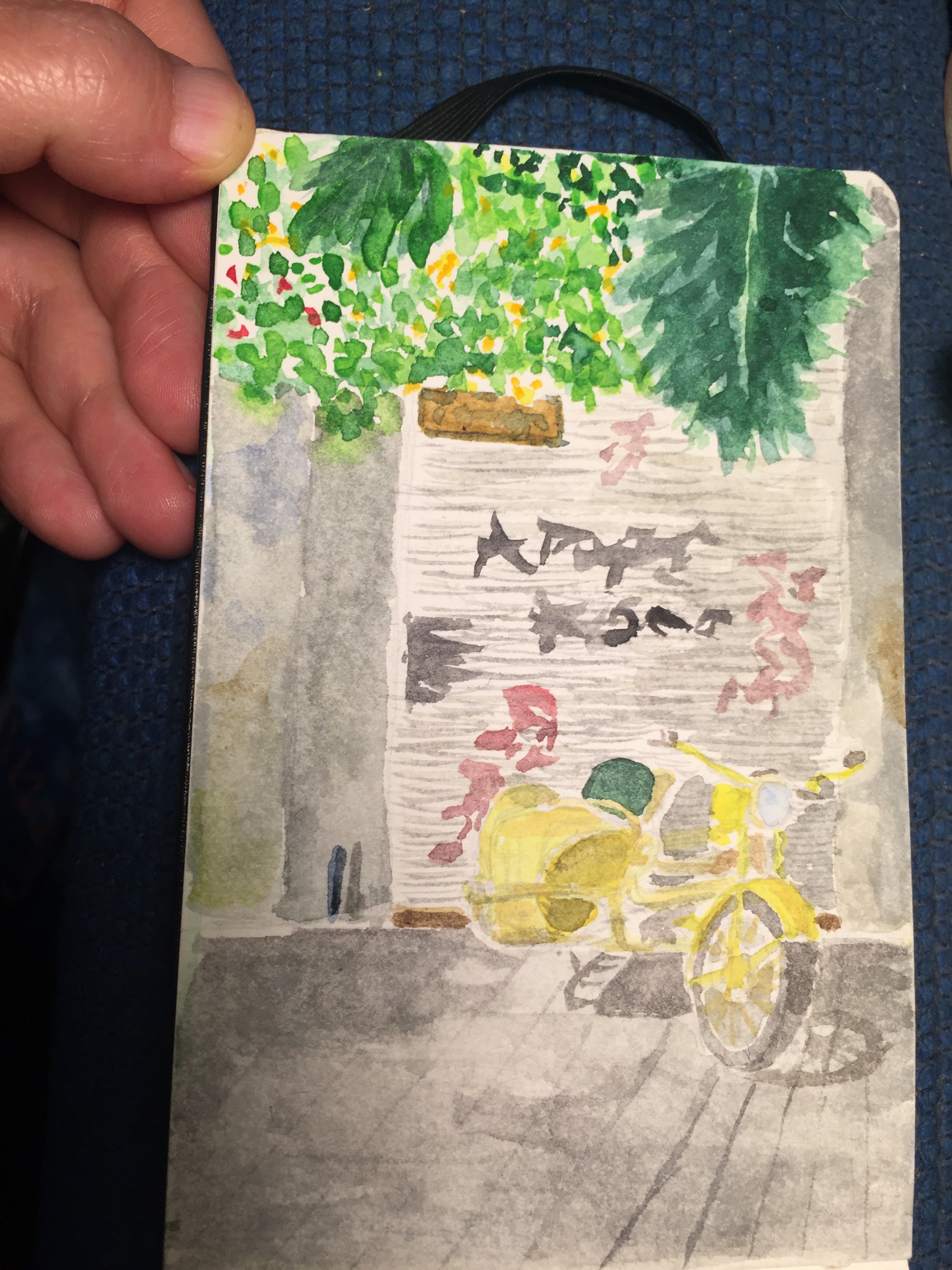 Jaffa flea market, Palastine E”I shop, a few minutes before opening.
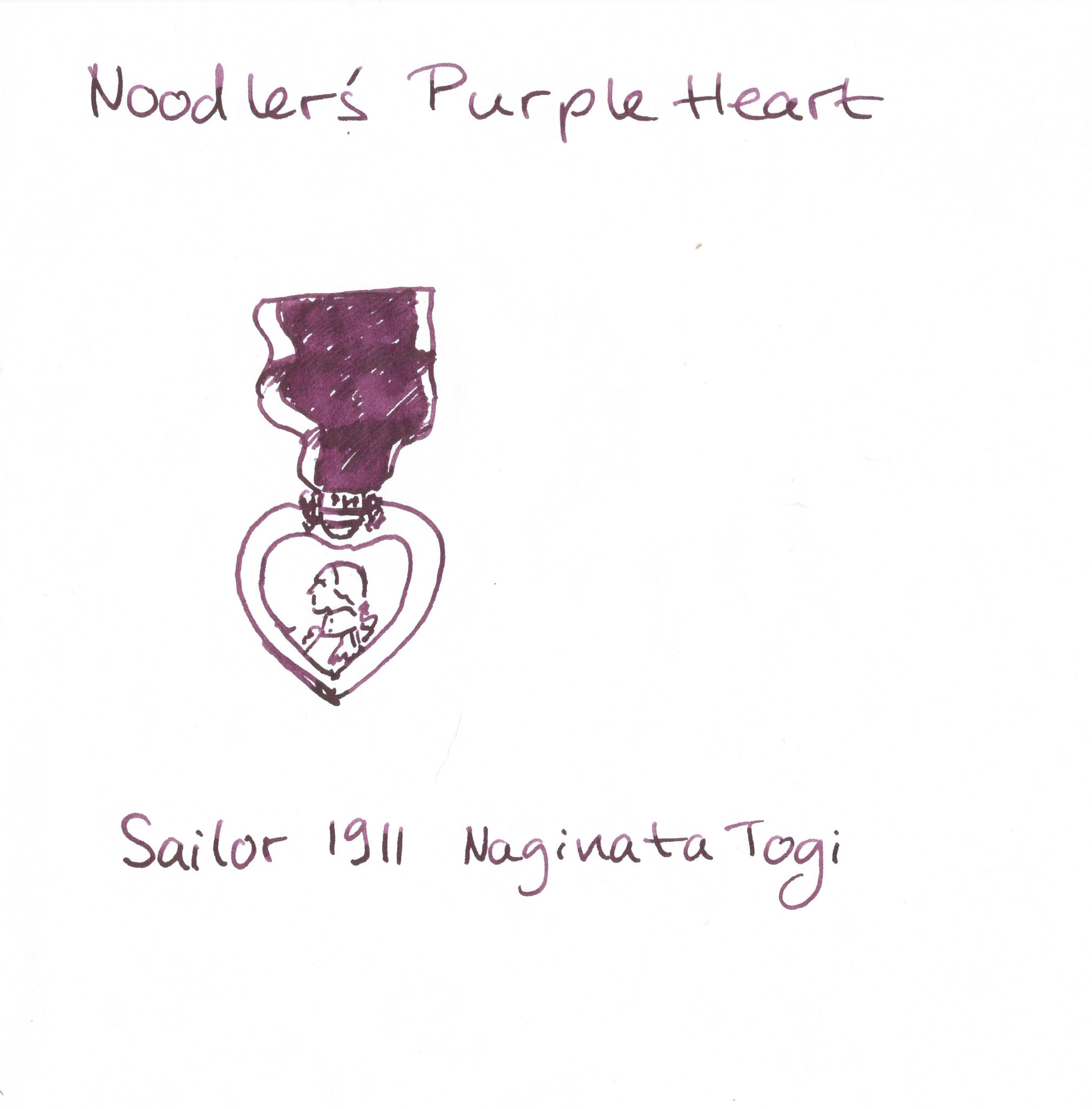
Another selection from Noodler’s, Purple Heart is one of Nathan’s less imaginatively named colours (I mean the man has an ink called “Black Swan in Australian Roses” in this colour range, so “Purple Heart” is a bit on the dull side).
A dusky, reddish purple that shades nicely, this ink closely resembles the much better named Tyrian Purple from Diamine. Except it is about $2 cheaper. And shades less. And is harder to clean out of your pen. And is more difficult to obtain.
This is the kind of ink that you buy when you are trying to show your rebel side at work, after you have had your fill of the excitement that blue-blacks have to offer. Dark enough to not call too much attention to yourself, but unique enough to make your heart flutter, this would be a decent ink to pick up after you have a good selection of black, blue, blue-black, brown, dark green, grey and that cool-ink- with-the-sparkly-bits-in-it.
Properties-wise Purple Heart got the very short end of the stick — it had nothing going for it except its tantalizing colour. It is not waterproof or water-resistant. It takes a long while to dry — meaning that it is not going to be a lefties favourite. It is not particularly Field Notes and Moleskine friendly (a lot of bleed through and show through, which makes the other side of the paper practically useless), nor does it have any earth shatteringly interesting properties. It is lubricated, which means that it flows well, and plays particularly well with piston fillers (until you have to clean them out, at least).
So why did I pick this ink over its Tyrian counterpart? Because I am stupid. This ink is a Goulet Pens exclusive, and at the time that was all it took to get me to bring out the space credits. I know — I am that silly. It is a nice enough ink for me to not feel too bad for having it (after all there is nothing more sustaining than using an offbeat ink during the most boring meeting in the world), but faced with a similar choice today, Diamine’s Tyrian Purple would get my vote. After all, that ink that was so good looking on the page that you could stare at it for hours, loses a lot of its lustre after you are forced to stare at it for hours going down the drain.
Quick watercolour drawing of a Monaco view from above.
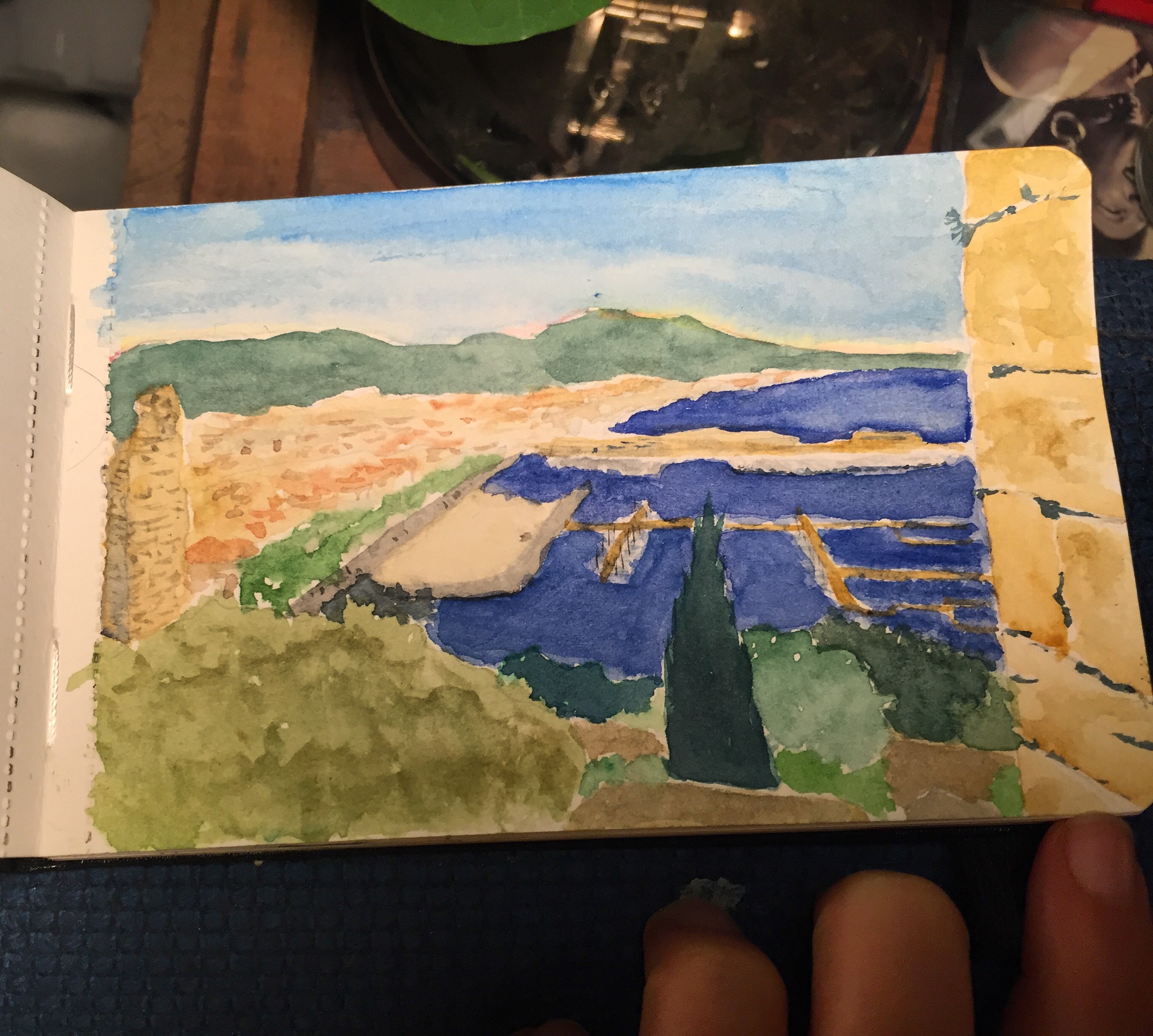
Moleskine pocket watercolour notebook, Schminke Horadam watercolour, Windsor and Newton series 7 number 2 brush.
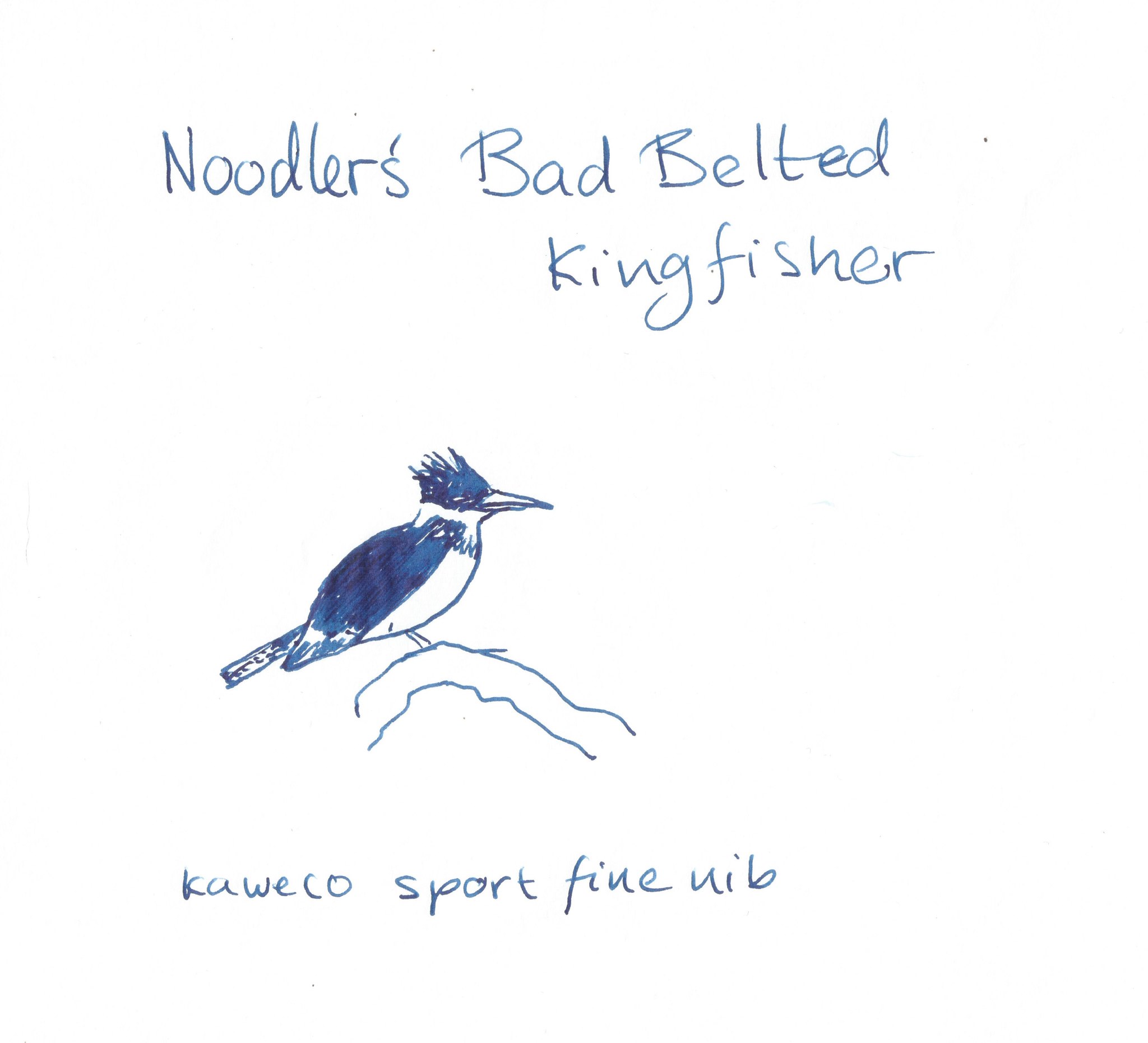
This is Noodler’s Bad Belted Kingfisher.
Right off the bat it scores points for having a badass name. But if you were expecting it to be a kingfisher blue, you might be disappointed. Like its namesake, a bird that only American pen addicts are likely to be familiar with, this ink has less turquoise and teal tendencies, and more royal blue, even slightly blue-black ones.
Its depth of colour means that if you are looking a “shader”, then you will find better options around, although it does show some variation between deep, deep blue, and deep blue. On Tomoe River Paper. In bright light. With certain nibs. But the variation does exist.
The kingfisher, bad boy as he is, is not too picky when it comes to paper. Field notes, Moleskine — he’ll handle the lot of them, without feathering or too much bleed-through. So this ink is crappy paper certified, providing you forgo your gushing double broad italic fountain pen and stick to something more conservative, like a European fine nib, or a Japanese medium. There are limits, after all, to even the best of inks.
When it comes to the cool and oftentimes wacky Noodler’s properties, BBK did not get much love. It is not quick drying (but dries in a few seconds even on Rhodia paper, so not much to complain about there), freeze resistant, lubricated, fluorescent, sparkly, ghosty or scented. What it is water resistant, and part of the Warden series.
Now when it comes to water resistance and fountain pen inks it is important to remember:
Water resistant means that if you drop a few drops of water on it after the ink has dried, then you will still be able to read what you wrote after the water dried. That is the only thing promised on the tin (er… bottle).
So, about the Warden aspects of this ink… If you are interested, you are welcome to read about it here.
The ink was developed in the good old days of 2011, when the possibility of someone forging bank documents with ink was still a thing (?). These days, I’d just focus on BBK’s colour rather than its Warden superpowers.
So we are left with a middle of the road ink in terms of properties, with Noodler’s signature cheap price and good-looking bottle, with a colour that is nice, but is no Bungo Box 4B. There is no fun in it — no sheen, no hidden hue, no interesting shading, no cool property. In a field so crowded with great blue and blue-black inks, the kingfisher just doesn’t stand out.
Which is a shame, considering its name. Such a brightly-coloured bird deserves better treatment in ink, does it not?
Super busy week at work, which means that I’m doing more overtime than I planned. This translates to less writing time, I’m afraid, but it is still better than nothing. The first sufferer will have to be this blog, because my fiction writing takes precedence over almost everything else these days.
I have finished the basics of my touch typing course and am now simply touch typing, improving my speed, and making sure not to fall into old habits (such as typing with only a few fingers, or glancing every now and then to my keyboard). I have learned to dislike QWERTY, but I’m not yet certain that I want to start learning Colemak at this point.
Anyway, here are a few interesting and useful links that I have gathered over the week:
One Paragraph, Three Drafts – author Diane Chamberlain goes over her (re)writing process using a single paragraph. I find it interesting to watch authors go through their revision process, especially since so few of them are willing to reveal it.
Why Your Attention Span is a Great Excuse for Someone Else’s Failure – a fresh look on some recent eBook (not) reading trends statistics.
Henry Miller’s 11 Commandments of Writing and Daily Creative Routine – short, powerful, succinct words of advice from the author of Tropic of Cancer.
Stephen King on How to Be A Great Writer – this article is this week’s gem. 22 bits of advice from Stephen King on how to become a better writer.
I had a super productive day today.
I managed to write double my daily word quota (I wrote 1,067 words today), figure out a problem I had with one of my characters (what is his motivation in a certain scene), complete my basic touch typing training, run my Friday errands, and go for an actual run.
Earlier this week things weren’t so great. I was stuck with one of my characters (what is his motivation in a certain scene?), and I had a very demanding week at work, which translated to me really, really struggling to complete my word quota on Tuesday and Wednesday.
Some days are better, some days are worse — it all evens out in the long run. I just need to remember during the rough patches that I am are running a marathon, not a sprint, and I will be alright.
For the past two weeks I have been taking the time every day to learn to touch type.
I type a decent 36 words per minute today (sans touch typing), and I rarely look at the keyboard as is. So why make the effort to learn to touch type. If it ain’t broke don’t fix it, right?
One thing was Clive Thompson’s talk on the importance of learning to type fast. I thought that I was a pretty decent typer until I took a typing speed test (here), and discovered that I was merely average. For someone who writes and spends most of my day working on my computer, “average” typing speed is just not good enough. I wanted to stop pausing my writing to scan my keyboard for the right key, and I wanted to stop having to go back and fix typing errors all the time.
The other thing was that my pride was a little hurt by the results of that test. If teenagers can learn to touch type in eight weeks (again, see Thompson’s video), then so can I. I had tried to learn to touch type in the past, but like many of my friends and colleagues I had quickly been discouraged.
So I searched online for a bit, and I found a few very useful, free resources that can help you learn to touch type:
Typing Club – this is the main site that I use. It is excellent, as it teaches you touch typing in small, manageable increments (I am now in lesson 22 for those interested).
Typing Study – another useful site that teaches touch typing in much larger chunks than Typing Club. It also has a speed test and games that help you practice your touch typing. I use it for extra drills, on top of what Typing Club provides.
Type Racer – a very popular touch typing racing game that helps you improve your typing speed.
Keybr.com – another popular touch typing teaching game. Gives you words with blanks in them and sets of keys to learn to touch type. Doesn’t teach by the conventional “home row first, then top row, the bottom row” method.
Typer Shark – here for nostalgia reasons only. A lot of people learned (or tried to learn) to touch type during this childhood using this game. It’s still here if you want to use it.
Typing speed test – another typing speed test site, one that doesn’t use capital letters and punctuation (I got 47 words with it, but it felt like cheating).
Typing tips on Reddit /r/MK wiki – a nice collection of useful typing tools and resources.
/r/BlurredFingers on reddit – a sub reddit devoted to fast typing.
What was really a revelation for me was that once you stick to it for a while, and practice, practice, practice, you notice that it isn’t that you are remembering where each key is, but rather that you are developing muscle memory to where every key is. It takes a few days of persisting, but once it starts happening it is quite stunning. Your mind is clearly no longer spending valuable “processor time” remembering where each key is, and you are free to focus on your writing and your writing only.
This post was touch typed, and took me a little longer to write at the moment, but was a valuable learning experience. We invest time, money and effort in things like finding the perfect notebook, pen or pencil, but hardly enough time in developing skills that are useful for the modern writer.
Routines and rituals are important, and one of the signs of a craftsperson is their care for the tools they use. This is true for any kind of maker, whether your craft is storytelling or leatherwork. Every two weeks I try to go through this routine, to make sure that the things that I use when I write are there and in order when I sit down to do my writing.
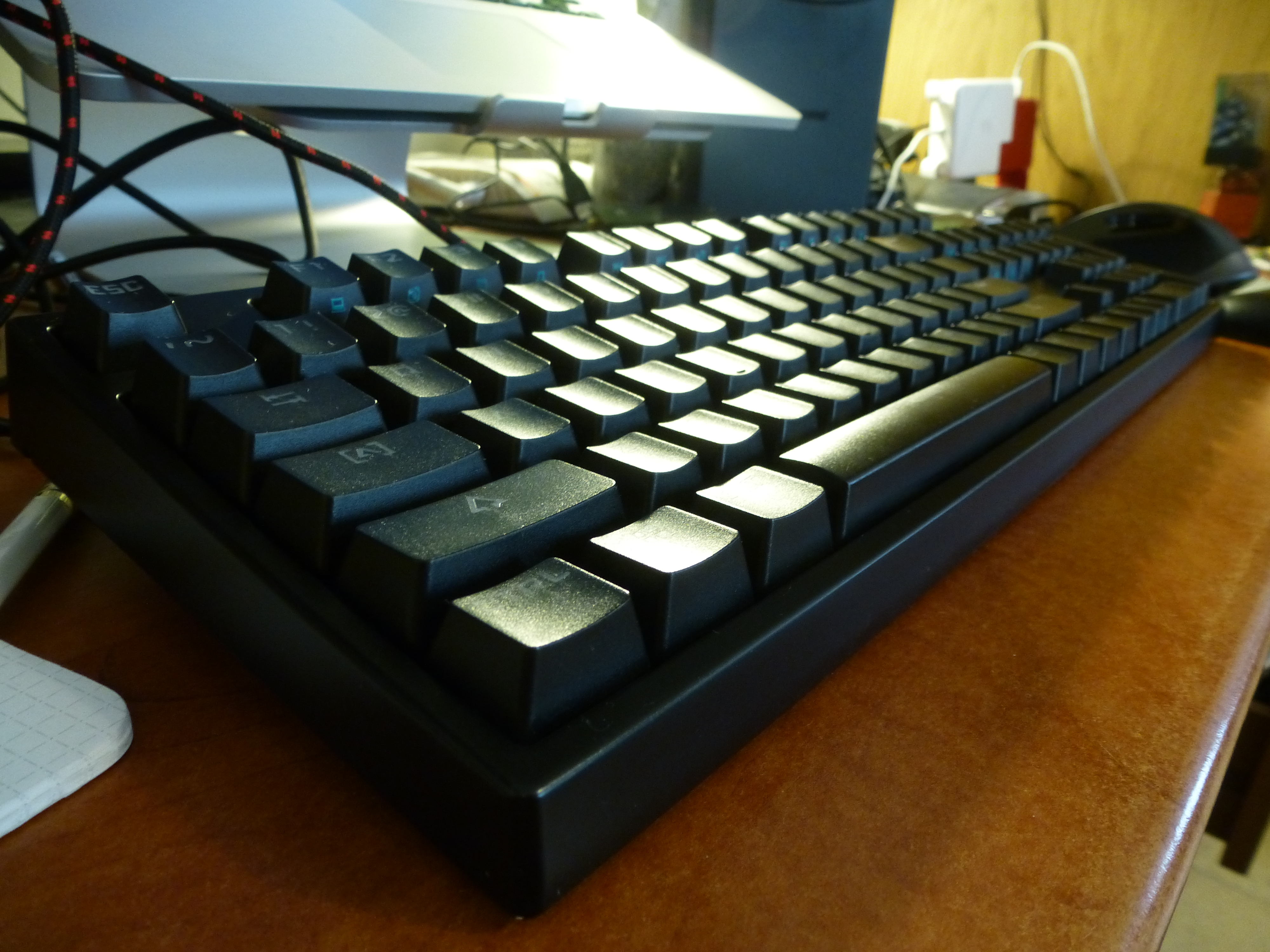
Some computer keyboards harbour more harmful bacteria than a toilet seat, research has suggested.
A BBC News report published the findings of a consumer group Which? on keyboard hygiene, and not surprisingly they were shocking.
Since your keyboard is one of your main, if not your main writing tool, taking 10-15 minutes every two weeks to clean it doesn’t seem excessive, yet few writers do so.
Here are the keyboard cleaning guides that I use:
PC World: How to Clean Your Keyboard – simple, informative, easy to follow advice on how to clean your keyboard.
Rispter Guide: Cleaning Keyboards – funny, and with plenty of pictures. Also, much more thorough than the PC world guide, and geared towards mechanical keyboard maintenance.
You can read up here on how to backup your work. Once every two weeks go over your backups and check to see that everything is where you expect it to be.
Take a few minutes once every two weeks to go over your notes, file or throw away those that aren’t relevant anymore and make sure that you don’t have any loose notes scribbled on envelopes or post-it notes around the house.
If you for some reason work with Word and not with Scrivener (why?), and keep several versions of your work in different files, take a moment to make sure that your file names haven’t gotten out of hand, and you still know where everything is and what everything is. File names “My novel – old new new version 2” — I’m looking at you.
Check your notebooks, pencils, pens (fountain pens or not), to see what needs to be refilled soon, reinforced or replaced.
Take some time to fill in character names and short descriptions, places information, references etc. in your Scrivener project’s Characters, Places or Research folders. This information is important to keep on hand for long projects, and is especially useful to keep bundled together with your writing — mainly for search purposes (“where did I reference X character?”).
 Writing at Large