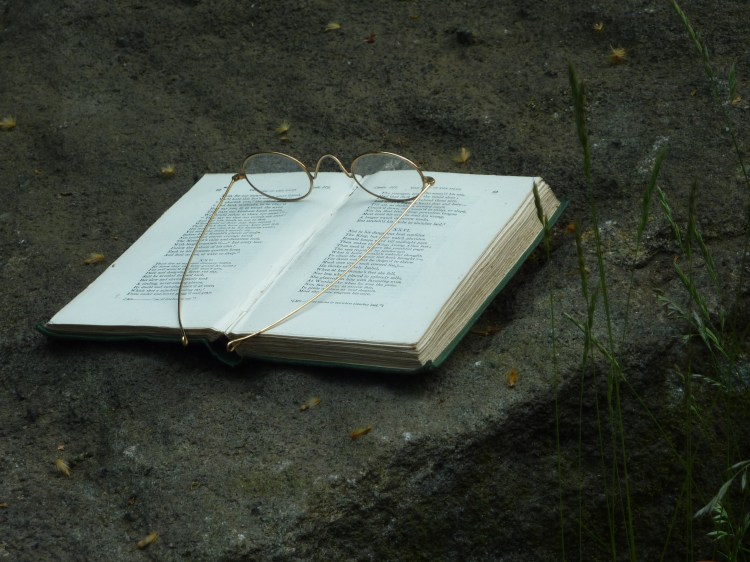
Evening light

Lonely park bench near the river seeking tired old couple to keep it company. Idyllic view guaranteed.

Hey, Hey, What’s Going On?

  • I’m working on the second draft of my first novel (so far in Chapter 3 of 22), and outlining and discovery writing my second novel. Scrivener has been a blast for this too, allowing me to manage my characters and references to them without resorting to another tool (I’ll try to do a post about that later on).
  • I meant to give The Rook another try (I got annoyed with it after 30 pages during my first go), but due to a lot of upheaval at work, I started reading Linchpin instead.
  • Two of my co-workers (two of the best), are leaving: one to go abroad, and the other one to a different department. That’s made me rethink my future at work, whether I need to move as well and pick up a new area of expertise or not. After a lot of anxious soul searching I realized what I’d forgotten in all this mess — my dream isn’t to work in tech, it’s to be a writer. My day job is what allows me to write while keeping a roof over my head, nothing more, and every minute that I invest in it is a minute in which I’m not writing. This whole ordeal just made me want to double down on writing even more.
  • I’ve got a busy month and a half in July and August, and then things will settle down a bit more. My updates here may be sporadic as a consequence, as I prioritize my writing and running instead.


This week

Writing: Working on the outline of my next novel, and planning the second draft of my first one. Tough work, but there is progress, and progress is what I’m looking for.

Reading: Finished the delightful second Vinyl Detective instalment, “The Vinyl Detective — The Run-Out Groove“, by Andrew Cartmel. Enjoyed it very much, and can recommend it if you’re looking for an intelligent pick-me-up. On the verge of finishing “The Night Watch,” by Sergei Lukyanenko. A very Russian, darker but not dark-for-dark’s sake urban fantasy that is well written and sophisticated. Nothing like the childish dark urban fantasy novels that I’ve read lately.

Running: Got back on track this week. Getting myself used to progressively longer runs, and finding out that they aren’t so bad after all.

Drawing: except for a few quick doodles, nothing this week. I’ll try to get a quick watercolour in this weekend.

Also, if you are even a slight fan of Jane Austen, or like improv comedy, you will love this 30min comedy special by BBC Radio4: http://www.bbc.co.uk/programmes/b08tvyw0

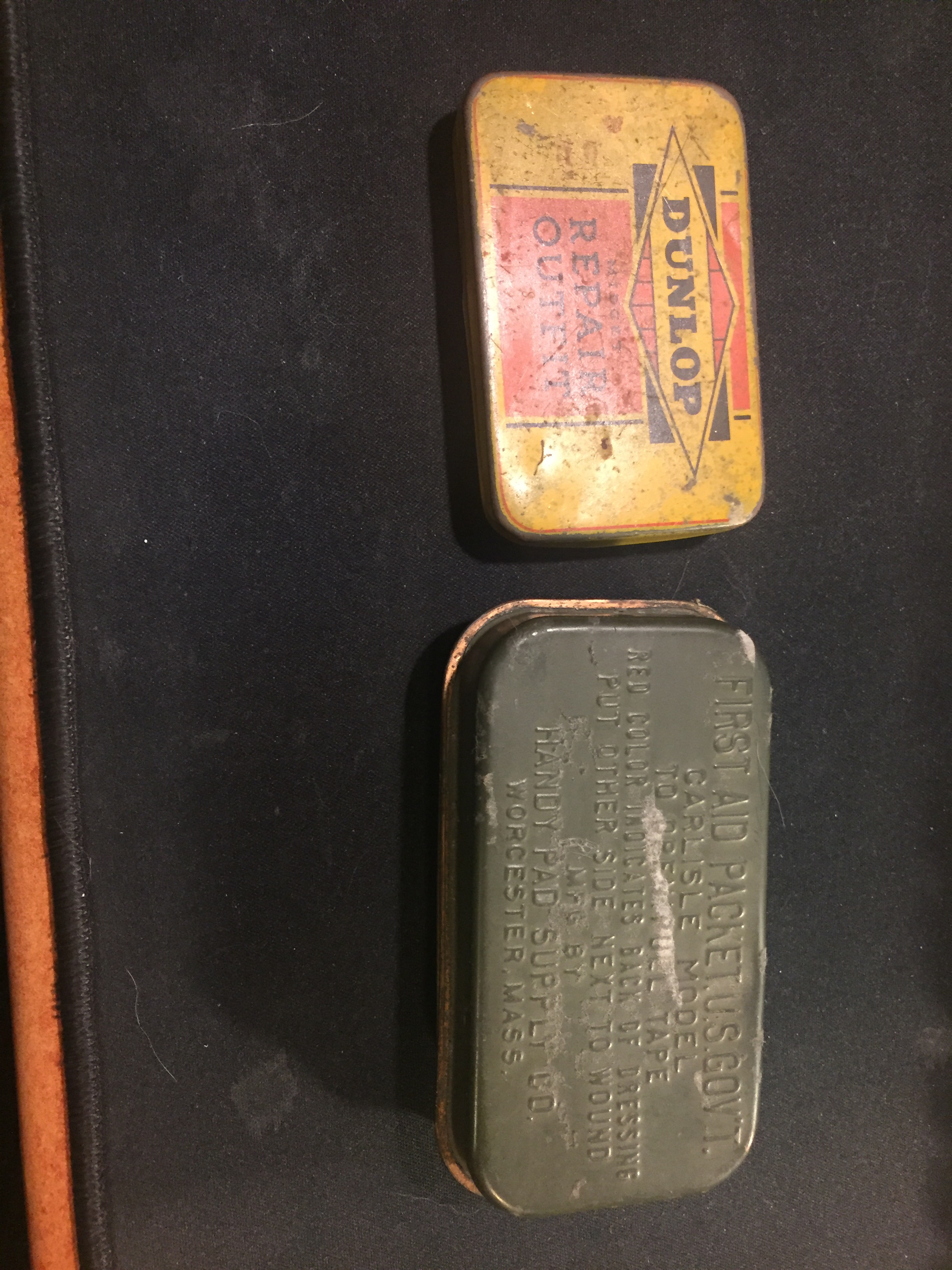
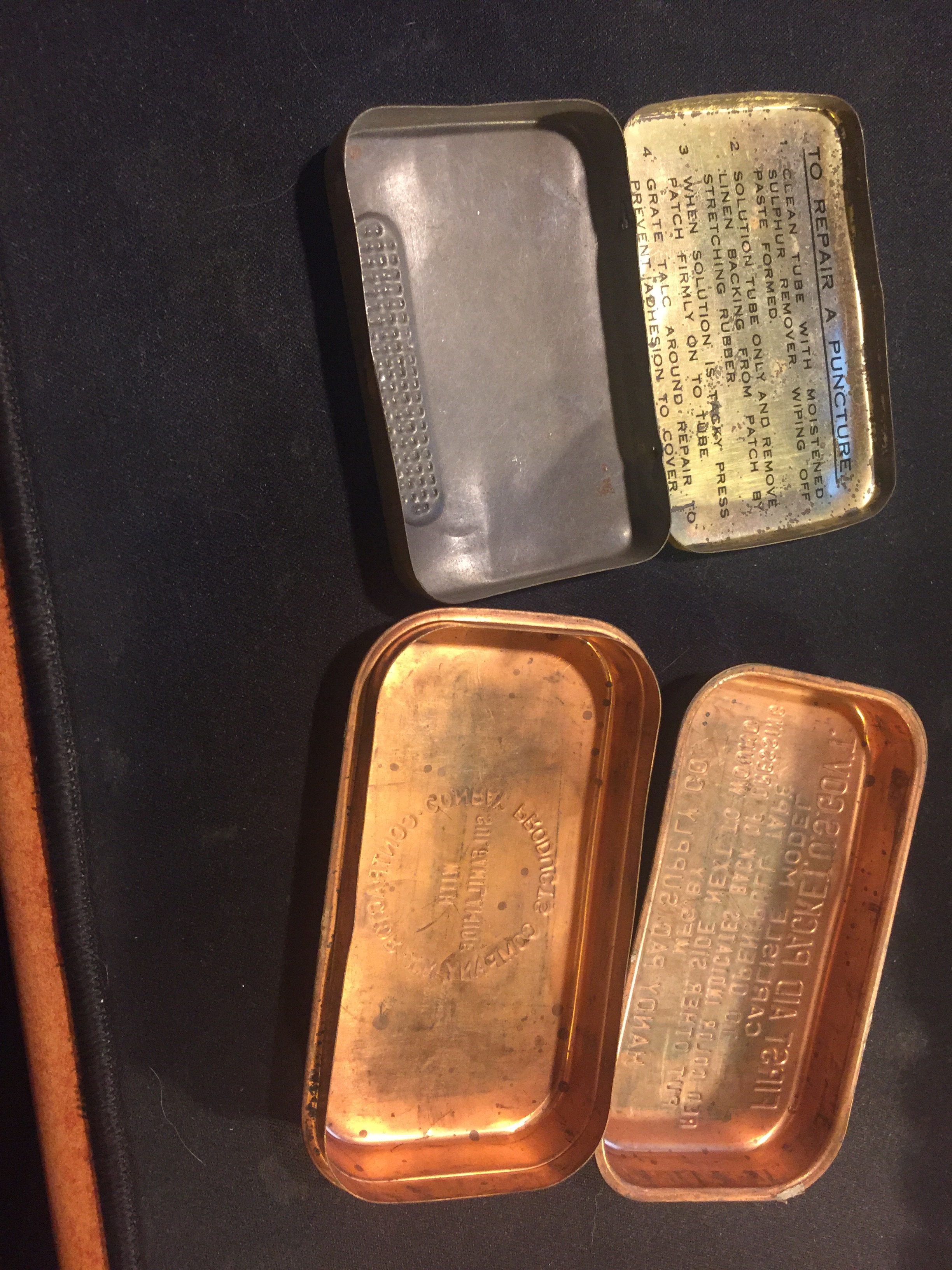
Latest flea market finds: two tins, one a WWII US Army First Aid Packet copper tin, and the other a British made Dunlop “Midget Repair Outfit” bicycle repair tin.

Done

Just finished my first draft. 674 words written today.

22 Chapters

119,293 words total.

Exhilarated and exhausted.

The Mac I need

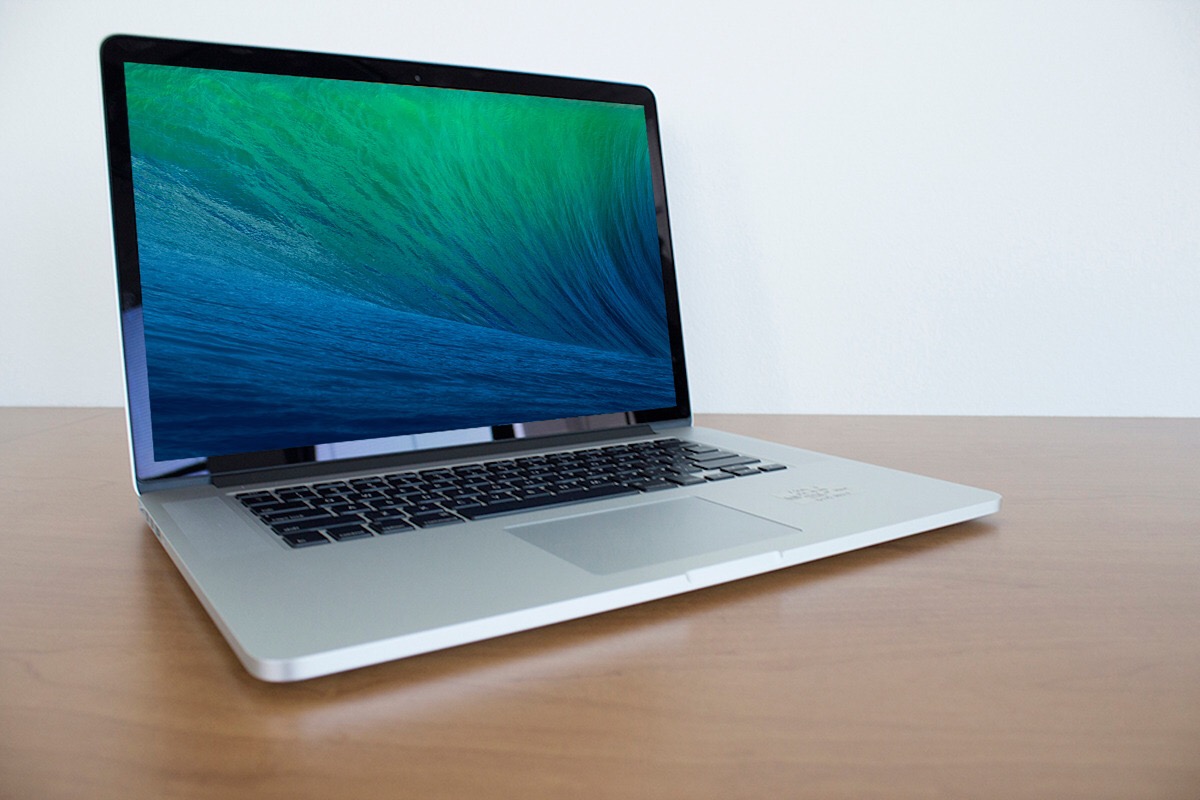
I use a MacBook Pro 15” (late 2013) as my personal computer, and for all of my writing. I was looking into upgrading this year, and found out that there’ nothing for me now in Apple’s lineup. 
The iMacs are nice, but they’re too expensive for me (our local reseller sells them at double their price in the US, which isn’t cheap to begin with), and there have been recurring reports of reliability problems with them.

The MacBook adorable is very thin, very light, but too weak and with too small a screen to be my one and only computer. This is the traveling businessman’s choice.

The MacBook Pro lineup is terrible. It’s too expensive, I don’t need or want a touchbar, and none of them have the ports that I need and use: an SD card and a USB 3.0 port. As it is I have to use a USB hub at home, which is terrible (and crashes my Mac’s Wi-Fi reception whenever it’s too close to the back of the laptop), clunky and inconvenient.

The MacBook Air would have been good enough, if Apple would have updated its ridiculous screen.


So after a bit of thought, it looks like I get to keep my money for another year or two, with the hopes that either Apple gets its act together when it comes to Macs, or I will be able to do all of my work on the iPad++ Pro 17” or something.

Brain dump

A few great things to read:


What else?

  • Drafting the last chapter of my novel. Writing this chapter is pure indulgence. 
  • runDisney virtual 5k race medals have arrived. Going to earn my first medal today. 
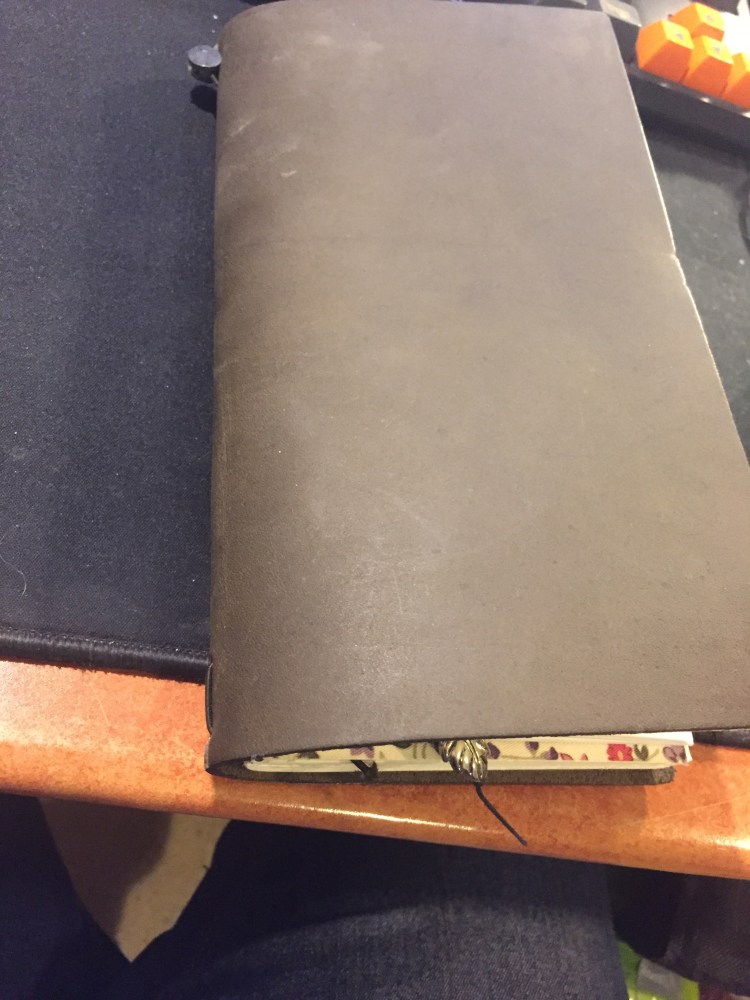
  • My Nock co Lanier briefcase arrived and I’ve started using it. I may do a review after using it for a few days. For now it carries my iPad Pro 9.7”, a Moleskine large notebook, and some loose papers. 
  • Something dreadful is attacking my plants. Investigating…

Top 5 pens

In the recent Pen Addict Podcast, Brad and Myke discussed their top 5 pens, and that made me think about my top 5 pens. Do I even have a top 5? I never actually ranked my pens until now — I just use them.

After a bit of thought, I came up with this list of my favourite five pens. These are all perfect for long writing sessions, but they’re not necessarily the best for begninners, or for showing off your handwriting, so take that into consideration before you purchase any of these:
P1000012

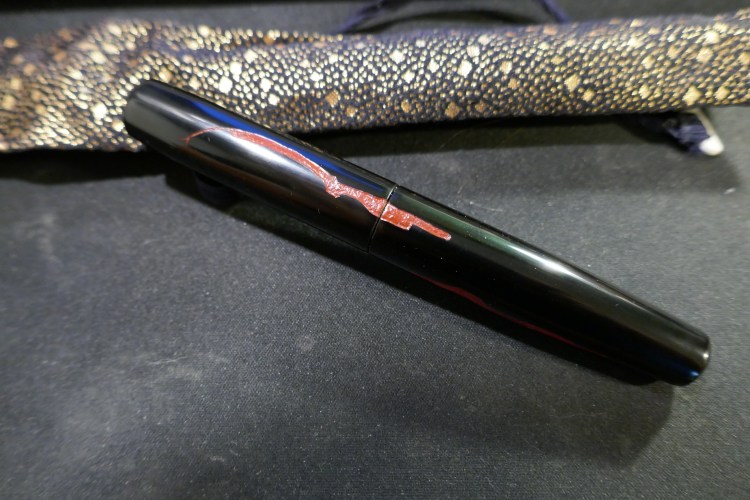
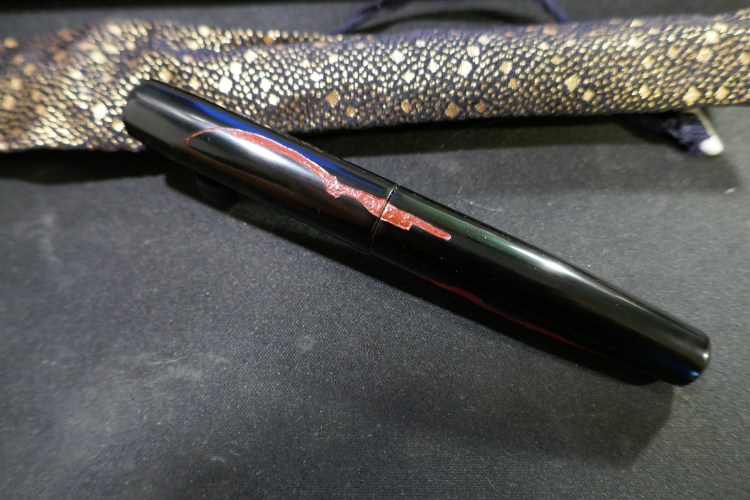
Nakaya Cigar Piccolo Negoro Kise Hon Kataji black/red with elastic flexible medium rhodium nib — that’s quite a mouthful for a relatively small pen. This pen was made to order for me, and I had to wait quite a while and pay quite a bit for it, but it was totally worth it. The nib is a dream, and like no other nib that I own — it’s springy. It isn’t a wet noodle by any stretch, but shows a good amount of line variation, is very comfortable to write with, and is super easy to clean. The most beautiful pen that I own, in a very understated way, it’s the best all-rounder in this list.
P1000014

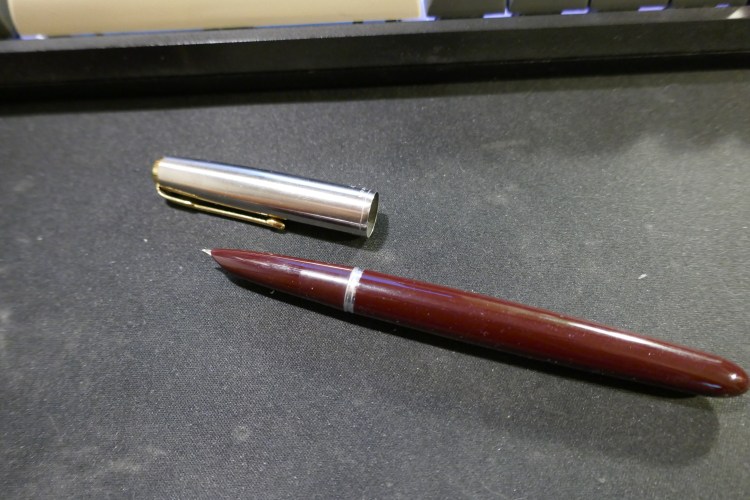
Parker 51 — I have quite a collection of these vintage classics, and I have yet to be disappointed with one. They somehow manage to make my handwriting really good looking, and they are fun to write with (though a bit of a pain to clean). Not the prettiest of pens, but I love their sleek looks, and they are workhorses.

P1000013

Franklin Cristoff Model 66 Stabilis Antique Glass with a 1.1 stub converted to an eyedropper pen — this pen is gorgeous, comfortable for long term writing, helps show off ink (both because you can see it sloshing around and since it lays down a significant line), and makes even the simplist handwriting look great without going overboard in terms of line thickness. It’s also super simple to clean out (though beware of staining inks), and the nib is a stunner, especially for a steel nib.

P1000016

Ti Arto with a Uni-ball UMR-85N refill— this has now become my daily journaling pen, and although it isn’t a fountain pen it is comfortable for long writing sessions, mainly because it has a relatively thick barrel and is relatively light for a machined pen. It writes well on all types of paper, including Moleskines, is relatively cheap, and accepts a dizzing array of refills. This is a pen that I don’t mind slipping into my pocket or tossing into my bag — it’s built to last and can take the punishment.

P1000015

Lamy 2000 Fine — this pen is not without faults, as the little metal prongs that hold the cap in place can get in the way of your grip, and my old 2000 is cracking in several places (ugly-fixed with superglue), but I still love it. The gold nib allows for just enough line variation to make it perfect for both writing and sketching, and the capacity is just fantastic. I’m also a big fan of its understated looks, but if you’re looking for something with more zing, this may not be the pen for you. I also bought another one, in extra-fine (after my old 2000 started cracking), and I have to say that its nib isn’t as good as my old 2K. So I’d recommend it, but only if you’re willing to tune it (either yourself, or take it to a nibsmith), if necessary.

These are my workhorses, and at any given time at least two or three of these are in use. Experimenting with pens in nice, but when you’re working on writing a novel or have a good chunk of writing to do, the snazzy wet noodles and music nibs give way to more dependable choices that are also always a joy to use.
Tracking your golden writing hours

As I’ve built myself a writing plan, I’ve also started tracking my best writing hours. These are the times of day when I find writing easier and more enjoyable. My goal is to make sure, as much as possible, that my best writing hours as spent doing exactly that — writing.

The problem is that tracking is a drag. Luckily, I don’t need to track my writing time down to the minute or even precisely to the hour. Just knowing that mornings are my best writing times, that I can get some writing done in the afternoon, and that I’m practically useless late in the evening, or after a run, or after a full day of meetings at work is enough. It made me get up earlier in the past few days and try to get as much writing as possible done before I go to work.

When you log your word count for the day, take a minute to also note when you wrote most of those words down, and after a week or to you should have a better idea when your golden writing hours are. Then it’s just a question of protecting them as much as you can.

P1050723

Streaks vs. Plans

I was in a bit of a writing slump over the past two months or so, and I tried to solve it by trying to get as long a streak as possible of writing every day.

I managed to go three days in a row, and then failed.

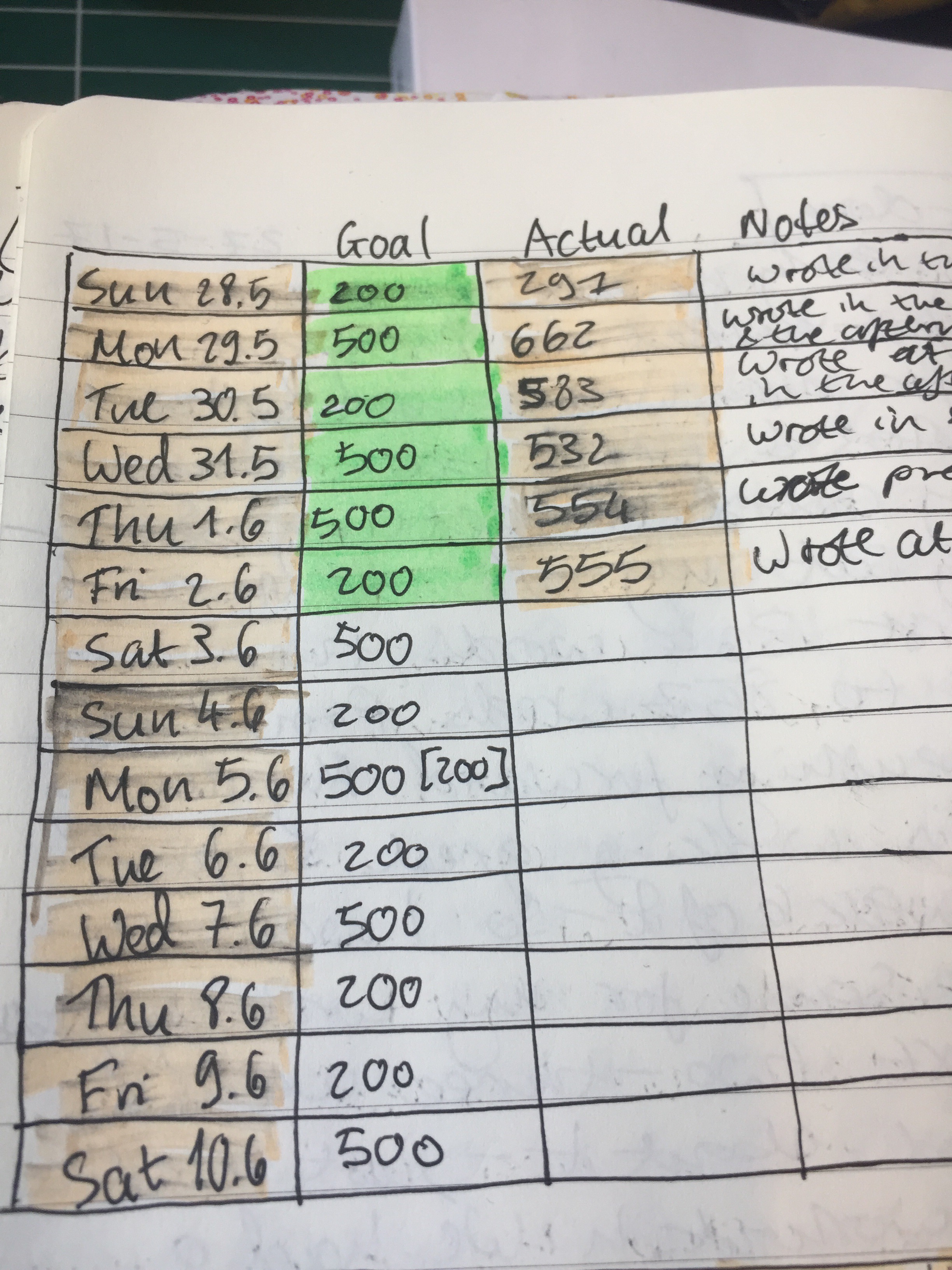
Now I’m using a writing plan that I drew up for myself, and I’ve gone 7 days in a row with more words written each day than I planned, and I’ve written more each day than I did during my short-lived streak. Why is that?

Streaks are something that we think helps us move forward, create habits, but I think they only give us the illusion of being helpful. Yes, if you’re on a streak, you really don’t want to break it — especially if it’s a long one. But streaks don’t motivate you to finish your daily goal early, or go beyond the goals. Streaks let you postpone things to the last minute — after all, you only miss your goal when the day has passed. They are inflexible — you set the same goal for each and every day, no matter what.

Plans allow you to do just that — plan your daily goal to accomodate your life. Busy day? Set a smaller goal. You have the day off? Set a more ambitious goal. They also don’t set you back to zero if you fail, and encourage you to try for at least a partial success, because not everything is lost if life happened and you didn’t meet your goal. There’s also less of a pressure with a well made plan to “keep extra words for tomorrow”. If you have something to write, write it. 

Just like athletes use training plans and not training streaks to prepare for a race, writers should use writing plans and not streaks to get their daily words in. 

Staring at the blank page…

Starting to write is like starting to run. Your brain starts playing tricks on you from step one. 

“I’m too tired to run”.

“It’s too hot today — it’s dangerous to run outside”.

“My feet hurt, my head hurts, my throat hurts — let’s not go out today”.

“10k? That’s too much. Let’s run less. You can’t possibly do it”.

Sound familiar?

I sat down to write yesterday, and it was difficult, very difficult to start. My mind started wandering, suggesting that I read my twitter feed, or the NYT, or do anything, just anything but write. It’s like that almost every time I sit down and write, and the only way I found to overcome it is to map out reasonable daily goals and force myself to start anyway. Usually when I start writing I can push myself well enough to the finish, sometimes even a bit farther. The same thing happens when I run — the first 2-3k are a pain, but then I get into the rhythm, and start enjoying myself. 

There’s never been a run that I’ve regretted.

There’s never been a writing session that I’ve regretted.

I just need to remember that when the tiny little coward in my brain decided to protest. 

Every. Single. Time.