Journaling Series: Journaling When There Are No Words

The intro post to this series is here, journaling for mental clarity is here, journaling through fear is here. Journaling to clear your mind is here. Journaling to work out choices is here. The 5 year diary is here. Travel journaling is here.

There are times when there are no words, or words are not enough, but you still want to put marks on paper, because pens are a comfort, pencils are a comfort, paper is a comfort, just the sound they make as they meet is a comfort. Beyond doodling mindlessly, copying down a passage from a favourite book or a poem, or just practicing your handwriting or repeatedly writing down a mantra, here are some things you can try doing:

1. Pick an object or a photo and draw it without looking at the paper, and without picking up your pen (blind contour drawing). You need zero artistic skills for this, and the result doesn’t matter, just your focus on your subject and the movement of the pen or pencil on the paper.

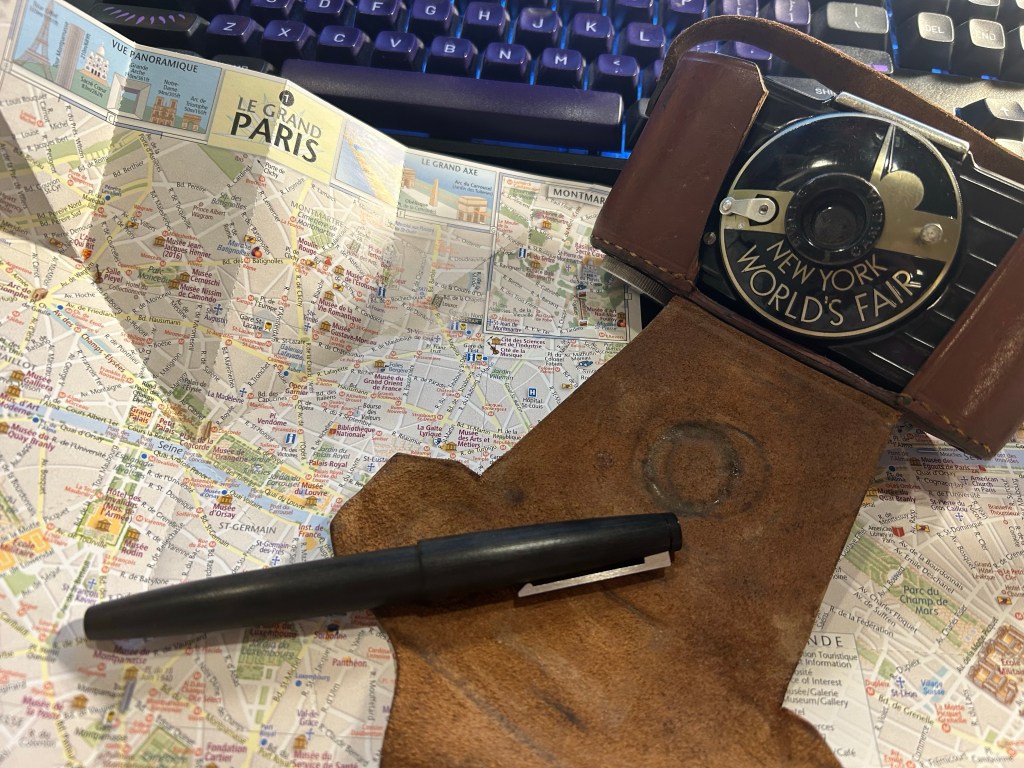
2. Pick up a pen and then list 10 things that you see around you in that pen’s colour/the ink’s colour. This is a variant of a stress reducing exercise that I do regularly (find 10 objects in a certain colour in the area around you), and it helps ground you in the moment and take your mind off things. It’s best to choose an unusual colour for this (not black, blue or brown, but pink, purple, yellow, etc) – something that’s a bit more challenging to find. You can also do this with a pencil and then just pick 10 things in/with a certain shape (triangle, zigzag, hexagon, etc).

3. Pick a pencil, a pen and an eraser, and sketch them. It doesn’t have to be accurate, and nobody cares if you don’t get it anywhere near “right”. These are simple objects to sketch (basically rectangles and triangles smooshed together), they are readily available and usually don’t carry too much emotional baggage with them.

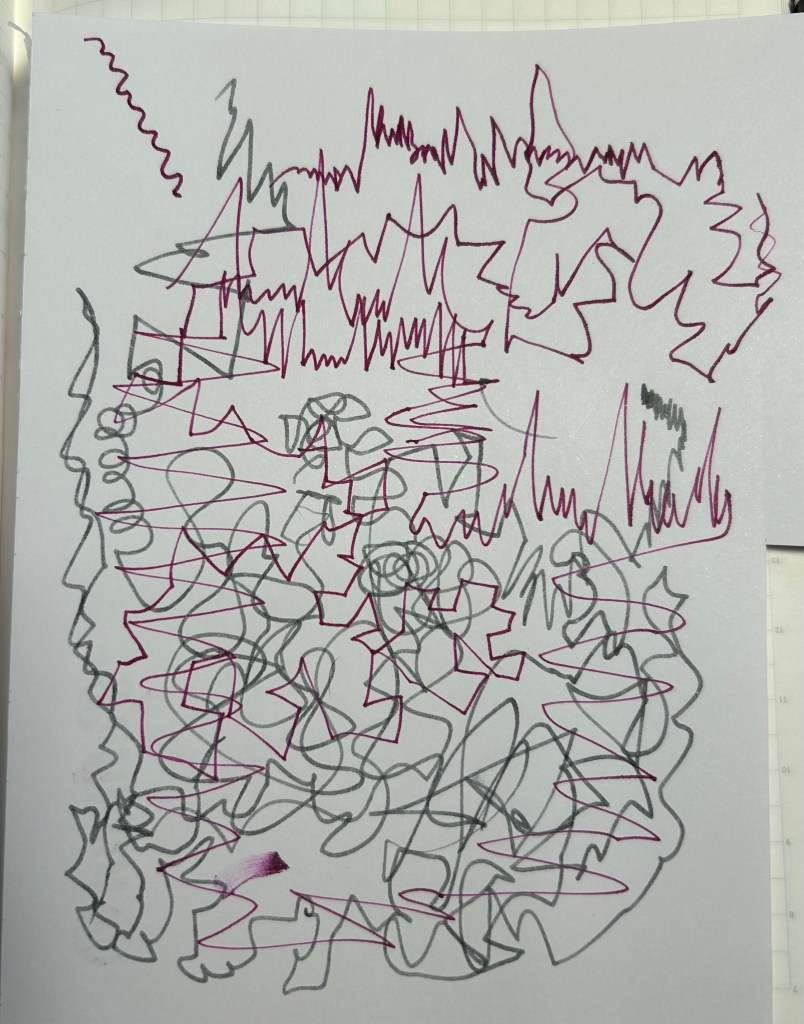
4. Put on some music with no lyrics, grab a piece of paper and some pens, and just sketch the piece. Go abstract, vary lines and shapes and colours with the change of tempo, instrument, etc. I love using Oscar Peterson or Thelonious Monk tracks for this, but it’s best to do it with tracks you already know and love.

I’ve been using a combination of all of these lately. Sometimes they help, sometimes they don’t.

Journaling Series: Travel Journaling

The intro post to this series is here, journaling for mental clarity is here, journaling through fear is here. Journaling to clear your mind is here. Journaling to work out choices is here. The 5 year diary is here.

I recently got back from a trip, and later this year I have another trip planned so I thought that I’d dedicate a post to travel journaling.

My travel journaling differs pretty significantly from my normal, daily journaling in a few key ways:

1. I move to digital journaling.

2. I journal to share and not just for myself.

3. I oftentimes backlog journal.

Here’s a breakdown of what I do when it comes to travel journaling and why:

Digital Journaling

While my daily journal is always analog, when I’m traveling I switch to using Day One. There are several reasons for this:

1. The entry point to my travel journaling entries is the photos I take, and journaling makes me take more thoughtful photos. I used photos to capture a moment or tell the story of where I was, when and why. The entries in Day One then expound on that.

2. I compile my daily entries to share them with my family back home. It’s a way for us all to participate in the adventure, in a way.

3. I tend to return to the same places, and it’s easier to search what I liked or didn’t like about a place, or a place name using Day One than it is digging through notebook pages.

4. Writing quick entries on my phone while waiting in line for stuff is both convenient and helps the time go by faster, and my phone is always on me.

A digital photo of analog tools.

Journaling to Share

I normally write only for myself in my journal, but when I travel journal, I write with sharing in mind. While I don’t share my entries to social media or this blog, I do share them with my family.

Backlog Journaling (or Giving Myself a Break)

It’s often the case that I’m too busy to journal as things are happening, or during the day that they occur. In that case I just take pictures, sometimes supplementing them with a note on the list of activities done and places visited. When I have more time (for example on the flight back home) I can backlog these entries – with the added bonus that I get to live through them again.

Journaling Series: 5 Year Diary

The intro post to this series is here, journaling for mental clarity is here, journaling through fear is here. Journaling to clear your mind is here. Journaling to work out choices is here.

I first heard about 5 year diaries a few years ago. The idea is simple enough: 5 year diaries have a page for every day of the year, but the page is divided into 5 sections. Every day for 5 years you write a few lines about your day, and in the end you have a diary that reflects on how you and the world around you have changed over those 5 years. You can see an example of such a diary here. There are also 3 year diaries that work the same.

I journal daily, and have journaled daily for many years (with breaks for a few months here and there), so you’d think that a 5 year diary would have little to no appeal to me: after all, what is the point of summarizing what I already wrote? That was indeed the case for a good long while, until a month ago to be exact. On the 22nd of July I sat down and created a 5 year diary for myself.

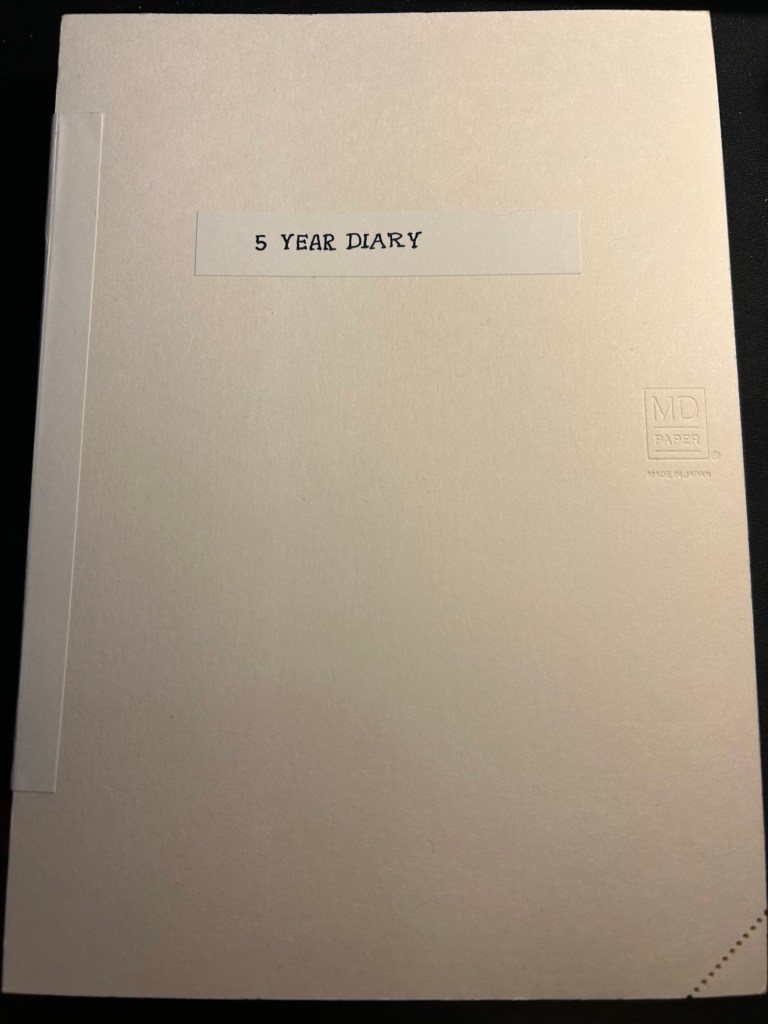
My own, handmade Midori 5 Year Diary

Midori makes beautiful 5 year diaries, but I found the format unappealing. I hate it when something has lines that don’t run all the way to the edge of the page, and I didn’t like the diary’s size and layout. So I took a blank A5 Midori Journal Codex that has one page per day, and created my own 5 year diary. I had purchased the journal on a whim when I was last in Paris, and I hadn’t found any use for it previously. It has 368 pages with no formatting beyond two lines on the bottom of each page that I used to write the day of the month and the month in.

Hand labeled diary.

This isn’t a notebook review blog post. It also isn’t a “you should start a 5 year diary” post, nor is it a “make it don’t buy it” post. It’s a “how I journal” post, and specifically, it’s a “how I journal for self improvement” post. It’s not titled that way because I have another post planned on this topic in the future. This is about a specific technique that I’m trying out now, and which may or may not work for me or for you.

How a page looks

Here’s what’s going on:

Like many cancer patients, I ended up with PTSD. Among other delights, my brain is firmly programmed to think that I don’t have more than a few days to live, so there’s no point in planning ahead. I used to love planning ahead, and I used to be very good at it. I had systems, and notebooks and planners galore. And now I have a brain that simply will not accept the fact that I will be around by the end of next week. It’s irrational, which is why it’s a mental disorder, but it’s also not moving. It started as a very useful coping mechanism, one that allowed me to survive from chemo treatment to chemo treatment, but now it’s refusing to go away, and it’s affecting my quality of life pretty significantly. Nobody likes to live with the constant thought that there is no future to look forward to (and to those curious, no, that’s far from the only delightful affect PTSD has on me. It’s just the one that’s relevant to this post).

So the state of things for the past two years is that planning ahead is like pulling teeth: painful, traumatic, and something that I try to actively avoid. So far I’ve had little to no success dealing with it, and you’d think I’d give up by now but I won’t because I’m stubborn like that. Which brings me to the 5 year diary as a journaling for self improvement practice.

I have an upcoming trip to the US at the end of the month, and I’ve been fighting my brain for the last two months trying to get it to let me plan for this trip. The trip is important and expensive and requires careful pre-planning and my brain has been super obstinate about me not getting to do that. Imagine having a phone call with your bank manager, high-school principal and class bully rolled into one and you’ll get a taste of what’s going on in my head every time I sit down and try to plan ahead. Are you getting heart palpitations? Are you hands sweating? Would you do anything to hang up the phone?

So on the 22nd of July I had enough of that. I took out the Midori notebook and dated 365 pages by hand out of rage. I was going to prove to my brain that I was here to stay, at least for the next 5 years. The idea was to create daily positive feedback, a trail of breadcrumbs that proves that I’m here to stay and I plan on staying alive for a while yet. As I write more than a page a day in my regular journal, I don’t get that positive feedback unless I stop and read back entries, and I rarely have time for that. The page layout of the 5 year diary, coupled with the fact that there is some show-through to the previous page, helps reinforce a constant reminder that hey, I’m not dead yet, and that I’m making good progress to keep staying alive. I wish I had thought of it sooner, so I could show my brain today where I was last year (the first year post chemo), and where I was a year before that (actively getting chemo or dealing with aggressive cancer), but better late than never.

Will it work? Maybe. It’s something that I haven’t tried before. Will this post help anyone else? Maybe. If you’re suffering from depression and anxiety maybe this will help. Maybe this is the way you start a journaling habit – after all, 2-3 lines a day isn’t much to ask, and I sometimes batch entries to 2-3 days at once. In any case I’ll update how the experiment goes as the year progresses, and if this does happen to help you, I’d love to hear about it.

Journaling Series: Journaling to Work Out Choices

The intro post to this series is here, journaling for mental clarity is here, journaling through fear is here. Journaling to clear your mind is here.

Journaling to work out choices seems pretty obvious: write down all your options in a table of some sort and compare them. There’s no need for a blog post on that. You know how to create comparison tables — the only trick to them is to find the appropriate comparison criteria to use.

This isn’t a post about how to compare a vacation at home with a vacation abroad, or which large screen TV to buy. This is a post about working through the tough choices in life, those that keep you up at night, those that torment you well before you make them and well after. If I’ve scared you off, you can jump to then end where I discuss journaling as a way to avoid the FOMO frenzy involved in all collection based hobbies.

Journaling to Work Out Tough Choices

There’s a pretty silly rule called the “5×5 rule” that states that if it won’t matter in 5 years, don’t spend more than 5 minutes stressing about it. That’s suposed to help people deal with anxiety and stress — like I said, it’s pretty silly and not very useful. If telling an anxious person “don’t sweat it, it won’t matter in 5 years” would have helped life would have been a lot simpler for a lot of people, but our brains just don’t work that way.

Instead I’d suggest trying this approach:

1. Open your journal and consider the issue you’re facing. Start by answering the following questions: is this a choice? Is this a choice that I can and should make on my own? Is this a choice that I can make now or does something need to happen first (someone needs to get back to me, I need to research something, something needs to happen before I can decide what to do)?

2. Is this something that will affect me and the people around me for 5 minutes, 5 days, 5 weeks, 5 months, 5 years?

3. If it’s for 5 months or 5 years — are you in the right mindset to make this choice now, or do you need to calm you mind first, get away and change perspective?

4. Imagine that a colleague at work is telling you about how they faced the exact same choice, and then imagine them selecting each option in turn. Do you think they’re an idiot? If someone else would say that they made the wrong choice could you defend them by articulating why the choice they made makes sense?

5. Imagine making a choice regarding the issue you’re facing, and then in six months from now defending/explaining your choice after it turned out to be wrong. How do you feel? Is there anything you could do to improve your odds of success?

These may sound a bit abstract so I’m going to give an example of how I used these prompts with one of the toughest questions I ever faced. This is going to get a bit dark, so if that bothers you, skip to the next heading.

Making a Really Tough Choice

Very early into my chemo treatments my oncologist told me that after my interim PET CT we might have to make a choice about the rest of the treatment course. If the results were bad (i.e. my cancer wasn’t responding well to treatment), then there wouldn’t be a choice to make: I’d have to go on more aggressive chemo, period. However, if the cancer was responding well to treatment, there would be several treatment options that we would have to discuss. I won’t go into all the options and discussions we had, I’ll just go into the main one: I could continue the full course of treatment at full dosage, or I could continue the treatment on a reduced dose and a smaller chemo cocktail. The full dose of treatment was harder on my body, would pretty certainly cause permanent neuropathy and perhaps damage my lungs and heart, but would provide the best chances of avoiding recurrence. The reduced dose was easier on the body, but provided less protection from recurrence. It wasn’t clear cut, there were no guarantees, and there was a good chance that I could go through the full treatment, ruin my body, and still have a recurrence – in fact a few months after I finished treatment that is exactly what happened to a woman that I was mentoring through the process. This is cancer, and that’s just the way it goes.

I had about a month to consider the options, and a few weeks to make my choice. It spanned a lot of journal entries, many of them repetitive, so the following is a condensed, cleaned up version of them all:

  1. Is this a choice? As my PET CT results came back with a good response to treatment, then yes, it was a choice that I could make. Is this a choice that I can and should make on my own? I talked to my family and I talked to my doctor several times, but ultimately I had to make the choice myself as I was the one that was going to have to live with the consequences. Is this a choice that I can make now? I added this question after having this debate with myself, in an attempt to stop the anxious “what if”in g in my head through the early part of treatment. I will be honest – it didn’t help. I knew there was no point in considering anything before my PET results came in, but my brain (actually, brains in general) didn’t work like that. I was in a constant anxiety driven “what if, what if, what if” loop, scanning for indication of treatment success or failure, information gathering obsessively, in what turned out to be the early manifestations of my PTSD. I’m being honest here so that if you use these prompts and they don’t help you, you won’t go beating yourself up about it. They are merely a suggestion, they may not help, and you may need more than journaling to get through certain points in your life. I know that I did.
  2. Is this something that will affect me and the people around me for 5 minutes, 5 days, 5 weeks, 5 months, 5 years? This was a 5 years kind of issue, so I felt fine taking it seriously and investing a lot of time and effort into making the best choice I could under the circumstances.
  3. Are you in the right mindset to make this choice now? I’ll cut to the chase – I wasn’t in the right mindset, I had no idea how bad my mindset was at the time, but it didn’t matter. I had to make the choice. Sometime you just have to make important, tough decisions when you’re not in the right mindset. That’s just life.
  4. I didn’t do the “what if this was somebody else’s problem” bit for this choice. I just couldn’t bring myself to do that.
  5. Imagine if you’ve made the wrong choice – I’m not going to discuss this here, because it’s very dark and pointless. I will discuss the odds of success bit though – there wasn’t much I could do to improve the treatment odds once I made my choice, but, and here’s the important bit, there were some things that I could. They were extremely tough and would provide minor improvements at best, but it was the best that I had, and minor improvements are not zero improvements. This is what made me drag myself out each day for a walk, even when my body was screaming that it couldn’t, it wouldn’t, it just won’t go on one step further dammit. It’s what made me isolate myself from people, follow my doctor’s and nurses’ instructions to the letter, etc. Maybe it helped, maybe it didn’t, there’s no way of knowing without a time machine really. The point is I made a choice and I did my best to make sure that it would be a good one.

Do I really want this or am I buying it out of a fear of missing out?

Hey, you’re here! It means that you’re interested in the lighter side of this exercise, which is basically journalling yourself out of FOMO. This is what I write in my journal to make sure that I’m buying something because I really want it, or whether I’m being carried away by the feeding frenzy of a new release, a limited edition, or a special “once in a lifetime” deal.

  1. Write down why you want the thing. If you are doing this exercise, then your reasons can’t be because it’s limited, because it completes a set, because you’ve bought every other thing in the series, because everyone is talking about it, because you think you’ll be able to flip it later. It also can’t be because it’s for charity – if you want to donate, donate directly.
  2. Write down how many other things similar to it do you already own, and when was the last time you used/appreciated one of them. How often will you be able to use the new thing?
  3. Write down an experience you could have with the money that thing costs – anything from a concert ticket, to a theatre/musical ticket, a meal at that place you’ve been wanting to try, an hour lazing about at that cool coffee place trying some new things to eat/drink, an entrance to the local climbing gym, a pottery class, etc.
  4. Write down what are the chances of a better thing popping up in the near future, and ask yourself if you’re buying this thing because that’s what you can afford now, but really you’d much rather splurge on a better thing.

Look at what you wrote down, and then wait a few days or a week, read it again and see if the thing you want to buy is still attractive to you.

And if you’re just looking for a nice pick me up, try shopping in your existing stash. I’m pretty sure you’ll find something there that will make you smile.

Journaling Series: Journaling to Clear Your Mind

The intro post to this series is here, journaling for mental clarity is here, journaling through fear is here.

There are many journaling methods and planning methods that tell you to “empty your mind onto a page,” or “perform a mind dump”. This is usually a first step on the way to some other goal: planning your week, dealing with anxiety or finding a direction in life, etc. From GTD to Morning Pages everyone expects you to press a hidden button and just directly dump everything on your mind onto your journal.

The idea is that by emptying your mind onto a page you will be able to free more “processing power” to more high level thinking and planning. Your mind will be free of noise, will be relieved of the need to track and remember things, and will be able to do what you really need it to do: make decisions, plan ahead, come up with new ideas, allow you to be creative.

This is great in theory, but in practice I find myself sitting at a desk with an empty page and and a pen, my mind buzzing with stuff, and the general instruction “just write everything down!”

Where to start? How do you pull out the first thread from all that tangled jumble? How do you focus on mind dumping and not reflexively go into the censoring, editing, sorting process?

How to Start Journaling to Clear Your Mind

Pick one of these prompts to start with. I’ll explain later why they work:

  • Time — what were you doing just before you sat down to write? What do you do plan to right after you stop writing? When did you last look at your shoes?
    The first question is very easy to answer and works when you feel overwhelmed. The second is good for when you’re feeling aimless and are looking to start planning ahead. The third question is there to surprise your brain into being quiet for a second. It’s best for when things in your head are really noisy and chaotic.
  • Place — Describe where you’re writing this, as if you’re writing it in a letter to a friend. Is there anything missing around you? What’s the last national dish that you ate?
    The first prompt is the easiest, and works best when you feel overwhelmed. The second leads to planning ahead – stuff to buy, fix, etc. The third question is there, you guessed it, to take your mind by surprise. If you’re brain is full of screaming demons or chaos monkeys, this may help.
  • Media — What did you read/watch/listen to last? What’s the next thing you want to read/watch/listen to? What would your favourite movie look like if it was remade as an opera?
    This is the most fun of the bunch, and the reasoning is the same as in the Time and Place prompts so I won’t repeat it.

Why This Works

First of all, it works for me, it may not work for you — our brains are like that. From my experience the mind tends to follow the initial thread you gave it, so at least for a while you don’t have to stare at a blank page wondering what to write down. The first prompts are very easily answered for that exact reason. None of these prompts are inherently emotionally charged, so you can start writing without first dealing with your emotional state (you can ease into that later, or not). The third prompts are funny and weird (you can pick others like them for yourself), because when things get really bad it’s useful to have them as a distraction. Trust me on that one.

How to Stay Focused on Mind Dumping

If you’re working on planning ahead, then the second question in each prompt category can help you get started, but in many cases that’s not the point of the mind dumping exercise. If that’s the case, keep a notepad or a piece of paper on the side and once something that looks like a task comes into your head, write that down there and not in your journal/morning pages. You can process it once you’re done writing.

How to Stop

Here’s something that’s also not always discussed: you need to go into these kinds of exercises with a hard stop in mind. Set a page limit, a time limit, or better — set both and stop whichever limit you reach first. Your mind is constantly filling up with stuff, and if you don’t put a hard stop you could chase it forever, or tire yourself out with the first session or two and then never come back.

Mind dumping is a useful process that is best done often (daily or weekly). It’s hard to get into the habit if you find it hard to start, if you turn it into a task hunting chore, if you expect the process to be anything other than letting the junk in your brain get onto a page so that you can clear your head. Hopefully the prompts and tips here will help you get into the practice if you want to. If not, you could always just use them as regular journaling prompts. After all, who doesn’t want to see their favourite film remade into an opera?

Journaling Series: Journaling Through Fear

This is the second post in this series. You can find the intro here, and the first post here.

The title of this blog is somewhat ambiguous, and that’s on purpose. Like the famous “litany against fear” that appears in “Dune”, fear is something that you cannot avoid, the best you can do with it is let it wash over you, observe the lessons that it has to teach you, and be left standing stronger and wiser in the end.

“I must not fear. Fear is the mind-killer. Fear is the little-death that brings total obliteration. I will face my fear. I will permit it to pass over me and through me. And when it has gone past I will turn the inner eye to see its path. Where the fear has gone there will be nothing. Only I will remain”.

Frank Herbert, Dune

I’m a cancer survivor, still living through the high risk of recurrence years of my remission. All my close family members have serious, life-threatening medical conditions. I live in a country where rockets are shot at me and my loved ones at regular intervals, where there’s always the threat of terrorism or just regular, run-of-the-mill violence. My government is methodically stripping me, my family and friends of rights and legal protections even as I write this. I spend my weekends (and lately my weekdays) going to protests where both police and counter-protesters have been regularly violent towards us. Being a human being these days is a fear-inducing thing, and I personally am living through a very fear-inducing life.

So it is not surprising that journaling when I am afraid, to work through that fear, has become a staple of my daily journaling habit. I have so many examples of working through it just in the past week, that I can break one out and actually write out an example of my journaling techniques in this case here. Note that my personal notes are messier, and that this is just what works for me, and even then, not all the time. Sometimes it just buys me some time, or eases the fear enough for me to gain some much needed perspective, or get on the phone with someone to talk it through. What I’ve written here is deeply personal, so if you comment, please be kind. It’s not easy to write about any of this.

When You’re Afraid of Breathing

The first and strongest symptoms relating to my cancer were shortness of breath (dyspnea in medical jargon). I’m in remission now, but still within the window where it’s not unlikely for my cancer to return (recurrence in medical jargon). During this time it’s up to me to notice possible recurrence indicating symptoms and flag them to my oncologist (cancer doctor in medical jargon). It’s only up to me: there are no scans, no blood tests, no physical exam that can indicate recurrence. It’s just me going to my doctor to talk about how I felt over the last three months. The main indicator will be the return of the shortness of breath. That same shortness of breath that is at the heart of my PTSD and anxiety attacks.

In short: I really, really don’t like not breathing.

Enter the local weather lately: a never ending heatwave with extreme temperatures and very high humidity that makes breathing outside difficult. Especially when running and walking to and back from protests.

The Fear Journaling Template

That’s not a great name, but that’s what I’ve got for now. I really recommend doing this with pen and paper, and feel free to destroy it once it’s done if you feel uncomfortable with anyone else accidentally reading it. Take out your journal or a loose piece of paper and write the following down:

  • Fear – write what you’re afraid of in a sentence. Be specific, honest, and don’t make it pretty. Don’t explain anything – just state your fear. Don’t work on more than one fear at once – do them one at a time.
  • Facts – write down any facts related to your fear. Be honest and thorough and be sure to include everything (both things that corroborate and contradict your fear). Make sure these are all facts and not perceptions, hunches or feelings.
  • Feelings – go into your feelings related to your fear: shame, anger, frustration, etc. Expand on what it’s making you feel. Don’t self censor – you’re writing this only for you.
  • Fixes – look at the Facts and Feelings you wrote down and try to come up with fixes that can help ease some of what you’re experiencing. What can you do to get through that frustrating and potentially explosive meeting? How can you get help with the relative that’s been hospitalized? Where can you look for tips on public speaking for the big presentation that you have to give? Again, don’t self-censor. This is just you writing ideas down on paper – it’s not a to-do list. You don’t have to do any of this.
  • What’s the best outcome – in a sentence write what’s the best possible outcome of the fear that you’re facing.
  • What’s the worst outcome – in a sentence write what’s the worst possible outcome of the fear that you’re facing. This is the scary part, but it’s worth doing. It’s worth seeing written down and not bouncing around in your head. Go as dark as your mind wants to take you.
  • What’s the outcome I would bet on – take a step back and read everything you’ve written so far. Consider who you are as a person, the facts you’ve written down, how you’re feeling about things right now, and the outcomes you’ve written down. Then write down the outcome you think is most likely to be realized – the outcome you would bet on. It will fall somewhere along the spectrum between your best and worst outcome, and chances are it will be closer to the best outcome than the worst one. If it is the worst one, then double down on the fixes, get as much help as you can, batten down the hatches and get as ready as you can to deal with its consequences.
  • When do I check-in next – give yourself a timeframe to return to these notes in – in a day, in a week or even in a few hours. This is both to help you get some distance from it all, and to let your mind feel OK with focusing on other things in the meantime.

Here’s an example of how this all works, from my own journal (warning: this gets pretty dark):

Fear – the shortness of breath that I’m feeling is an early warning that my cancer is back.

Facts – I’m finding it hard to breath outside lately. The heat index is extremely high: high temperatures and high humidity. The air quality index is moderate. I find it difficult but not impossible to exert myself under these conditions – I can still run in the early morning, and I can still walk to places if I need to. I can run normally in the gym, and I can breath normally when I’m inside with the AC on. The shortness of breath started about when the heat wave started. I’m in the 2 year high risk of recurrence window. My lungs aren’t functioning at 100% capacity. I haven’t gotten the results of my cardio-pulmonary exercise test yet.

Feelings – I don’t want to be a burden on my family or my doctor (being “the boy who cried wolf”). I’m terrified of my cancer returning. I’d feel even worse if it returned and I could have raised the flag sooner, and I didn’t because I wasn’t paying enough attention to my body. I would never forgive myself for that.

Fixes – accommodate the weather in my exertion levels and training. Move whatever you can indoors or into cooler hours. Check your breathing status in the gym. Call the hospital to get your CPET results and send them to your lung doctor.

What’s the best outcome – this is nothing, it’s just a result of this heatwave.

What’s the worst outcome – my dyspnea gets worse, and it is the cancer coming back for round 2.

What’s the outcome I would bet on – It’s likely just the weather coupled with my lung situation.

When to check in next – the heatwave will continue well into next week. Check back in next Saturday, after my long run.

We live in a tough world during a tough time. I hope that the ideas here help you out when dealing with whatever curveball life throws at you. The point is to gain more perspective, empathy and some tools when dealing with fear, and most importantly not let all that negativity bounce around in your head. Pen and paper are your friends here, and can help you get out of whatever fear you’re facing. It’s also nice looking back at old fears and realizing that most of them were never realized.

Where the fear has gone there will be nothing. Only I will remain.

Journaling Series: Journaling for Mental Clarity

I’ve been journaling for many years, and ever since I got sick, I’ve expanded my journaling to be much more than a daily log of the things I saw and did. Journaling has turned into a whole treasure trove of tools, and this series will run through them.

So what is journaling for mental clarity and perspective?

The idea starts with writing things down on paper, to add an additional layer of processing to them. Writing by hand is inherently slow, and requires you to focus on what you are doing.

Then do a mental check in: how busy and noisy is your mind right now? If it sounds like a train station during rush hour, the first part of journaling for mental clarity will be emptying your mind onto the page for as long as it takes for things to settle down a bit. Don’t judge what you write, how your handwriting looks, or even if it’s legible or not. This is just anxious noise. You need it out of your brain and that’s all for now.

This is hard to do, because you’ll automatically turn your editor on and try to edit stuff out, or edit things while you write them down. If it helps, write this bit on scrap bits of paper and immediately destroy them once things quiet down in your brain. You don’t need these thoughts, they aren’t the point of this aspect of your journaling. The point is just to achieve some level of calm inside your mind.

Once there’s some quiet up there, create 2-3 prompts for yourself, things that you will reflect upon daily, and will help you achieve more clarity and perspective into where you are in your life. Your goal with these prompts is to find patterns of things that work and don’t work for you in terms of helping you live the life that you want to live, and to discover and appreciate where you are in that given point in time.

I believe that it’s best if you create your own prompts, but to make this post more concrete and practical, here are the three prompts that I’ve settled on (after trial and error):

  • What excited me?
  • What drained me of energy?
  • What am I grateful for?

I answer these at the end of each day, as part of the structured part of my journal (the unstructured part is the daily log/mind dump that I do and will write about in a later post).

What excited me? – I answer this with a short list of things that made me feel good and energized. After doing this for a few days, you’ll see patterns emerge, and this will help you focus your time and energy on doing more of the things that make you feel good. In particularly chaotic days this prompt changes to What calmed me down? This is what made me make more time for my blog, lego building, using my pens, meeting and connecting with friends, at the expense of the things that emerged from the next prompt.

What drained me of energy? – Again, I answer these with a list of things that made me feel bad, sad, annoyed, frustrated, drained, etc. This is what made me cut down on reading the news to once a day, and only the headlines (I live in a chaotic country). It’s also what made me cut down on social media, and eventually delete Instagram and Threads from my phone (I’ve left Twitter long ago, and I barely go into facebook to catch up on event invites). It also made me mute a good number of WhatsApp groups. Yes, you may not be able to do that, but this isn’t the point. The point is find what isn’t working for you, and do your best to minimize or compensate for the pain that it causes. Mute and unfollow, change the interface you use, have someone to talk to after you’ve dealt with a source of frustration, etc.And sometimes it’s just helpful and comforting to see things written down.

What am I grateful for? – gratitude journaling isn’t new, and I know it sounds cliche and corny, but it works for me, and this is a list of my personal prompts. Feel free to pick something else (like “what did I see or read that made me happy?”). I’ve been using this since the day I got my cancer diagnosis, and it’s probably a bit different than your run-of-the-mill gratitude journaling. The point is to find the smallest, most mundane things that I’m grateful for. They have to be specific, and they have to be everyday, because I started using this as an anchor to give me perspective and appreciation for the very fleeting, very fragile lives we live here. So I’m not “grateful for my family”, I’m grateful for the great phone call we had today, or for the kind message they sent me, or for the way they worried about me when I went to the protest. I’m not grateful for my health, because I’m not 100% healthy, so there’s always something to grumble about, right? I am grateful that I felt generally good today, and was able to go on a run, and two long walks, despite the weather being terrible and my lungs working at their maximum and making me anxious. I’m trying to capture the delight I have in the everyday, because all of that, ALL OF THAT, was taken away from me in the middle of 2021 without a moment’s notice, and all of that can be taken away again. I have no illusions about my mortality and the mortality of my loved ones any more, and I realize that the humdrum of our daily lives will make me easily lose sight of that precious knowledge if I don’t take daily account of it.

I tried a whole list of prompts before I settled on these. If you are looking for some prompt inspiration, try watching this video. That’s where the first two or my prompts came from (the gratitude one predates them by about a year). Once you have 2-3 prompts, answer them every day for 2-3 weeks at least and you’ll start to see patterns emerge. Then it’s up to you to decide what to do about those patterns. The first thing I did was leave two WhatsApp groups that I was in, and mute a third one. I gradually worked up to deleting Instagram this week, and we’ll see how that goes. I now check it once a day on my browser, and it’s a terrible experience, but that’s the point. For the last few days I’ve stopped doom scrolling and gotten back to blogging and reading. Hopefully it will hold, and if not, I have the prompts to help me gain clarity and course correct if I want to.

Journaling Series: An Introduction

I recently finished my Ghosts of Planners Past series, where I went over the various planning systems that I’ve used over the years, their pros and cons and why they all generally failed. I’m now starting a new series of posts, also related to how I actually use my various pens and notebooks, but this time with a different emphasis: it will be more “how to” than “review” oriented.

What I talk about when I talk about journaling

Why do I journal? There are many reasons, and many kinds of journaling that I do, and so it is worth listing them down from the start to give you a rough idea of what I’m talking about when I’m talking about journaling.

  • Journaling for mental clarity
  • Journaling to empty my head from needless noise
  • Journaling to work out choices
  • Journaling to work out ideas
  • Journaling to work through fear, anger, procrastination, self-doubt
  • Journaling to let out steam in a safe place
  • Journaling for self improvement
  • Journaling to process the past
  • Journaling to plan the future
  • Journaling as reference and an external memory

These are all distinct kinds of journaling, but they are all tied together, and my plan is to address each kind in turn.

What this won’t be about

My journals aren’t works of art. There are zero decorations on the page because I find them distracting. Journals for me are practical tools for personal use only — not heirlooms to be shared with anyone, and not Instagram worthy in any way. If you enjoy decorating your journal pages, taking pictures of them and posting them on social media, that’s fine, of course. It’s just in no way the focus of this series. I’m only going to focus on the writing side of journaling, and not on your handwriting/calligraphy/drawing/decorating/designing skills. There are many other great sources for that, and I encourage you to go and find them if that interests you.

Now that we got all that out of the way, let’s dive in with the first actual post in the series: Journaling for Mental Clarity.

Ghosts of Planners Past: Filofax

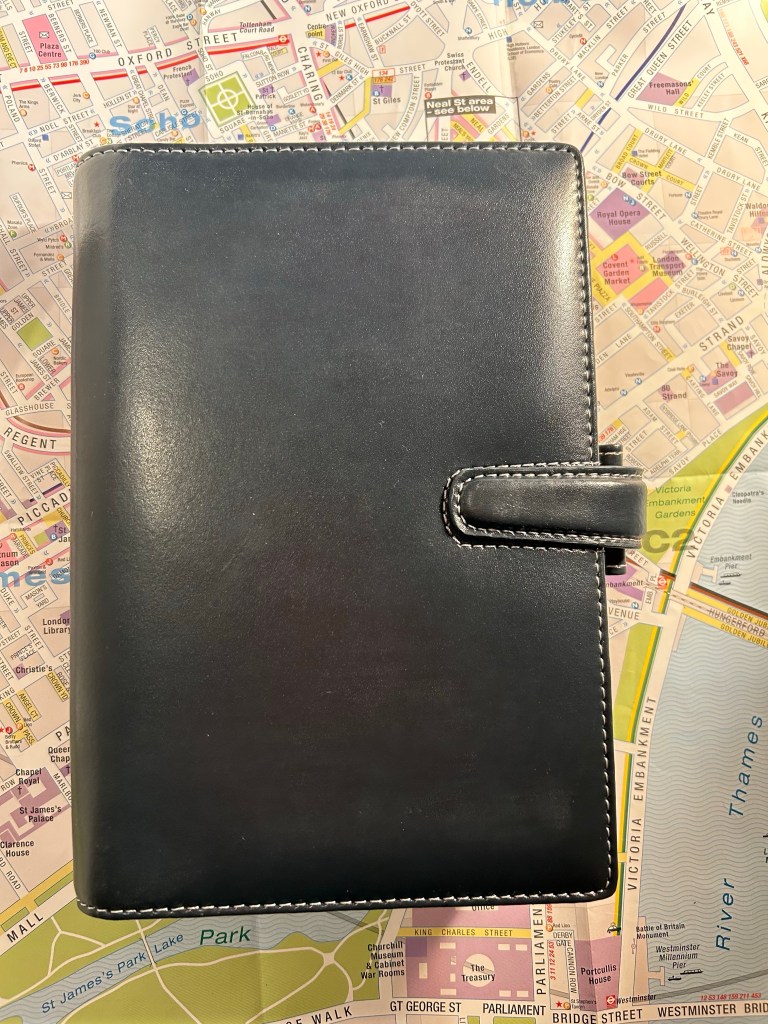
In the early 2010s Filofax was all the rage (much like Plotter is now), and I was swept with the trend. I started by purchasing the Personal Urban, then quickly expanded to Pocket, Personal and A5 Filofaxes of various kinds (Urban, Malden, Classic, Cuban, Graphic, Bond, Finchley and more).

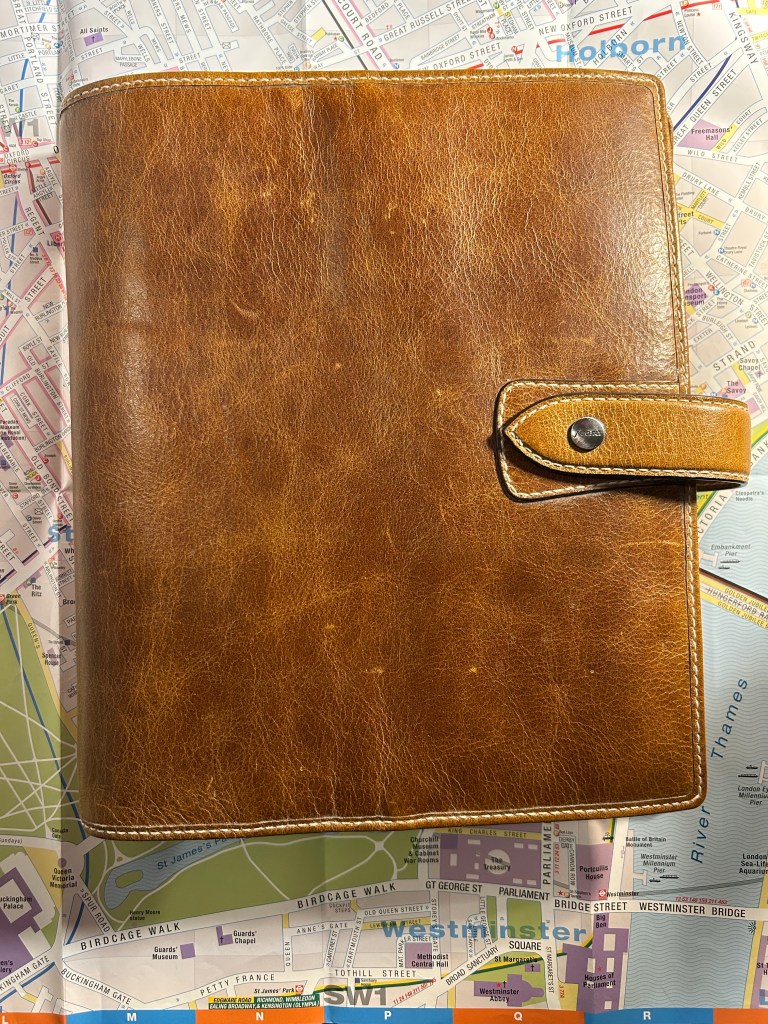
A5 Malden, one of my more well used Filofaxes

What drew me (and others) to them is the infinite customizability and the fact that these were gorgeous, well-made objects made by a brand with a history and good track record. Online communities that shared photos of spreads and setups started to grow around the brand, and unlike Moleskine and Moleskinerie, the company left them to their own devices. Some of them exist to this day (like the delightful Philofaxy). The parallels with today’s boju and Plotter communities are pretty clear.

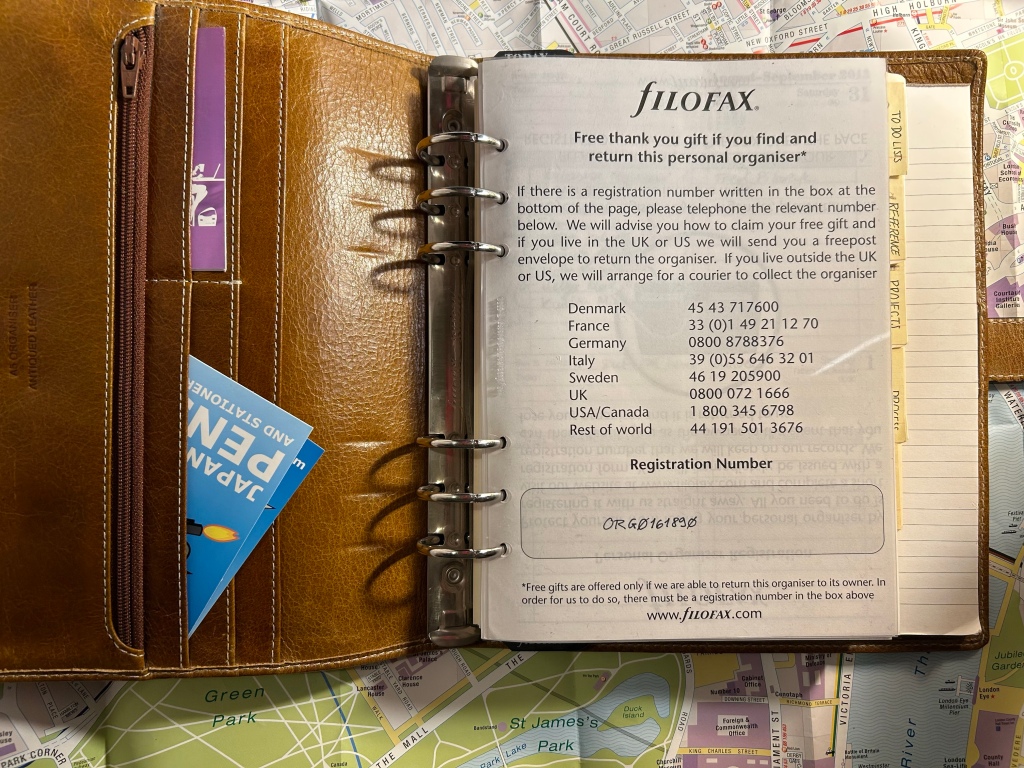
I invested in this Filofax, creating hand made labels for the tabs, setting it up just right.

The promise of bujo (bullet journalling) and the Plotter are also the promise of the Filofax: build a planner/notebook hybrid system that matches your exact needs like a glove. Filofaxes are a joy to hold in your hand: they are beautiful, tactile objects that feel good and are exquisitely well made.

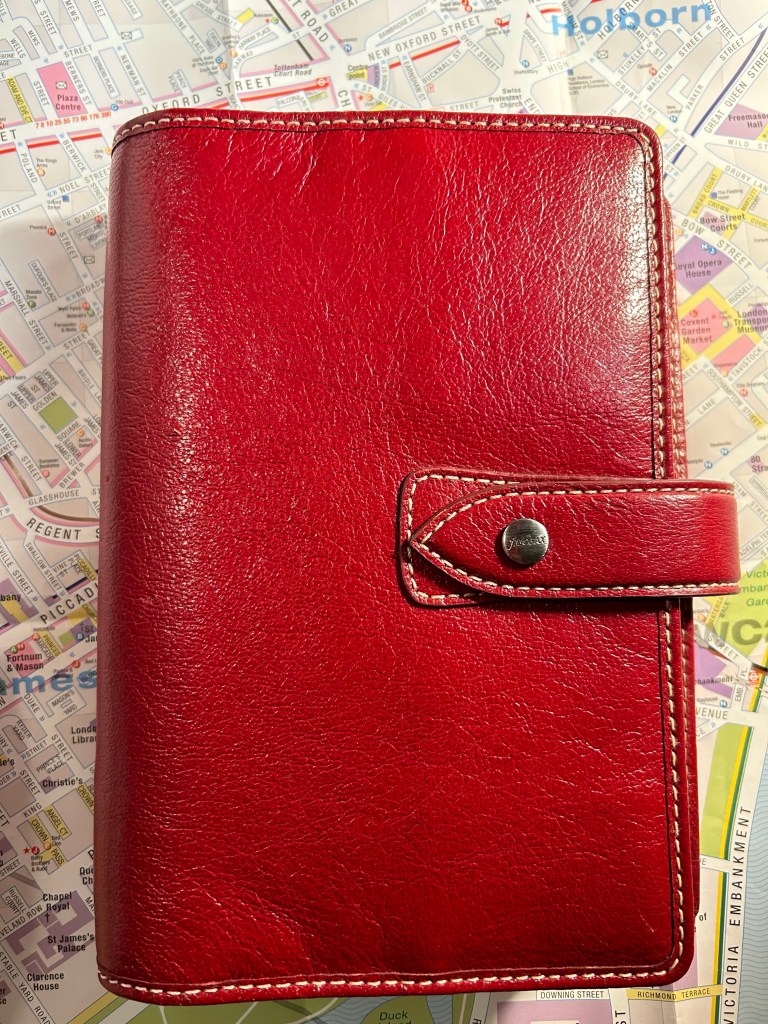
Look how pretty this red Personal Malden is. You can almost feel the buttery leather through the screen.

They weren’t cheap, but if you waited patiently or were willing to buy second hand you could get some really great deals, and they lasted forever. The refills, much like Plotter ones, were the real expense. Yes, you could buy a specialized hole punch for them and create your own refills, but most people just bought them from Filofax themselves or from Filofax compatible sellers. Which refills you bought depended mostly on the purpose of the Filofax in question, and I had ones that had no planner inserts at all, only lined or blank refills and tabs.

Personal Cuban, which has a rich leather cover that I was so afraid to muss it never left the house.

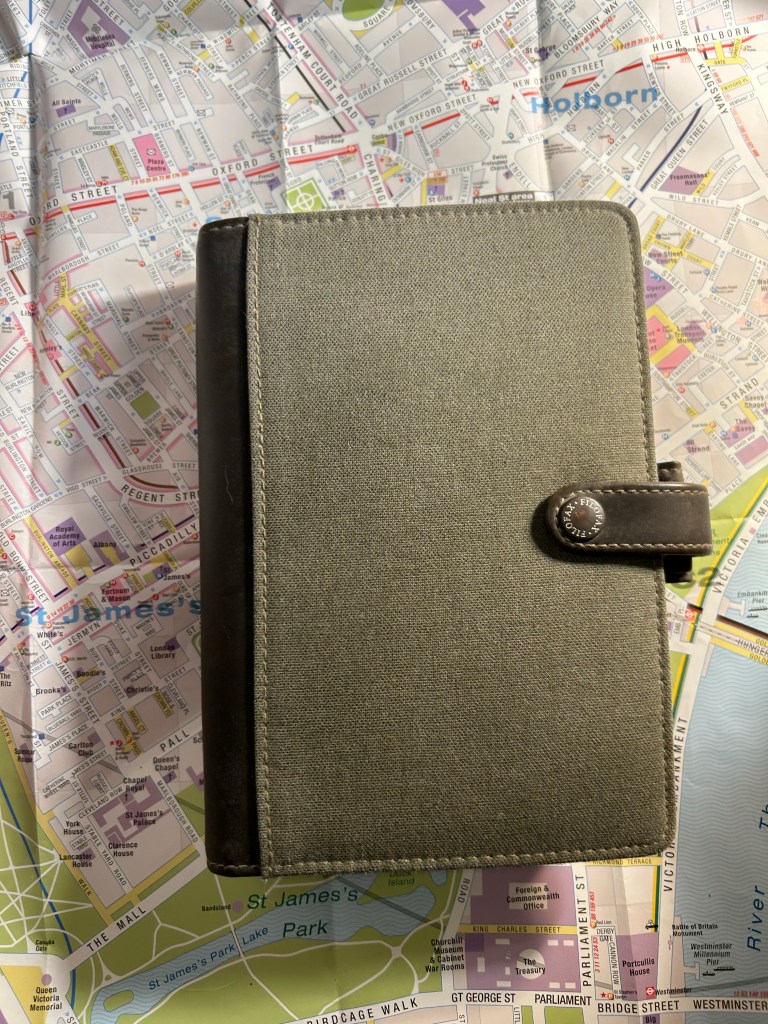
The olive Personal Urban Filofax below was my first Filofax and my workhorse. I used it heavily from 2011-2013, and it was a heady nostalgia ride to dust it off and open it up again. It is very well made – fabric, pleather and ring mechanism are in perfect condition even after intense use and then years of storage. It is also a relic of a person that I lost when I went through cancer treatments, and I confess that reading over some pages made me want to cry. The things I worried about…

Personal Urban Filofax, my first and most used one.

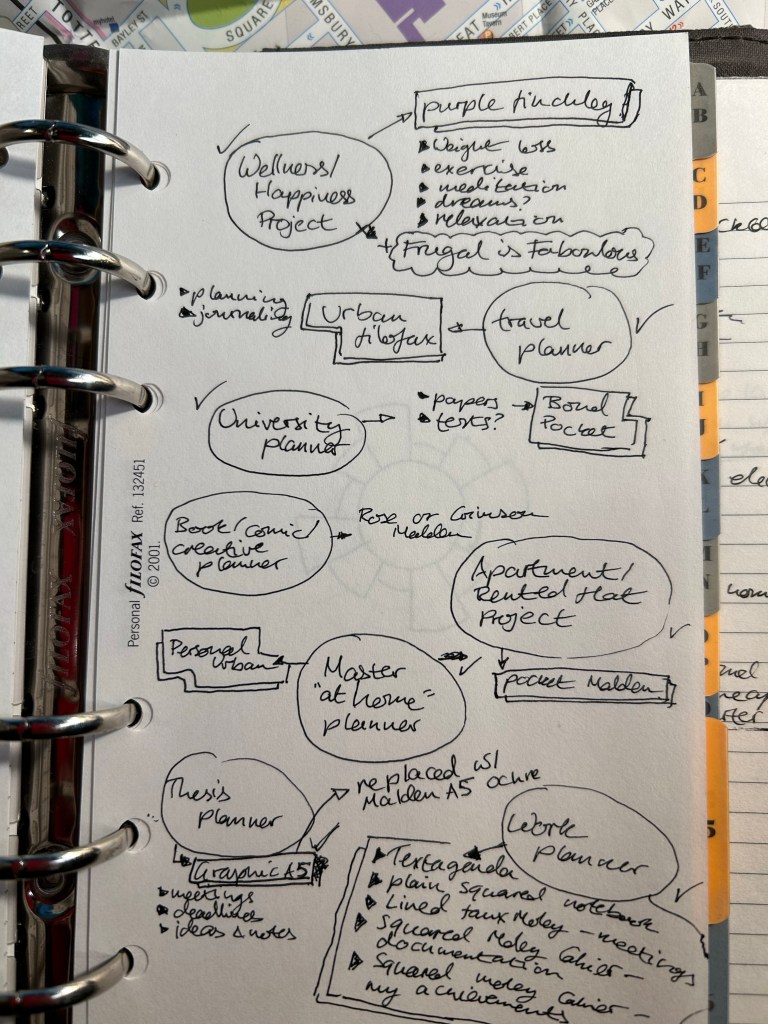
Do you want to see how much I was into Filofaxes? I even had a page in my Filofax where I planned my Filofax usage:

So much cringe, but I choose to be kind to my old, naive self.

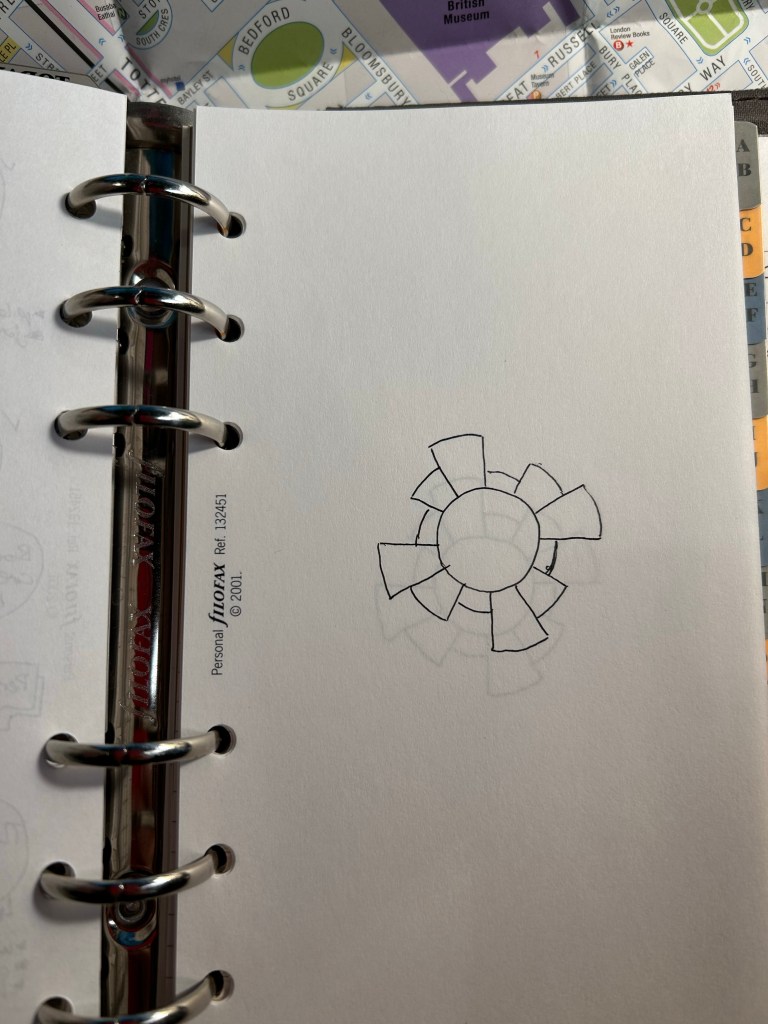
Some of the Filofax inserts were fountain pen friendly, but I didn’t use fountain pens with my Filofaxes at all. I used Pilot Hi-Tech-C Coleto multipens with them, and I spent a good amount of money on their refills (which would either get air bubbles and stop writing, break, or just simply run out much too quickly). I even combined my love for Filofax with my love for the Chronodex system for a while:

Pages in my Filofax that I planned to use for Chronodex entries.

So why did I stop using my Filofaxes completely? The system was well made, full of promise, and could double as a notebook and triple as a wallet, so what went wrong?

It was a combination of things that made me put all my Filofaxes into boxes for storage:

  • The stores in London closed down (first the Neal street one, then the one off Regent street), and it became harder to find Filofax refills in stationery shops in London (they never were available locally).
  • The refills weren’t cheap, and with the price of shipping added and the price of using the pens that worked best with them, it just became prohibitively expensive to use the system, particularly if you had more than one Filofax running.
  • The rings get in the way of writing. It’s a thing with all these systems, and whoever tells you that the rings don’t get in the way isn’t being candid. And no, you won’t be taking the refills out to write on them and then filing them back in, it’s just too inconvenient.
  • Filofaxes are bulky and heavy, particularly when full (and they collapse when they aren’t filled). It’s a hassle to carry them around, even if you are using them as a wallet (they a aren’t great at being wallets).
  • As with other planning systems – finding refills that have the week start on Sunday (because that’s when it starts here) was nearly impossible.

Hints of posts to come.

So why get into ring based systems like Filofax and Plotter? If you want one physical planner system that will function in more than one way at the same time, will allow you to customize it fully to your needs, and can be carried over from one year to the next, then these systems may be worth a try for you. I used my Filofaxes heavily during a very busy time in my life because I was able to set them up for all my needs, and particularly GTD (I’ll post about that system later on in this series).If you can work around the rings and can afford the system and the refills, the Filofax is a very well made object that may be able to help you fulfill your goals. It helped me apartment hunt, work on my degree, kickstart my running, and be a better manager at a busy and difficult time at work. I will forever have a soft spot for my Filofaxes, which is why I’ve never attempted to sell them.

Do I regret my Filofax obsession? No. Do I regret that I stopped using my Filofax planners? Also no. They were exactly what I needed at the time until they weren’t, and I believe that in the end a planning system needs to work for you, and not you for it. Something to remember whenever you are considering making a change in this area.

Journal Sketch: Cute dogs, treasure hunt, and cold coffee

It’s been a long day, so excuse the wobbly lines and imperfect writing.

Here’s a close up, for those who enjoy close ups:

Tools: Stillman and Birn pocket landscape epsilon, Platinum 3776 UEF nib with Sailor Epinard, Schmincke and Daniel Smith watercolours, Staedtler Pigment Liner 0.1.