Book Review: Walk with Weight by Michael Easter

I think that Michael Easter’s The Comfort Crisis is one the best self-help books around. I know that’s not saying much, as most self-help books aren’t worth the paper they’re printed on, but The Comfort Crisis got me to change several things about my life that made it measurably better.
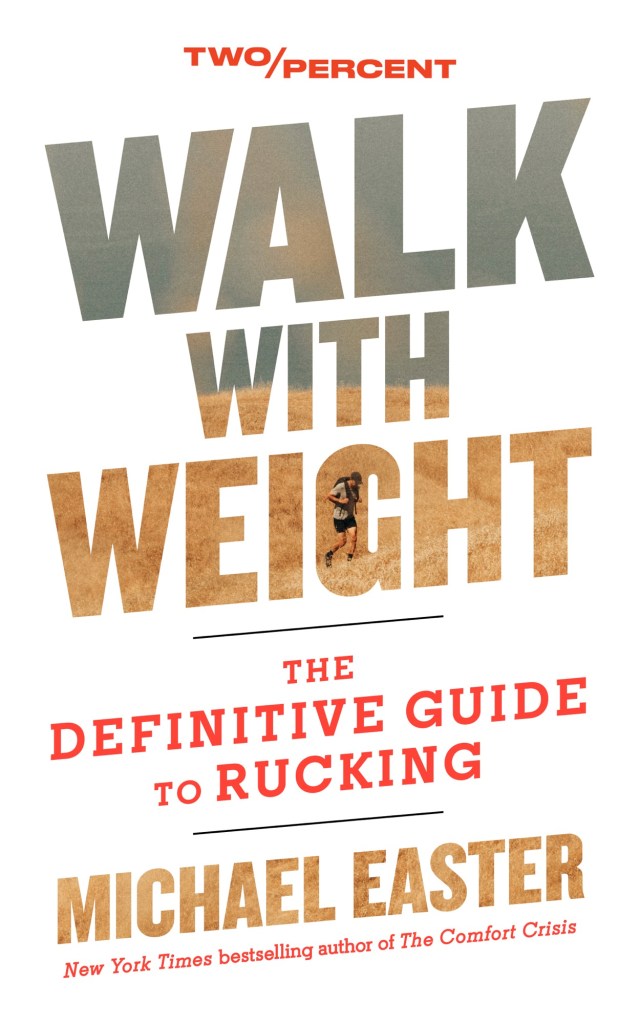
So when I saw that he’s published another book, this time about rucking (walking with weight, or yomping) I immediately bought and read it. I am interested in rucking as a form of cross-training for my running, and I think Easter is a capable writer, good at making scientific papers and ideas accessible to a general audience. My expectation was that this book would be a useful guide to getting more into the habit of rucking, and in a way I got what I wanted. The issue was that I also got a lot of what I didn’t.

I’ll explain.

If you know nothing at all about walking with weight, then this is a good book to get and read. However, if you have some familiarity with rucking, I think you will find this book a disappointment.

The issue is twofold:

  1. Unlike in The Comfort Crisis there’s a lot of repetition and padding and fluffing to get the word count up. This is basically two or three blog posts inflated into a book.
  2. Easter spends a lot of time selling merchandise from his partner company, WalkFully. The hilarious thing is that if you go to the WalkFully website you will find that the vests and backpacks he so enthusiastically touts are nowhere to be found. He currently sells a fanny pack (a form of carrying weight not mentioned anywhere in the book) and some minor weights.

So is this book a complete waste of time? No. There are still two or three blog posts worth of good content in it. There’s just also 100 extra pages of needless fluff – fluff that should have been replaced with an actual rucking experience Easter went through. As someone who regularly goes on long hikes in the wilderness, Easter just should have discussed his experiences if he needed to get to a certain page count. It would have been much more interesting.

If you’re completely new to rucking – this is likely worth the time and effort (it’s not a long book).

If you’ve started rucking or read about it a bit – you’d probably still get some use out of Walk with Weight. Just be prepared to skim most of the first part of it.

If you’re an experienced rucker, skip this book. There’s nothing new that Easter can teach you here.

Either way, carry on…
“Triggers” Daily Questions and a Moleskine Pocket Peter Pan Limited Edition review: All Children, Except One, Grow Up.

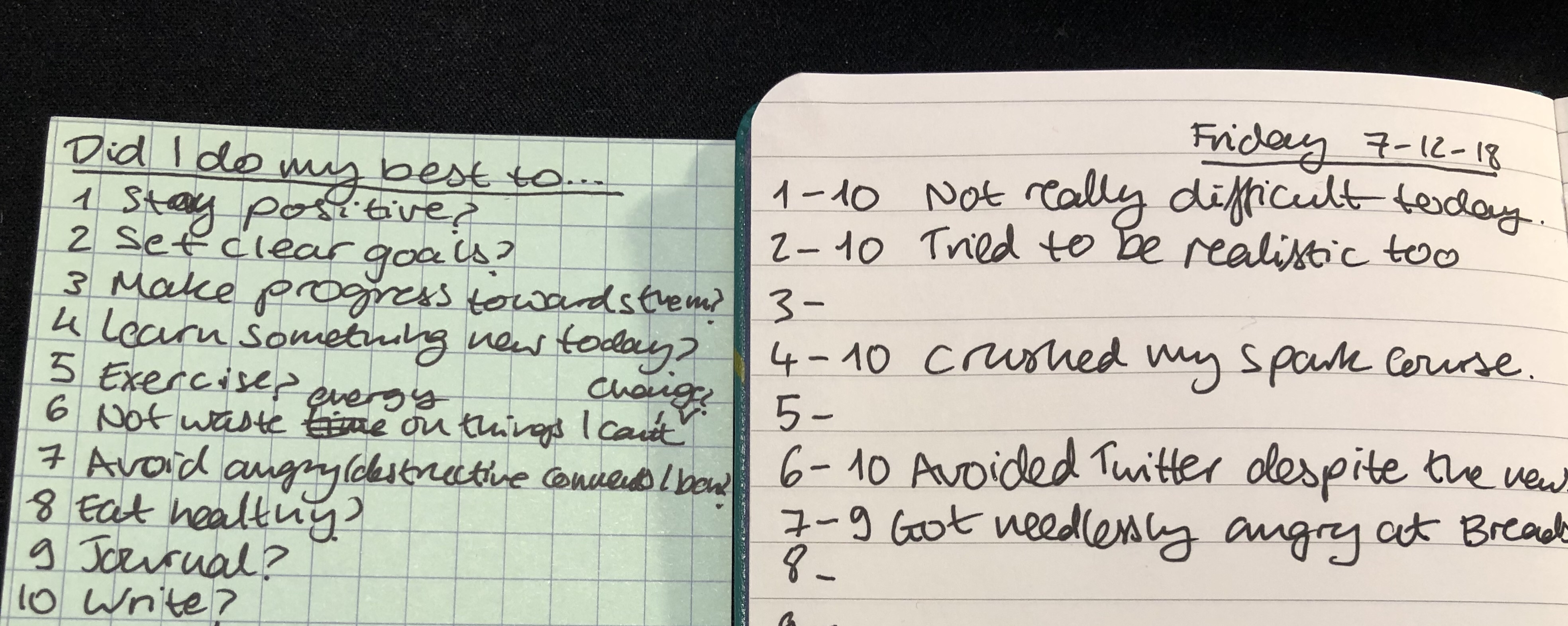
Ever since I’ve read the book “Triggers” by Marshall Goldsmith about six months ago I’ve been searching for ways to track the progress of my Daily Questions (“Did I do my best to…”). I tried using my journal for several months, then used a Google Sheet for two months, and in both cases something was missing. The Google Sheet was great for statistics and tracking, but not as satisfying and meaningful as writing my daily scores down (and I didn’t really find the statistics useful). The journal was much better, but as my goals changed it was time consuming to create a new table each time, and I needed a way to for me to justify my daily scores.

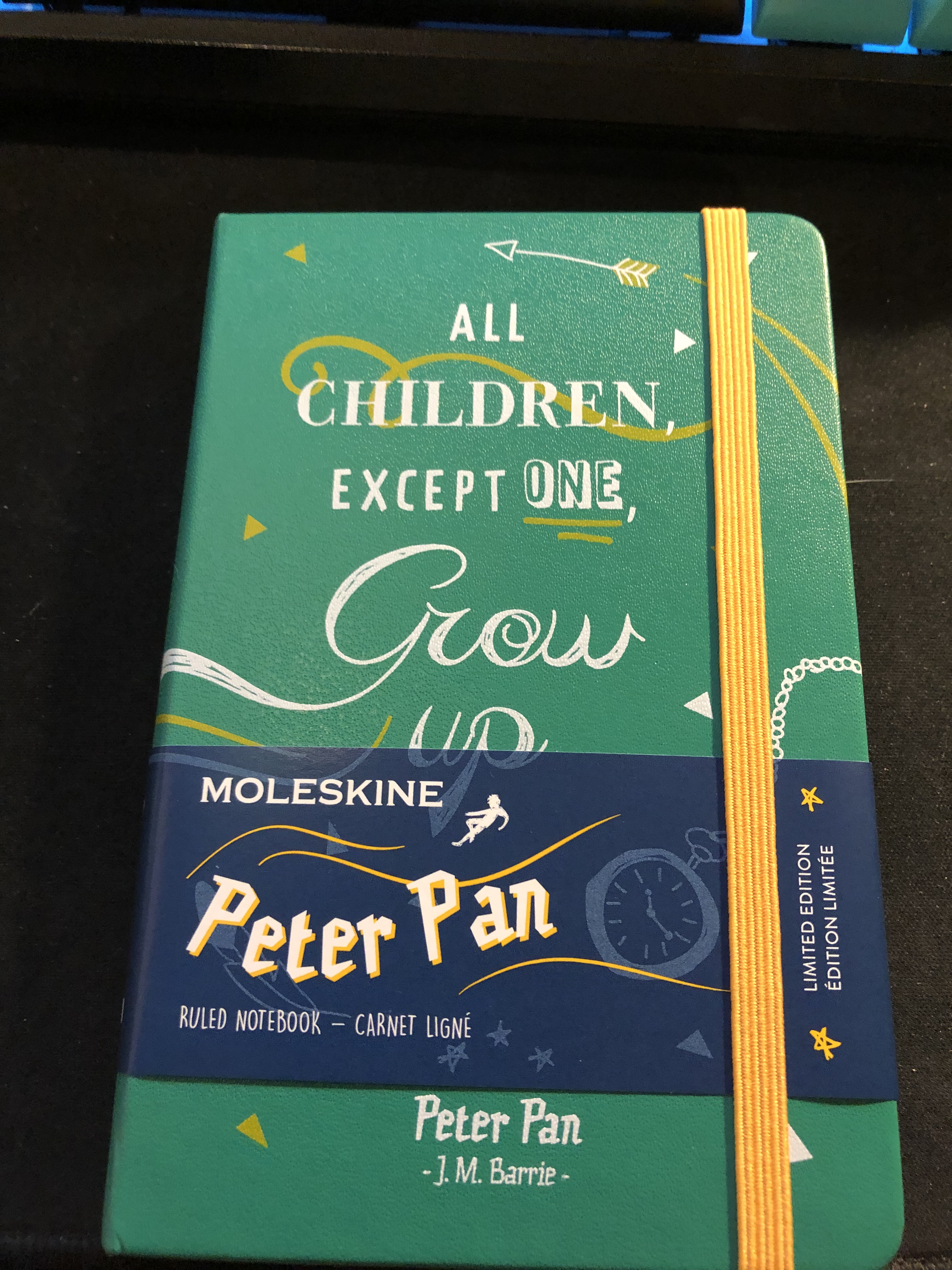
Enter tracking system number three: a Moleskine pocket Peter Pan limited edition notebook and an index card. Let’s start with the notebook:

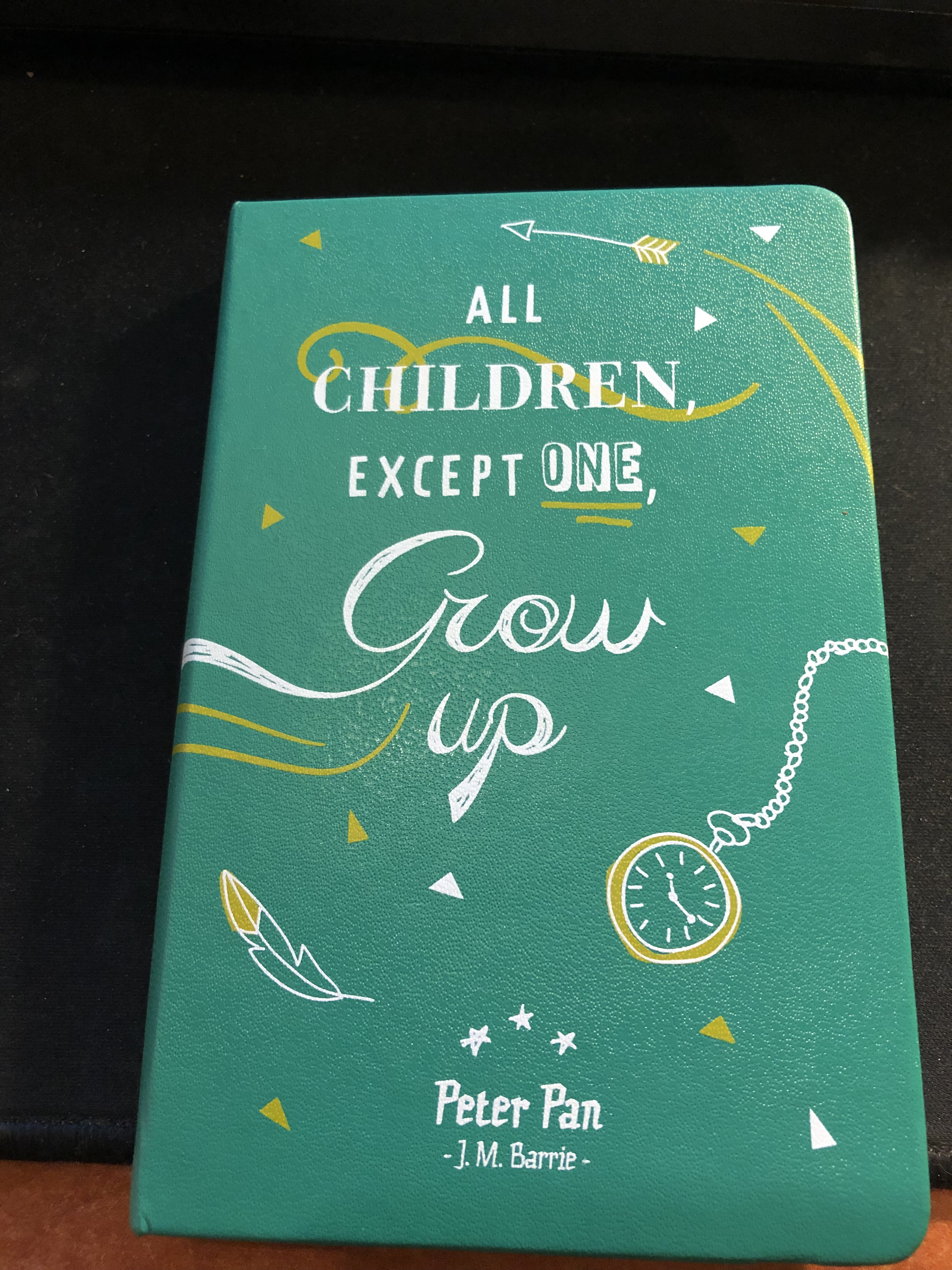
The Peter Pan Moleskine limited editions showcase some of Moleskine’s best design work in recent years. Both the colourful covers, the drawing and the lettering evoke the spirit of Peter Pan without resorting to Disney-esque tropes. They’re naive without being childish, colourful without being brash, and the quotes on the covers are brilliantly selected.

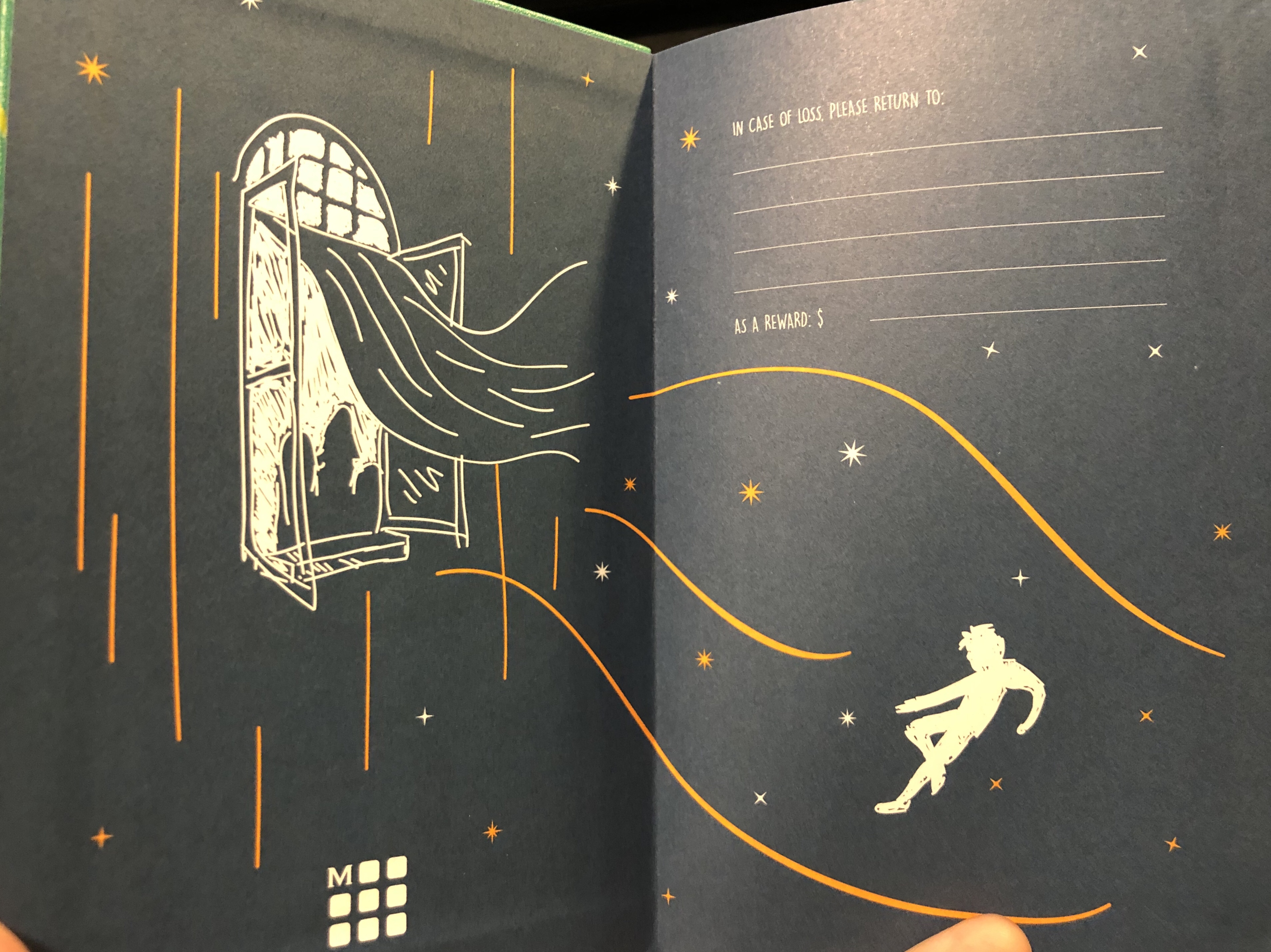
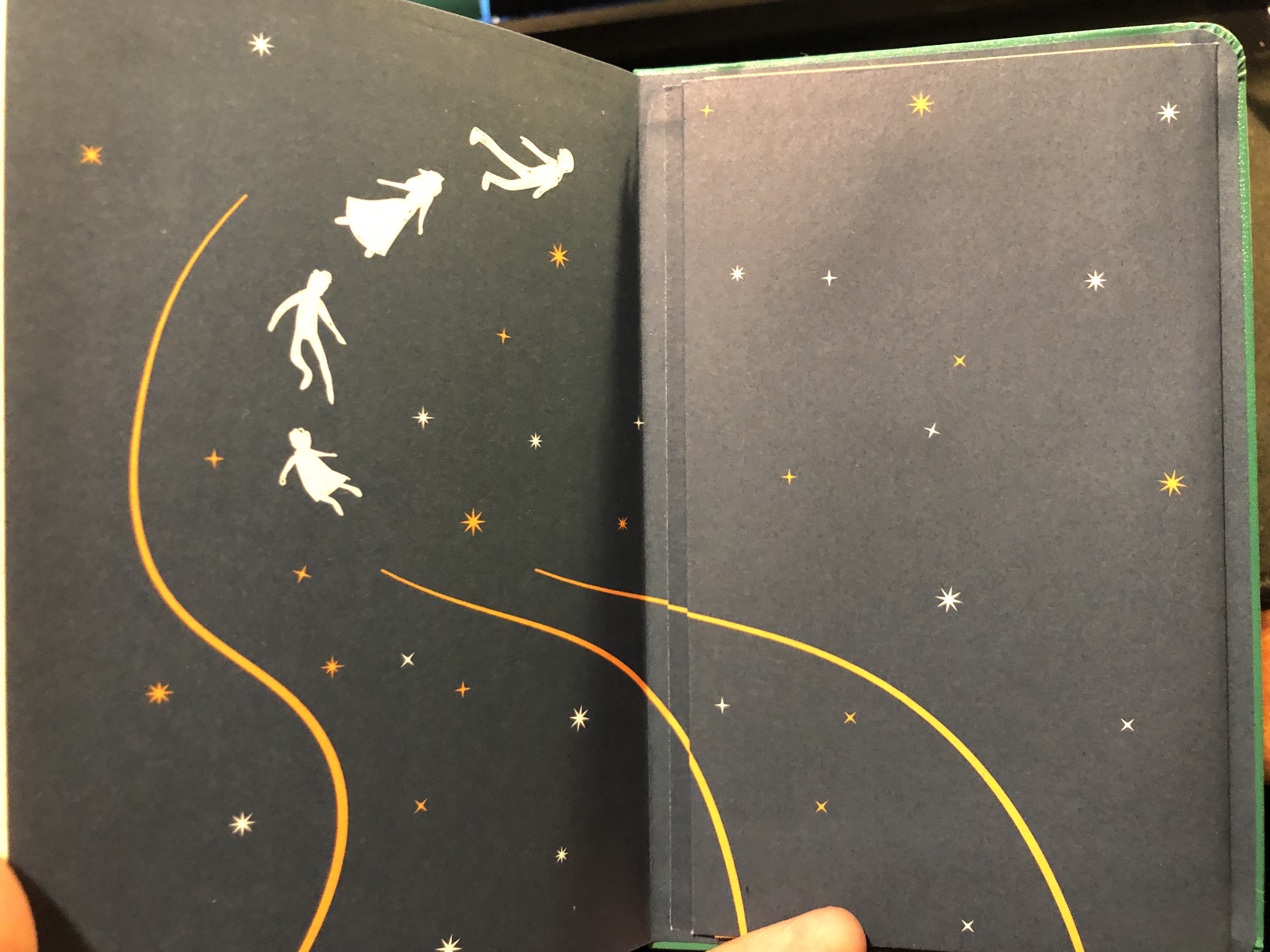
Inside the covers are more illustrations in the same vein and even the famous “In case of loss” is set in a hand lettering like font. The palate of the entire Peter Pan line is limited (navy, orangey-yellow, green and white) but it never feels that way.

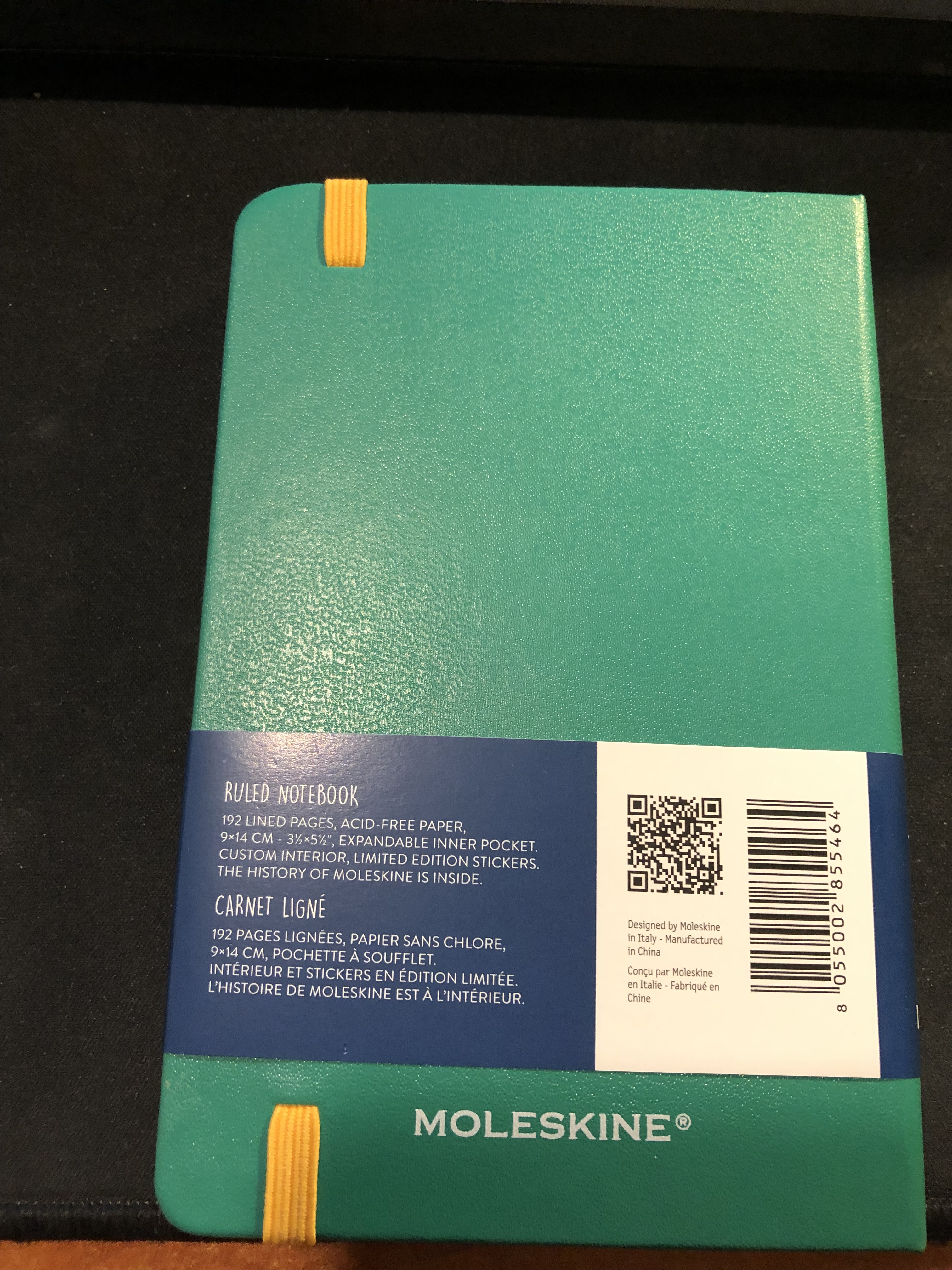
The back cover. Again, extra points for aligning the design so well with the back pocket. It almost seems like they’re flying into it:

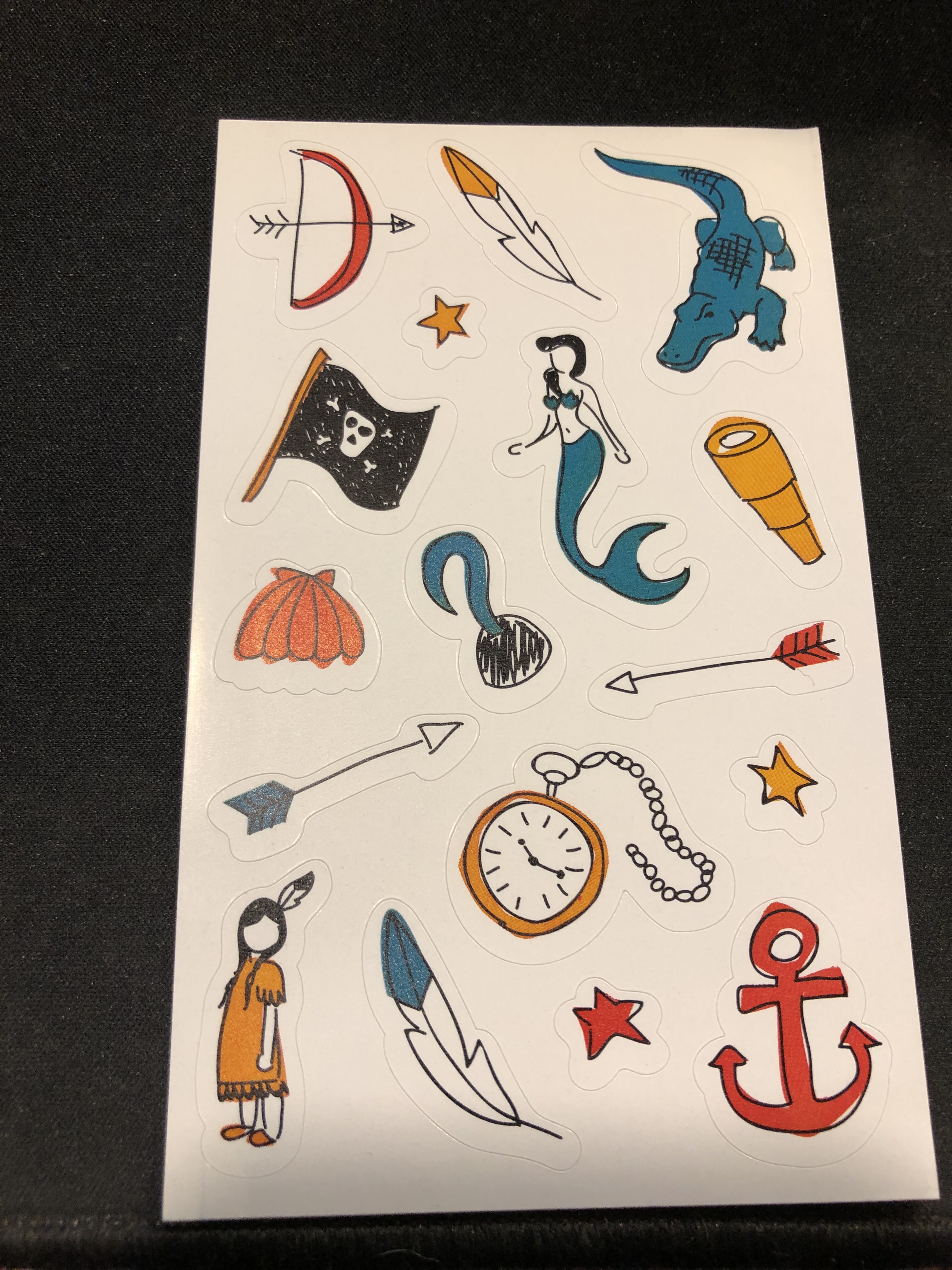
This edition comes with stickers that are a lot of fun and well drawn in a naive style:

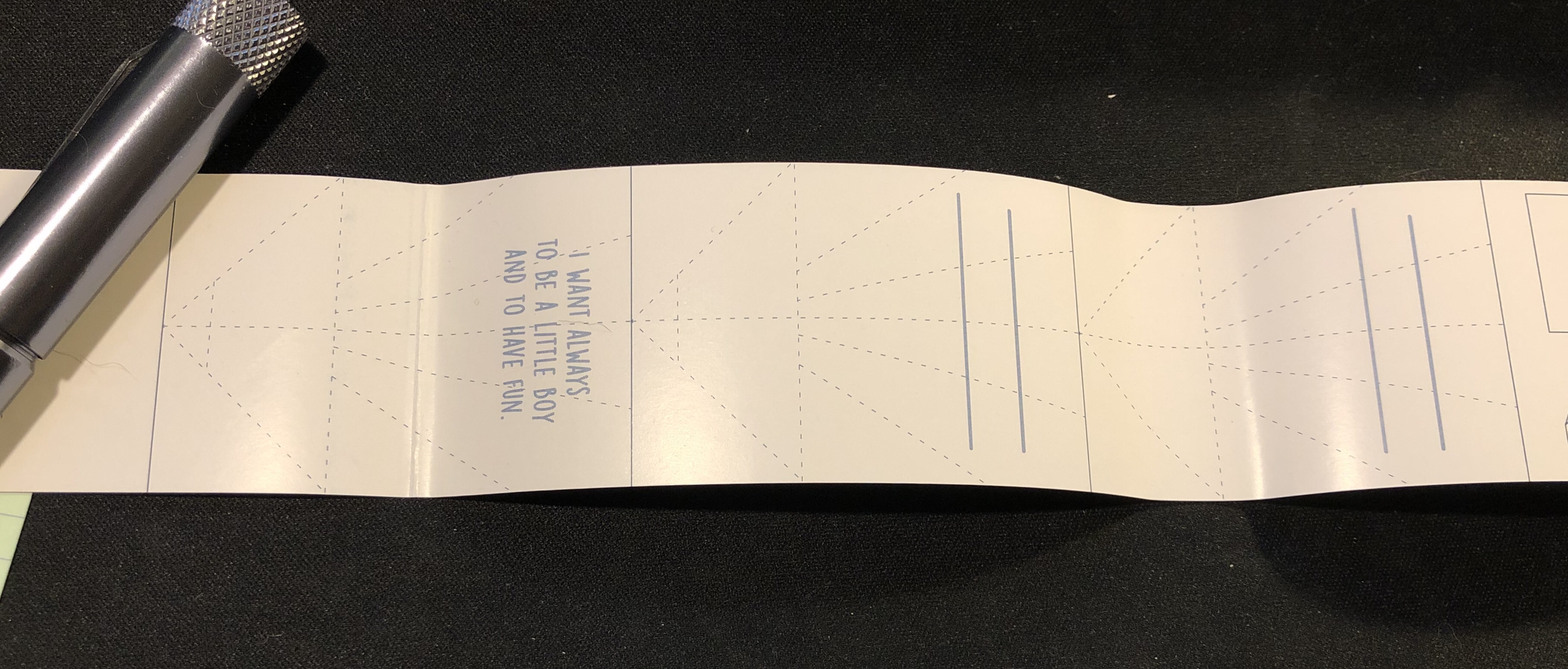
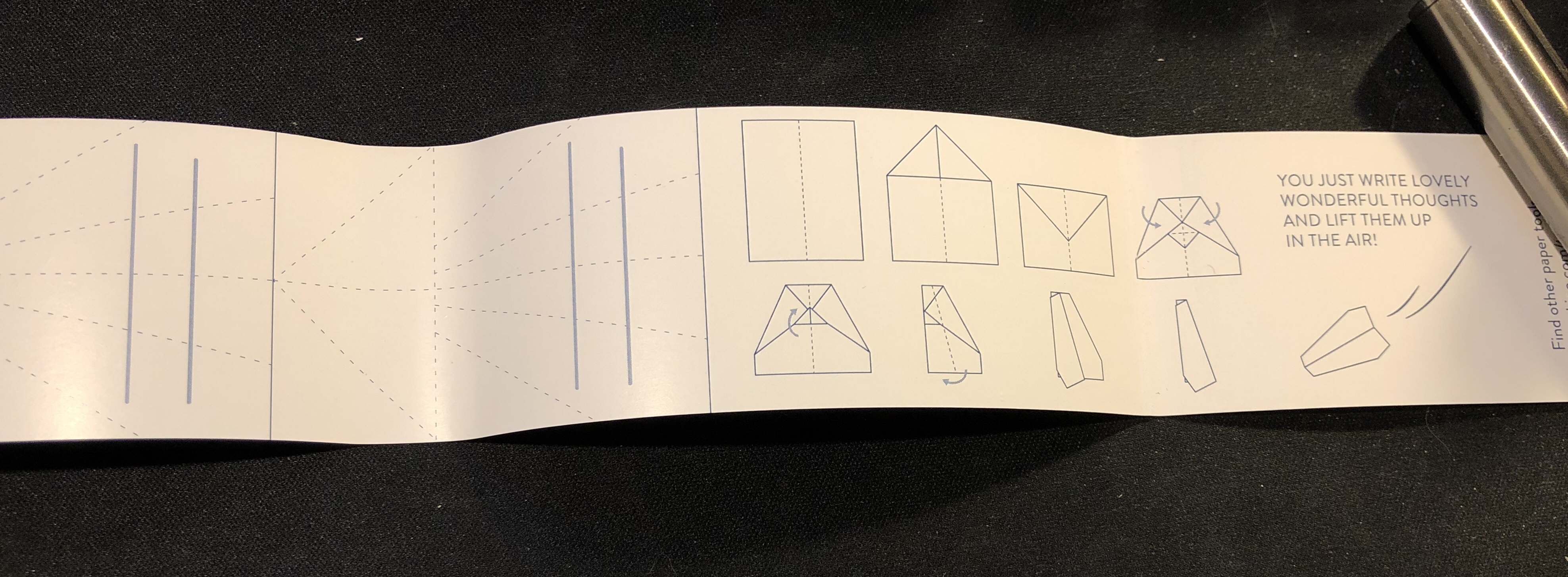
And the B-Side of the sleeve instructs you on how to build paper planes and also uses quotes from the books or that reference the book:

So that’s the review of the notebook itself. I highly recommend all of the Moleskine Peter Pan notebooks — they rank alongside the Denim and some of the Harry Potter limited edition notebooks as my favourites of recent years. I didn’t buy it specifically to try to use it as a Triggers Daily Questions tracker, but it was languishing in my “to use” pile and a used notebook is better than an unused notebook, so I decided to give it a spin.

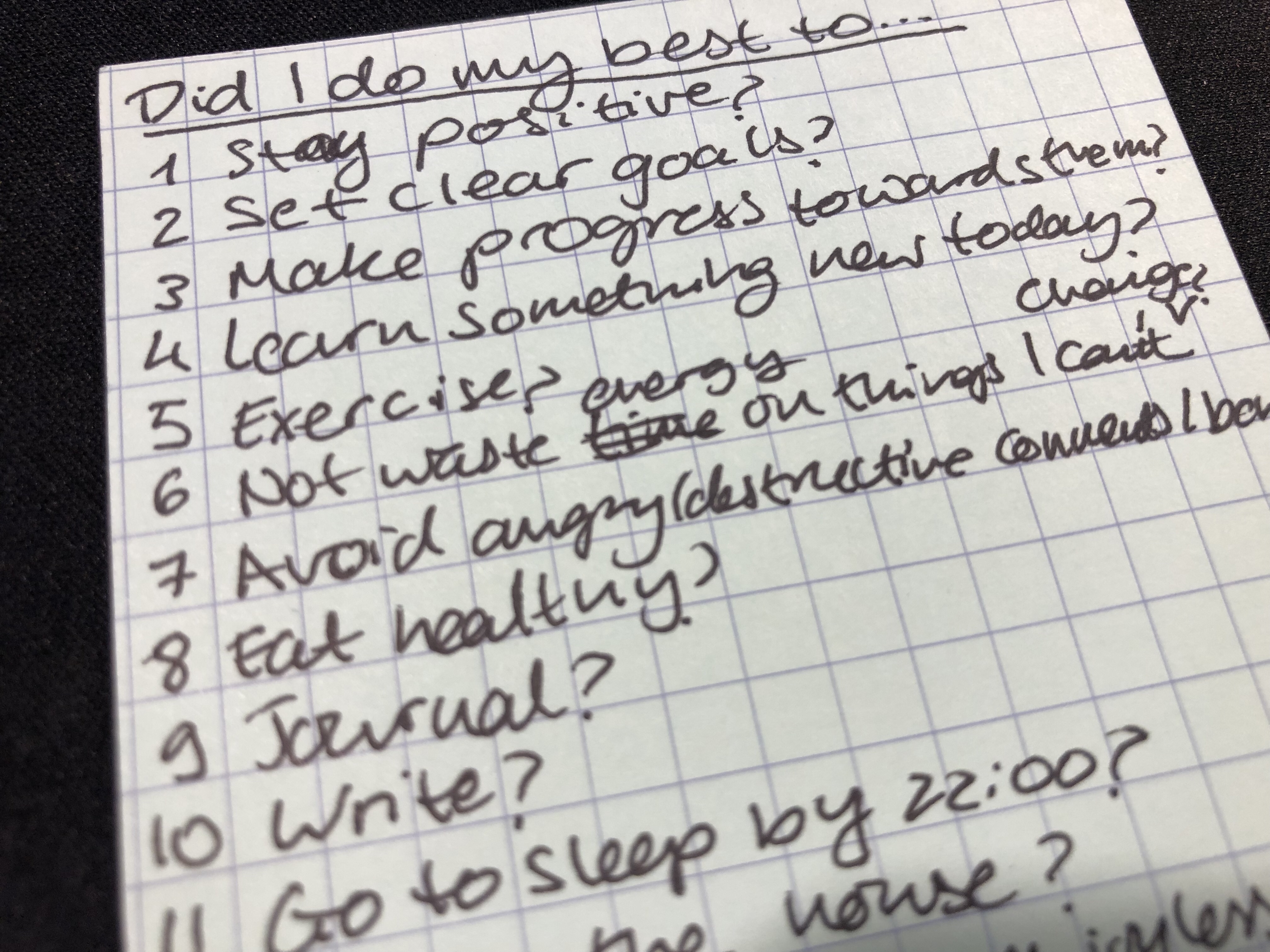
The idea of writing down my Daily Questions each time was what made me stop using my journal for this purpose in the first place, so I decided to write them down once on an index card (which I would slip in the notebook’s back pocket), and then number each question, and date the card. Every day I would write down a score for each daily question, and a very short justification for the score. The justification is short to make it easy to write them down (if it’s a hassle I’ll have a hard time sticking with it), and that’s why I chose the pocket notebook (it’s also light and easy to carry around). When I feel like I need to change the questions up, I’ll create a new index card, put an end date on the old index card and archive it in the notebook’s back pocket. Every day will be dated in the notebook, and I use the appropriate index card if I really want to reference that particular day in the future. This may seem a little clunky for reference purposes, but as I learned over time, I don’t really go back to reference my past answers, so that’s not a meaningful setback.

I’ll check in a few months and document how it goes, but judging by my previous experience, this looks like a pretty good setup for now.