Weekly Update: Reading and Pen Inking

Long time no update, so I decided that it’s about time to write one up.

Reading

I’ve been in a terrible reading rut, and I blame the book that I’m currently reading: “The Books of Jacob” by Olga Tokarczuk, a 912 (!) page historical epic about Jacob Frank and his followers. I’m halfway through, and I’ve decided to put it aside for now and train my brain to enjoy reading again with some lighter and more fun material.

The book itself is masterfully written and researched, with the narrative made out of a carefully pieced together mosaic of characters, voices and narrative styles. I just cannot handle the subject matter right now. As my rights are being taken away by religious, power hungry fanatics, I don’t want to spend my free time reading about religious, power hungry fanatics. It has reached a point where I balk at the idea of reading again, and that’s just not healthy. I hate giving up on books like that, especially good books, but if I want to actually read again and not just beat myself up for not reading, I’m going to have to start reading something else.

Health

I went through a CPET (Cardiopulmonary Exercise Testing) last week and it was pretty intense. My lungs aren’t working well in high intensity since my chemo, and so a lung specialist sent me to get this test, to see whether my heart or my lungs are the issue.

It started with a spirometry test (which is a simple test done to check your lung capacity and performance), and then went on to the CPET itself. I was hooked up to an EKG and pre-test measurements were taken. Then I was fitted with a special mask and filter that recorded my air intake and CO2 levels. Finally I was put on a special stationary bike, attached to a blood pressure monitor and a blood oxygen level monitor, and told to pedal without stopping until I felt chest pain or was about to faint, or until I was told to stop. As the technician calmly told me, they have a lot of people fainting during this test, which is why they do it on a bike and not a treadmill. I said it was intense, right?

Anyway, I pedalled for my life, with the bike’s resistance being constantly raised, and me gradually getting out of breath. The point was to see why, so I didn’t stop until the technician stopped me, at which point a little over 10 minutes of constant intense exercise had gone by and I was drenched in sweat and panting. H

ere’s hoping that I get some useful insights from the results. In the meanwhile I’m still running 5 times a week, just not as fast as I would like.

Pens and Ink

I wrote most of my pens dry and filled in a new batch, this time consisting of mostly vintage pens. There are also two expensive pens in this rotation, a few old ink favourites and some completely new to me inks, and a weird selection of colours.
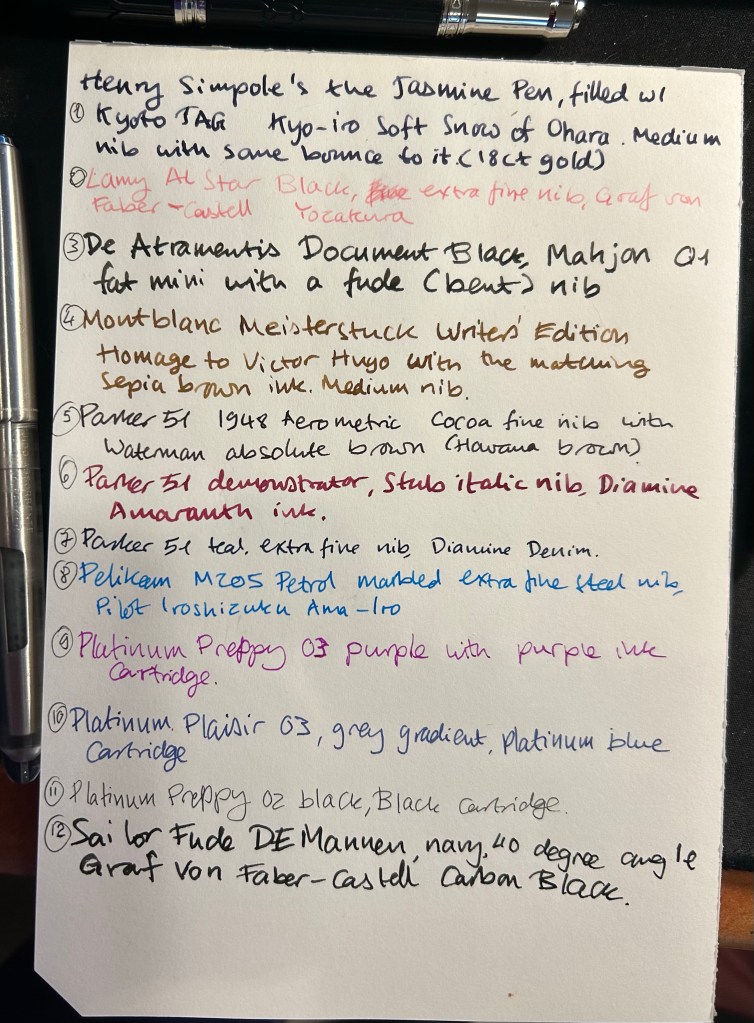
Writing samples
  • The Henry Simpole Jasmin Pen is one of the most expensive fountain pens I own, and one that doesn’t leave the house because I can never ever replace it. It’s a Conway Stewart button filler with a bouncy 18K gold nib, with silver overlay created by Henry for it. The late Henry’s birthday was on the 4th of July, and so to commemorate him and his work I inked this pen up. I chose the Kyo-iro ink because it’s an interesting dusky purple that I haven’t had enough time with. Like the Jasmine Pen (bought in Portobello Road market), I bought the ink in London (at Choosing Keeping).
  • The Lamy AL Star isn’t interesting, but the ink in it is new to me. The Graf von Faber-Castell Yozakura is a pale and shading pink that I normally would never have purchased, because it’s so light it’s almost unreadable. It was deeply discounted during the closeout of a local pen shop, and I came in late and had very little to buy to show my support. I probably should have inked a much wider nibbed pen with this, but I have a big bottle of it, so there’s always another time.
  • In the Mahjon Q1’s case the pen and nib are interesting, the nib is not. This is one of two pens (the other being the Sailor Fude in the end) which I inked solely for sketching purposes. It’s a weirdly shaped pocket eyedropper fountain pen that I bought with a fude (bent) nib. I’ll probably review it at some time in the future.
  • The Montblanc Victor Hugo was a pen that I bought at the end of last year, during my last visit to Mora Stylos. This was an impulse buy, something that would never have happened if not for the display that Montblanc used to sell this pen. I love the Notre Dame de Paris, I’ve visited her and sketched her many times, and my heart broke when she burnt down. She’s a survivor, and seeing this pen displayed in a diorama of the Notre Dame in all her white glory, I just had to buy it. The ink was a gift that Mr. Mora gave me with the pen.
  • Parker 51 pens. The cocoa and the teal were all purchases made in the local flea market, and the cocoa is part of a set (with a pencil) and the earliest of the bunch (from 1948, a first generation Aerometric). The teal was in pretty bad shape, and took me a while to flush out. The demonstrator Parker 51 is from Mora Stylos, has a gorgeous stub italic nib, and is likely one of the Argentinian, aftermarket demonstrators. The Parker 51 is my favourite pen, and I have a hard time not buying all of them.
  • The Pelikan M205 Petrol was a Black Friday purchase, and I haven’t inked it until now. The nib is great, the pen is great, and Iroshizuku Ama-Iro turquoise ink is quickly becoming one of my favourites. Such an optimistic, summery colour.
  • The Platinums include two Preppy’s that I’m trying out, after being disappointed with their durability in the past. The Plaisir is the pen that’s been inked the longest of the bunch.
  • The Sailor fude is filled with a new ink to me, the Graf von Faber-Castell Carbon Black. The ink was purchased in the same closeout sale as the pink Yozakura, and I’m planning on testing it out as a non-waterproof sketching ink.
  • I wrote the Conklin Lever filler on top dry just as I was planning this post, so it’s here for reference only. I purchased it at Mora Stylos, it’s from 1919 and it’s in user grade condition (cap discolouration, significant brassing, the imprint isn’t in perfect condition). The lever filling mechanism is infuriating to use, both for filling and for cleaning the pen, but there nib is magnificent. It’s a true flex nib, going from medium to triple broad with no effort or railroading, and it’s a joy to use. The fact that I enjoyed it so much, coupled with its tiny ink capacity, meant that it took me about a week to write it dry. I used Waterman Serenity Blue in it, and that ink once again proved its worth in troublesome vintage pens. It’s a great shade of blue that is very pen safe and super easy to clean out of pens (think the opposite to Bay State Blue). A must have for anyone dabbling in vintage pens IMHO.
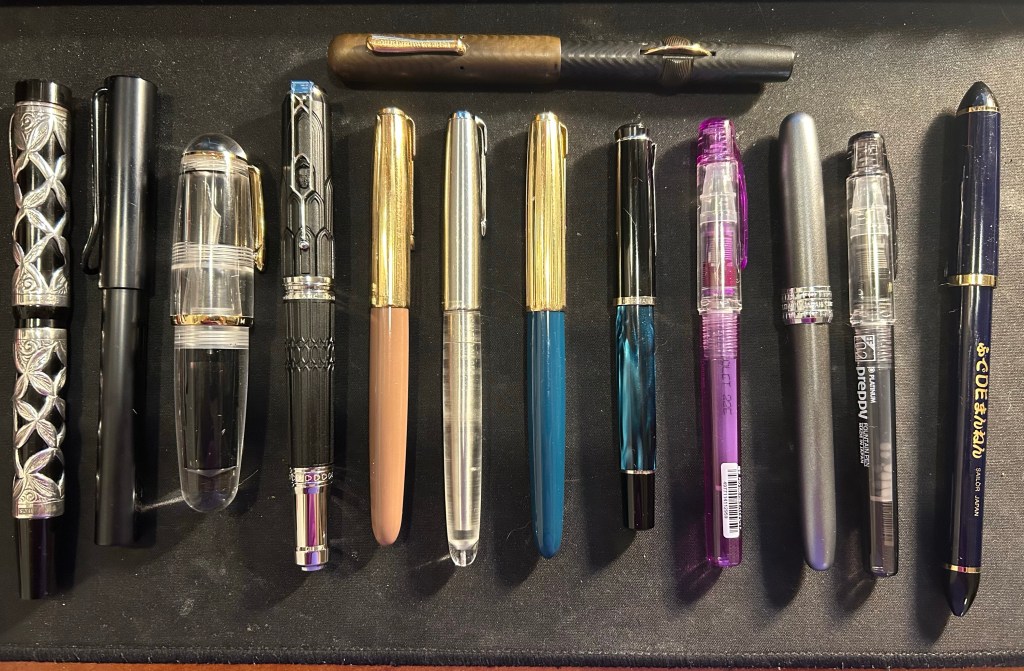
The pens, from left to right, matching the order of the writing samples with an added guest on top

Other Stuff

I’m working on an adventure for a 30+ tabletop roleplaying convention at the end of the month. I may publish something here about how I write adventures for conventions.

In the meanwhile my D&D 5E game, set in a university like setting and a university town next to it, is progressing nicely. It’s the most complex campaign that I have ever written, but it’s wonderful to see the players rush around in this world, having the time of their lives exploring, interacting and trying to break stuff. D&D is a pure joy and a wonderful escape from the pretty dark reality we live in these days.

Speaking of both dark reality and things that cheer me up:

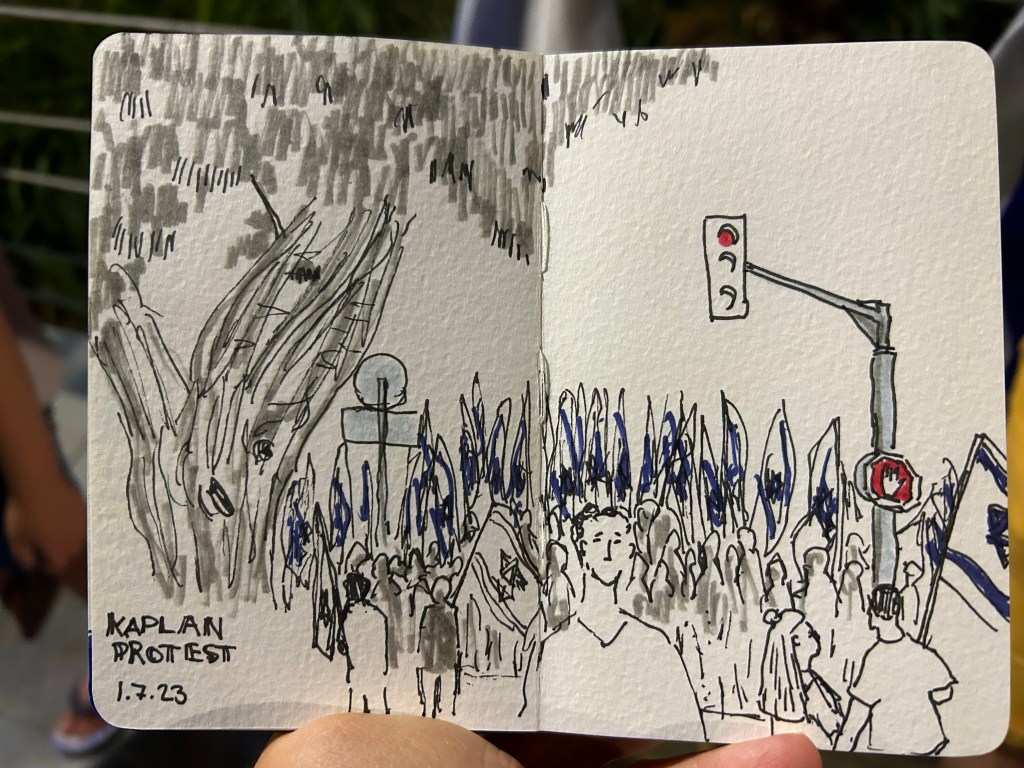
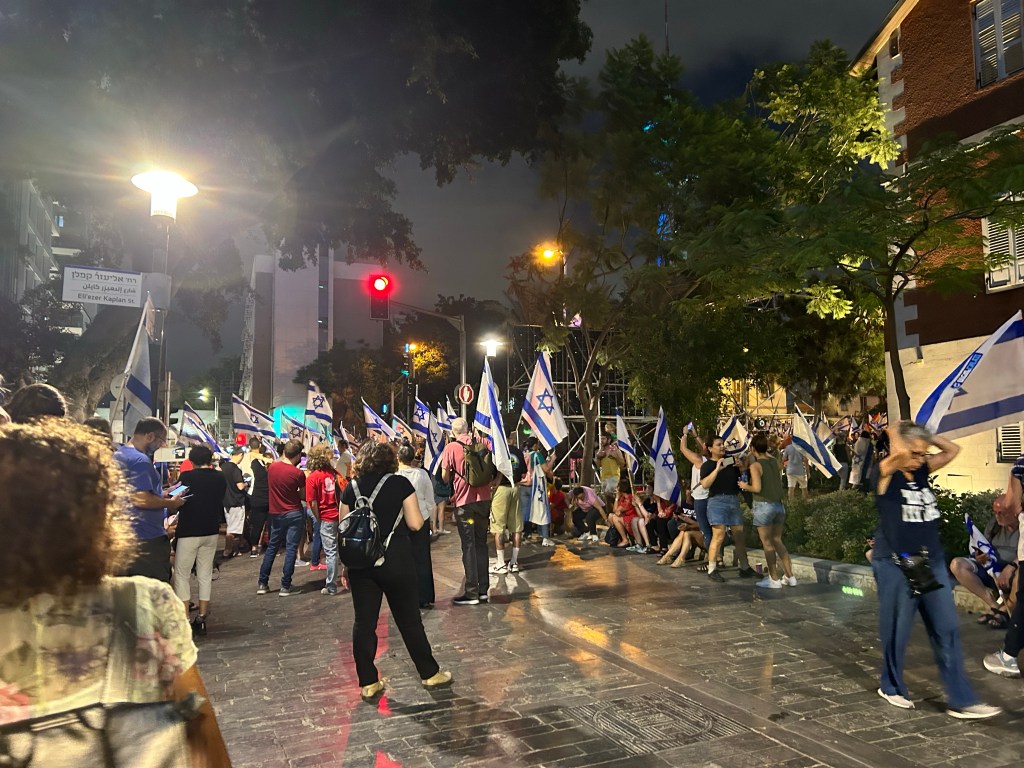
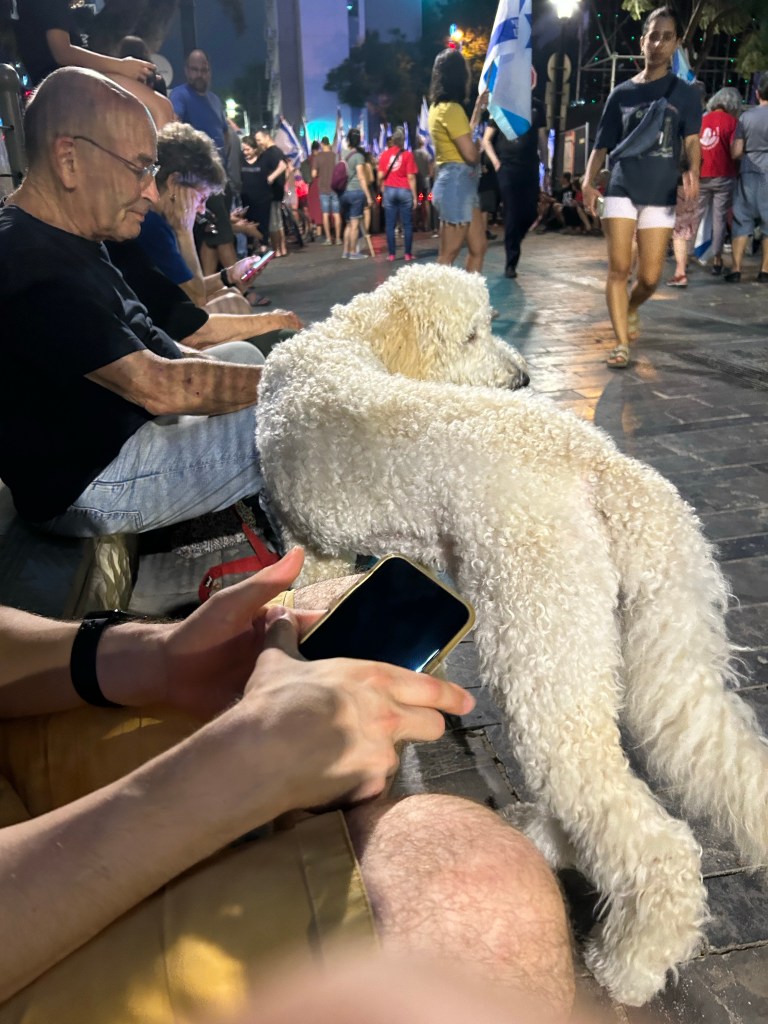
  • It’s week 27 of the pro-democracy protests, and we’re still showing up in numbers (that are growing again). It’s great seeing whole families show up, including the dogs, to say no to stripping the judicial branch of its oversight powers.
  • I’ve been sketching people’s dogs, and it’s a pure delight to try and capture their personality with each sketch. Plus, it’s making people happy, which is a good thing.
  • I’ve managed to help a few people get back to running, and that’s always a joy. Go get some exercise. Do something you enjoy, and even 10 minutes is enough. As Dr. Jen Gutner says, exercise is like finding money in the street: if you find $10 lying around, you’re not going to leave them there because they aren’t $100. Invest a little in yourself, because you’re worth taking 10 minutes a day for.
London Haul: Fountain Pens and Inks

I was about to write a post about my currently inked pens, when I realized that I hadn’t finished writing up and publishing this post. Such is the state of my blogging backlog that things have been languishing in it since May.

My April London-Paris trip was the first one I made where I had nowhere to buy vintage fountain pens from. Henry the Pen Man (Henry Simpole) had passed away, and Mora Stylos in Paris had closed his shop in the end of December 2022. Would I even buy any fountain pens?

The answer is of course, yes. None of these pens are rare or expensive, but they are fountain pens nonetheless.

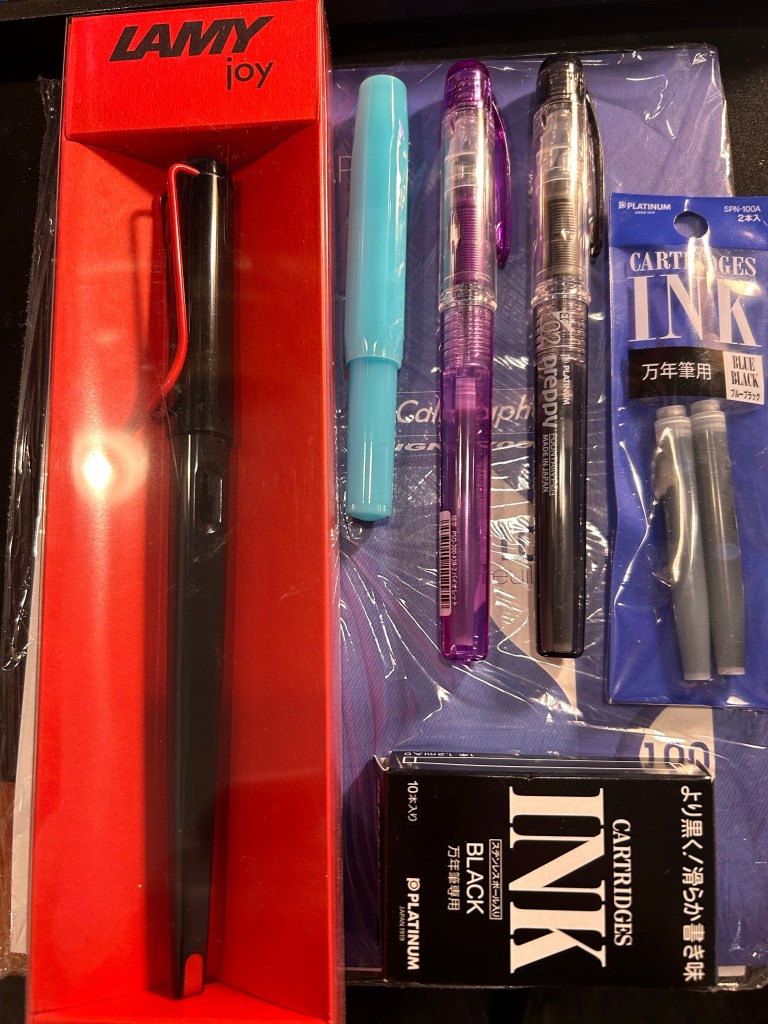
The haul: Lamy Joy, Kaweco Sport, Platinum Preppy pens and Platinum ink cartridges, on top of much needed blotting paper.

I had one thing that was a “must buy” for this trip, and I almost didn’t find it: blotting paper. I’m using a Stalogy notebook as my journal these days, and with some juicy ink and nib combinations a piece of blotting paper is necessary. Alas, I was unable to find any in London: not in Choosing Keeping or in Present and Correct or in any bookstore, stationery store or antique/vintage/flea market that I looked in.

Here Paris came to my rescue, with its fabulous Latin Quarter stationery and art supply shops. I found blotting paper, and then got carried away and added a few cheap fountain pens and ink cartridges to my bag.

I already have a Lamy Joy, and they make for great sketching pens, but I wanted one in black and red and to try and sketch with the included 1.5 nib instead of automatically switching it out for a fine or extra fine. There’s a charm to sketches made with bold, thick lines, after all.

The Kaweco Sport in Blueberry was just an impulse buy, because I liked the colour and I have cartridges languishing around that I want to start using. The Platinum Preppies though, there’s a bit of a story there.
I bought a few Platinum Preppies in my very early days with fountain pens, and I purchased o-rings and silicon grease with them, intending to convert them to eye-dropper pens. They all cracked. Immediately. After the first use. One of them was even cracked before I used it.

I’m very gentle with my fountain pens, so I was very disappointed with the plastic quality on these, especially after I learned on the Fountain Pen Network that this was a common occurrence. Well, as I couldn’t care less for the ink cartridges supplied with this pens, I didn’t use them. For me the Platinum Preppy was trash.

Time passed and the Preppy kept getting recommended as a great beginner fountain pen, to my bafflement. It cracks, so why recommend it? Then again, I stopped seeing reports of cracked Preppies. Could Platinum have changed the plastic? Were they all using boring old Platinum blue cartridges and ignoring the cracks?

So when I saw a bunch of Preppies in a Paris art supply store (the wonderful Rougier & Plé) I decided to take a closer look. Wow! They come with purple ink now! And there’s a black ink one too… I decided to give them a try and add a few ink cartridges to my purchase too. The Platinum cartridges are proprietary ones, but I do have a Plaisir, so if all my Preppies crack, I can always use them with the metal-bodied Platinum Plaisir.

Sailor Studio fountain pen inks

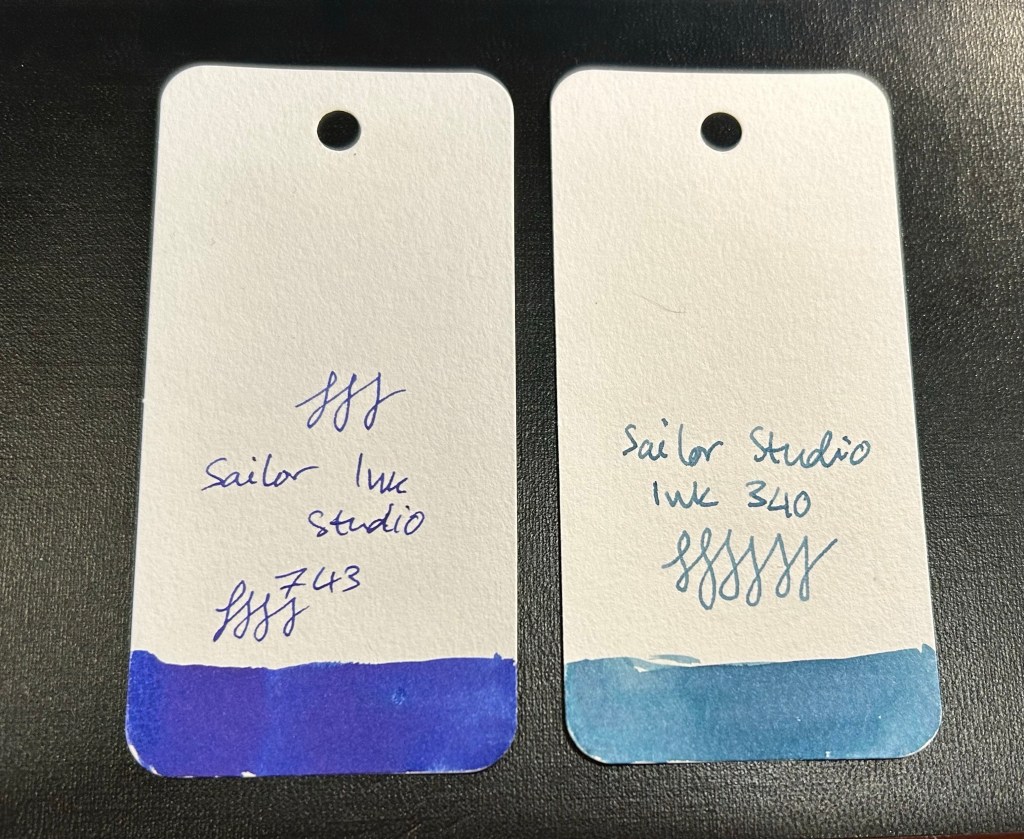
I also purchased two Sailor Studio inks at “Choosing Keeping” in London. The Sailor Studio 340 is a calm greyish powder blue and the 743 is an electric purply blue, and I love them both. These are expensive inks, and so they’re a rare treat for me, one that I indulge in rarely.

Ghosts of Planner’s Past: Bullet Journalling

I’ve been putting off writing this post because of all the planning systems I discussed, this Bullet Journalling (BuJo) is such a big topic and the system that I’ve used the most and the longest, apart from GTD. This will be the last post in this series as I’m planning on starting another series of posts on a different “how I use my notebooks” kind of topic. The previous posts are here: Chronodex, Weekly Planners, Daily Planners, Filofax, GTD and Friends.

So, Bullet Journalling was started by Ryder Carroll as a very utilitarian, relatively simple, glorified to do list combined with a calendar and some forward planning. At first glance it looked like another GTD system, and it’s clear that they share a common ancestry. This is the first video that Ryder Carroll published on the topic. He’s using a Moleskine squared large notebook here (he’ll switch to a Leuchtturm once he hears about the brand from the Pen Addict podcast, and he’ll land a collaboration deal with them later on), and there are no Instagram worthy spreads, metaphysical musings on how BuJo can transform you into a more enlightened human being, or attempts to upsell anything. It’s like the early days of Moleskinerie and 43folders posts – a guy finds a way to manage his to do list that works for him, and may work for others and so he shares it. Ryder Carroll knows how to explain complex things succinctly and clearly, and the video is beautifully made. It gained a lot of traction at the time, although it’s clear that Carroll prefers that you don’t watch that version of the BuJo explanation.

This is version of bullet journalling is what I started using, and what I still sort of use to this day. Why sort of use? Well, because the basis of the system is a daily to do list with a monthly calendar (and a monthly review), an index and a set of “collections” which are basically project to do lists. I still use the daily to do list and “collection” lists, so I sort of bullet journal. But I also sort of don’t – because none of this is new or unique. To do lists with checkboxes written out on notebooks, with project lists alongside them? There’s a monster list of those. You can’t get a book deal and a stationery collaboration based on that, right?

The official Leuchtturm1917 Bullet Journal

Wrong. About a year passes from the original video, and Carroll signs a deal with Leuchtturm1917 and suddenly there’s an official Bullet Journal and a new video. Stuff gets added to the system. A future log. A whole set of new symbols instead of checkboxes. There’s an added aura of importance and self improvement sprinkled on top. This system will help you be a better person, not just a more productive one.

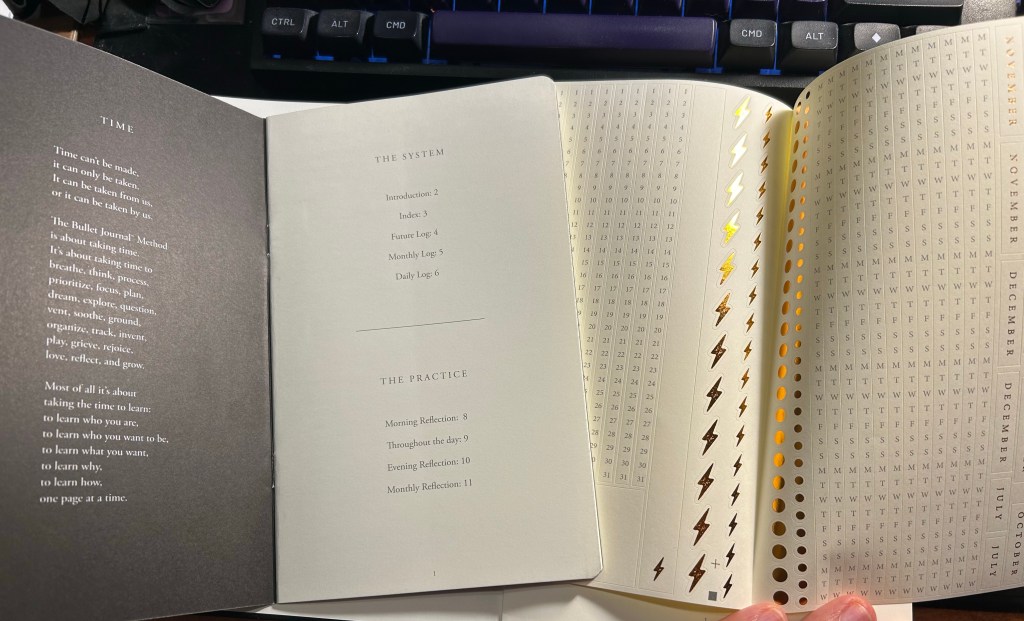
The included pamphlet – with a poem about BuJo no less – and sticker sheet

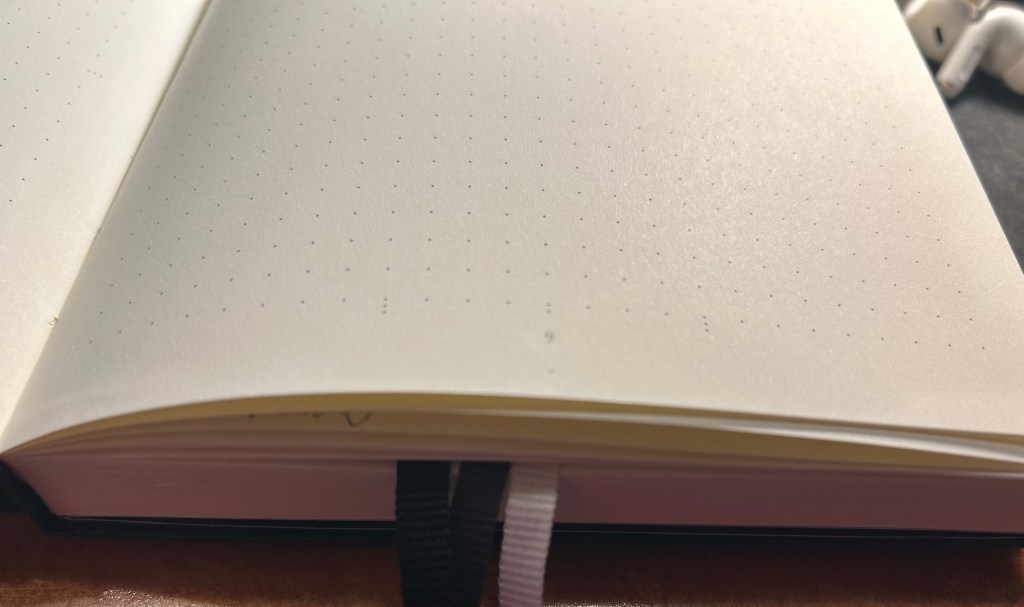
This is where the Bullet Journal system starts taking a problematic turn for me (and others, gathering by the comments to the videos). It starts becoming an Instagram thing. People spend hours making gorgeous, Instagram worthy monthly spreads. They spend money on templates, markers, stickers, and notebook bling for this. There’s an army of BuJo influencers. It’s no longer a “getting things done” system, it’s a “make pretty planner pages” system. Carroll inflates the system’s importance and “holistic” approach more and more. Out of curiosity I bought the second edition of the official Leuchtturm1917 Bullet Journal. My PTSD makes planning a real struggle now, and I was at the point where I was willing to try anything. Well, for quite a bit of money you get an overly thick notebook full of Leuchtturm paper, which is tolerably useful with fountain pens. Don’t expect Tomoe River levels of fountain pen friendliness, as there is spreading, and it doesn’t show off the full properties of all your cool inks. Then again, it’s not really meant for that. There’s also an added 12 (!) page manual about the system and a large sheet of planner stickers (and three ribbon bookmarks). There’s also stuff printed on the end papers that shows you how you can divide the dot grid page using the supplied markings. If you create tables often, I guess it’s useful. What I mostly feel using it is that it’s a lot.

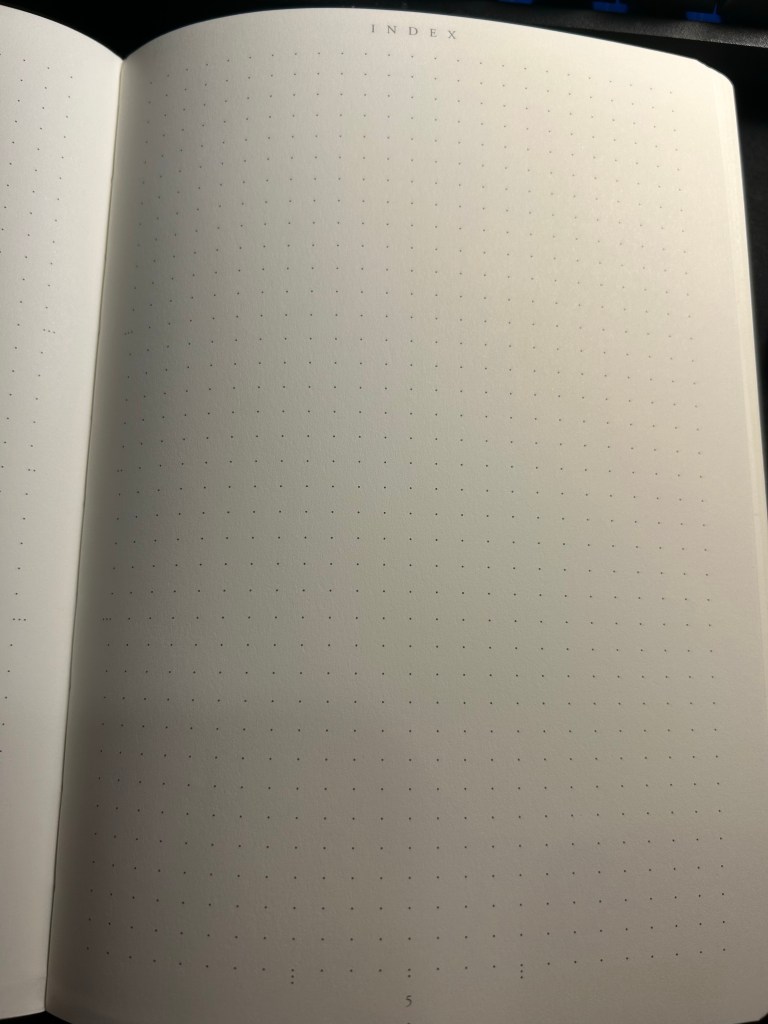
Index page

Have you ever tried to write an essay using Microsoft Word? Have you ever been able to do that without futzing with the formatting, the alignment, the spacing, etc? Word is a program created with printing in mind, and it shows. Writing applications like Scrivener supply you with full screen blank canvases that contain zero formatting prompts because that’s how you get the actual writing done. What the Leuchtturm1917 Bullet Journal does is give you all the tools you need to distract yourself from actually planning your stuff as quickly and efficiently as possible so you can move on to get them done. It’s full of calls to design pages, and I had a hard time at first training my brain to ignore the noise that the notebook came with. Ignore the wide margins, the little division markings, the pages with titles, the stickers and the pamphlet.

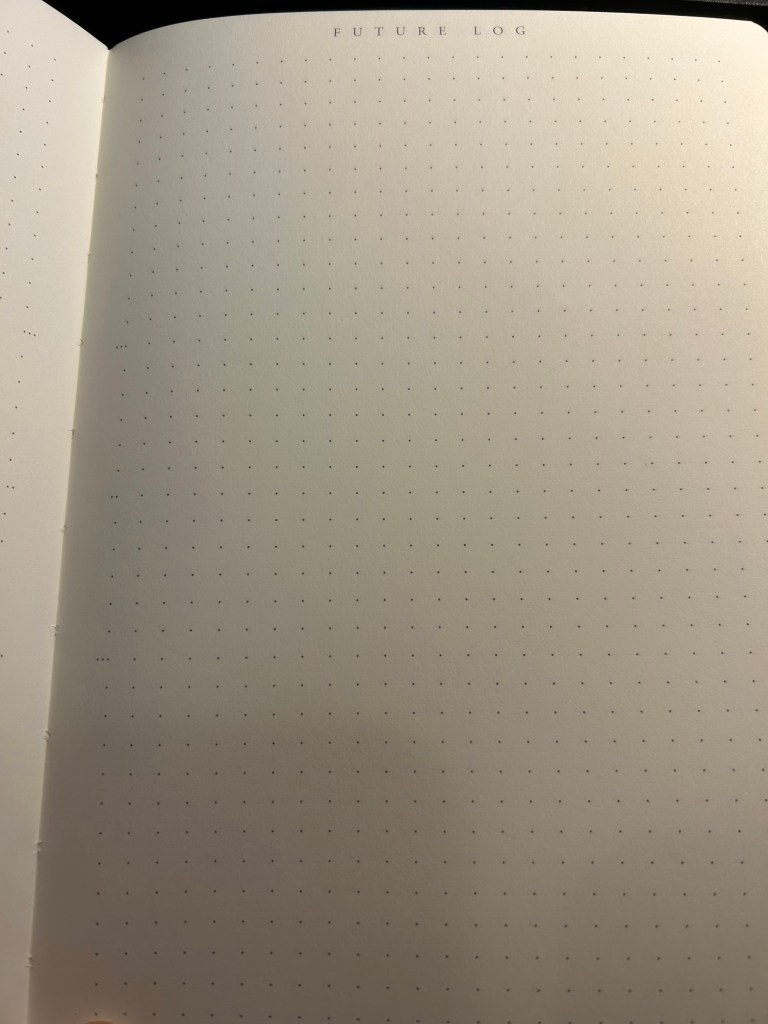
Future log

But back to the Bullet Journal system itself: stripped of its self-importance and its need to preen for Likes and Favs, is it still useful as a planning system?

Let’s take a look at it part by part:

  • Index – I didn’t keep one. I think I might have tried this during the first month, but I gave up quickly on this. It’s too much hassle for very little gain. How many times a month do you actually need to find something in your notebook, and when do you not just flip through it? There were many GTD systems with indexes and indexing systems, and I never found the indexes useful.
  • Monthly log – I keep a version of this separately on a small “Rebel Plans” pad from the Well Appointed Desk. It contains a monthly calendar that’s shaped like a calendar (and not a list of days), with important days in the month circled in a different colour, with basic monthly goals and big monthly milestones/events marked on it. I keep it before my eyes constantly as I work, and so having it tucked away in a notebook doesn’t work for me. I also find listing on paper the events of the day for the entire month a waste of time. That’s what digital calendars are for, and they’re much better than paper ones for it.
  • Future log – a new invention made for the official bullet journal notebook. I tried using it and found it to be useless for me. If you want true long term goal tracking, I suggest you try the theme system journal or something of the kind.
  • Daily log – this is the heart of the system, and it works because it’s a to do list. See also my post about GTD. I fluctuate between using the dash-plus annotation system and simple checkboxes, but you can use whatever works for you, of course. The important part is, of course, defining your tasks properly – actionable, doable in a short amount of time, and something that you can and should be doing.
  • Reflections – these are just a rebranding of GTD reviews. These work well if you do them, but it’s been my experience that it’s very easy to stop doing them because who wants to review what you didn’t get to complete as planned?

So there’s good stuff in Bullet Journal if you are able to strip it down from its anxiety inducing beauty contest trends. The question is, will you be able to ignore all the Bullet Journal page design noise and make use of this as a pragmatic planning system, or will you get carried away and start decorating pages and comparing monthly spreads with people who do this for a living, as you buy yet another template and another BuJo perfect pen? I’ll leave you to answer that one for yourself.

Three ribbon bookmarks and divider markings closeup. You can also see the white margin all around the dot grid page.

Brown Paper Bag Sketch

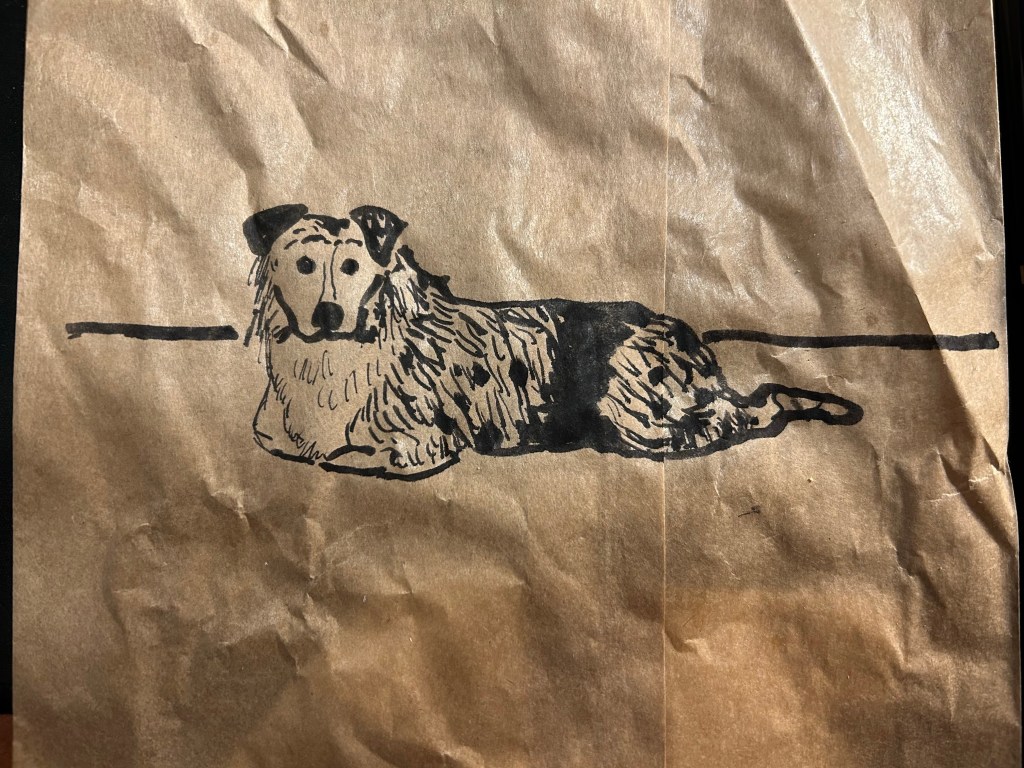
This is a 5 minute sketch of Belle, the Australian sheepdog. It was done with a Sailor Fude 40 degree fountain pen and Graf Von Faber-Castell carbon black ink on a paper bag that held my sandwich.

At today’s pro democracy protest

10 minute sketch using a Staedtler 0.8 fineliner, Faber Castell Pitt brush pens and a pocket watercolour Moleskine notebook.

Protesting
He was protesting too