Field Notes: Out and In (Campfire and Fire Spotter)

Out: Campfire Night. I loved using this notebook despite my initial apprehensions about the orange grid and the photo covers (my favourite Field Notes Colours edition is “Balsam Fir”). The covers wear really well, and the orange grid isn’t as distracting as I thought it would be. I’ll still use this one for a while, until I finish reading the Tournament of Books books, as it has my logs in it.

In: Fire Spotter. I’ve started this notebook before, filled in two pages and abandoned it (I’m not a fan of dot grid). Decided to start using up the Field Notes notebooks that I started using and haven’t finished because it’s just a shame not to. Firespotter is a great edition if you like dot grid, and I love the debossing on the back cover.

This week’s long run: baby geese

I went for a long run yesterday, the first after a week an a half of hiatus due to muscle inflammation. It was good to be back, even if only for 8k, and even if this run was slower than my usual pace.

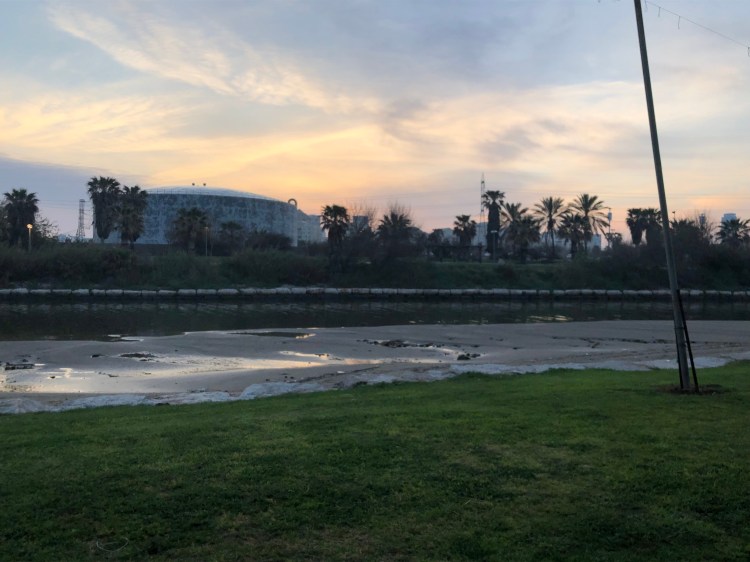
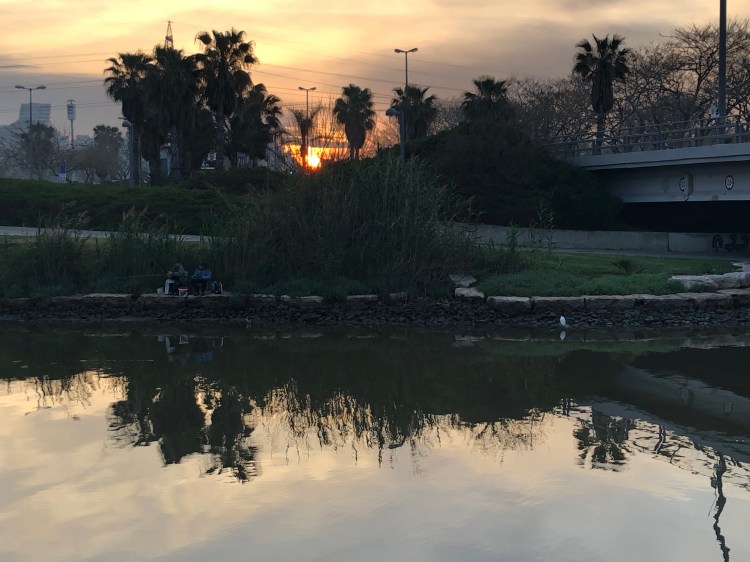
Caught the sun rising just over the river at ebb. The clouds made it particularly beautiful.

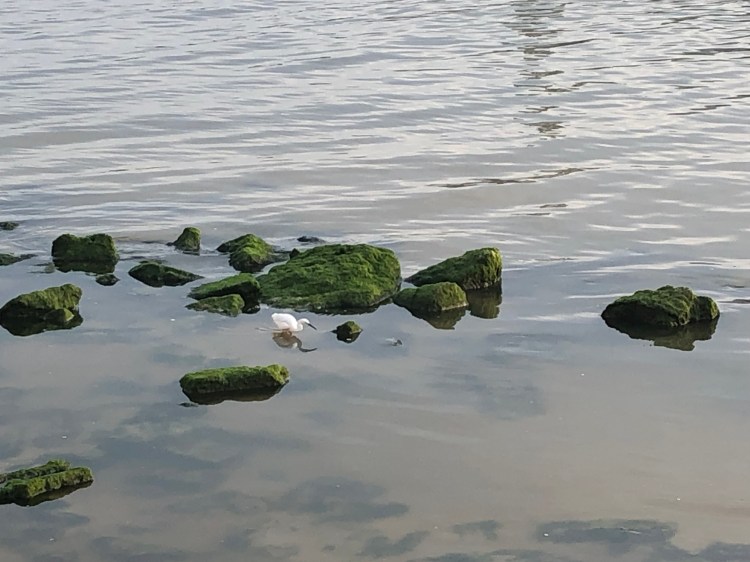
A little bittern and a night heron were fishing next to two fishermen as the sun rose:

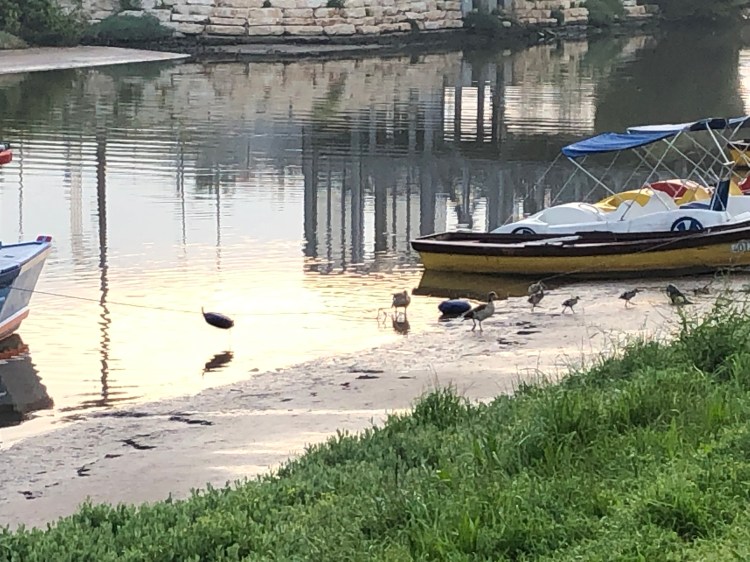
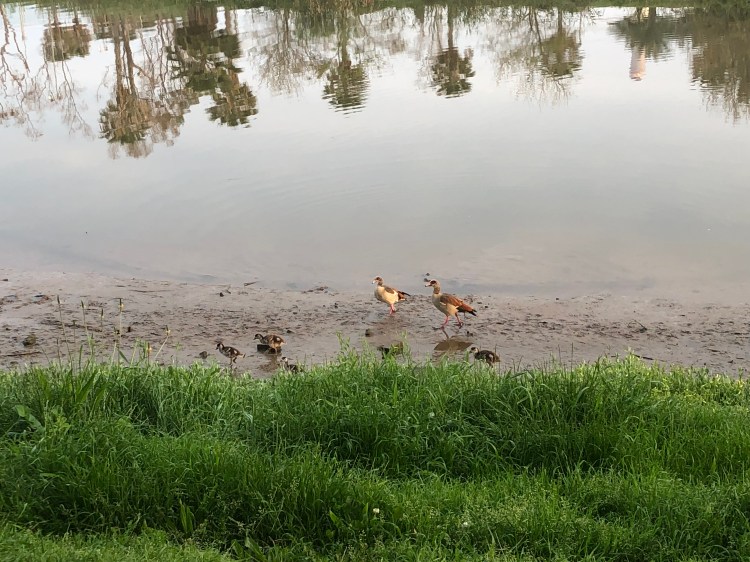
I encountered a family of Egyptian geese both on my out and on my way back. The baby geese run out front and their parents follow, keeping an eye on them at a more sedentary pace:

The female is the lighter coloured goose, and the male is all decked out:

A little bittern was out hunting during the ebb tide:

Look at that sunrise. Is it not worth getting up early and going out for a run for that?

Lamy Studio Terracotta Fountain Pen Review

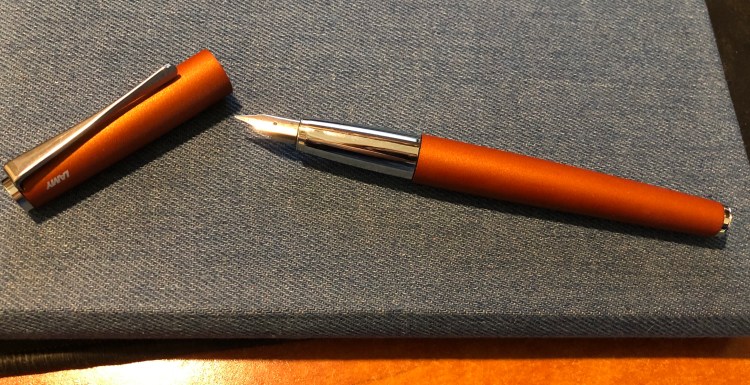
I’ve been eyeing the Lamy Studio for years now, but until now I haven’t purchased one because I found the available colours kind of boring and drab. Then they came out with the Terracotta limited edition, and I decided to give it a go.

The Lamy Studio Terracotta is a full metal bodied pen, and so it has some heft to it, although it’s nothing close to the weight of a Karas Kustoms Ink. Even if you have a small hand, the weight of this pen shouldn’t be an issue.

The colour of the pen is vibrant, and the matt finish on the pen practically glows in the light.

This fountain pen is famous for its propeller-like clip design, and it’s nice and functional but not something you notice after a little while. The Lamy 2000 and the Lamy Safari have much more striking designs.

The Lamy Studio uses the same nib units that the Lamy Safari uses, and the same converters too. The pen arrives in a beautiful, super sized box that makes for great gift packaging, complete with an ink cartridge and a converter.

The main issue with this pen is its grip. As you can see from the photos, it’s a shiny, slippery metal grip. That’s a problem, especially if you tend to sweat, or if you use hand cream. It’s not that the pen slipped when I wrote with it, but as my fingers had no real purchase on the grip, the pen felt insecure in my hand. Like it was going to fly out of my grip at any moment. That doesn’t make for an enjoyable writing experience.

As I was taking photos to try and get the colour of this pen, it rolled away (uncapped) and fell to the floor. The nib got slightly dinged, but I straightened it pretty easily. Even if it would have been badly damaged it would have been no big deal as I have plenty of Lamy Safari nibs to choose from to replace this one. That’s a big plus for this pen, since if you’ve invested in a few Safari or AL-Star or Vista Lamy fountain pens, you can swap the nibs around very easily.

I filled the Lamy Studio Terracotta with the Diamine Terracotta 150th Anniversary ink, and they go fabulously together. The Diamine Terracotta (and the Diamine Safari) are my favourites of the Diamine 150th anniversary inks, as it’s such a unique colour, with some nice shading, but it isn’t super saturated. This means that it can be used safely with vintage fountain pens, and that it can add a little va-va-voom to your office work without drawing too much attention to itself. It almost looks like a boring brown, but it very much isn’t. I love that in an ink.

A close up on the shading, that goes from a lighter reddish brown to a darker reddish brown on the ends of downstrokes even in a fine nib pen.

So, what’s the verdict? If the Lamy Studio had a different grip then it would be a five star pen. As it is, I don’t recommend it. The Diamine Terracotta though is an ink worth having, especially if you’re just starting out with exploring brown ink, or if you want an interesting ink to use in vintage fountain pens.

Mark One and Ohto Flash Dry Review

After waiting for over two months, my Mark One (purchased post Kickstarter) finally arrived. The pen, by Studio Neat, is made of aluminium and features a ceramic finish and a custom click mechanism. It also comes with a Schmidt P8126 rollerball refill (the same kind that Retro51 uses in their pens), which is absolutely horrible, so I switched it with an OhtoFlash Dry 0.5 gel ink refill instead.


The pen comes in a cork box that is very pretty, but not really functional. If you have tons of spare room on your desk you can reuse it as a pen tray for the Mark One, but as I don’t the box will just go to recycling. I would have preferred a simpler box, of the kind that TWSBI or Lamy uses, but this is a great box if you plan to give someone the Mark One as a gift.

The Mark One box is held closed by a piece of cardboard that doubles as an instruction sheet for the pen. That’s a nice idea, and the sheet is well designed and clear.

The box without the sheet doesn’t have a sealing mechanism (it’s just two pieces of cork), so it’s not really built to be a pen case, just a pen tray.

I chose the white and copper Mark One, which is very popular based on the waiting times on the Studio Neat website.

The pen is very comfortable to hold and use for long periods of time. It looks heavy but is super light, and the ceramic finish makes it very grippy. The wide barrel helps ensure that you don’t slip into “death grip” mode even if you have a tendency to.

The click mechanism is excellent and very solid and satisfying to use. It’s also very far from silent. The pen tip doesn’t rattle, and the pen looks as gorgeous as the pictures make it appear.

The Ohto Flash Dry 0.5 gel ink refill (PG-105NP)  is a needle point, parker refill that dries in a flash. It’s very dark and produces a line that is slightly wider than the Uniball 0.5 gel ink refills, but it somehow doesn’t smudge. Even on Moleskine, Rhodia and Tomoe River paper the OHTO Flash Dry dries almost instantaneously. It’s a left hand writer’s dream, and an excellent gel ink refill in and of itself. I have no idea why this refill hasn’t gotten more reviews, since there are so few parker style gel ink refills to begin with, not to mention good ones or ones that dry in a second or less. Maybe it’s because I don’t think it’s the kind of refill that’s widely available. It is, however, totally worth the price and effort.

Here’s a sample from my journal (which is a Moleskine). New Moleskines don’t have the spidering problem that they used to have, and there is no spreading or smudging with this pen/ink combo. The show through is a more significant than with a Uniball UMR-85 refill (the Signo 207), but the line is also wider and a good deal darker.

Here’s a writing sample on a Field Notes, where the first line (“Mark One”) was written with the original refill, and the rest with the Ohto Flash Dry.

Here’s the refill, which is available at JetPens and CultPens (I am not an affiliate of either):

I highly recommend the Mark One, as it’s a beautiful pen that’s just a joy to use. I would recommend switching the Schmidt refill out for the Ohto Flash Dry 0.5, or just using the Flash Dry in any parker compatible pen that you’ve got. It’s one of the best refills out there, especially if you’re left handed or tend to smudge your writing.